
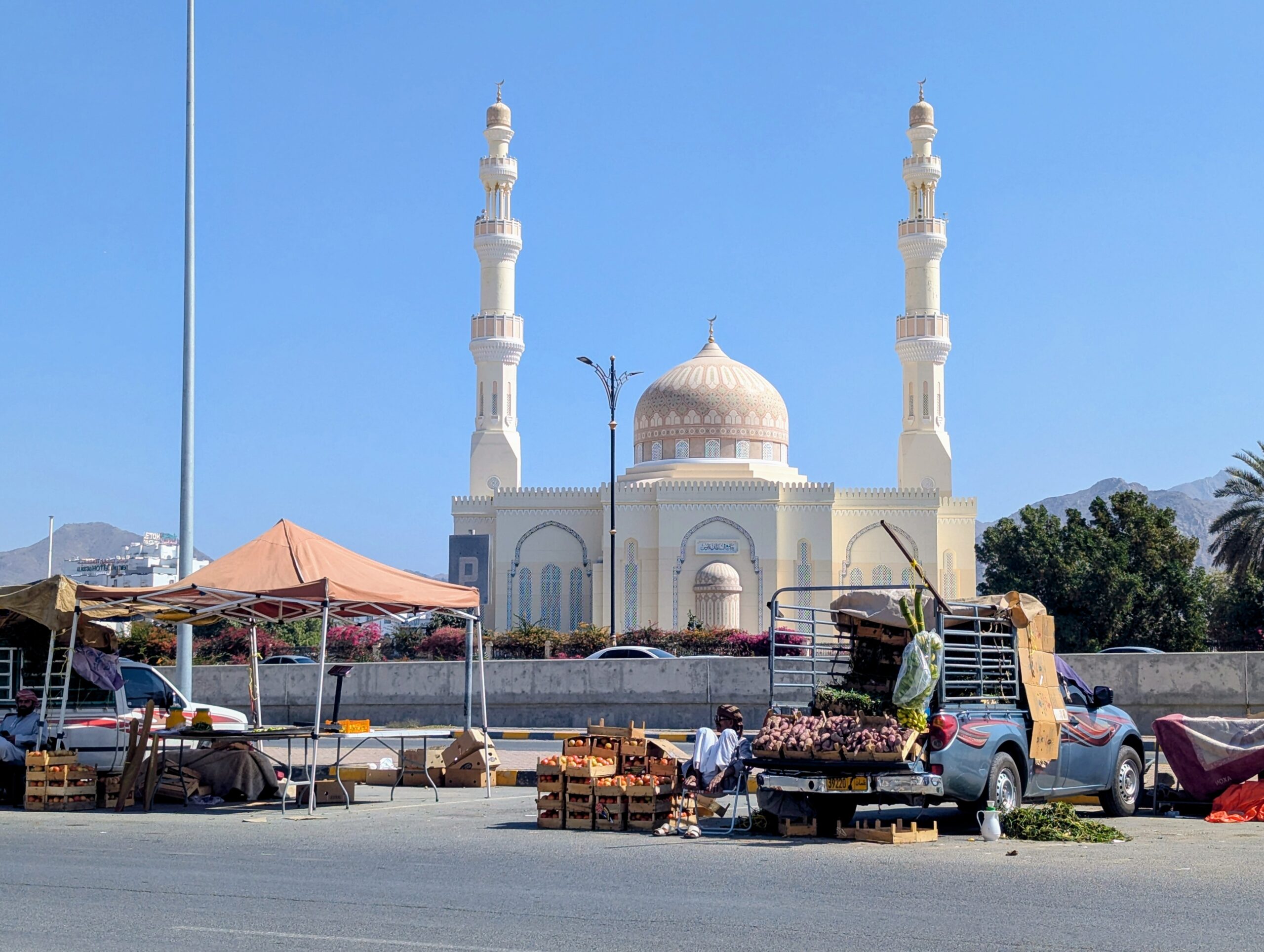
Omani culture surprises on many fronts. Oman is known for its breathtaking landscapes and rich traditions, but it is often the small details and customs that make a trip truly unforgettable. Here are some fascinating facts about authentic Omani culture and traditions in this remarkable country.
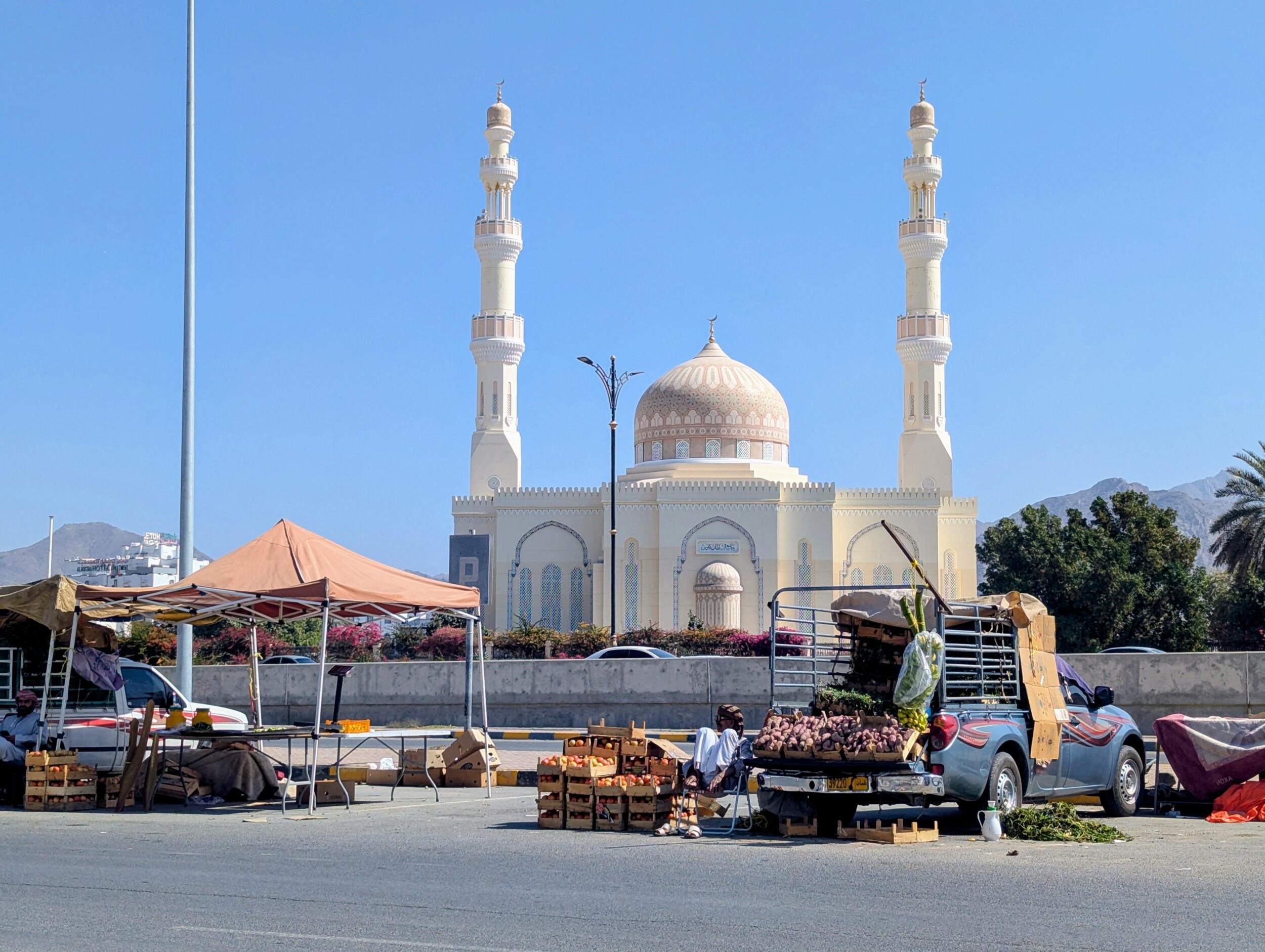
Having visited Oman seven times, you might think nothing would surprise me anymore. But that’s simply not the case. This trip, I’m traveling solo in Oman for the first time, and that brings a whole different perspective — one that has filled me with wonder all over again. And that, of course, is exactly why I travel.
According to Dutch psychologist Ap Dijksterhuis, the anatomy of wonder moves through three stages: from fright, to amazement, to excitement. And that excitement? That is your brain showing you gratitude. How beautiful is that?
Eating in the Car is Completely Normal in Oman
One of the things that strikes me every single time is the Omani habit of ordering and eating from the car. At many restaurants and cafeterias, it is perfectly normal to order without leaving your vehicle. You honk, a server comes over, and before you know it, a tray is passed through the window. It’s usually shawarma, fresh juices, or the famous chai karak — a strong tea made with plenty of milk, cardamom, and sugar. This karak is very similar to the Indian chai I love so much.
There’s even a kind of sign language for chai karak: drivers stop at a cafeteria, give a short honk, and make a drinking gesture toward the server — everyone immediately knows what is meant. An informal drive-through system that has existed for decades.
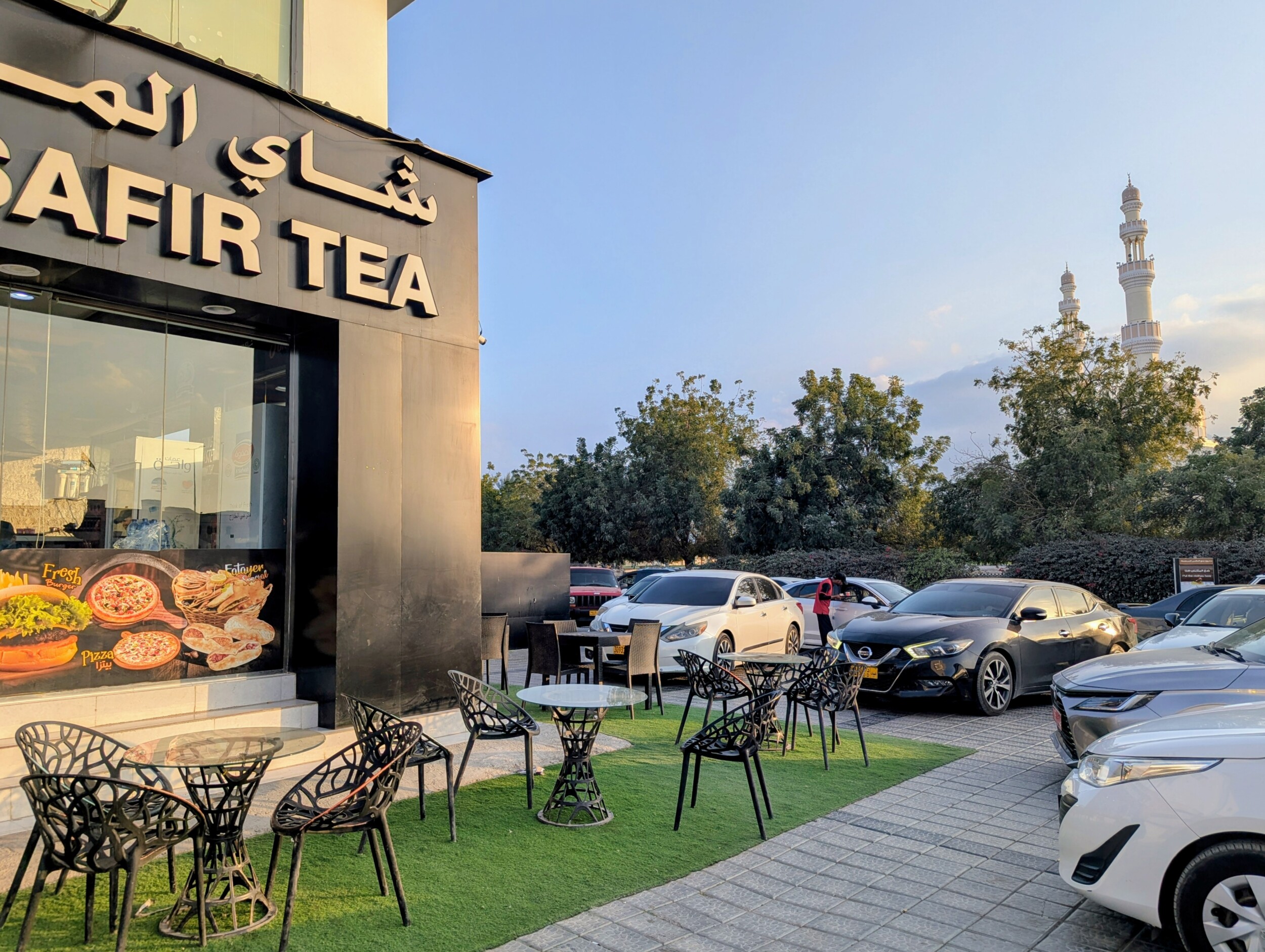
It is also entirely common to see Omani people sitting in their cars, chatting with friends or family while enjoying a drink and snacks. The car is not just a means of transportation — it is a social space.
The best way to explore Oman is by renting a car and explore Oman
Omani Hospitality: Helpfulness as a Way of Life
Omani people are known for helping others as if it’s the most natural thing in the world. Hospitality is deeply rooted in Omani culture. If you ask a local for directions, there’s a real chance they will simply take you there in person rather than just explaining the route.
A telling example: I once saw someone get out of their car at a red light to clean the brake lights and rear lamps of the car in front. Just because it needed doing. No personal gain whatsoever. This is typical of the Omani mindset: you help each other, without expecting anything in return.
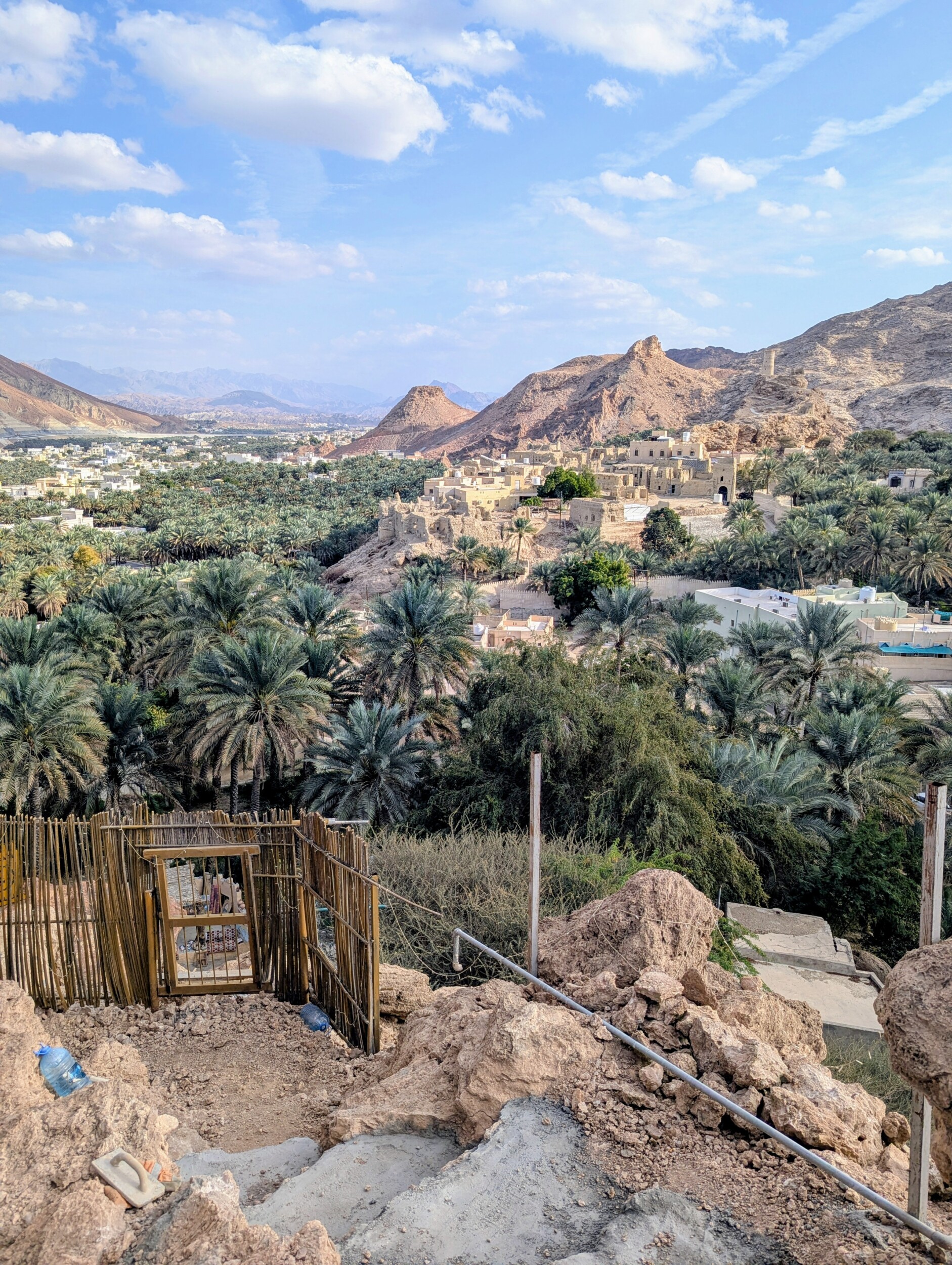
This spirit of helpfulness also shows in the way guests are received. If you are invited into someone’s home for coffee (qahwa), it is considered impolite to decline. You will be served Omani coffee, fragrant with cardamom and sometimes rose water, alongside dates, halwa (a sweet, sticky treat), and often fresh fruit.
When you have finished your coffee, gently shake the cup from side to side to signal that you have had enough. Otherwise, your host will keep refilling it.
I always bring my own reusable water bottle #ad on every trip. My mission is to eliminate single-use plastic — refilling instead of throwing away is one of the easiest ways to contribute as a traveler.
The Dhow: Symbol of a Maritime Culture
With a culture so deeply connected to the sea, the dhow — a traditional sailing vessel — is an important symbol in Oman. These ships were used for centuries to trade between the Arabian Peninsula, India, and East Africa. The earliest recorded use of an Omani dhow dates back to the 8th century, when one such vessel sailed all the way to China. Today, dhows are used for trade, tourism, and fishing, and you will spot them all along the Omani coast.

A popular stop for many visitors is the museum near the harbor in Sur, where you can watch dhows being built by hand.
Dates: More Than a Snack
Dates hold deep cultural and historical significance in Oman. They are not just a staple food, but a symbol of hospitality. In traditional Omani homes, it is customary to welcome guests with dates and coffee. Dates are also used during religious and ceremonial occasions. Oman is home to many date varieties, with Khalas, Fardh, and Khasab among the best known. The date palm is considered a national symbol.
Traditional Omani Clothing and Its Meaning
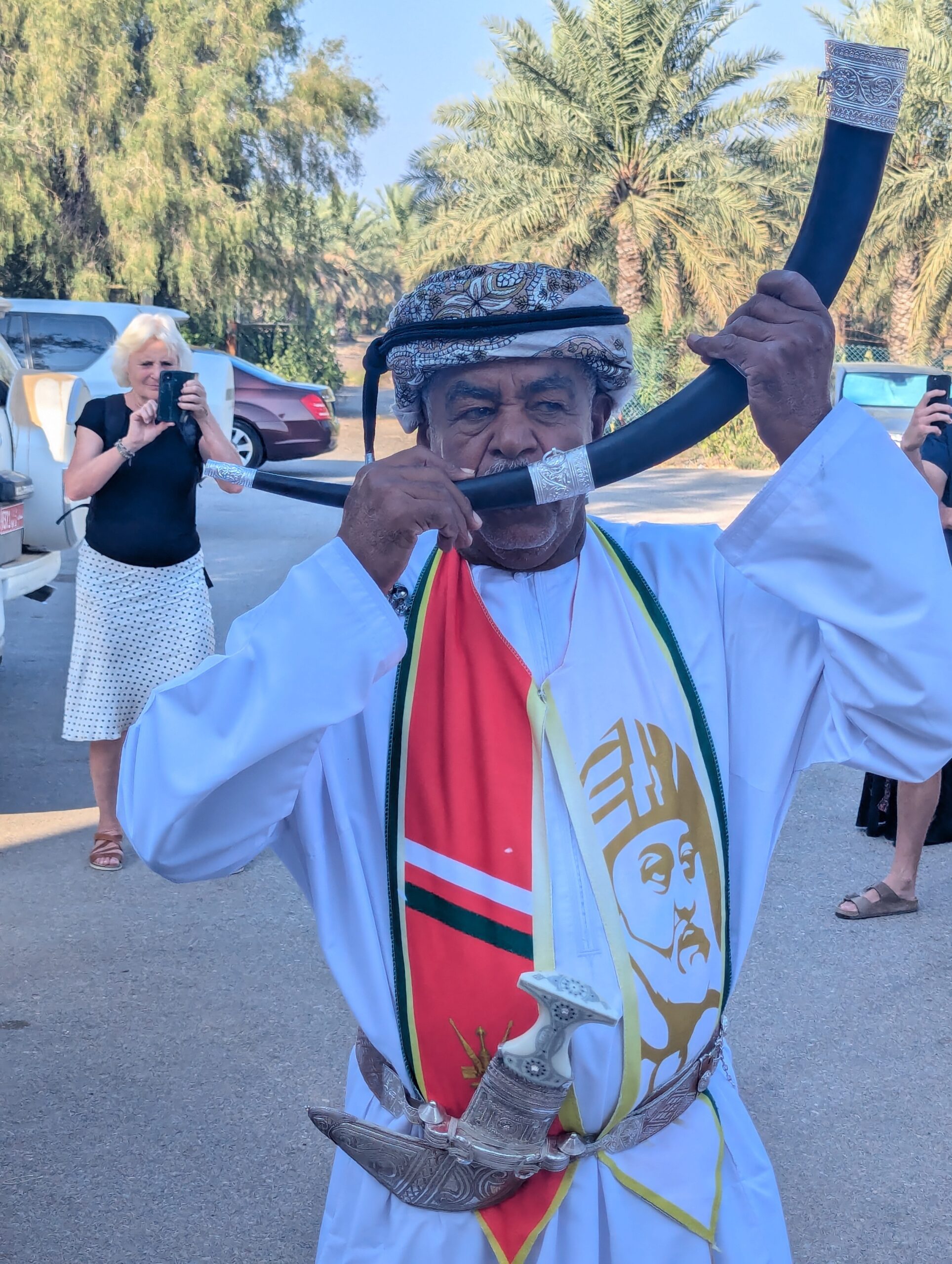
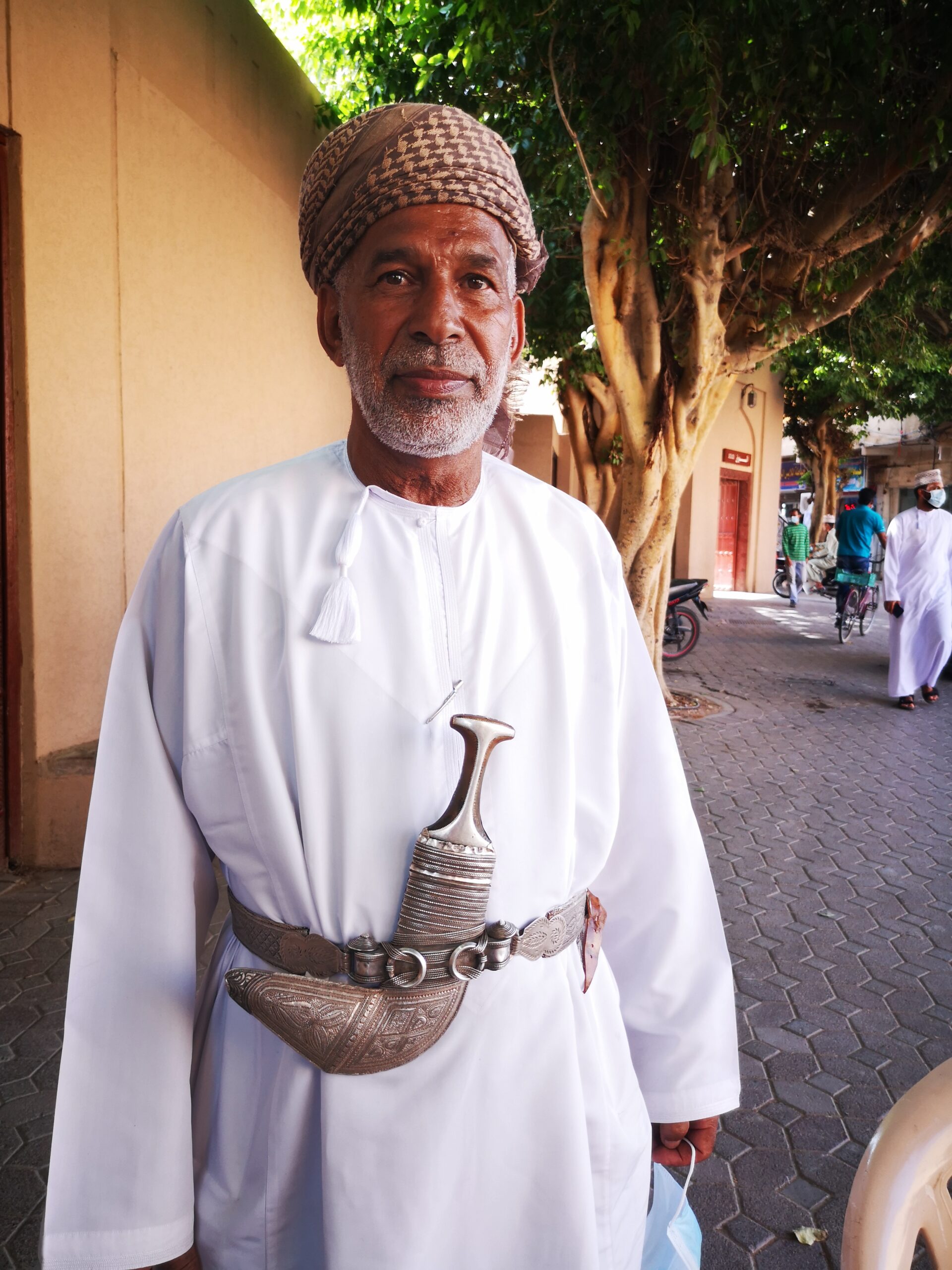
Traditional Omani clothing is more than just an outfit — it is part of identity. Men wear the dishdasha, an ankle-length tunic, usually in white but sometimes in soft pastels such as lilac, blue, or brown. On their heads, they wear a kummah (an embroidered cap) or a muzzar (a turban). For formal occasions, men also carry the khanjar, a ceremonially curved dagger widely regarded as a symbol of masculine elegance.
Women traditionally wear a thawb (a dress) over a sirwal (loose trousers), often in richly coloured fabrics adorned with jewelry. While Western influences are growing, many Omani people — especially in rural areas — remain loyal to their traditional dress. In daily life, women wear black abayas over their clothing, though this is very slowly beginning to shift toward more color.
Are you traveling to Oman and would you like a guidebook to take along? Take a look at this Oman travel guide.
Ibadism: A Unique Branch of Islam
Around 75% of the Omani population follows Ibadism, a moderate branch of Islam unique to Oman. Ibadism is more tolerant than many other Islamic traditions and places emphasis on consensus and moderation. This contributes to the country’s relatively open and welcoming culture. Women in Oman enjoy relatively more freedom than in some other countries on the Arabian Peninsula, though social interaction remains largely gender-separated.
Omani Food and Cuisine: A World of Flavors
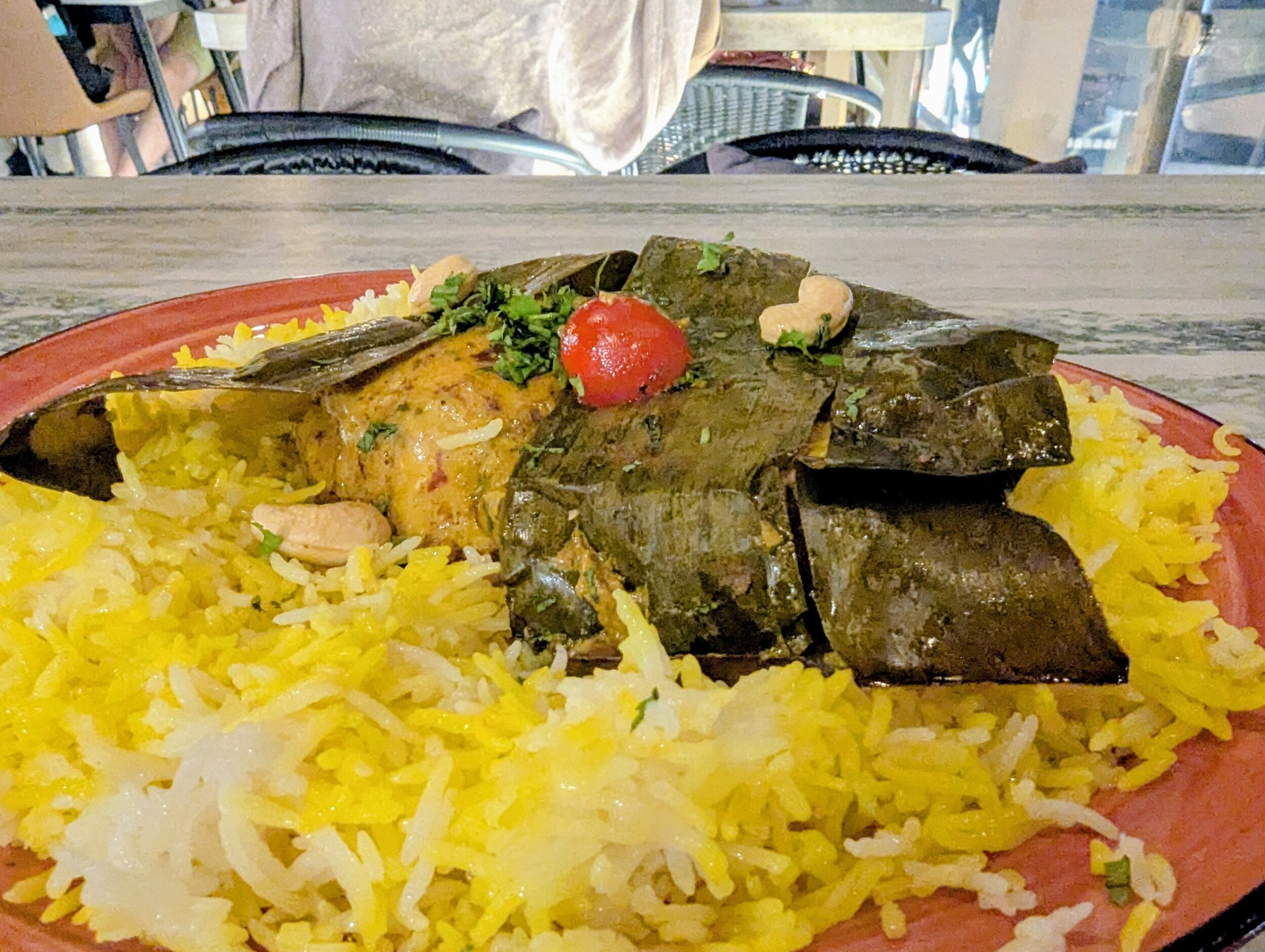
Omani cuisine reflects centuries of trade and cultural exchange, with strong influences from India, East Africa, Persia, and the wider Middle East. Biryani is considered the national dish — a fragrant rice dish with meat and a wide array of spices. Other specialties include shuwa (meat slow-cooked in an underground pit) and halwa, a sweet dessert made from caramelized sugar, cornstarch, and rose water.
Rice forms the base of most meals. The main meal is eaten in the early afternoon, often a generous plate of rice with a thin tomato-based sauce with meat or fish. Pork is absent from Omani cuisine, as it is forbidden in Islam.

Discover Omani Culture for Yourself
Oman is a country that surprises you with its hospitality, traditions, and small everyday quirks. Whether it’s eating in the car, the spontaneous helpfulness of strangers, or the rich blend of cultural influences — Oman leaves a lasting impression on every traveler.
Want to experience this extraordinary Omani culture for yourself? Take a look at my guided group trip to Oman and immerse yourself in the warmth and authenticity of this fascinating country.
Read More
- Sa’al Steps Oman: Complete Guide to Muscat’s Most Challenging Hike
- Packing List for Wadi Hiking
- Visit Bar Al Hikman – the Maldives of Oman
- Looking for the Ultimate Adventure in Oman? Canyoning in Snake Canyon
- Hiking in Wadi Shab – Sur, Oman
This article contains affiliate links. If you book or purchase something through one of these links, we may receive a small commission at no extra cost to you.