
In my previous articles about the eightfold path of yoga, I described the first limb Yama and the second limb Niyama. Those explored how you relate to the world around you and to yourself. Now we arrive at the limb where most of us began our yoga journey: Asana. But what does asana yoga meaning actually come down to — and is it really just about the physical postures?
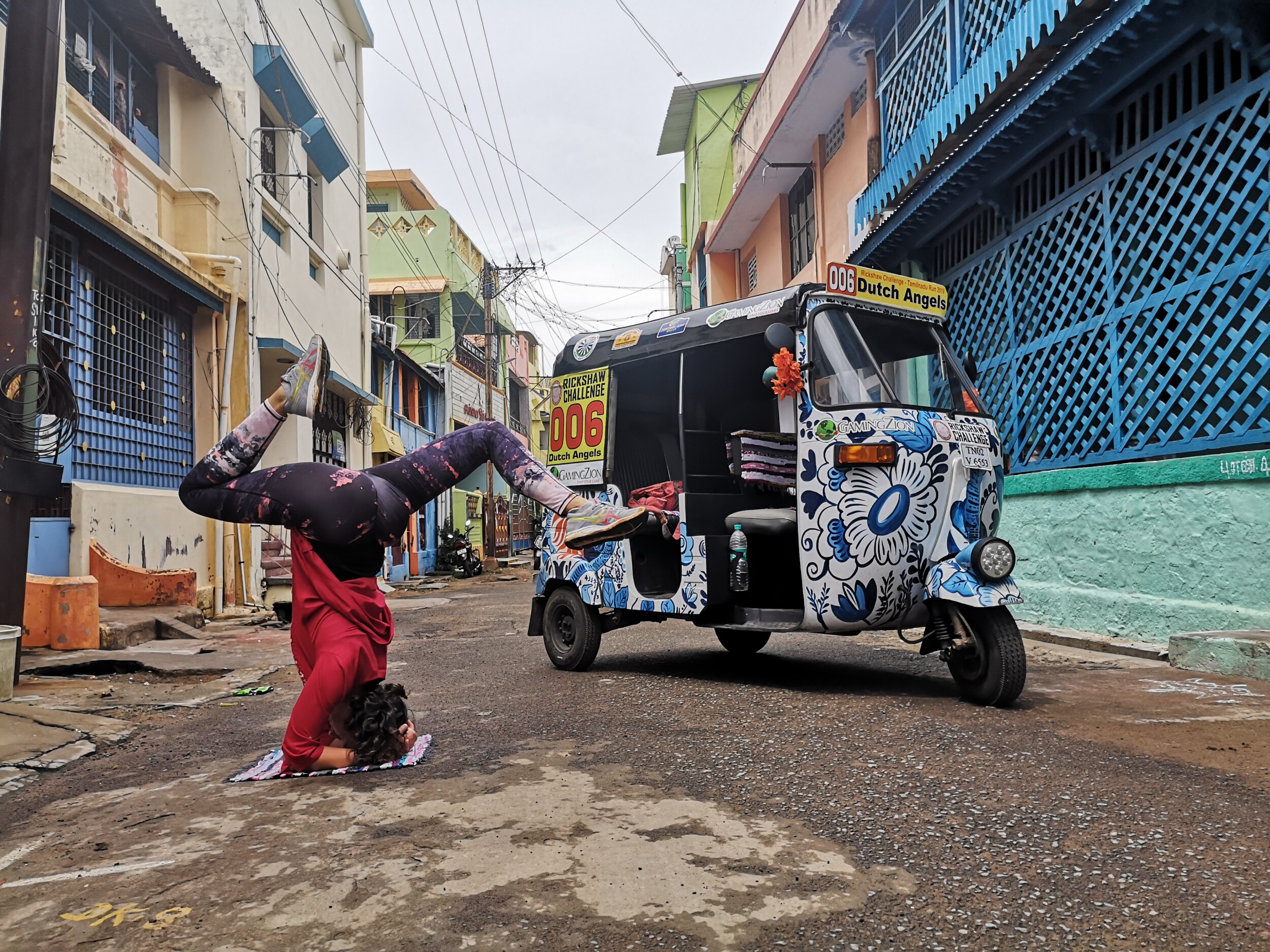
I started practicing asanas to release tension in my neck. Standing on my head, of all things, turned out to help enormously. It sounds contradictory, but it really worked for me.
This is the point where yoga shifts from the more philosophical and mental aspects into physical practice. But don’t be mistaken — Asana is about far more than simply moving your body into different shapes.
Asana Yoga Meaning: More Than a Seat
The word Asana comes from Sanskrit and literally means “seat” or “posture.” Originally, it referred primarily to the seated position for meditation. In the classical yoga texts, surprisingly little is said about all the physical poses we know today. The emphasis was on finding a stable, comfortable position that allowed you to sit in meditation for extended periods.
So why all those different yoga poses?
The physical Asana practice as we know it was developed to keep the body strong, flexible, and healthy. A healthy body supports a calm mind — and a calm mind is essential for the deeper aspects of yoga that follow in the later limbs.
How to Bring Asana into Your Daily Life
Asana isn’t just about what happens on your yoga mat. It’s about developing awareness of your body, your posture, and your movements throughout the entire day.
- How do you sit at your desk?
- Do you walk upright, or do you tend to slouch?
- Are you aware of tension in your shoulders or neck?
- Do you breathe deeply, or is your breath shallow?
All of these are aspects of Asana you can practice all day long.
The Different Aspects of Asana
Sthira and Sukha: Stability and Ease
In Patanjali’s Yoga Sutras it is written: “Sthiram sukham asanam” — an Asana must be stable and comfortable. These are the two qualities every yoga posture should embody.
Sthira (Stability): You seek strength, focus, and resolve in every posture. You work on your foundation, your grounding. Just as in life, you need stability in order to grow.
Sukha (Ease/Comfort): At the same time, you look for relaxation, space, and room to breathe within each pose. You don’t force anything — you find a sense of ease within the challenge.
This balance between effort and relaxation matters not just on the yoga mat, but in everything you do. Work hard, but don’t forget to rest. Show up fully — without bracing.
What I love about practicing Asanas is that you have to be fully present. You can’t let your mind wander, because the moment you do, your stability disappears and the pose falls apart. That’s exactly why I enjoy balance postures so much — they demand your complete attention.
The Physical Aspect: Your Body as a Temple
Through regular Asana practice:
- You strengthen your muscles and improve flexibility
- Your posture improves
- Your balance and coordination develop
- Blood circulation is stimulated
- Your organs and nervous system are supported
But what I find most beautiful is the deeper connection you build with your body. You learn to listen to what your body needs and to respect its limits. You start noticing throughout the day when your posture is slipping — and you correct it sooner.
The Mental Aspect: Training Your Mind
Every time you practice a challenging Asana, you’re also training your mind:
Concentration: You have to keep your attention on your breath and your body. This is mental training for focus in daily life.
Patience: Some postures don’t come easily. You learn to be patient with yourself and with the process.
Courage: You’re willing to explore your edges and step outside your comfort zone.
Letting go: You learn to accept what is — without judging your performance.
Asana and the Breath – Pranayama as Preparation
Your breath is the bridge between body and mind. In every Asana, you aim to breathe consciously and calmly. This prepares you for the fourth limb: Pranayama (breathwork).
Practical tip: Begin each Asana session with one minute of conscious breathing. Let your breath guide your movement — not the other way around.
The Different Types of Asanas
Standing Postures: Finding Your Foundation
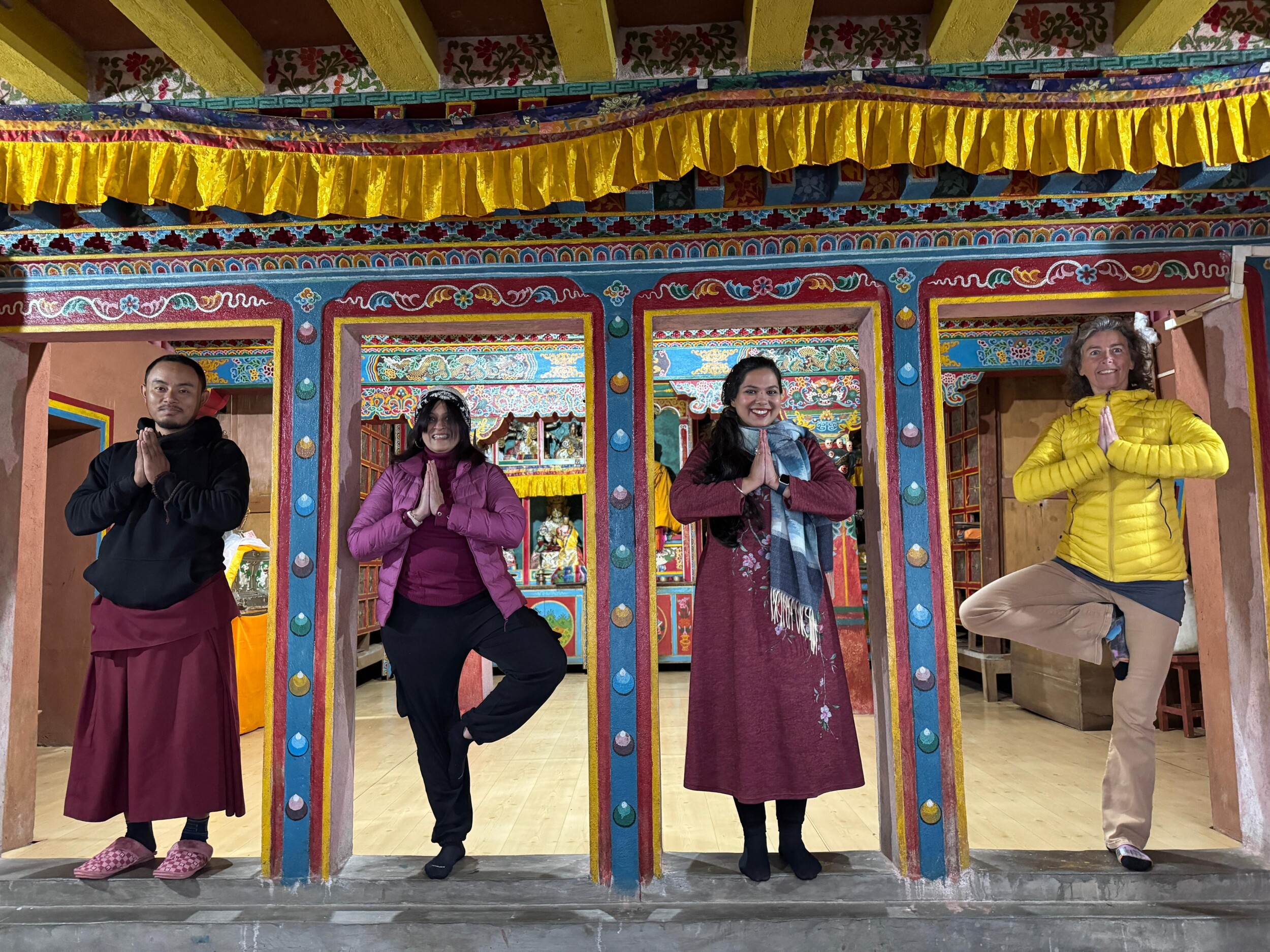
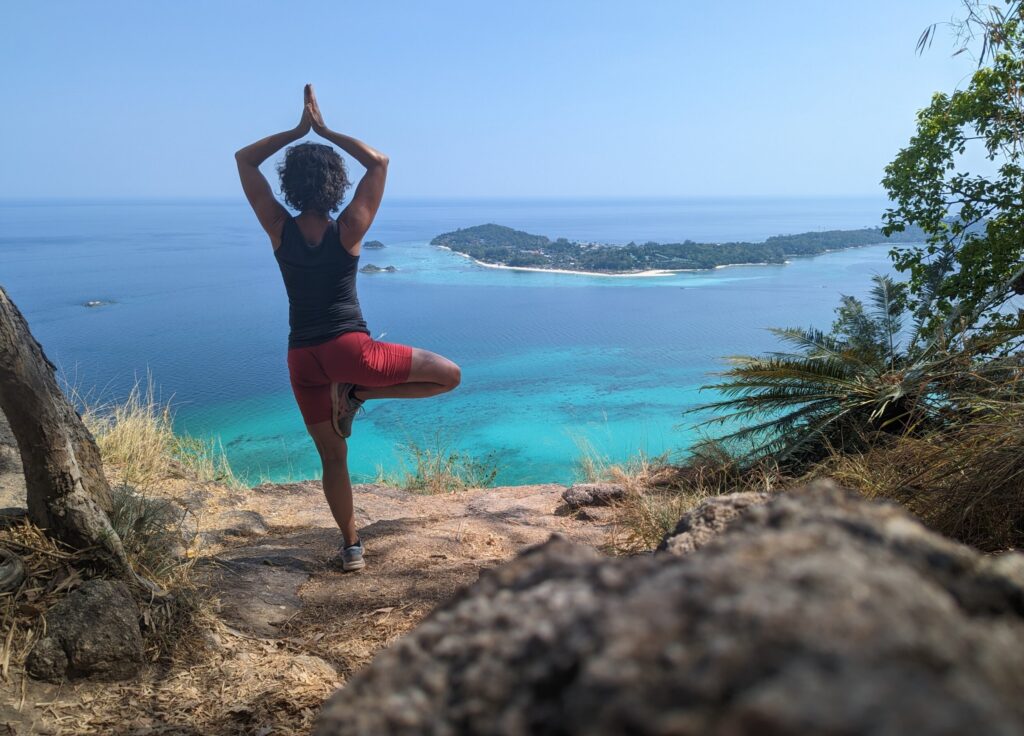
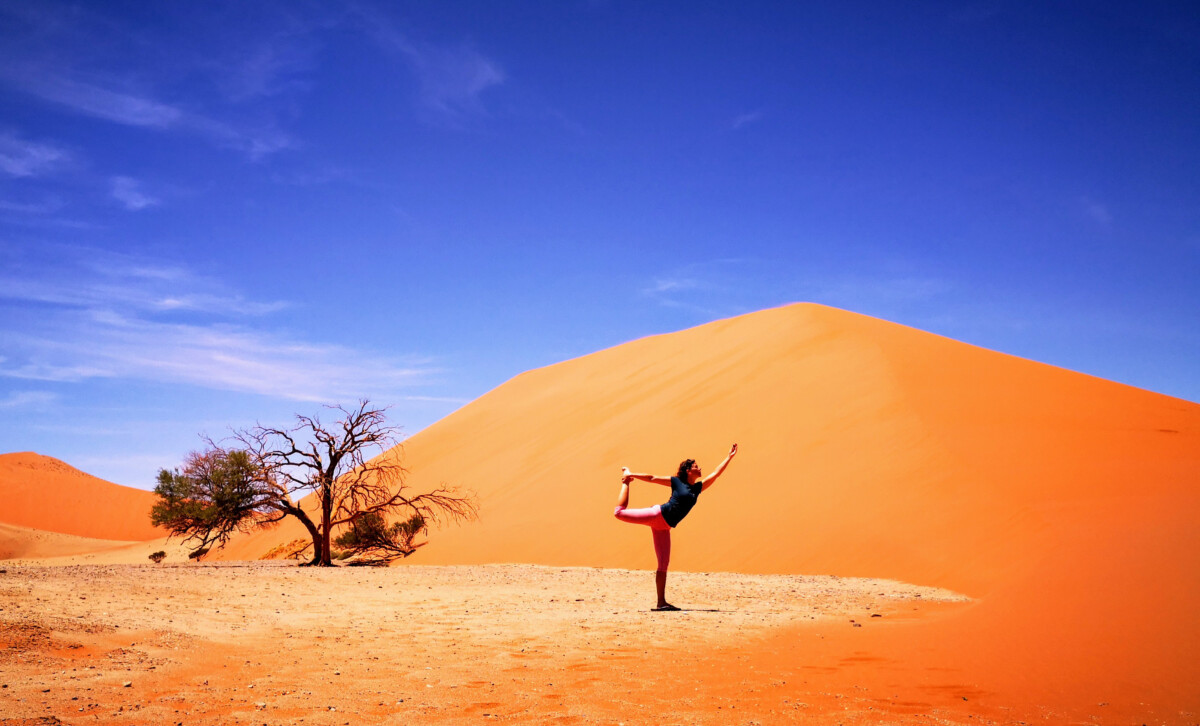
Standing poses such as Tadasana (Mountain Pose) and Vrikshasana (Tree Pose) help you feel your foundation and find your balance. They represent standing firmly in life.
Seated Postures: Turning Inward
Seated poses such as Sukhasana (Easy Pose) and Padmasana (Lotus Pose) support introspection and prepare the mind for meditation.
Backbends: Opening Your Heart
Poses such as Ustrasana (Camel Pose) help you open your heart — both literally and figuratively. They counter the tendency to curl inward and close off.
Forward Folds: Surrender and Release
Forward folds such as Balasana (Child’s Pose) invite surrender and a letting go of control.
Inversions: A Different Perspective
Postures where you turn upside down — such as Sirsasana (Headstand) — give you a genuinely different perspective on the world. These inversions have a positive effect on both body and mind.
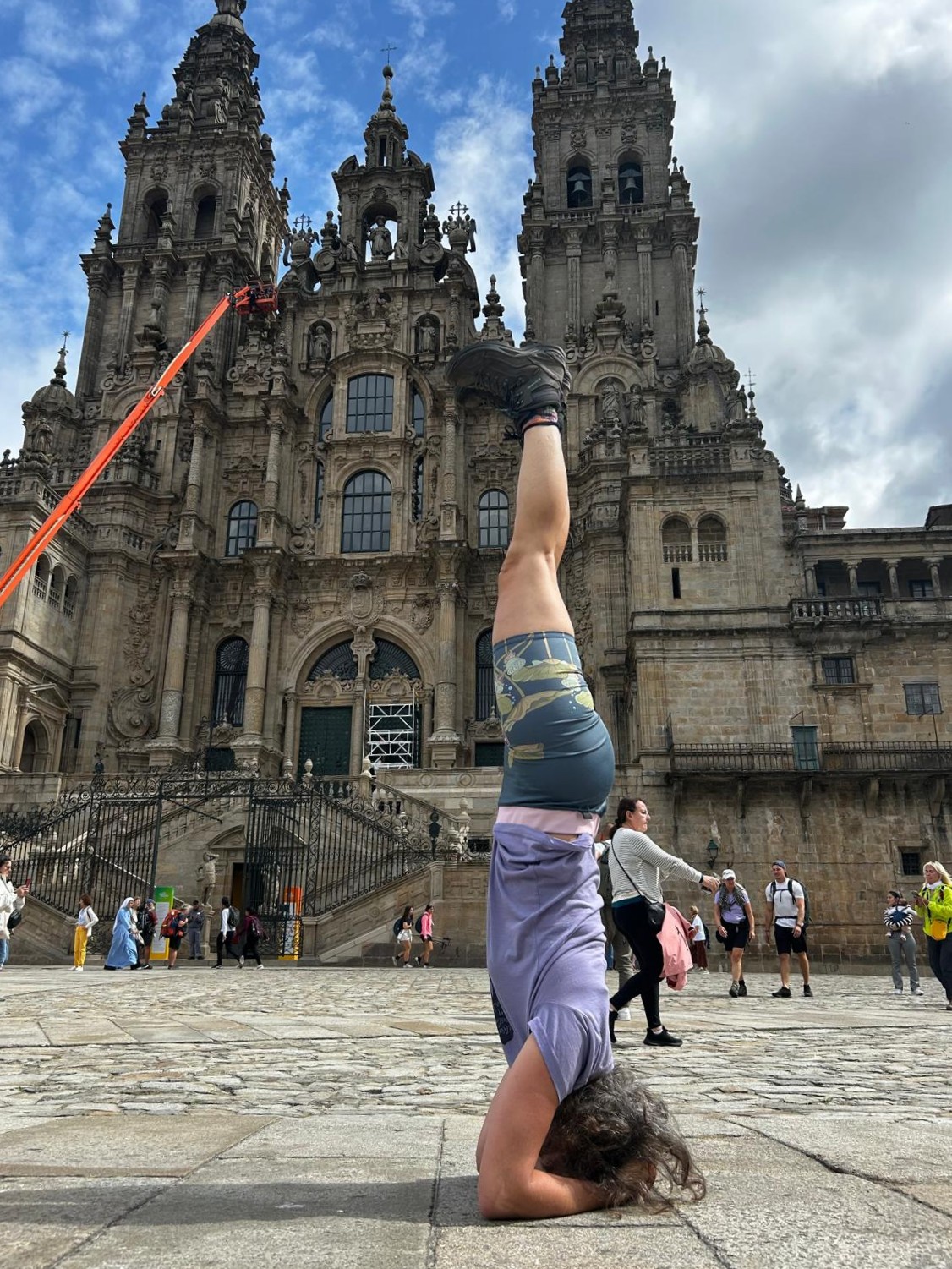
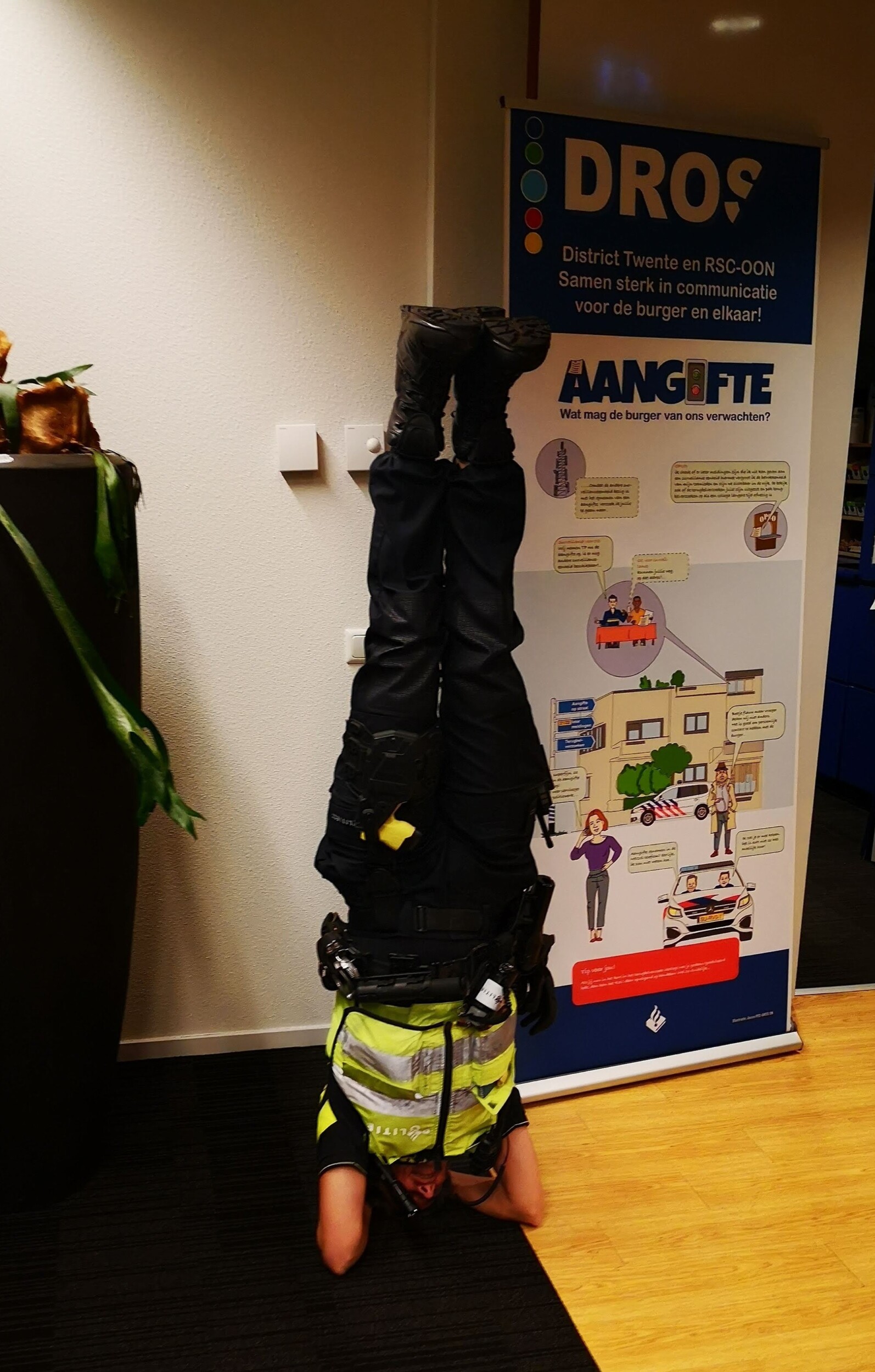
I’ve written before about the benefits of the handstand.
Asana as Spiritual Practice
For many people, yoga begins with Asana — but it is really a preparation for the deeper spiritual aspects that follow. By training the body and calming the mind, you make yourself ready for meditation and, ultimately, liberation. Every pose becomes a form of moving meditation when you are fully present with your breath, your body, and your intention.
Practical Tips for Your Asana Practice
- Start small: A few minutes a day is enough to begin. Consistency matters more than long sessions.
- Listen to your body: Your body is your teacher. Respect pain and never force anything.
- Focus on your breath: Let your breathing guide your movements.
- Be patient: Yoga is a journey, not a destination. Every day is different.
- Seek balance: Alternate between strong, active poses and restorative ones.

Asana as Preparation for the Limbs That Follow
Through regular Asana practice, you prepare your body and mind for:
- Pranayama (breathwork): You’ve already learned to breathe consciously during movement
- Pratyahara (withdrawal of the senses): You’ve learned to turn inward
- Dharana (concentration): Your focus has been trained through presence in each posture
Asana Yoga Meaning in Practice
The asana is far more than physical exercise — which is what most people assume it to be. It’s a complete training for body, mind, and soul. By moving with awareness and respect for your body, you develop not just strength and flexibility, but also mental clarity and spiritual growth.
In the next article, I’ll explore the fourth limb: Pranayama — the power of conscious breathing. After training the body, we turn to learning how to work with your life energy.
What is your experience with Asana? Do you notice that your yoga practice influences the way you move through your day?
This article is part of a series on the eightfold path of yoga. Read also the previous articles on Yama and Niyama.
Read about the time I was invited to meditate in an ancient house in the Himalayas, India:
On every trip, I bring my own refillable water bottle #ad My mission is to eliminate single-use plastic, and refilling instead of discarding is one of the easiest ways to contribute as a traveler. A foldable bag #ad for small purchases also helps reduce unnecessary plastic waste along the way.
This article contains affiliate links. If you book or purchase something through one of these links, we may receive a small commission at no extra cost to you.