
The Camino Portugués is rapidly gaining popularity among international walkers as an alternative to the busier Camino Francés. This Portuguese pilgrimage route takes you through breathtaking landscapes from Northern Portugal to Santiago de Compostela. In this article, I share my personal experience of the Portuguese section: six unforgettable days from historic Porto to the Spanish border at Tui, where the final 100 kilometers to Santiago begin.
Why Choose the Camino Portugués?
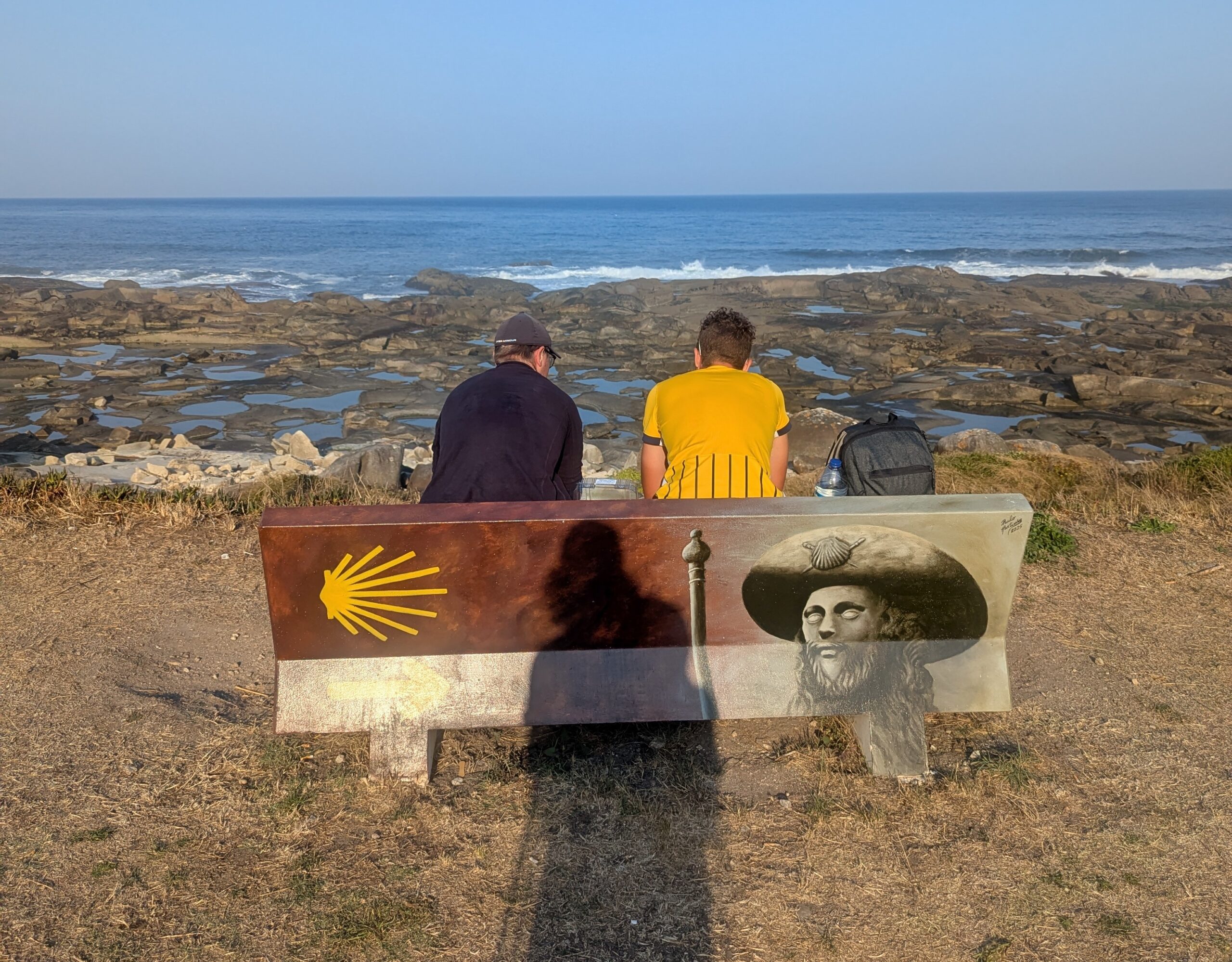
The Camino Portugués has a rich history dating back to the Middle Ages. Portuguese kings and nobles have used this pilgrimage route since the 12th century. The route received UNESCO World Heritage recognition in 2015 and is the second most popular way to Santiago de Compostela, offering a perfect balance between natural beauty, culture, and spiritual growth.
Benefits for International Pilgrims:
- Direct flights to Porto/Lisbon
- Beautiful coastal route along the Atlantic Ocean
- Walk approximately 240 kilometers in 10-12 days
Camino Portugués Route Options
1. The Coastal Route (Caminho da Costa)
This is the most popular variant of the Portuguese pilgrimage route along the Atlantic coast:
- 280 km from Porto to Santiago
- Flatter terrain, ideal for beginners
- Spectacular ocean views
- More tourist facilities
- Only 30% actually runs along the coast
2. The Litoral Route (Senda Litoral)
This route is becoming increasingly popular. The Litoral runs closest to the coast but isn’t always well-marked.
- From Porto to Caminha entirely along the Atlantic coast
- 80% of the route actually by the sea
- Uses wooden boardwalks and beach paths where possible
- Less shade on the route
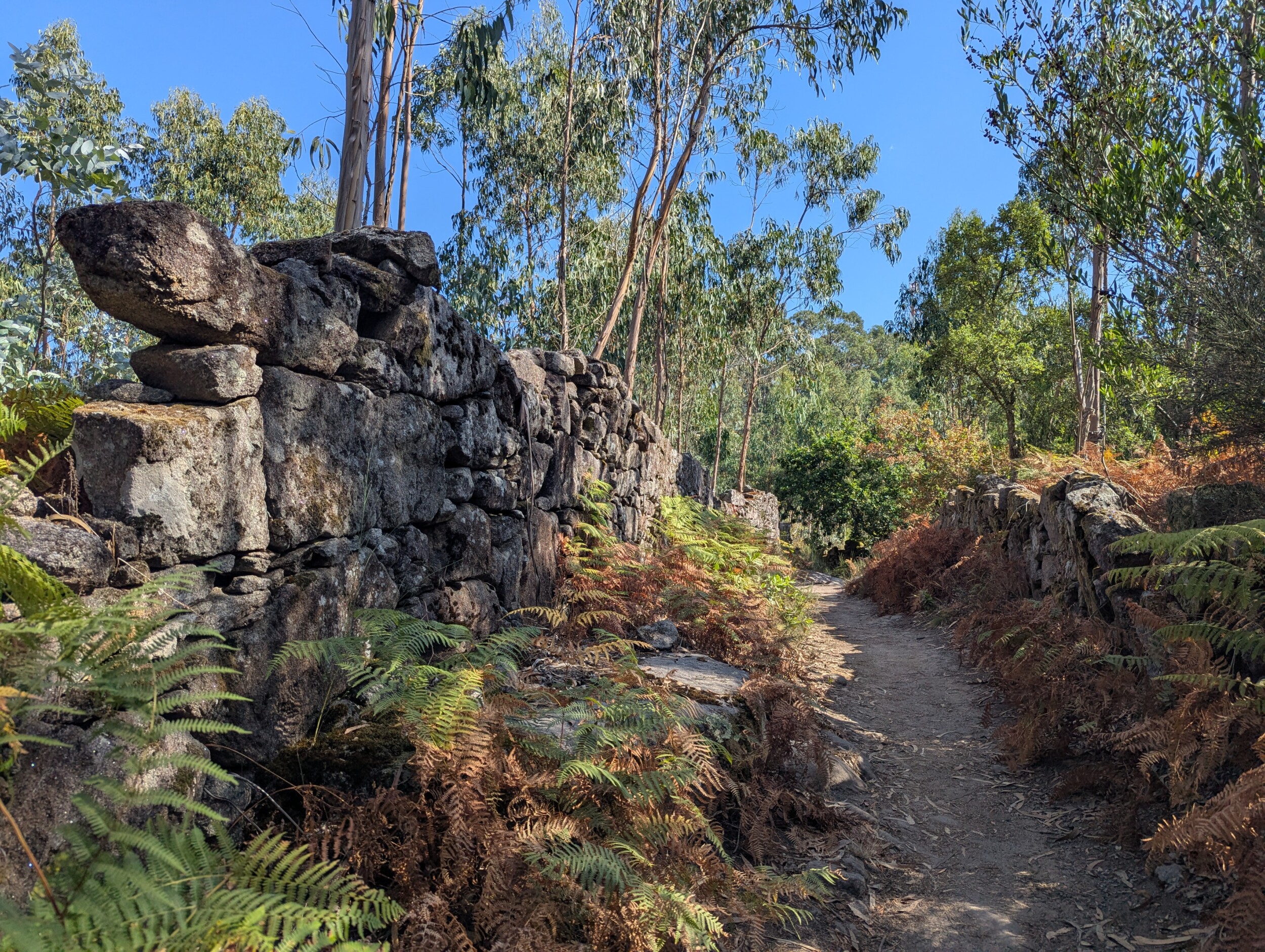
3. The Inland Route (Caminho Central)
The traditional, historic pilgrimage route:
- 240 km through the green interior
- More hilly but more authentic
- Quieter and more spiritual
- Less tourist crowds
During my pilgrimage, an innkeeper claimed that the section of the coastal route after Caminha, up to Vigo, was only created after COVID-19. I looked into this and it turns out that this section of the route was only officially recognised around 2010-2016. However, pilgrims have been using this route for centuries.
4. Combination Route: Coast to Inland
I chose this route, along with many other pilgrims. Perhaps even more than usual due to forest fires in the section past Caminha.
- Follow the coastal route (or Litoral) from Porto to Caminha (5 days)
- At Caminha: Instead of the ferry to A Guarda, go inland
- Walk along the Minho river to Valença (35km)
- Join the central route to Tui
The advantage of this combination is that you can experience the best of both routes. First the coast and then the authentic interior.
The Variante Espiritual
For those seeking spiritual depth, the route splits after Pontevedra. This spiritual variant adds an extra day and offers a unique boat trip along the route that the apostle James is said to have followed. Also, after this split, you immediately leave most pilgrims behind – most turn right and choose the shorter route to Santiago. That’s exactly what I loved about the Espiritual.
In my second article about my pilgrimage on the Camino Portugués, I’ll cover this. But first, an account of the first 6 days from Porto to the Spanish border.
My Camino Portugués Stages: Porto to Valença/Tui
- Stage 1: Porto – Labruge (19 km) *Start in UNESCO World Heritage center Porto, optionally the first 5 km by tram to Foz do Douro
- Stage 2: Labruge – Póvoa de Varzim (16 km) *Beautiful coastal route with lots of social contact between pilgrims
- Stage 3: Póvoa de Varzim – Mar (20 km) *Choice between coastal route or original inland route
- Stage 4: Mar – Viana do Castelo (19.5 km) *Through beautiful eucalyptus forests, often mentioned as the most beautiful stage
- Stage 5: Viana do Castelo – Vila Praia de Âncora (18 km) *Along historic villages and the Lima river
- Stage 6: Vila Praia de Âncora – São Pedro da Torre (35 km) *Longest stage toward the Spanish border, some split this into two days
- Stage 7: São de Pedro da Torre – Valença (5 km) *This stage continues to O Porriño (24 km)
My Camino Portugués Through Portugal: 6 Days from Porto to Tui
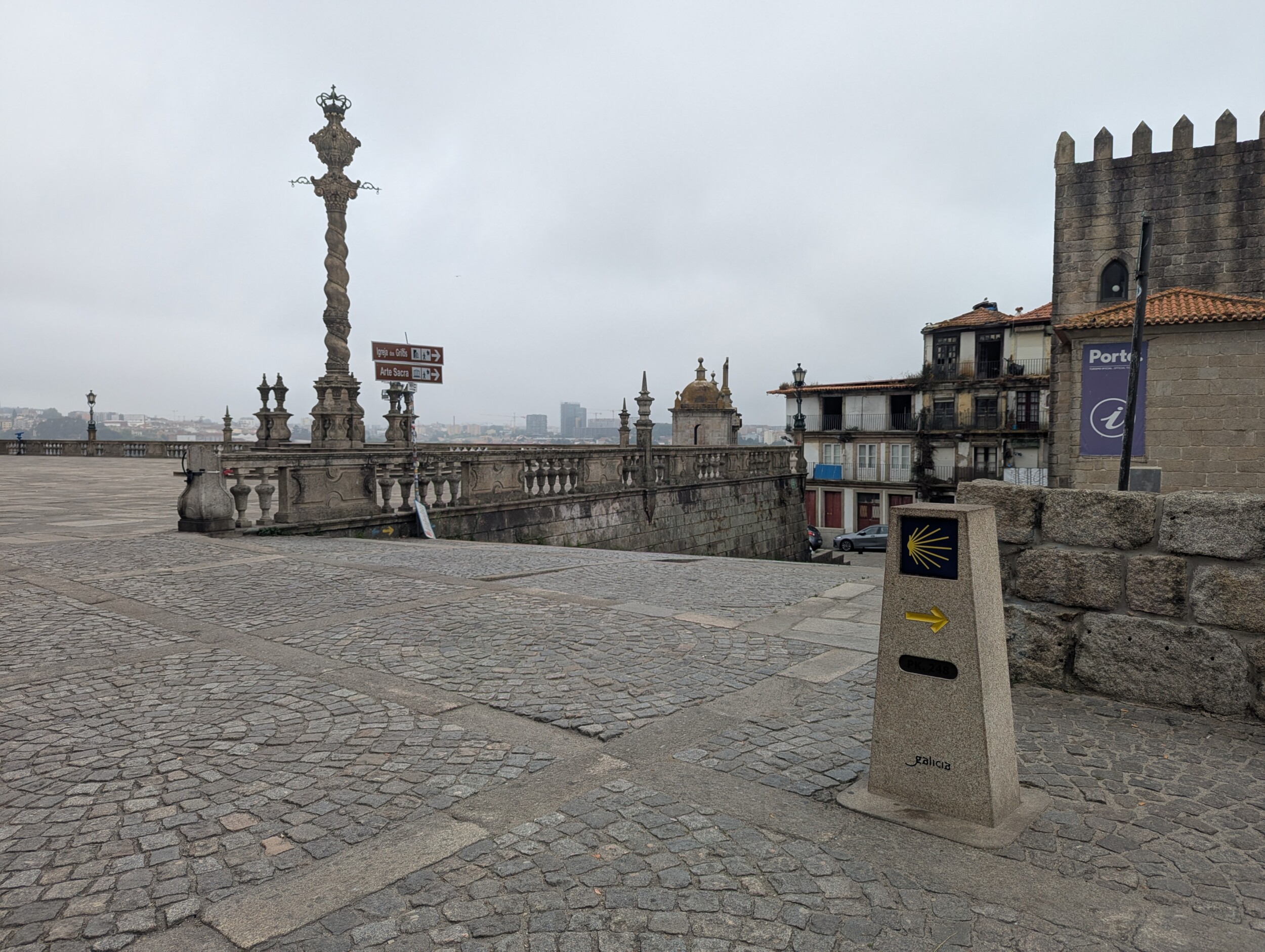
Stage 1: Porto to Labruge – The Adventure Begins
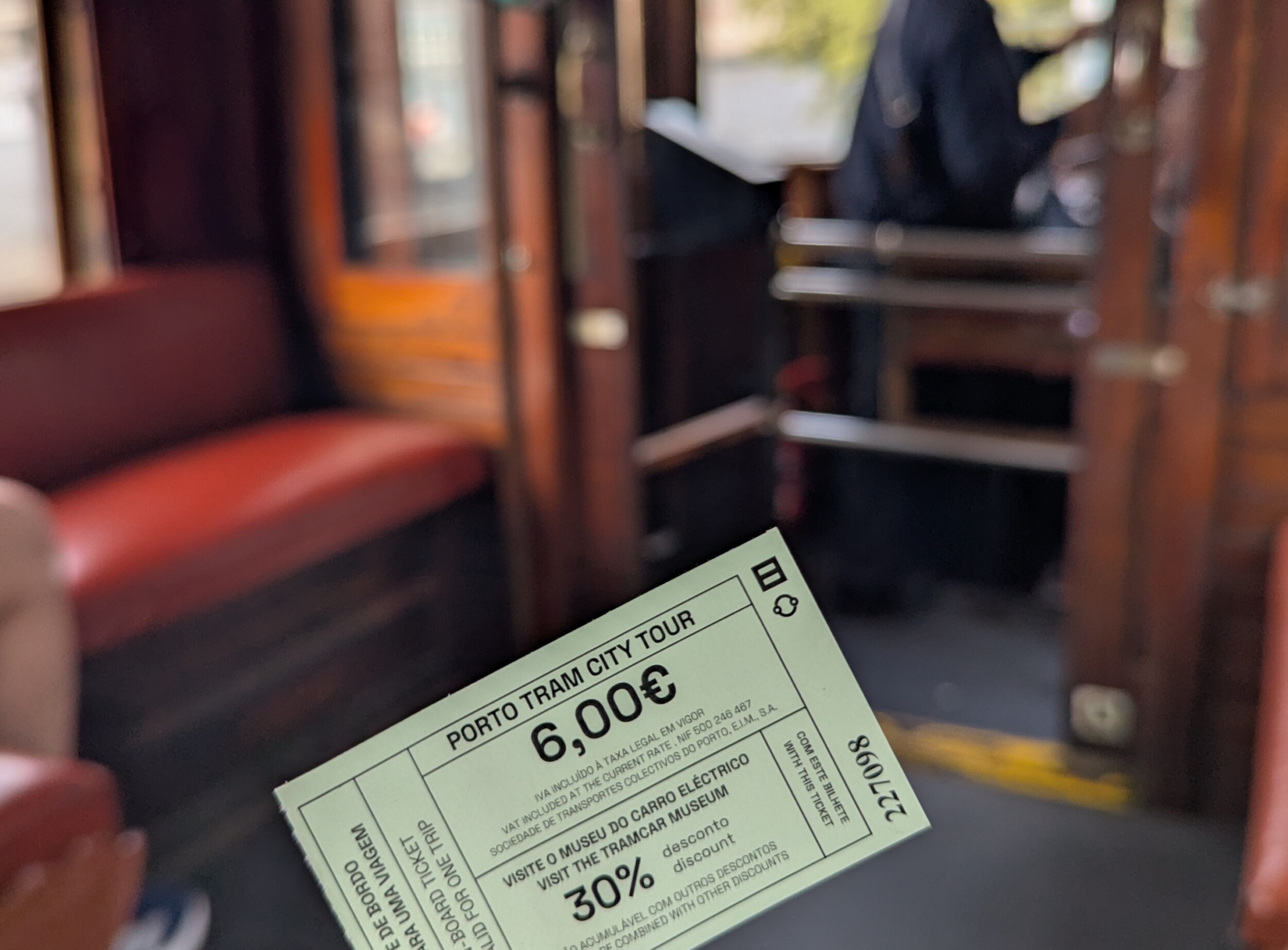
My Camino adventure started in bustling Porto, where I consciously chose the characteristic little tram for the first 5 kilometers to Foz do Douro. Not the most charming choice but a smart one to save energy. I had flown to Porto that night and so had too little sleep.
From Foz, I walked along the beautiful boulevard and wooden boardwalks toward Labruge. It was quite busy because it was the weekend, but that didn’t detract from the excitement of that first day. The sea air and the sound of the Atlantic waves immediately gave me that wonderful Camino Portugués coastal route feeling.
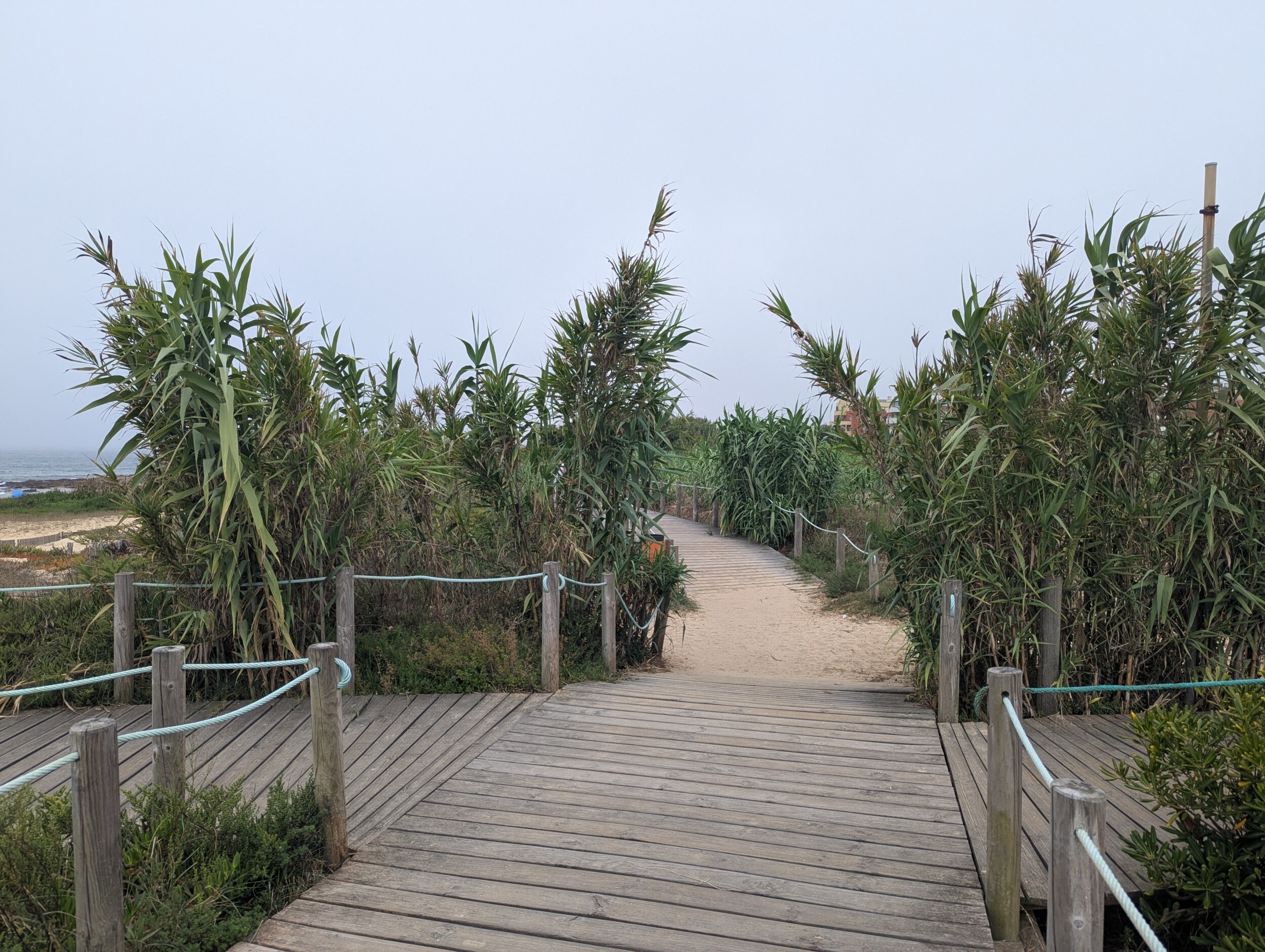
Practical tip: Bring enough water each day, there aren’t facilities everywhere along this coastal route.
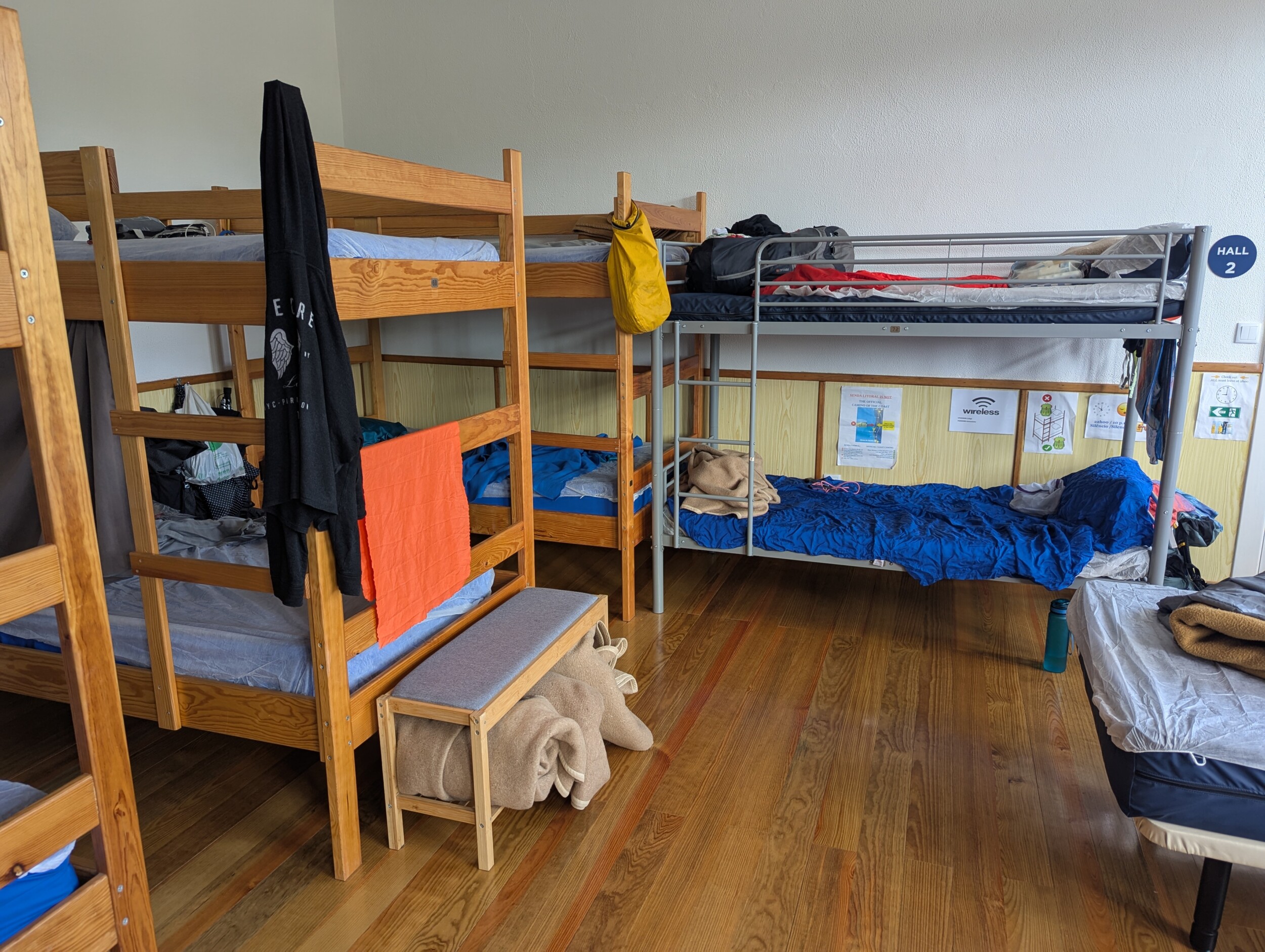
That evening I was back in a dormitory in a hostel especially for pilgrims. The hostel in Labruge is in an old school building and accommodates many pilgrims. I had a great conversation there with Eden, a woman from New Zealand. You always meet people with the same connections – she had been a therapist and now became a life coach because that gave her more energy.
Distance: 5km by tram – 14 km walking
Accommodation: Albergue de Peregrinos Sao Tiago de Labruge (€10)
Stage 2: Labruge to Povoa de Varzim – Encounters and First Aches
The second day was truly special for me. That day I had wonderful encounters and experienced that super happy feeling you get when you’re exactly where you want to be. I hope with all my heart that you recognize that, it’s a wonderful feeling!
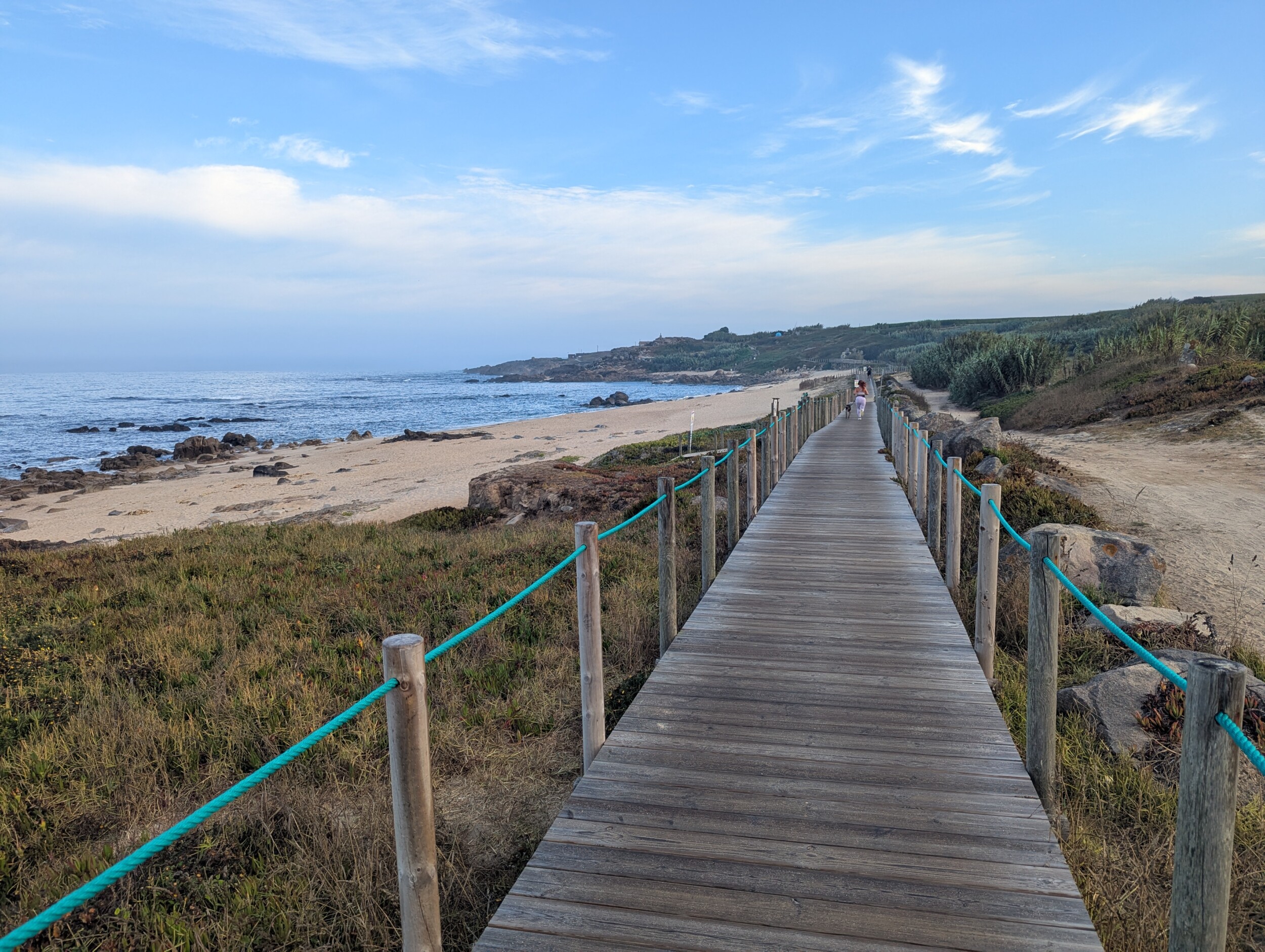
I walked to just past the center of Póvoa de Varzim. This stage was entirely about beautiful encounters along the way. It’s wonderful to notice how the Camino Portugués also brings people from all over the world together.
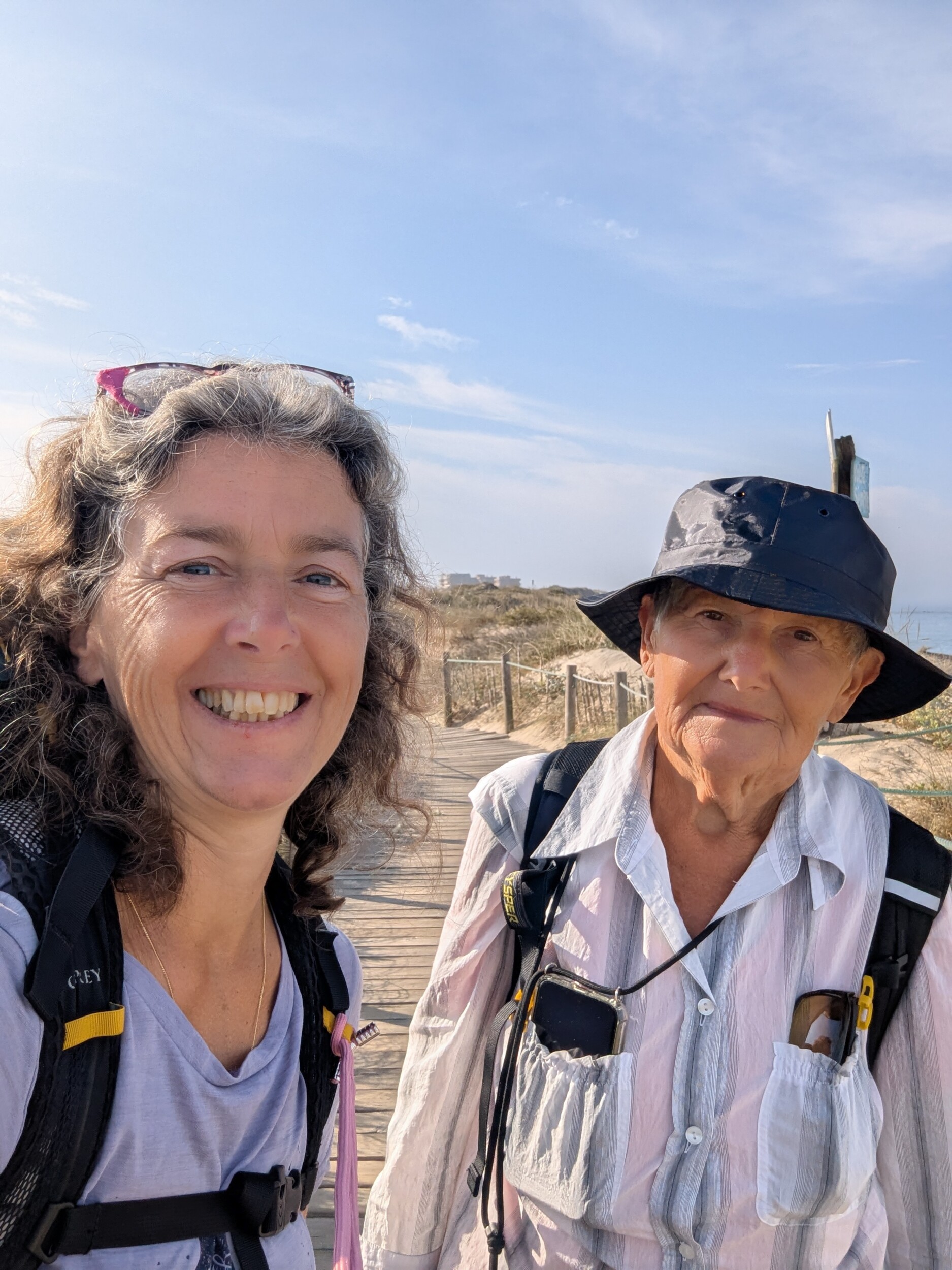
On the way, I spoke to Anna, an 81-year-old Polish woman who spoke excellent English and lived in Germany. She was very enthusiastic and told me about her life and gave me tips. I love that. Meanwhile, I made eye contact twice with Sarah from Germany, and spoke to her a few kilometres later when I was sitting along the route. She had just started, was walking her first Camino and could use some tips from me. So now it was my turn to give tips.
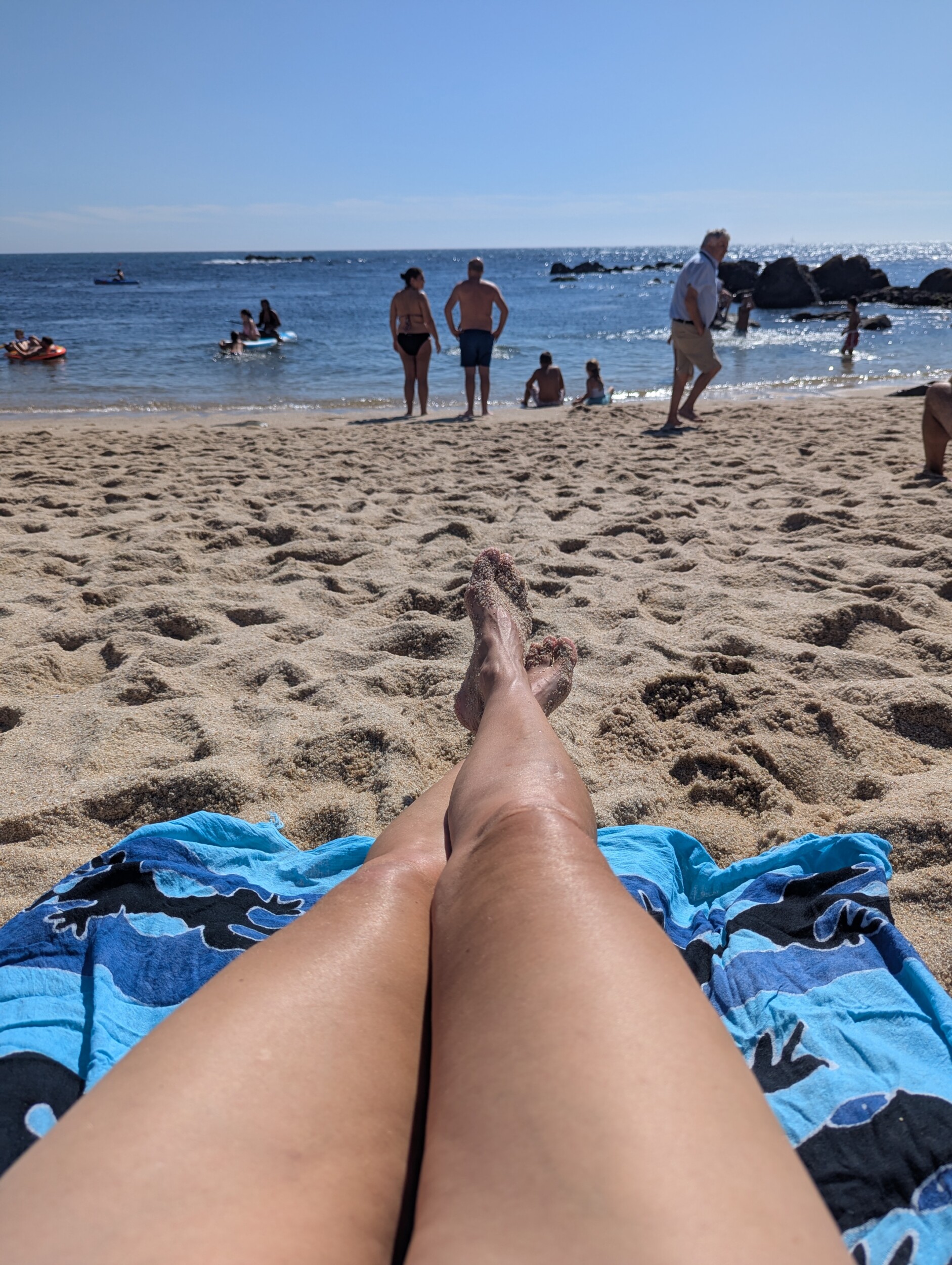
My little toes started to protest though. Really a common phenomenon that many pilgrims/walkers experience in the first days. Casa Fragosa in Mar proved to be an absolute gem of a hostel. After arrival, I lay on the beach for a while and could look back on what had really become a wonderful day.
Accommodation tip: Casa Fragosa in Povoa de Varzim offers excellent service and the perfect location for a relaxing beach walk after your stage.
Distance: 16 km
Accommodation: Casa Fragosa (€26.50)
Stage 3: Povoa de Varzim to Mar – From Coast to Inland
For my third day, I consciously chose the original inland coastal route instead of the coast variant. In Labruge I was warned that there was less shade and poor signage on the coastal route and that it would be a challenge to keep walking there. I had also noticed that in April ’25 when I walked there.
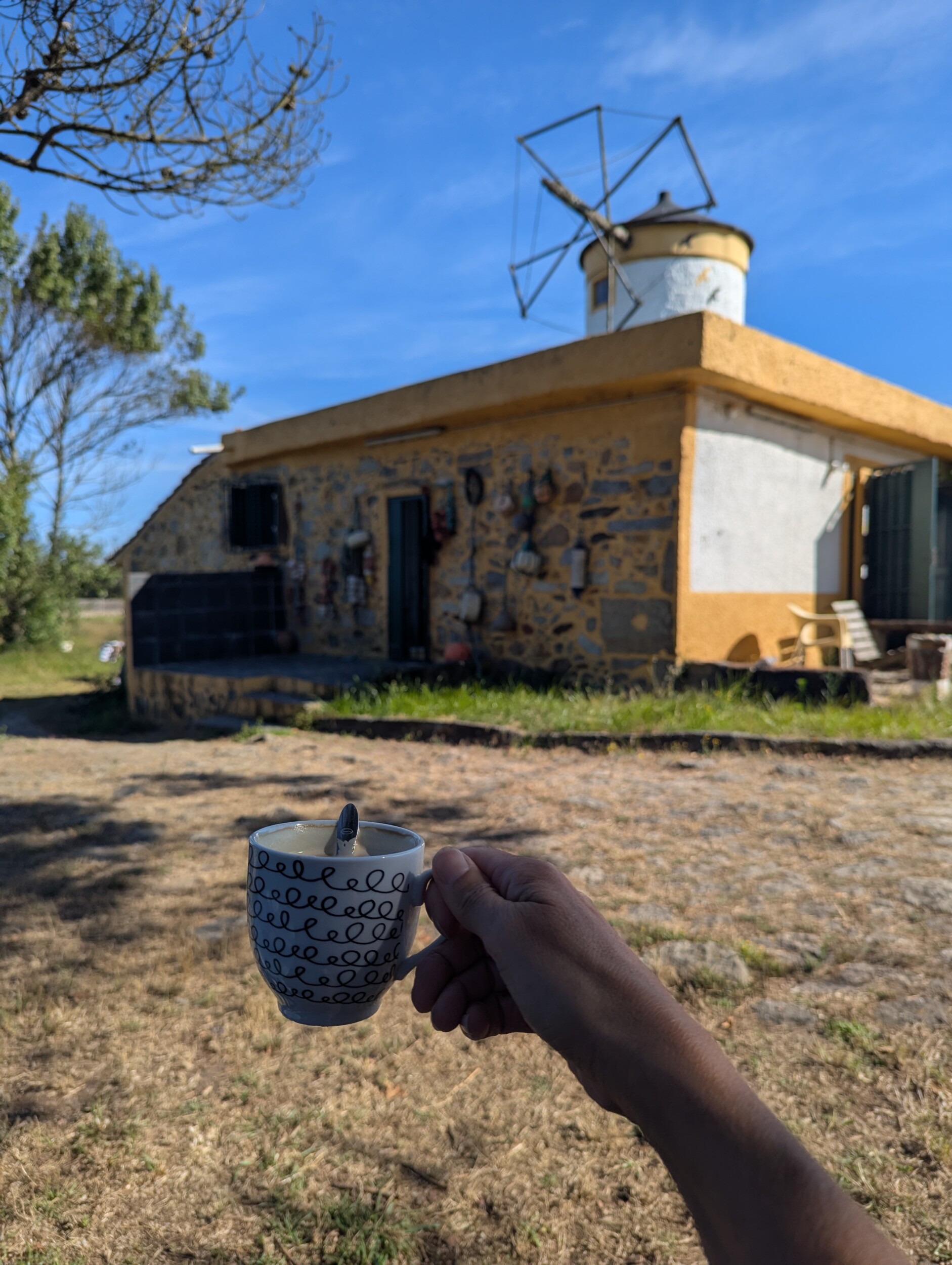
And how glad I was that I chose this route this time! The path led me inland, past a golf course where I enjoyed coffee at a traditional mill. At the town of Apulia (where I stayed overnight in April ’25), the church was a welcome stop for restrooms, always important along the Camino Portugués.
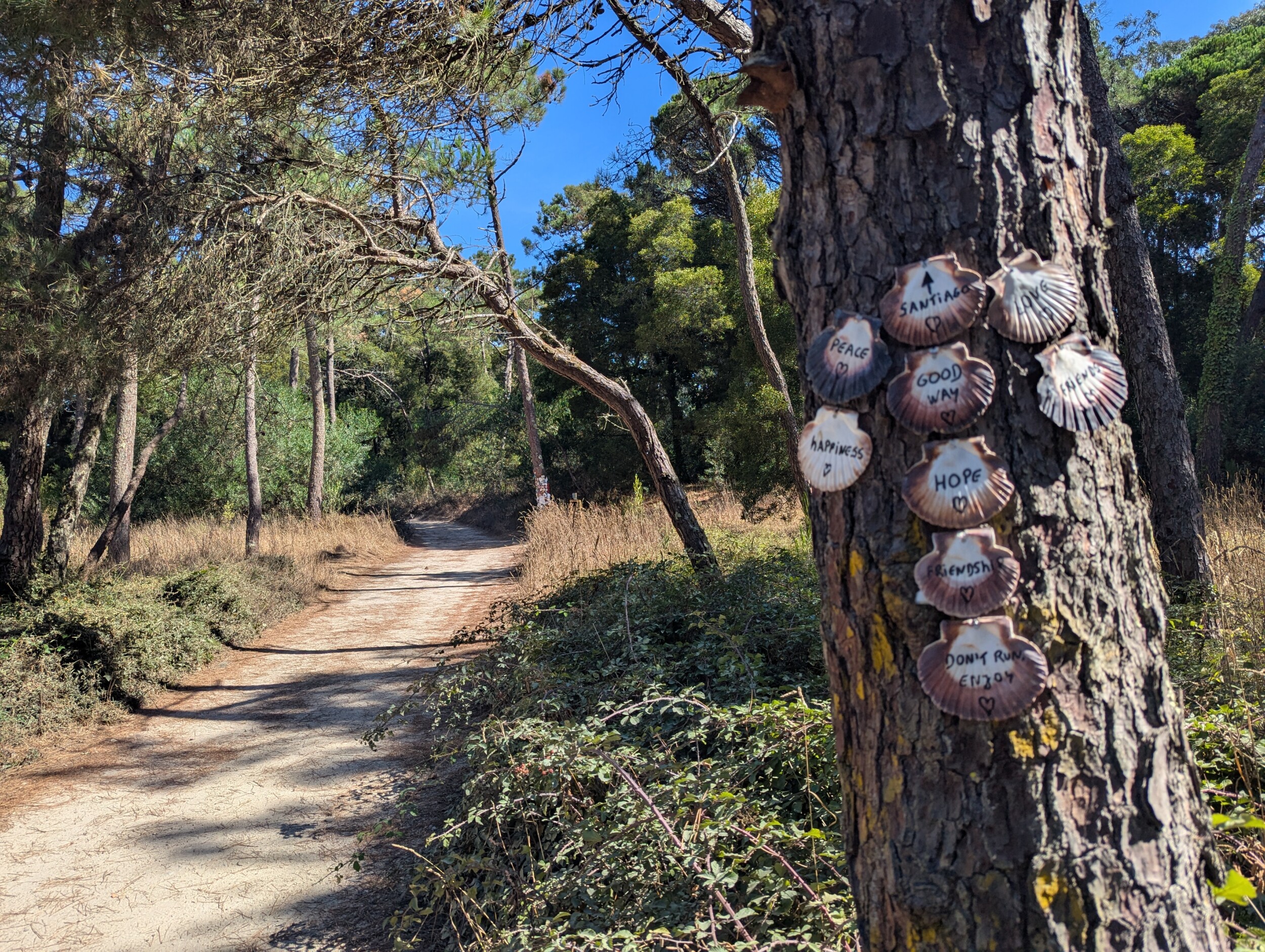
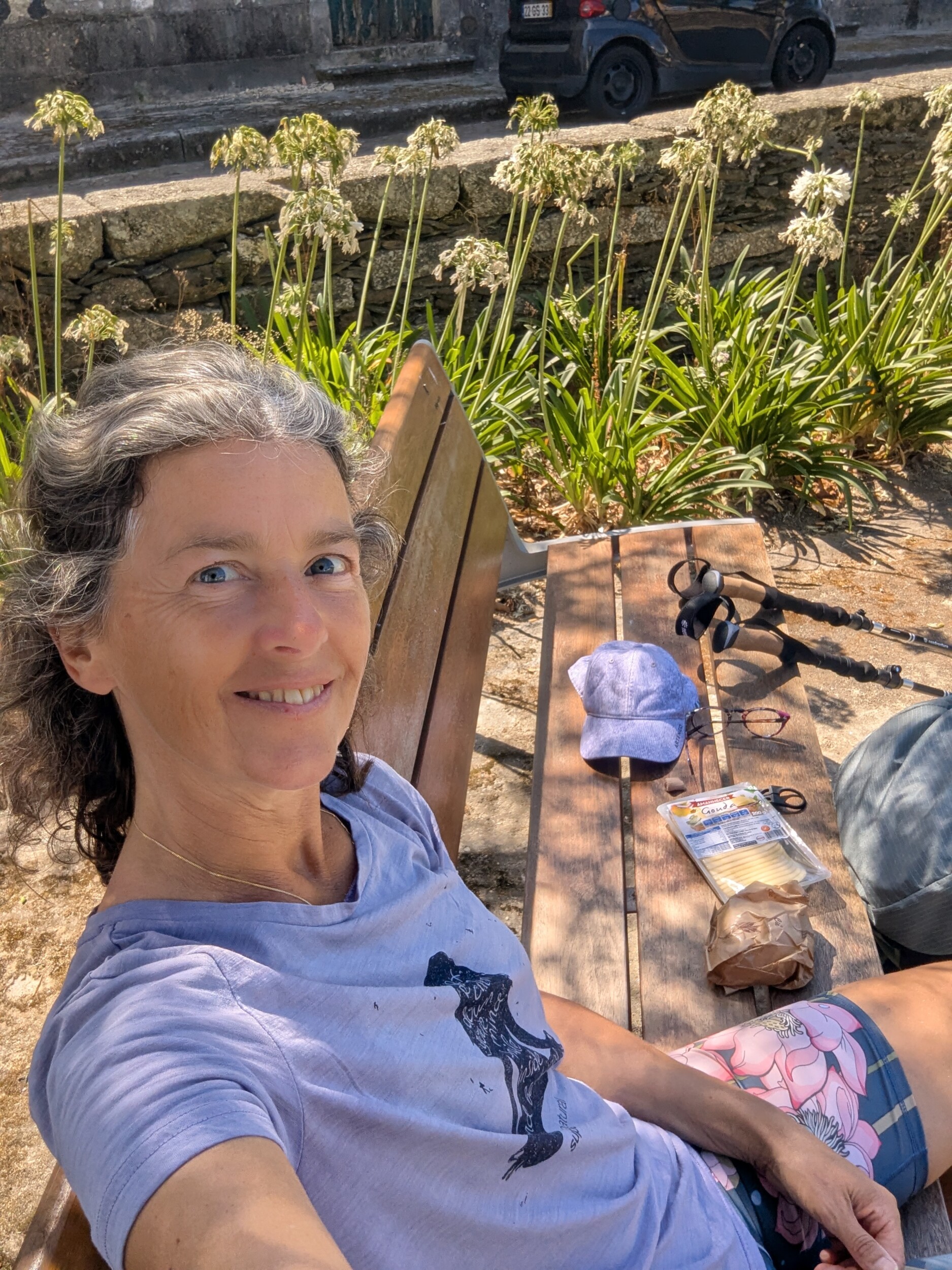
After Apulia, I walked through a beautiful forest and in Fao I took a break in a park by a church. I had bread and toppings and ate it while wonderfully enjoying the journey. Shoes off, nice in the shade, taking my time. When I walked through Fao, it turned out to be a really nice, atmospheric village.
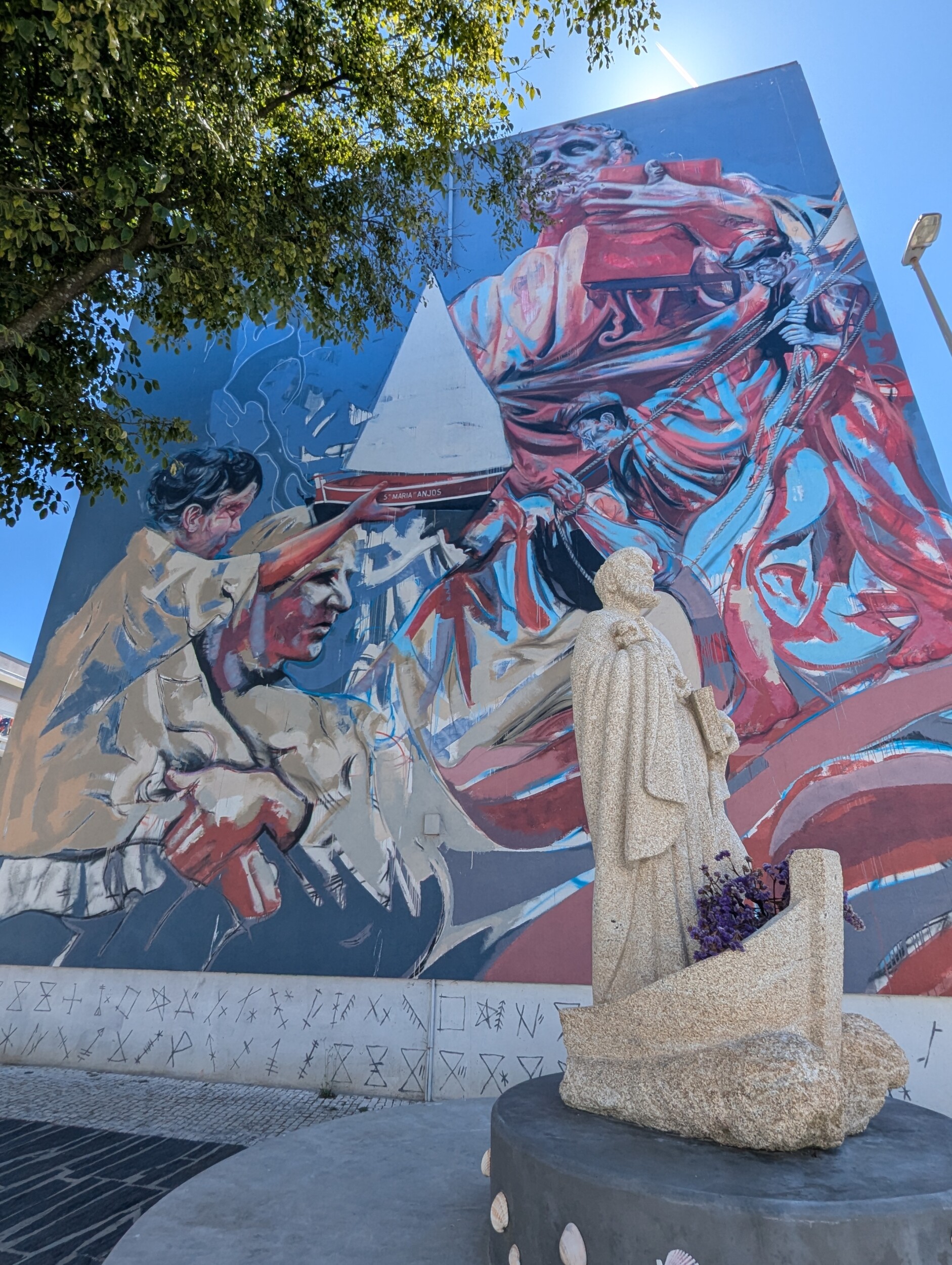
After this, I crossed the bridge over the Rio Cavado and went toward the town of Esposende where I looked in a church, admired the street art and bought a Coca Cola. Then I walked via Marinhas to go inland from there toward Mar.
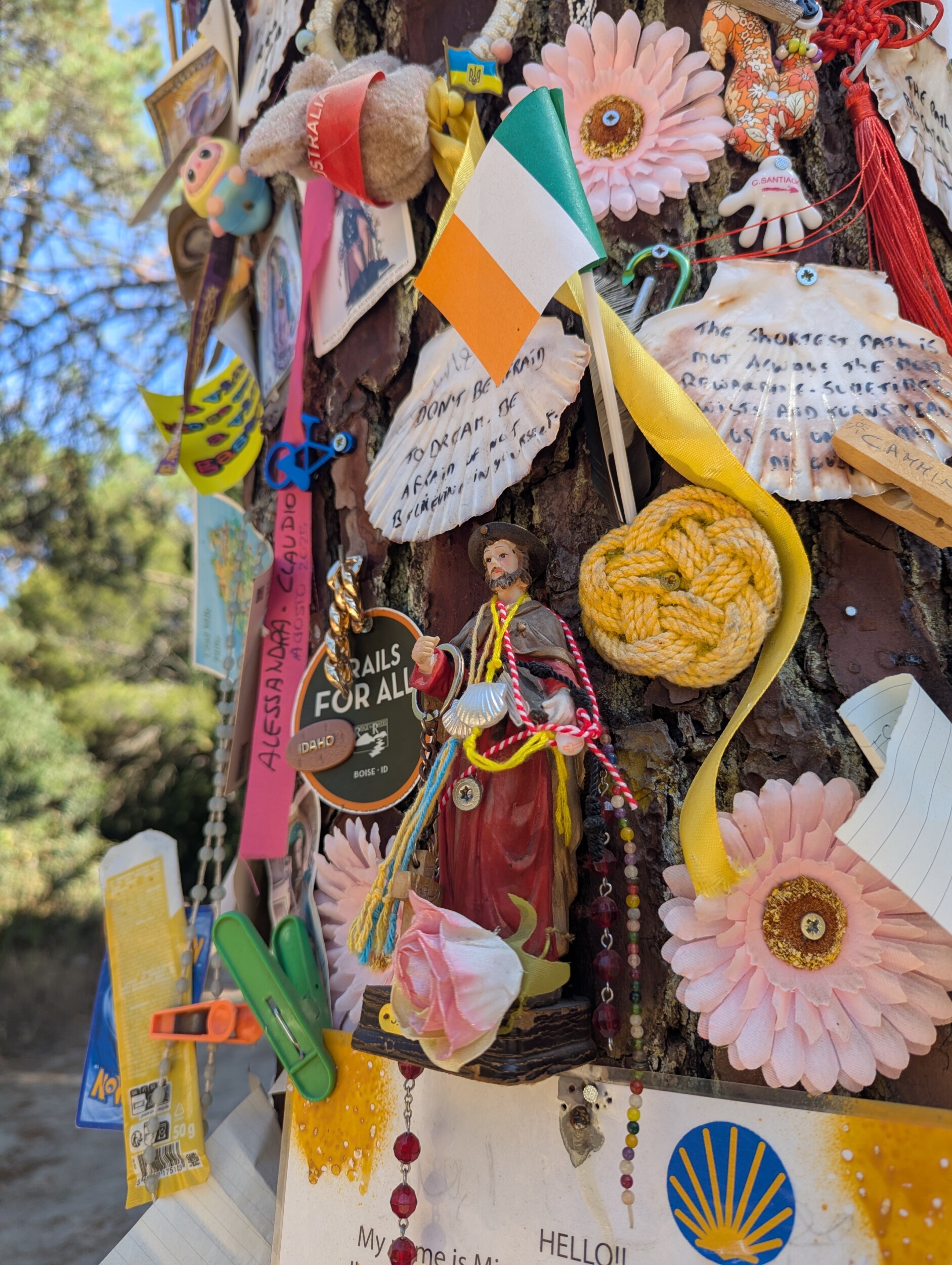
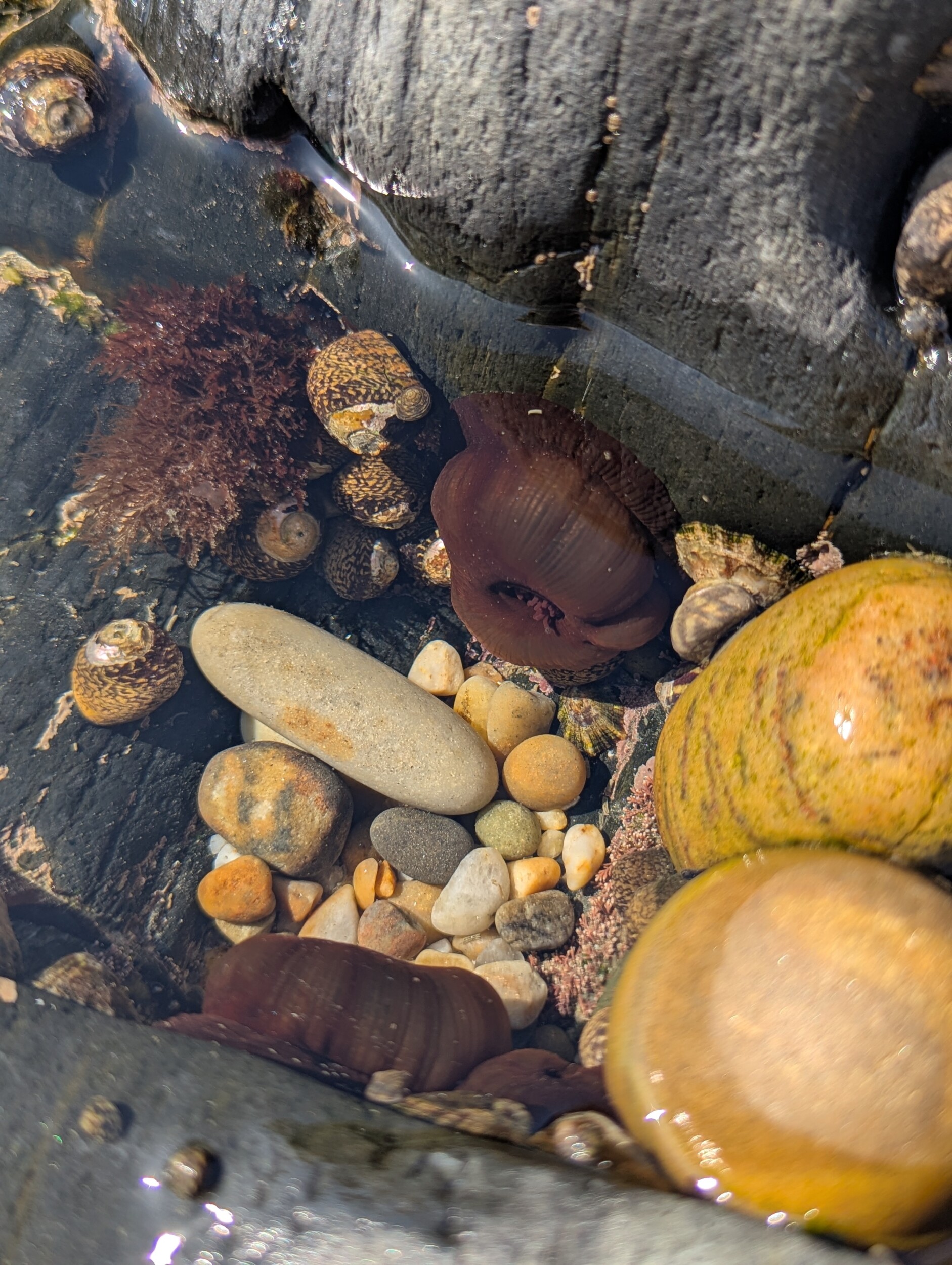
My accommodation was at Mare de Passos in Mar, just past Marinhas. There I could borrow a bike for a short excursion to the coast. That investment paid off, I walked across the stone beach and discovered beautiful anemones among the rocks in the crystal-clear water. It was wonderful to get some fresh air at the coast.
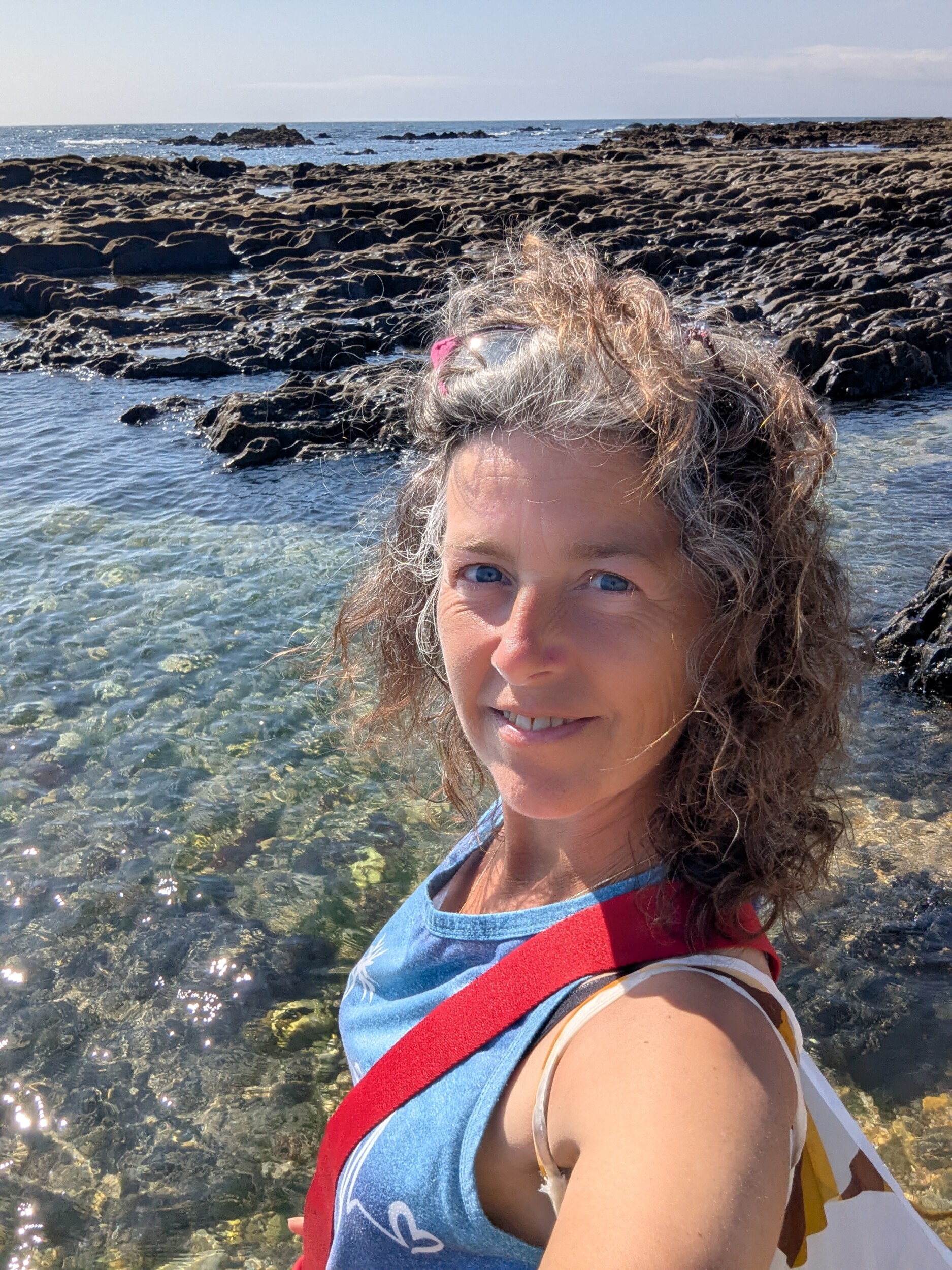
That evening I discovered that I had left my pajamas and extra socks in Casa Fragosa. Fortunately, they offer a fantastic service via Top Santiago, my things could be transported to Viana do Castelo. This luggage transport service costs only €4 per stage (€8 for rides over 25km) and for that money I just got my stuff back!
Distance: 20 km
Accommodation: Mare de Passos – Tide of Steps (€22)
Stage 4: Mar to Viana do Castelo – My Favorite Day
The fourth day became my absolute favorite. The Camino Portugués led me through magnificent eucalyptus forests over challenging paths with real climbs, breathtaking panoramas, and technical descents. This beautiful section lies exactly on the border between the Braga and Viana do Castelo districts.
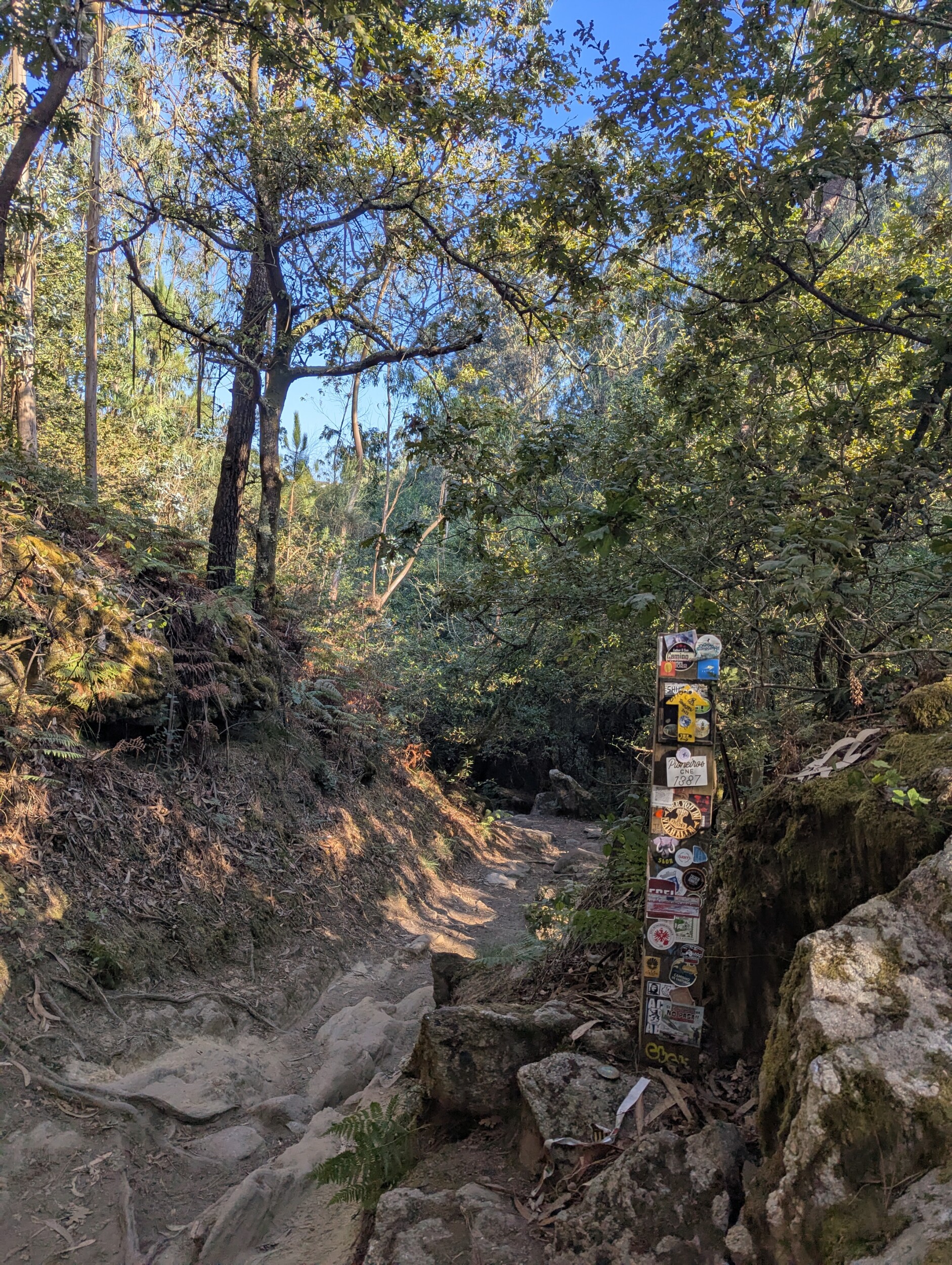
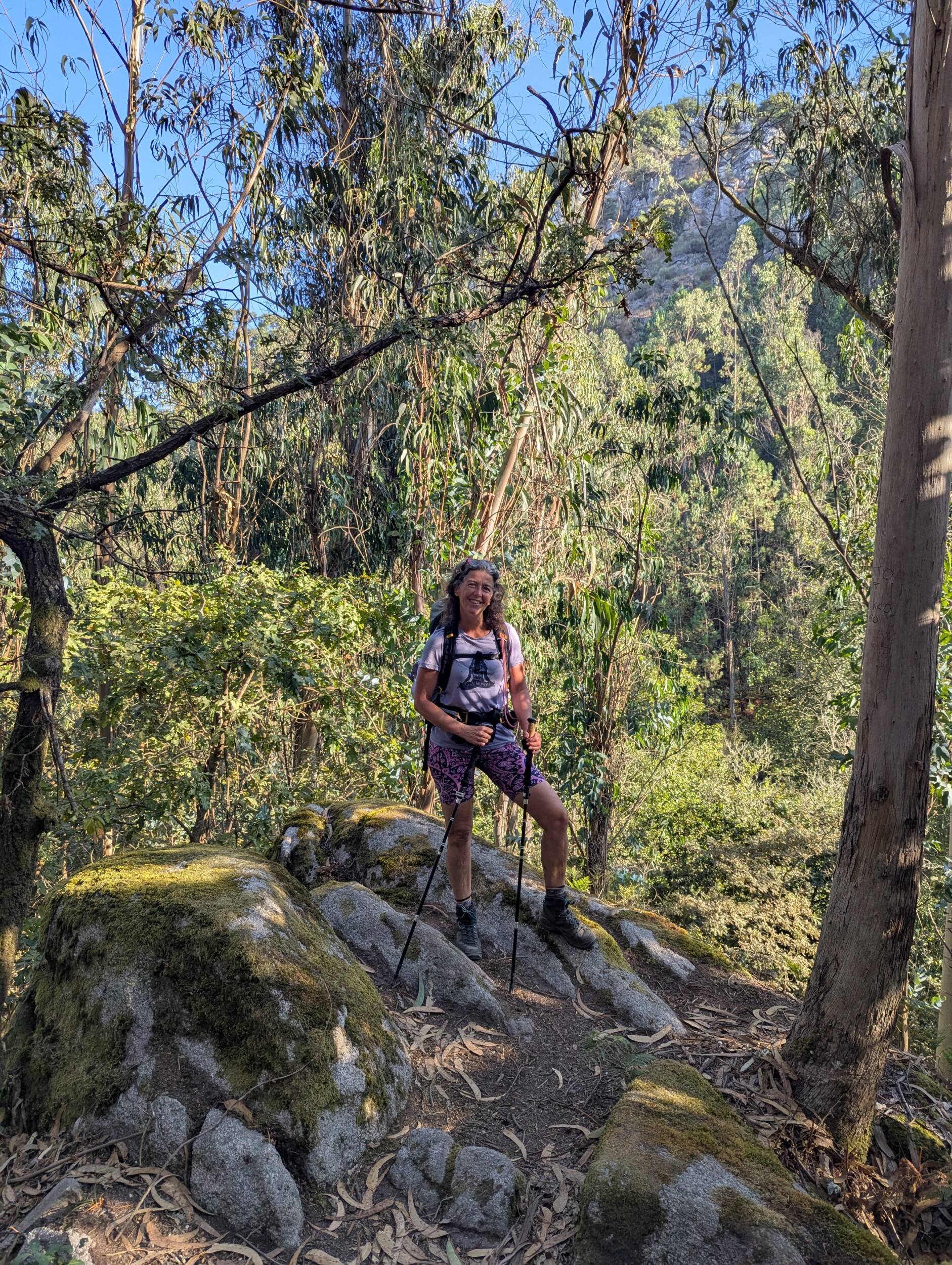
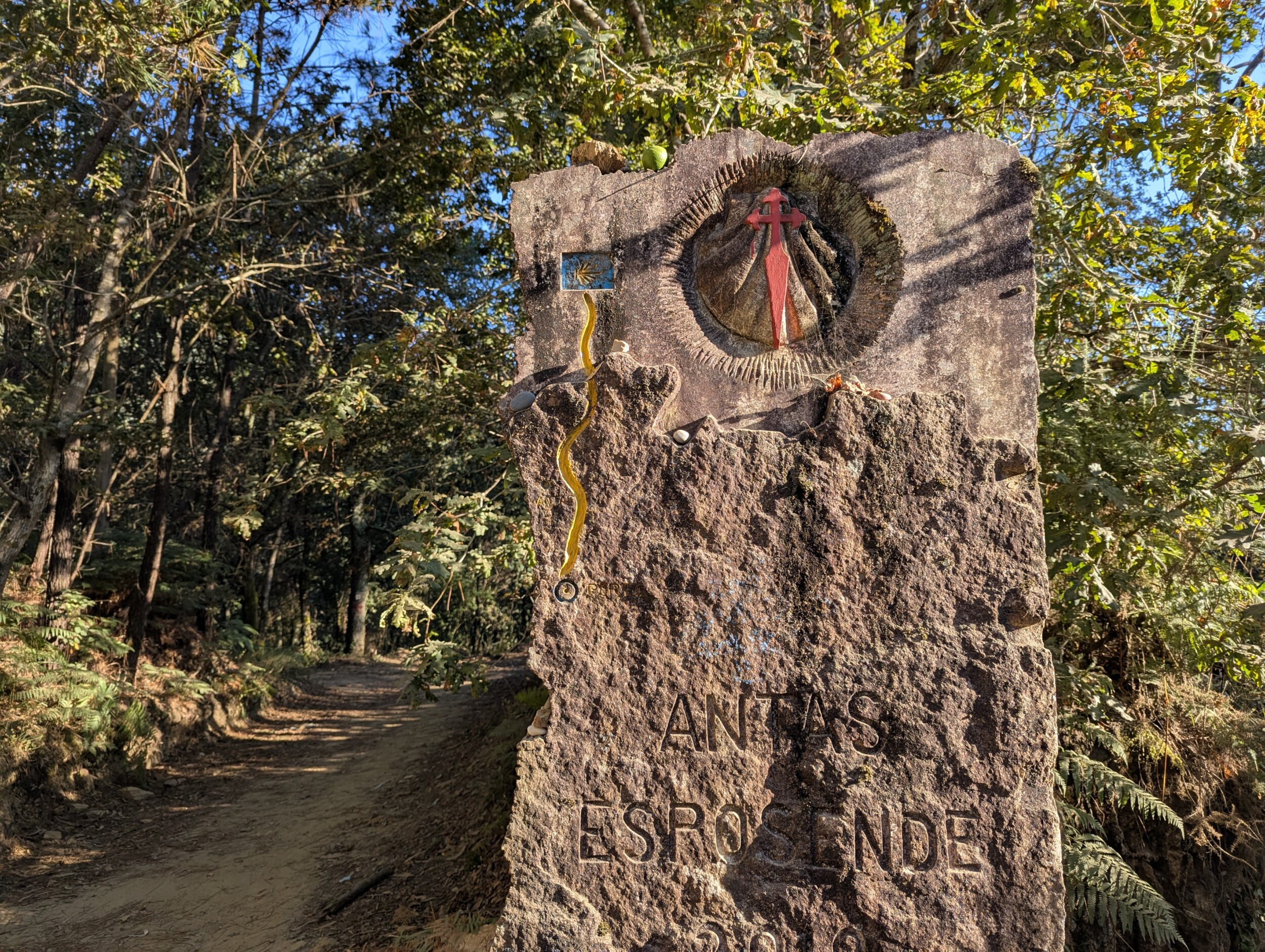
Along the way, I visited the Igreja de Santiago de Castelo de Neiva, a church where you find both restrooms and the possibility for breakfast. After this stop, the route dove back into the forest to an amazing donativo spot where pilgrims can get everything on a voluntary donation basis: coffee, cookies, fruit.
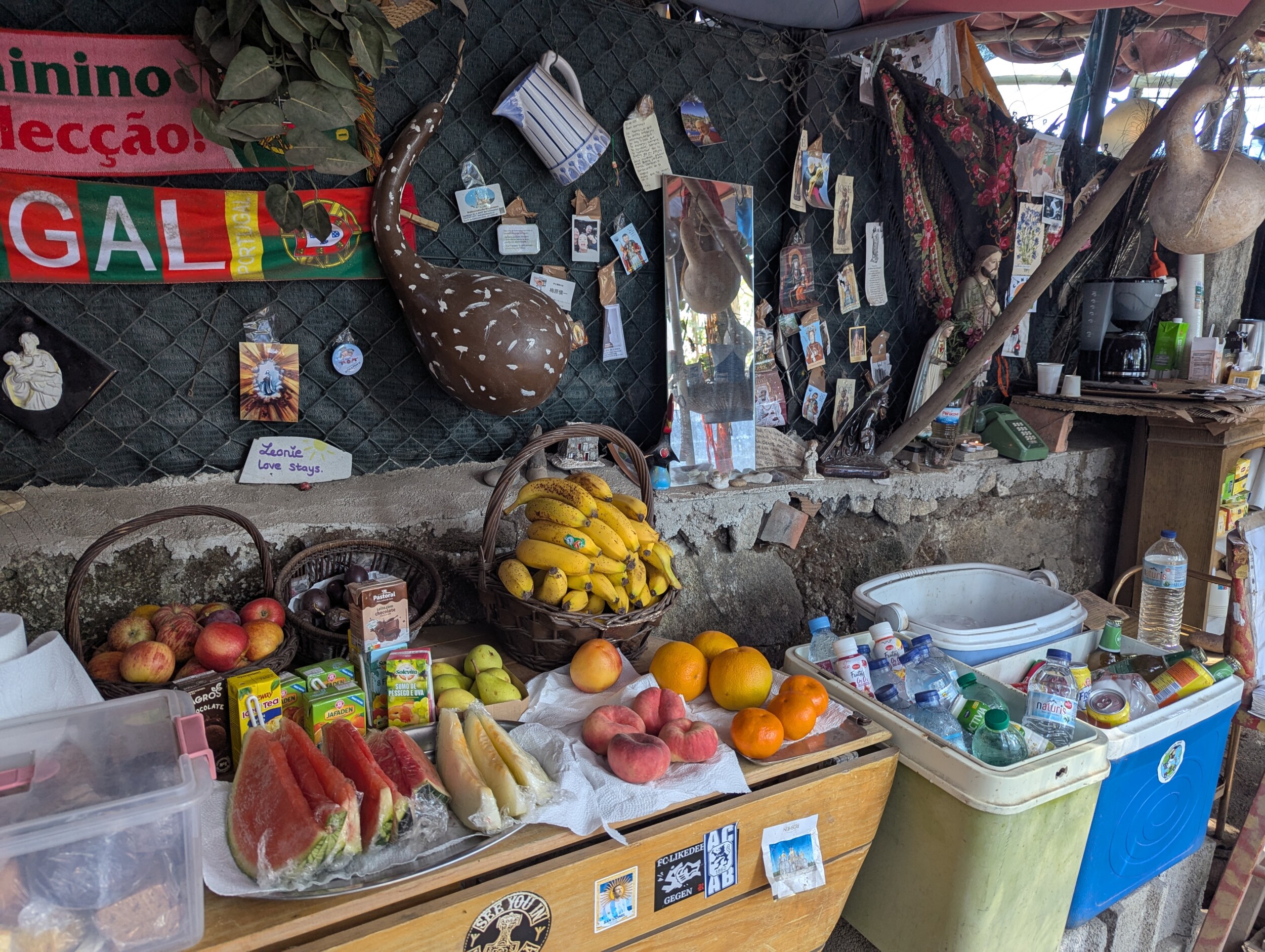
The route took me through various picturesque villages: Neiva, Chafe, and Anha. I paused along the way for a banana but consciously avoided terraces, I wanted to get to Viana!
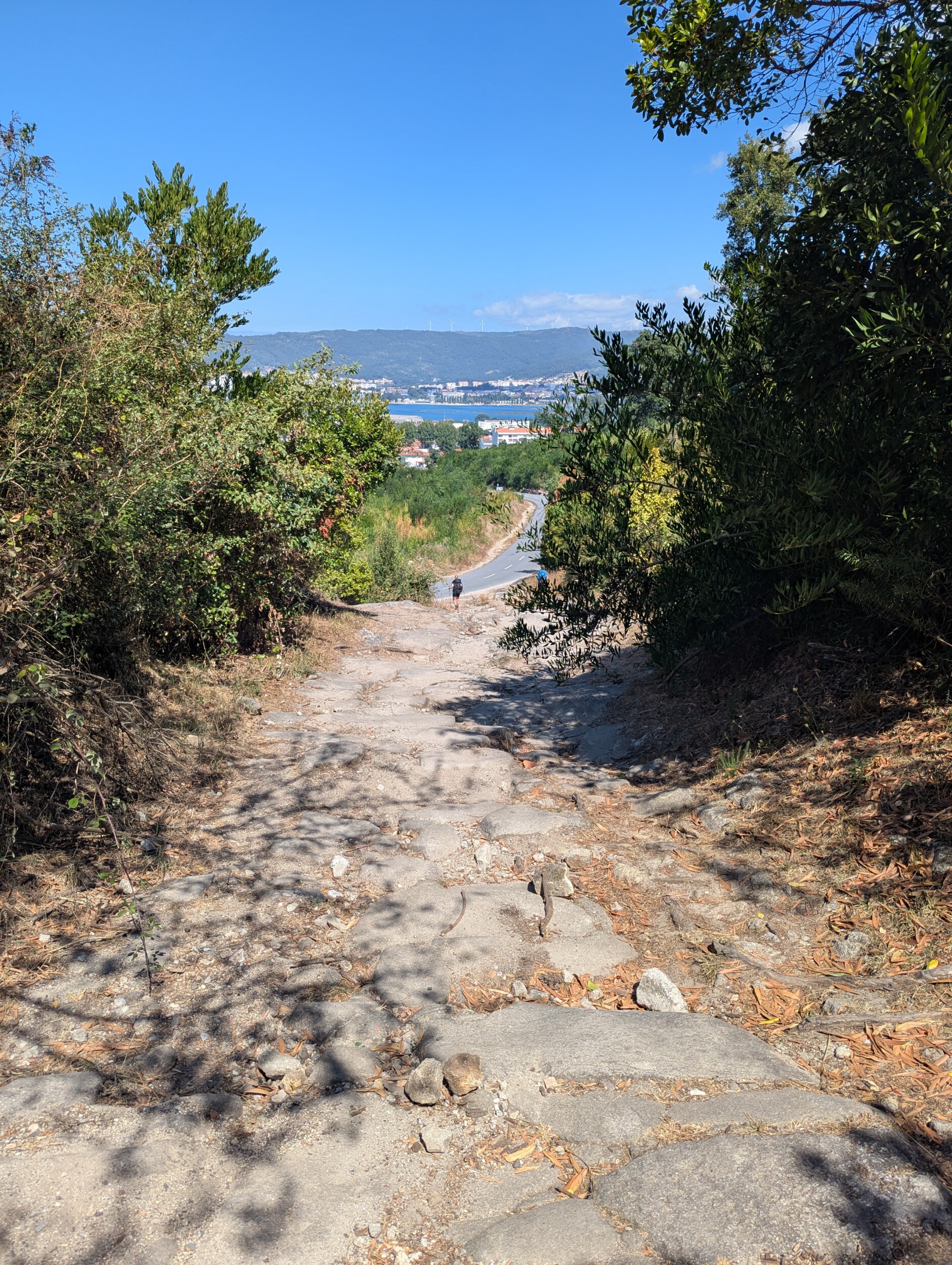
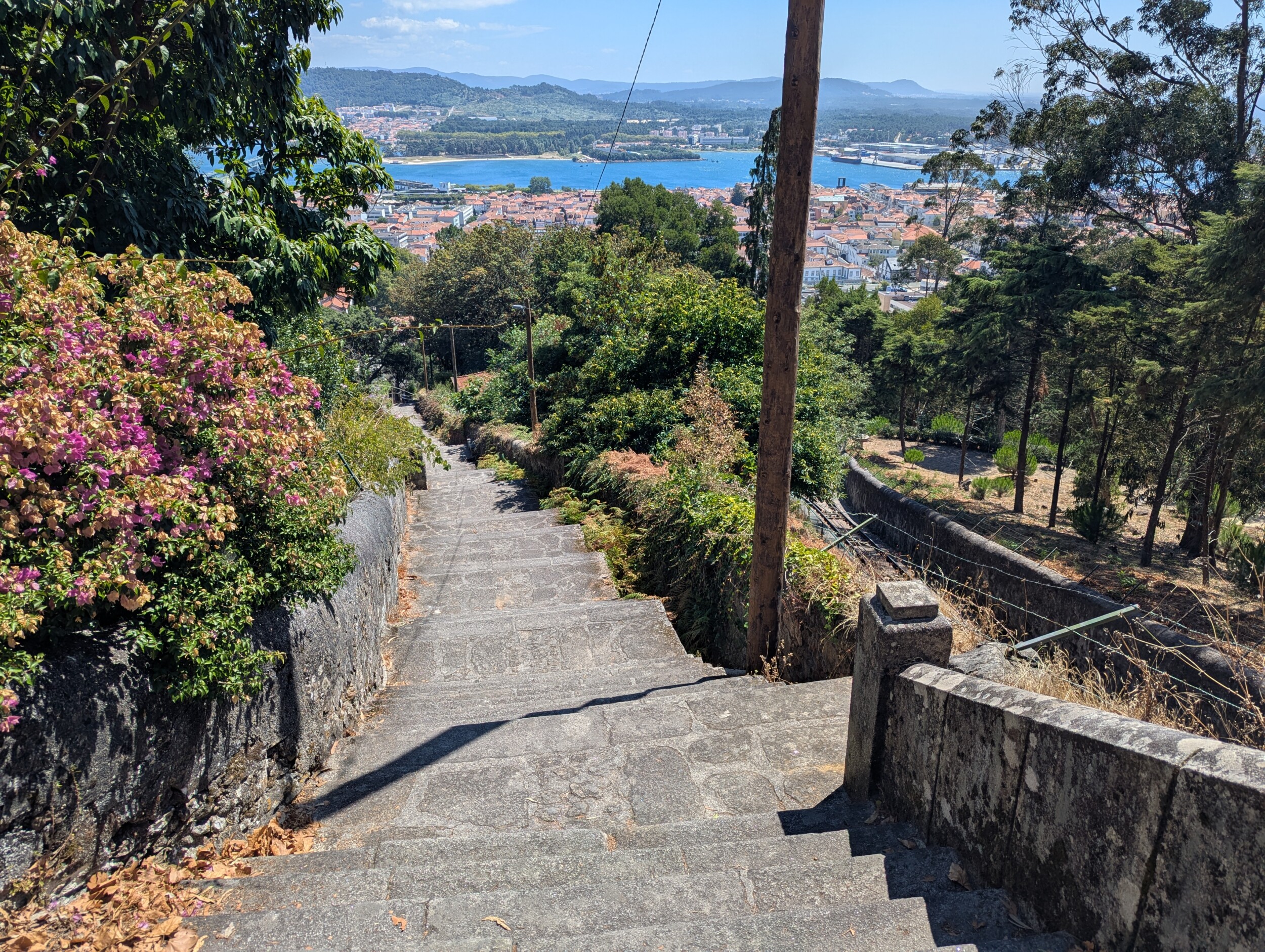
Before entering Viana do Castelo, you’re ‘rewarded’ with a steep descent. The cathedral on the other side of the Rio Lima comes into view quickly, but appearances are deceiving, it takes a while before you reach the bridge, which then also turns out to be half a kilometer long!
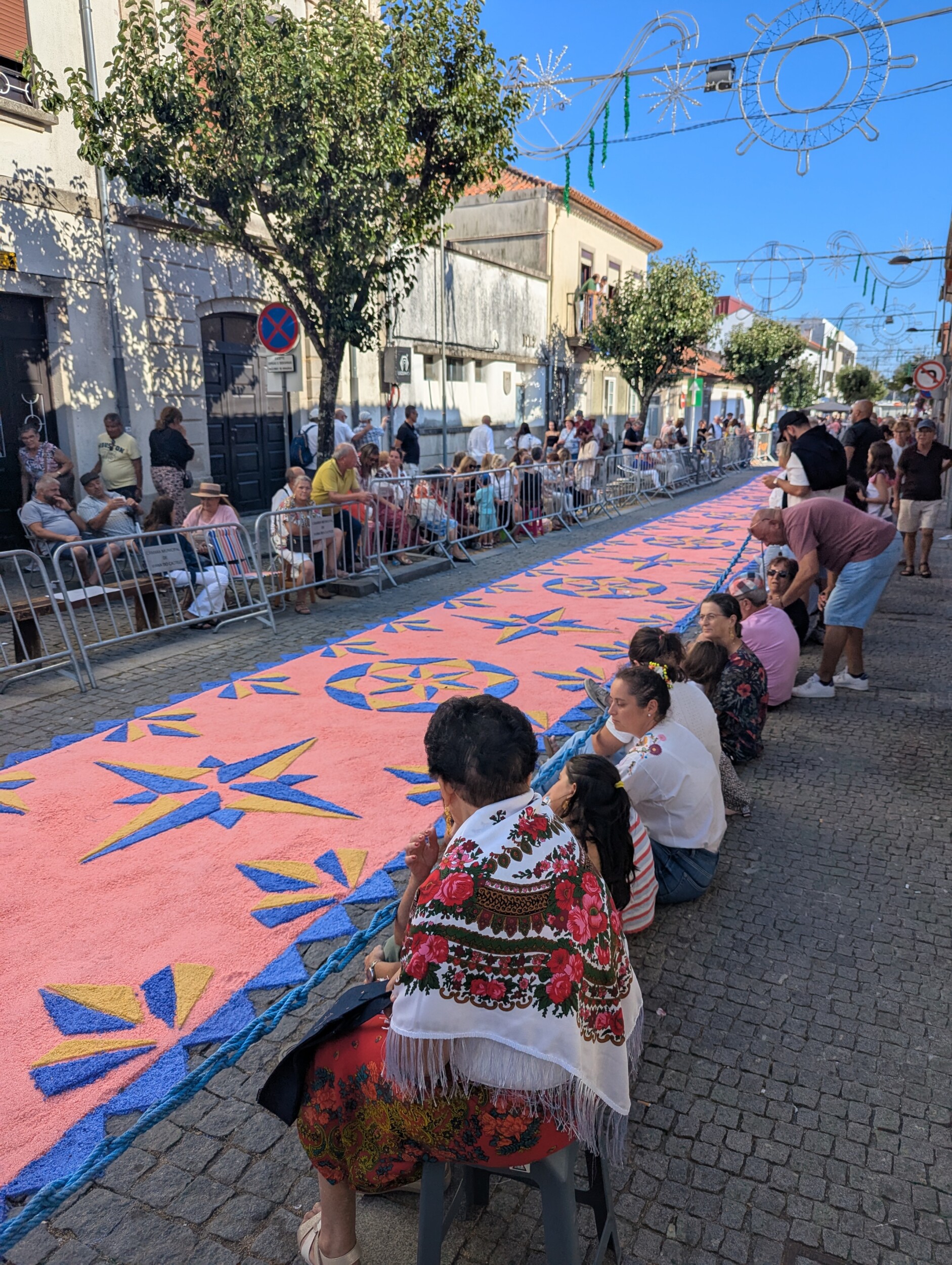
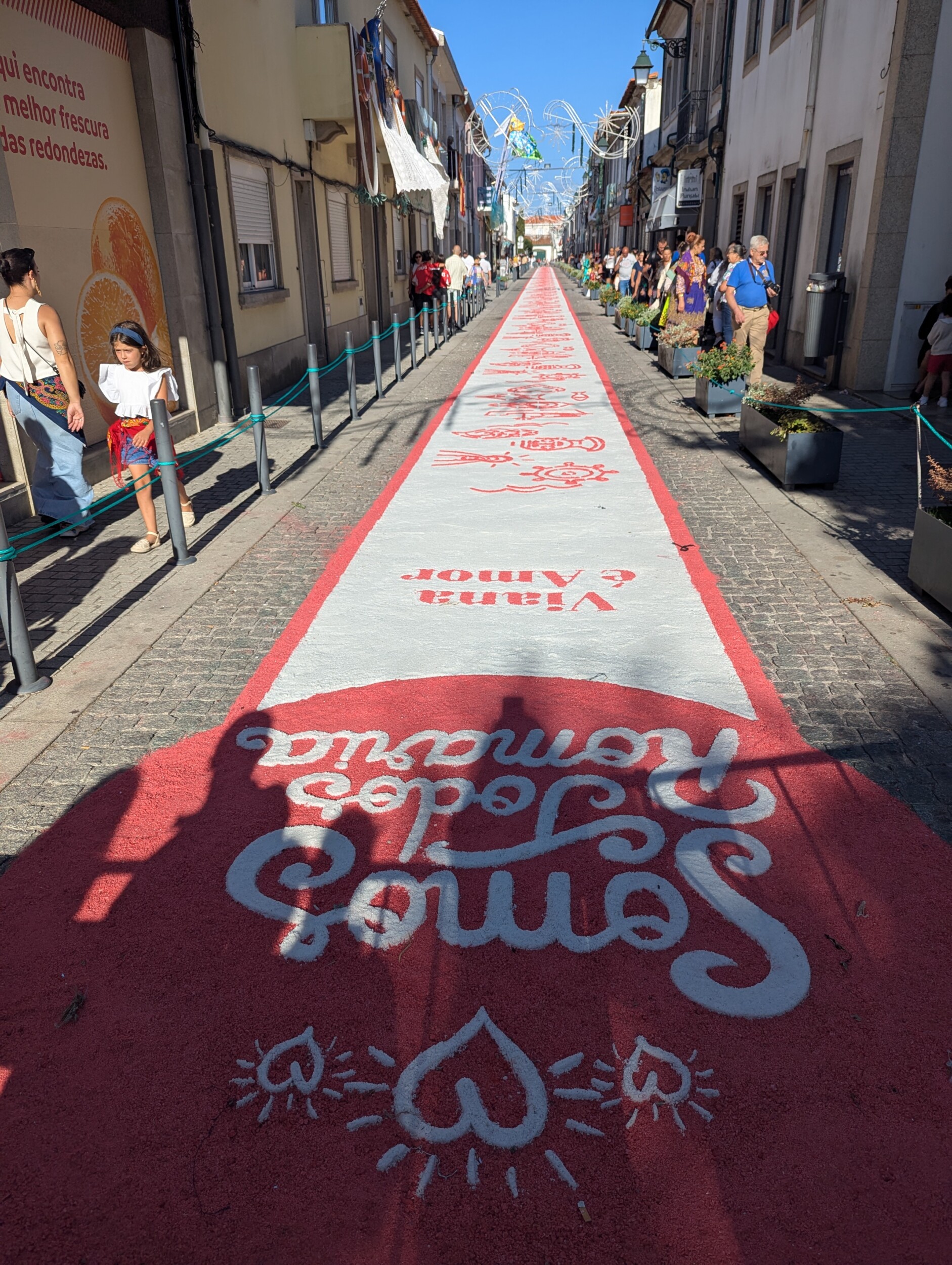
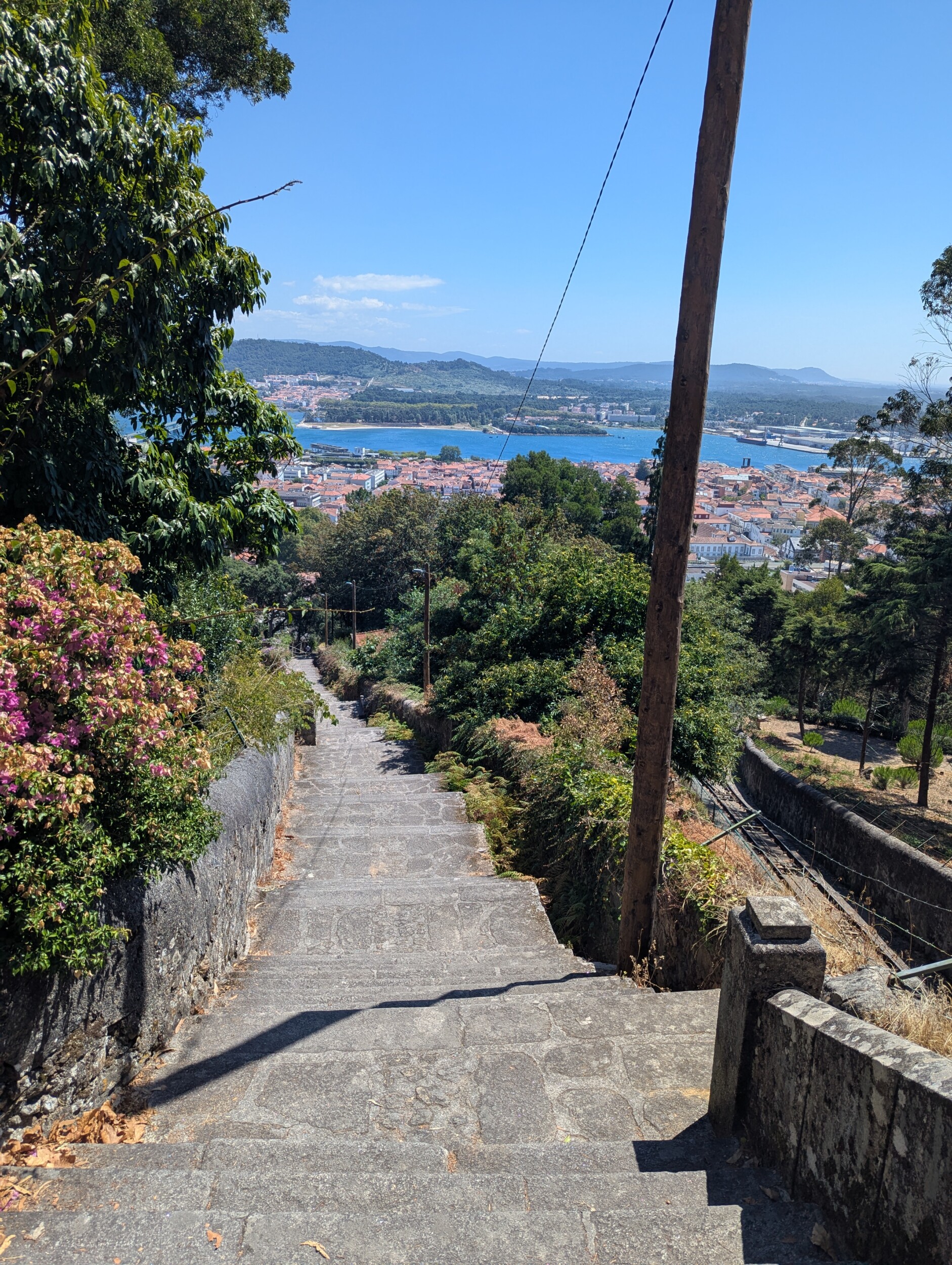
In Viana, the annual city festival happened to be taking place (Festas da Agonia – Romaria de Nossa Senhora da Agonia), what an amazing atmosphere! After a supermarket visit, I climbed via the stairs to the top, to my hostel by the cathedral. The view back over the city was spectacular.
Distance: 19.5 km
Accommodation: Albergue de Santa Luzia – Peregrinos de Santiago (€44)
Stage 5: Viana do Castelo to Vila Praia de Âncora – Luxury and Relaxation
From Viana, I followed the route via Arcos do Fincão downward and rejoined the main route of the Camino Portugués. The path wound through various charming places with welcome stops in parks and at churches.
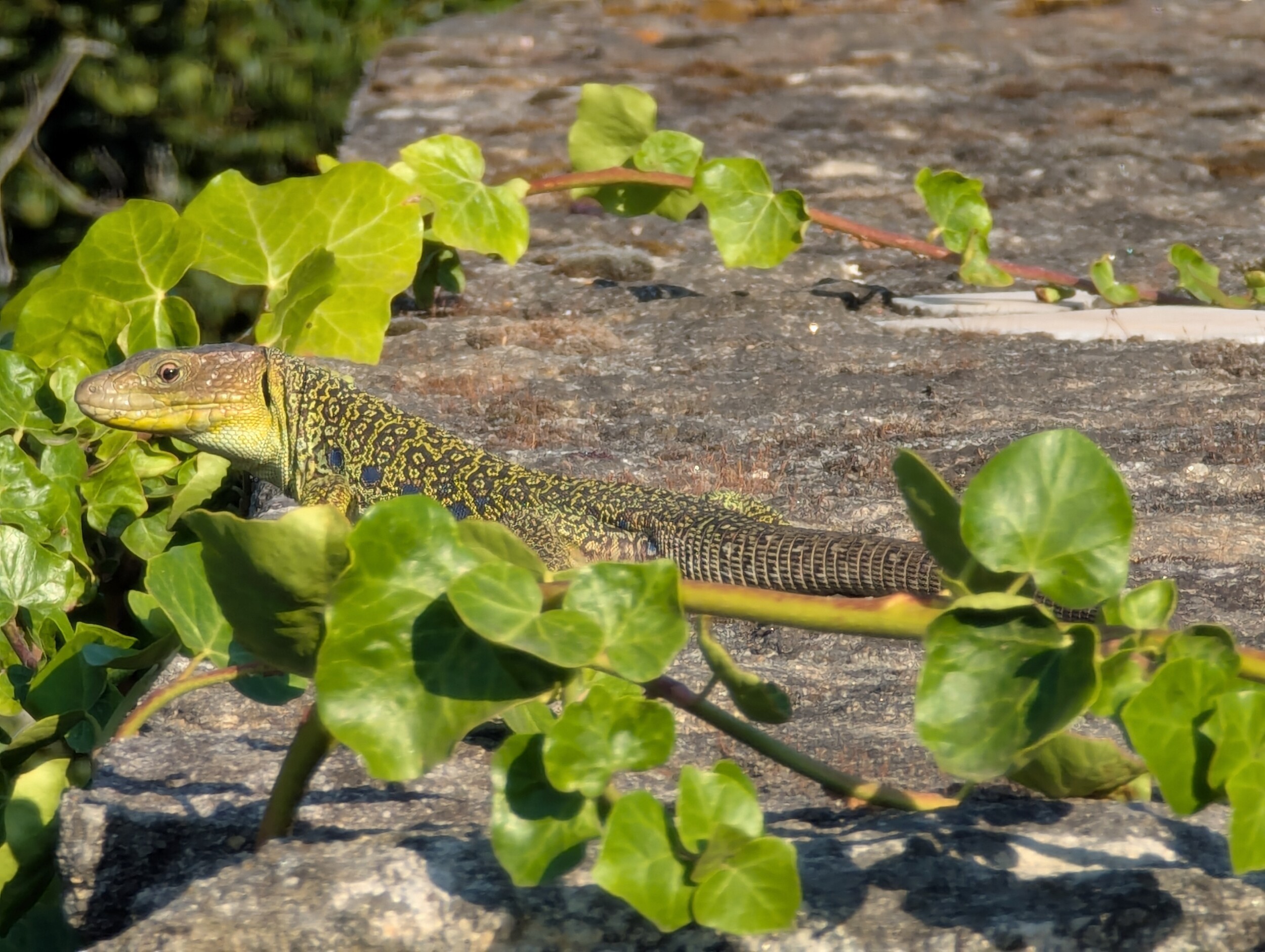
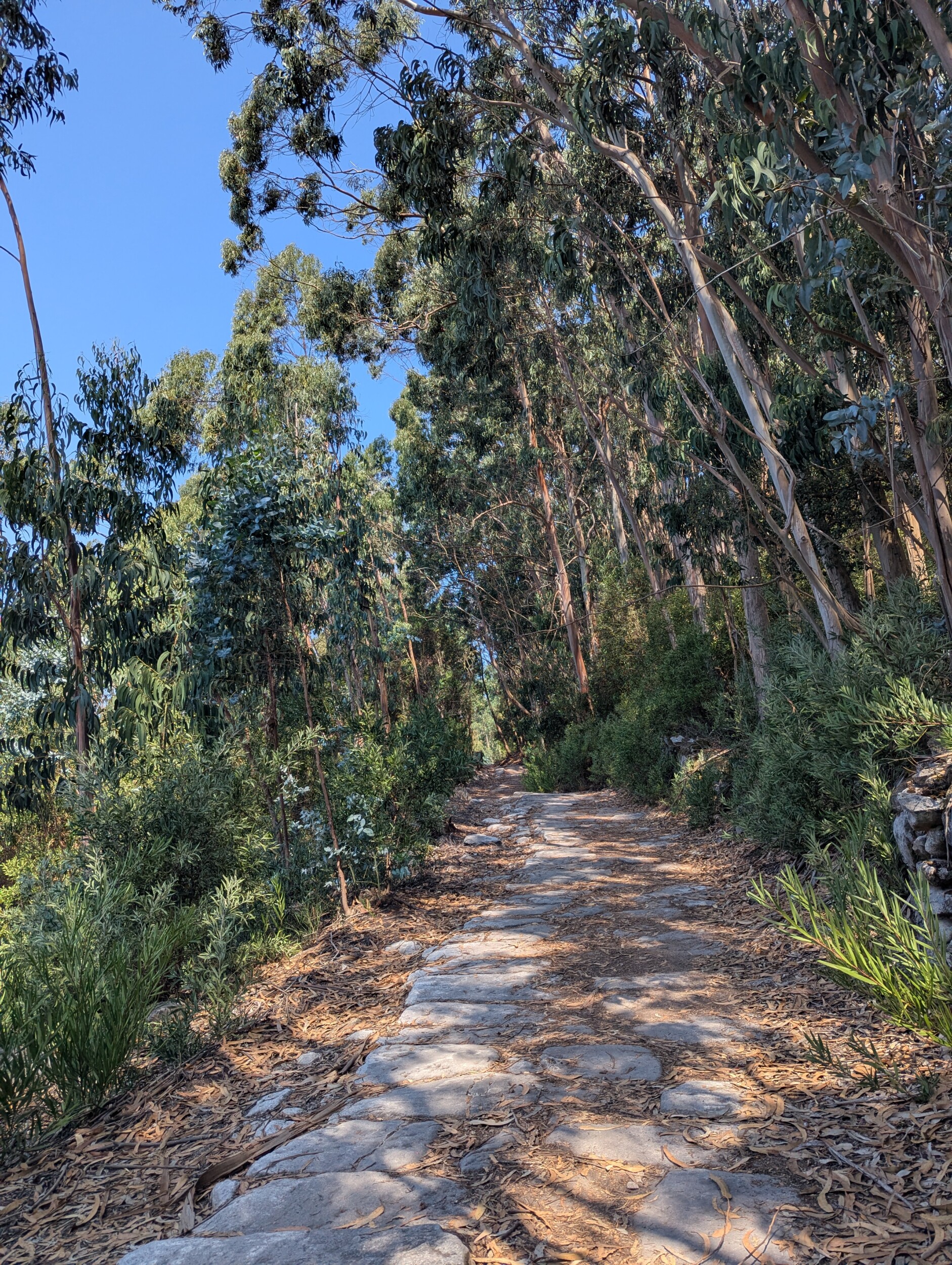
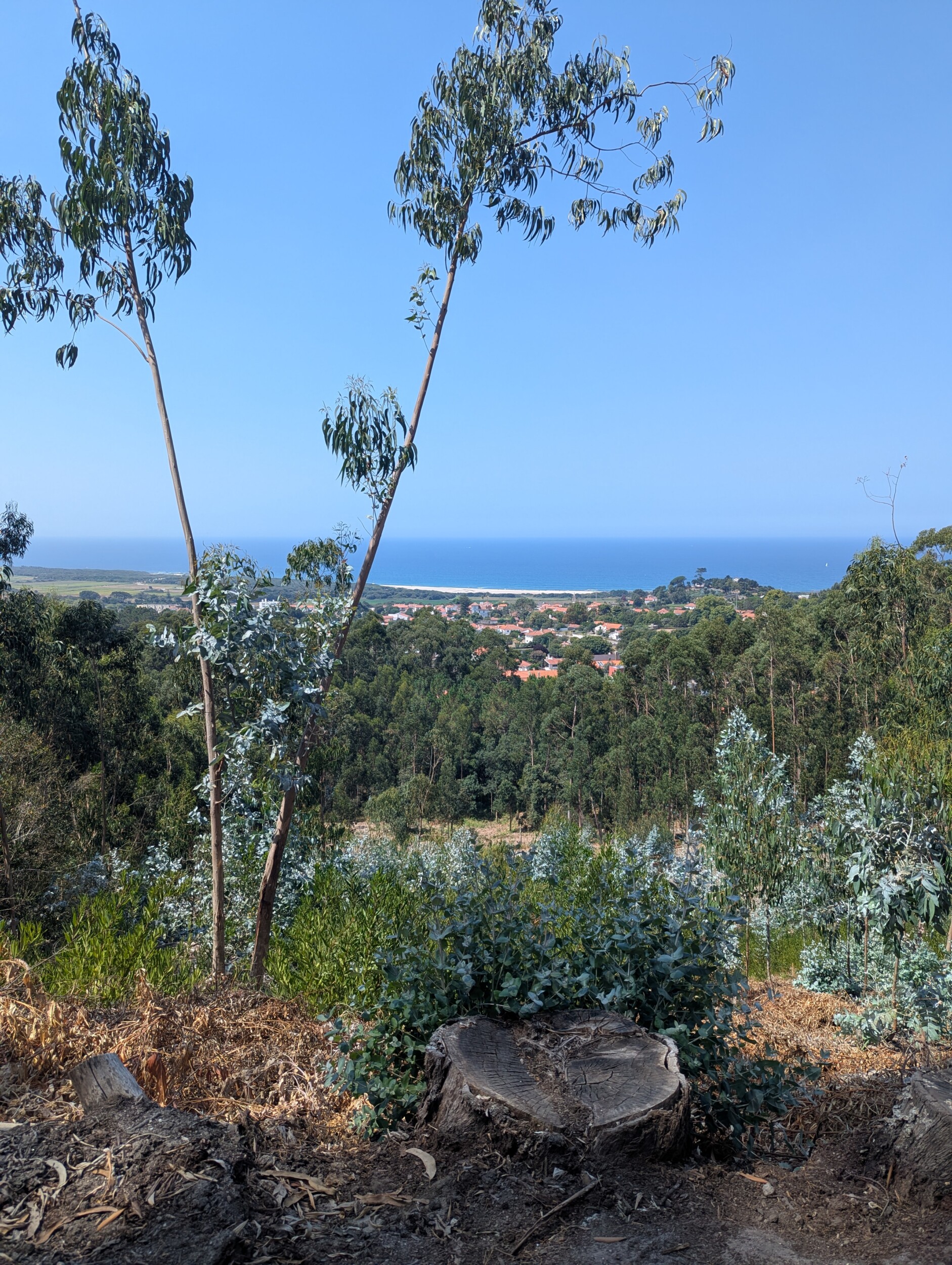
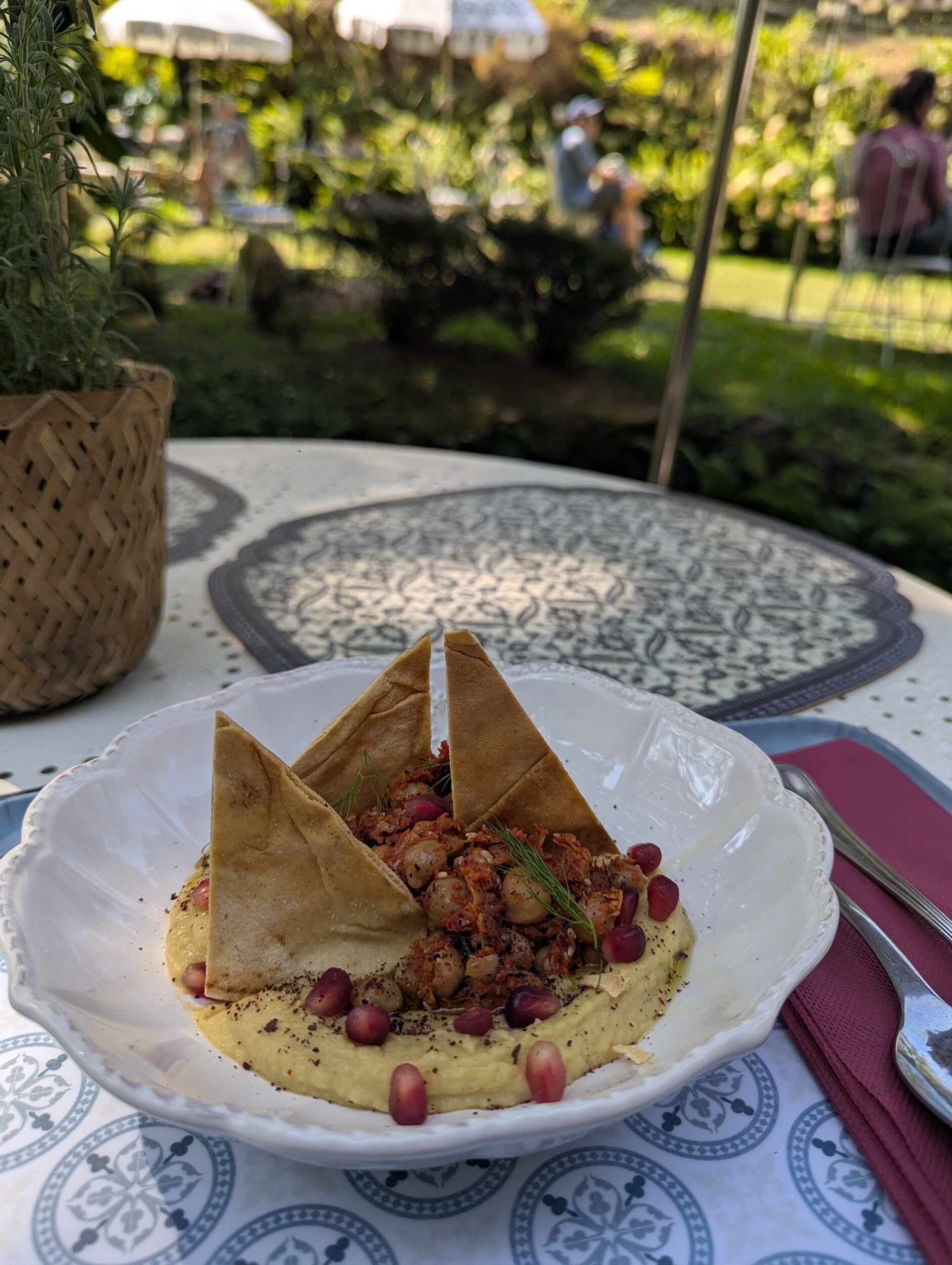
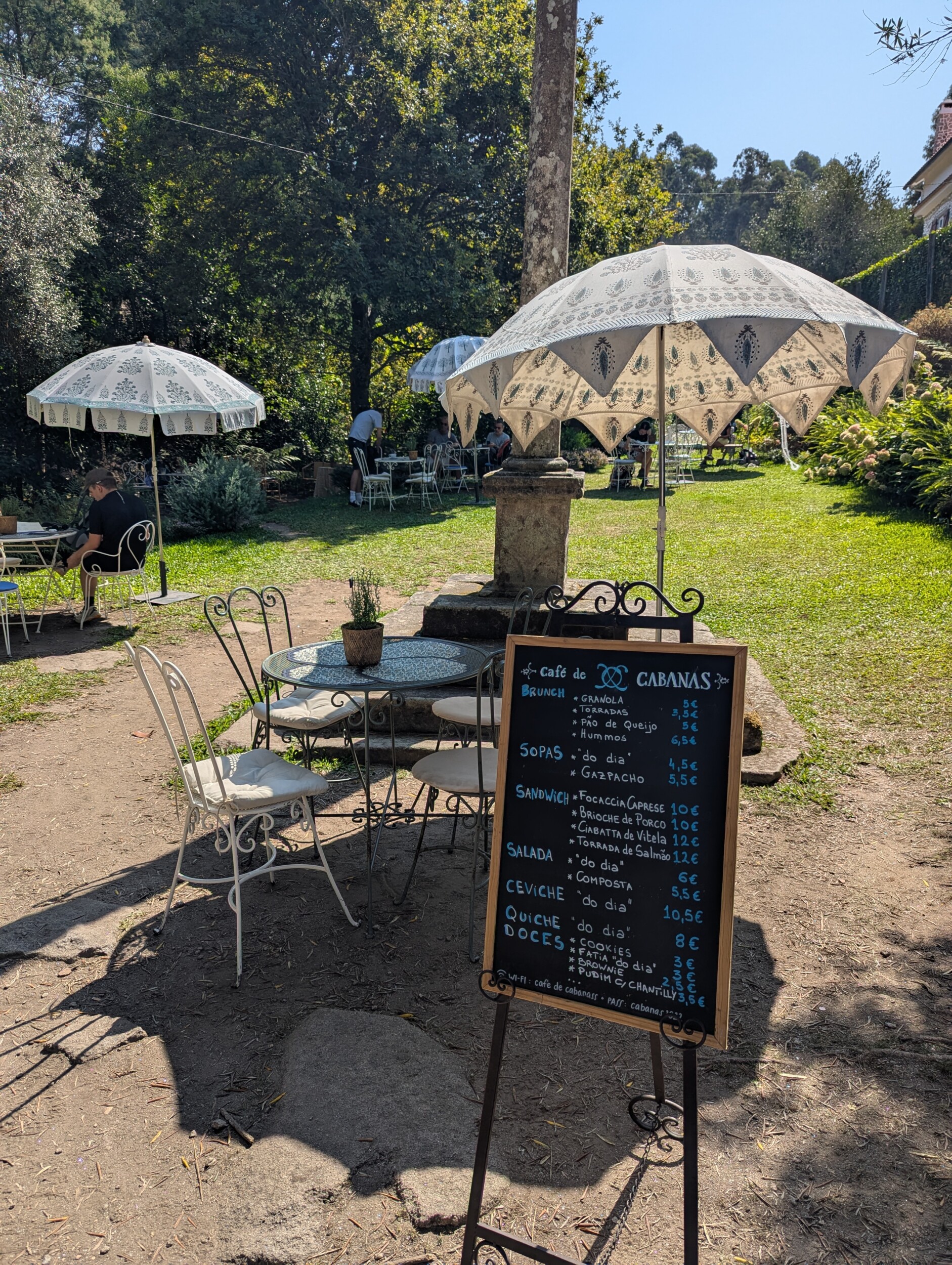
Via a beautiful eucalyptus forest, I reached Café de Cabanas, really a wonderful resting place! In the atmospheric garden, I ordered brunch with hummus. The portion was initially somewhat meager and upon request I got wonderful fresh bread with it.
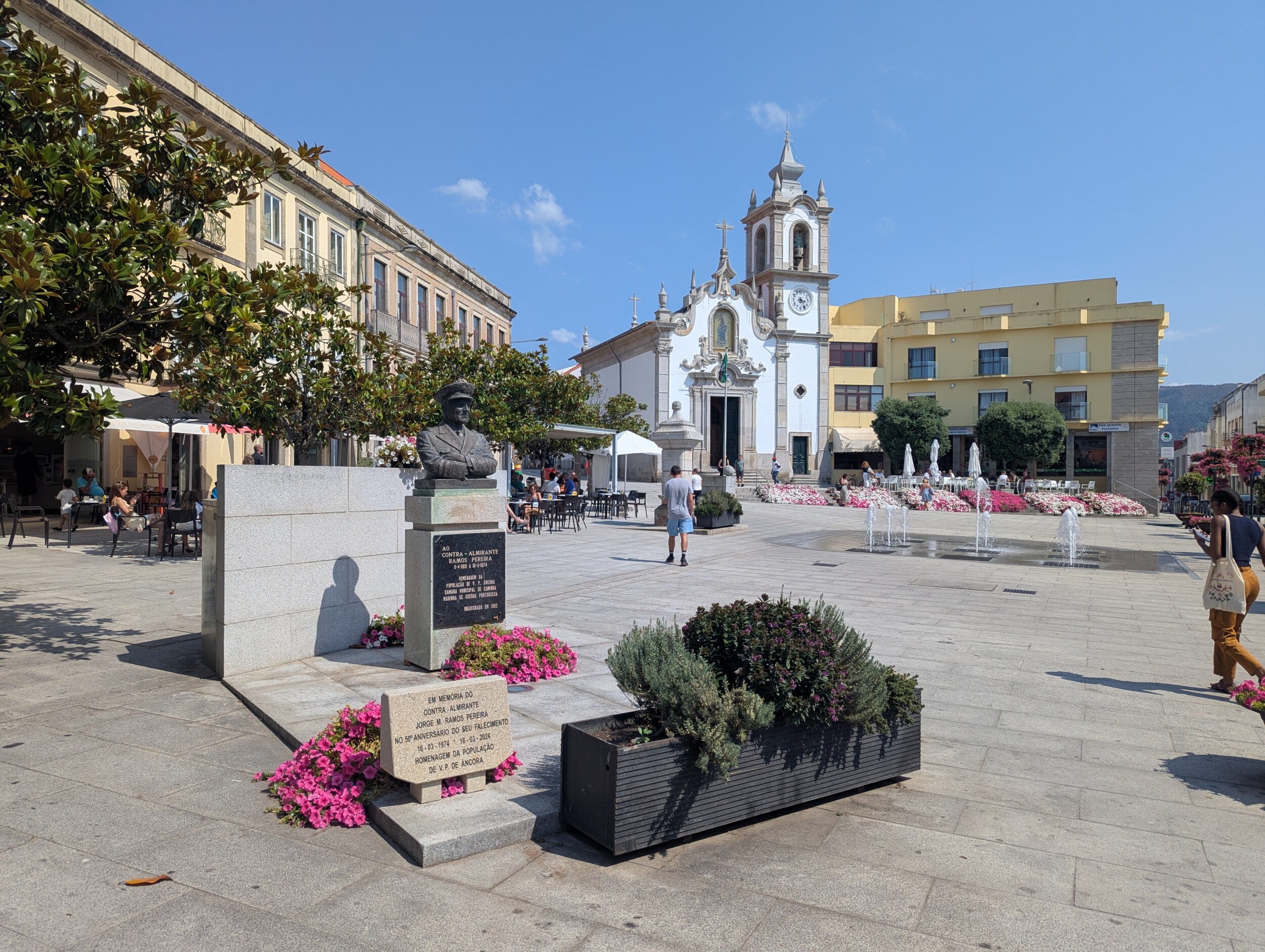
After this, I continued with beautiful views of the coastline each time. Slowly I descended to the coastline and in Vila Praia de Âncora I went to the beach to cool my feet in the water. The seawater runs into the Rio Âncora river at high speed and that current was really nice along my heated feet. It was quite windy and so I left again quickly, sand everywhere (socks/shoes) is not so nice.
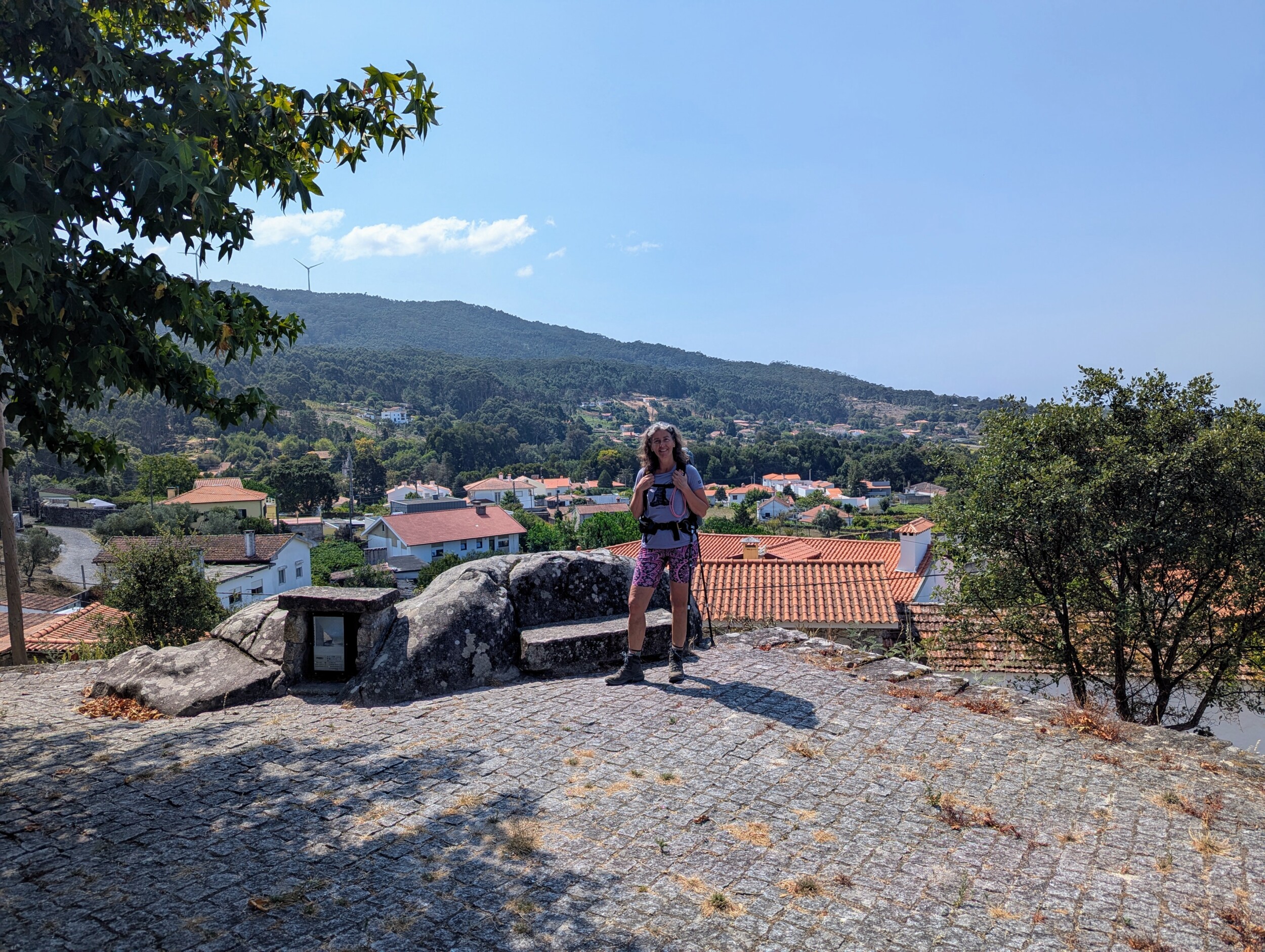
My night’s accommodation was Quinta da Quinhas in Vila Praia de Âncora. This accommodation is located somewhat off the beaten path (on the mountain, away from the route), so I first sat relaxed in a local place. Then I bought a can of delicious soup that I heated up that evening at Quinta da Quinhas.
Accommodation tip: Quinta da Quinhas is a beautiful place, just a bit farther from the main route of the Portuguese pilgrimage route.
Distance: 18 km
Accommodation: Quinta da Quinhas (€28.50)
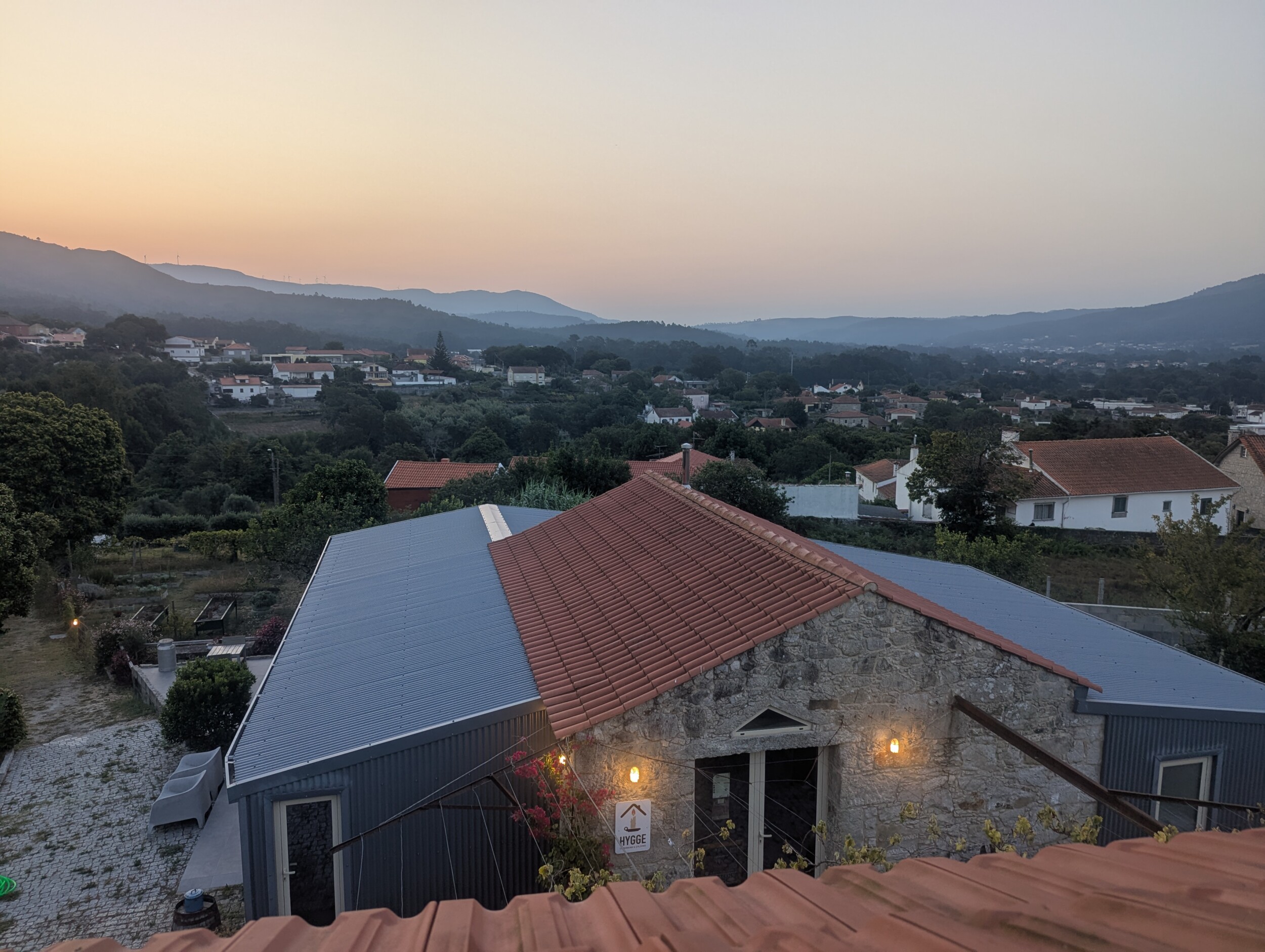
Stage 6: Vila Praia de Âncora to Sao Pedro da Torre – The Challenge of 35 Kilometers
After Vila Praia de Âncora, you face an important choice: straight up via the coastal route or inland along the river. I was forced to choose the latter – I couldn’t book anything for the coastal route. My destination became the promising Alvorada Medieval. It was highly rated in the reviews.
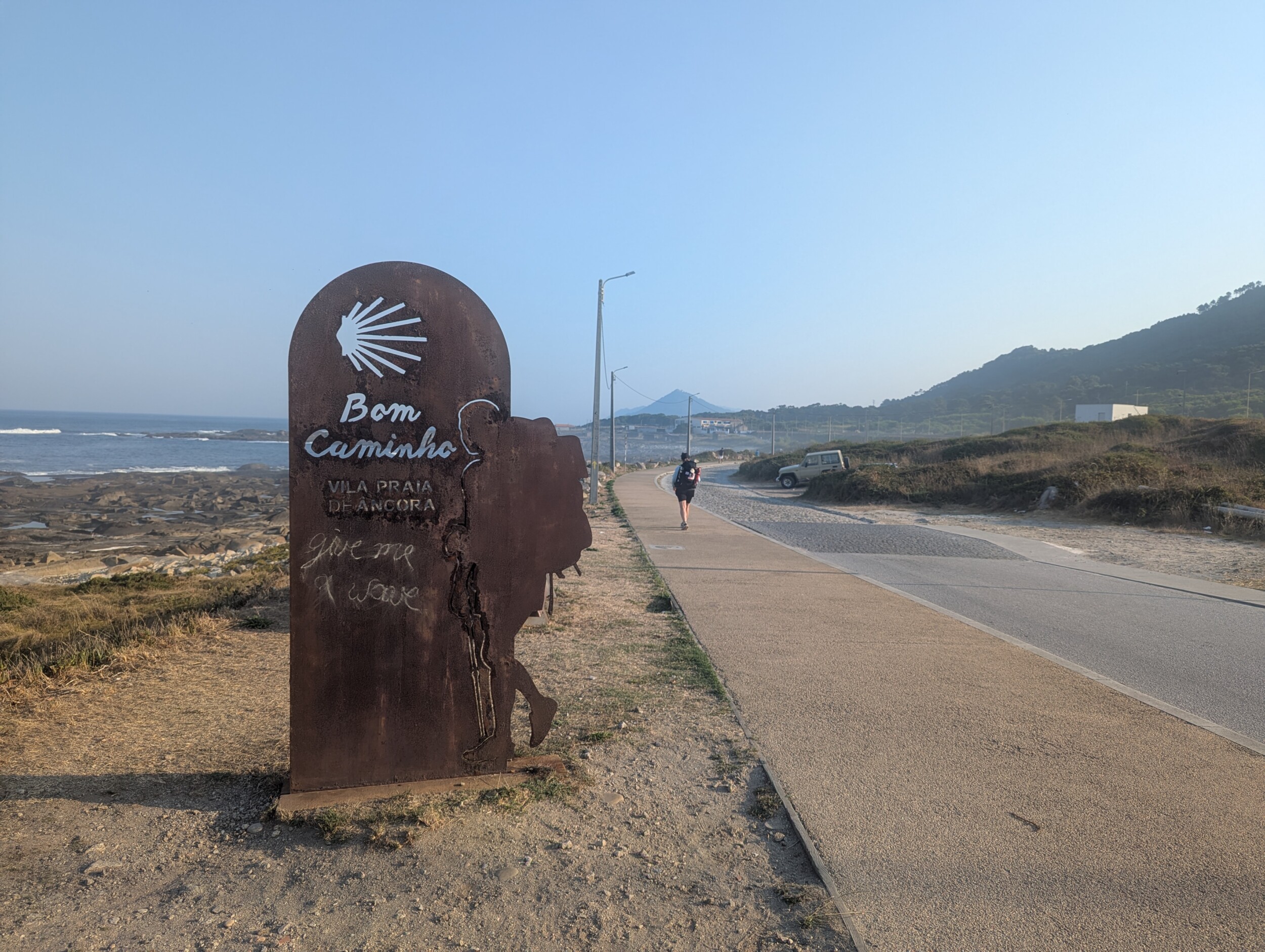
35 kilometers: my first real test on the Camino Portugués. I started with good spirits. Along the sea it was fine with fresh sea wind, but the farther inland, the warmer it got.
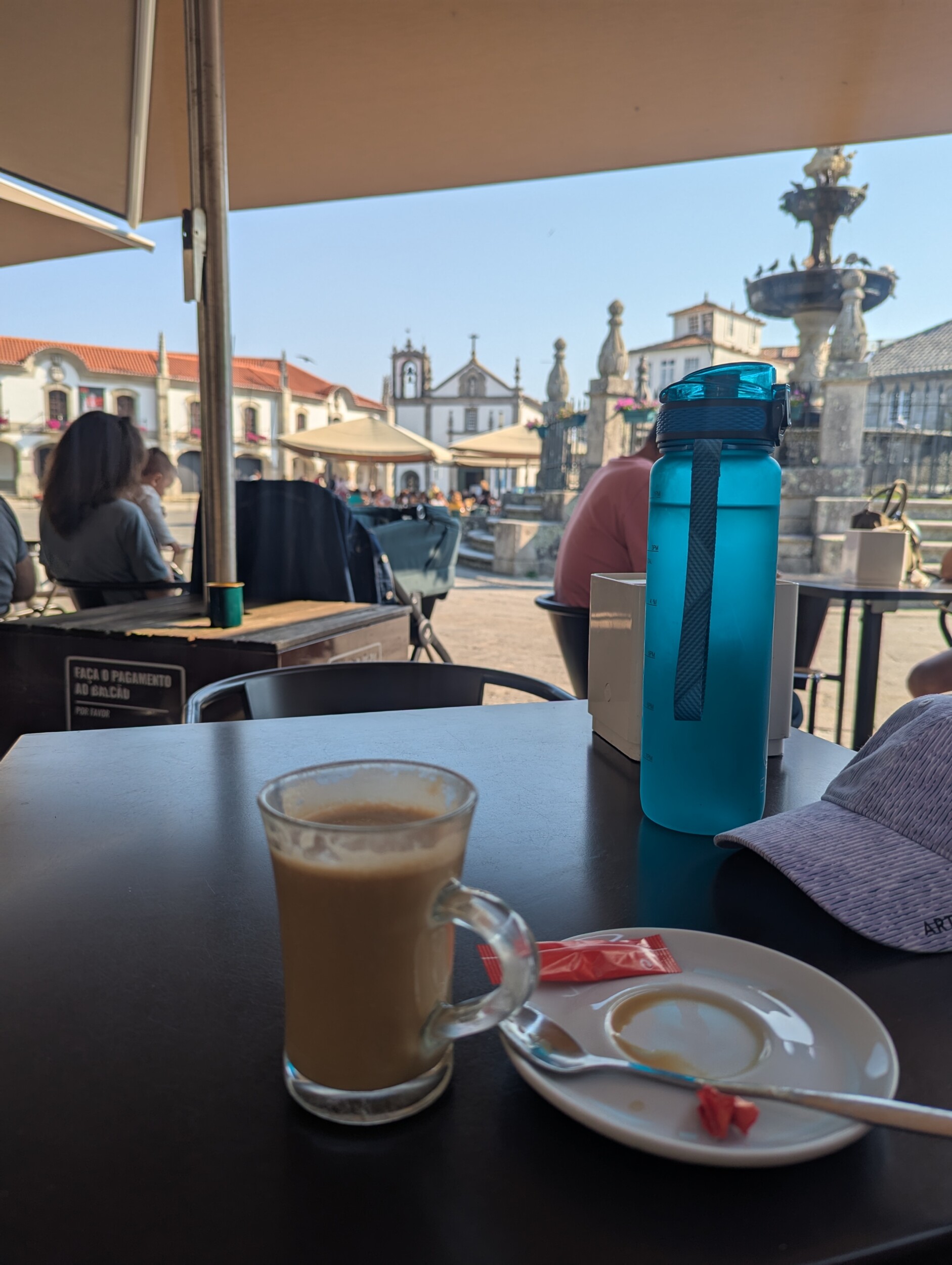
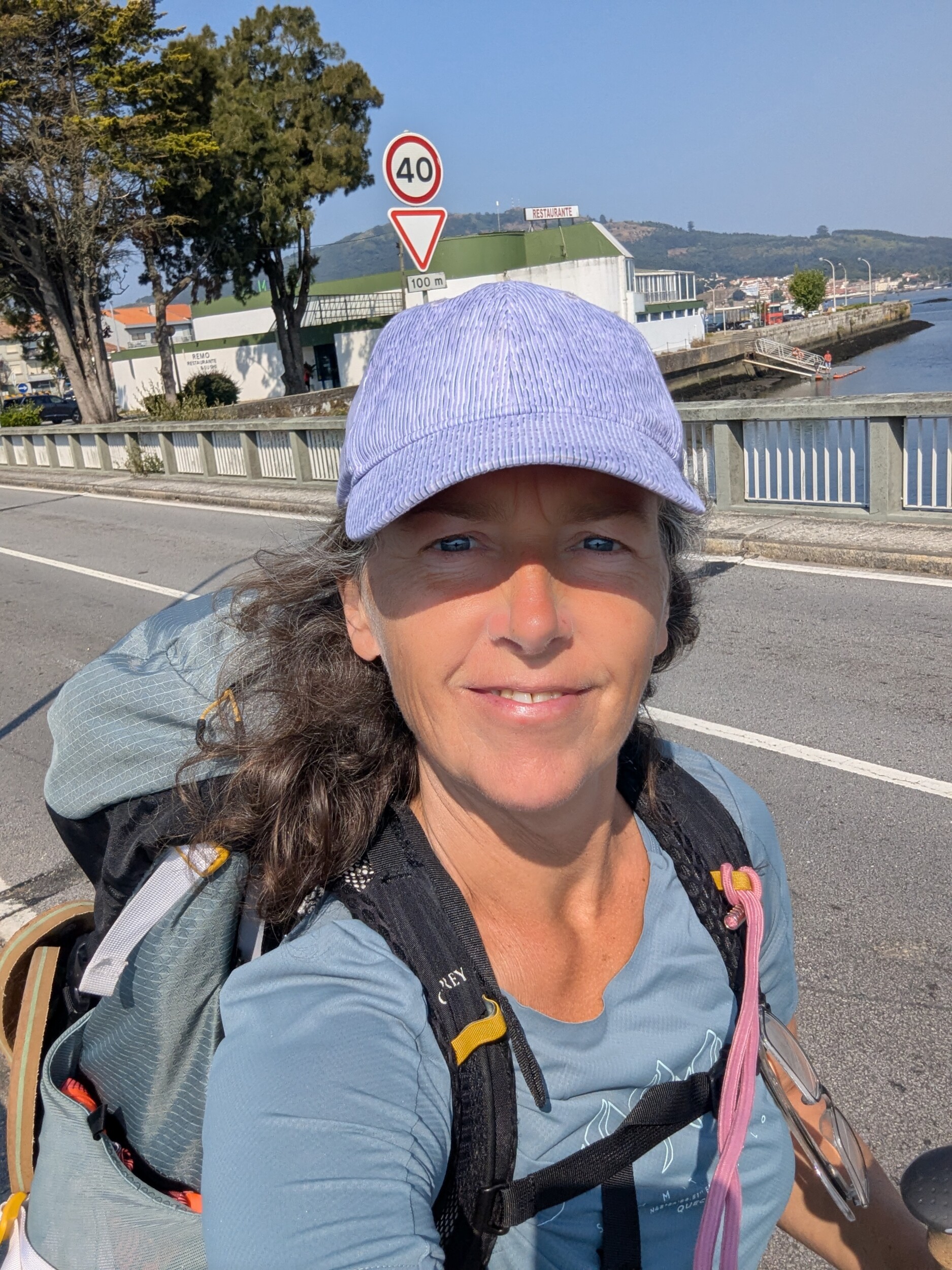
At 10 o’clock I sat on the terrace in Caminha with coffee, a perfect stopover on this pilgrimage route. In Seixas it got warmer and in Roda it was already 30 degrees! At the church I sought shade to drink a can of cola and eat my banana.
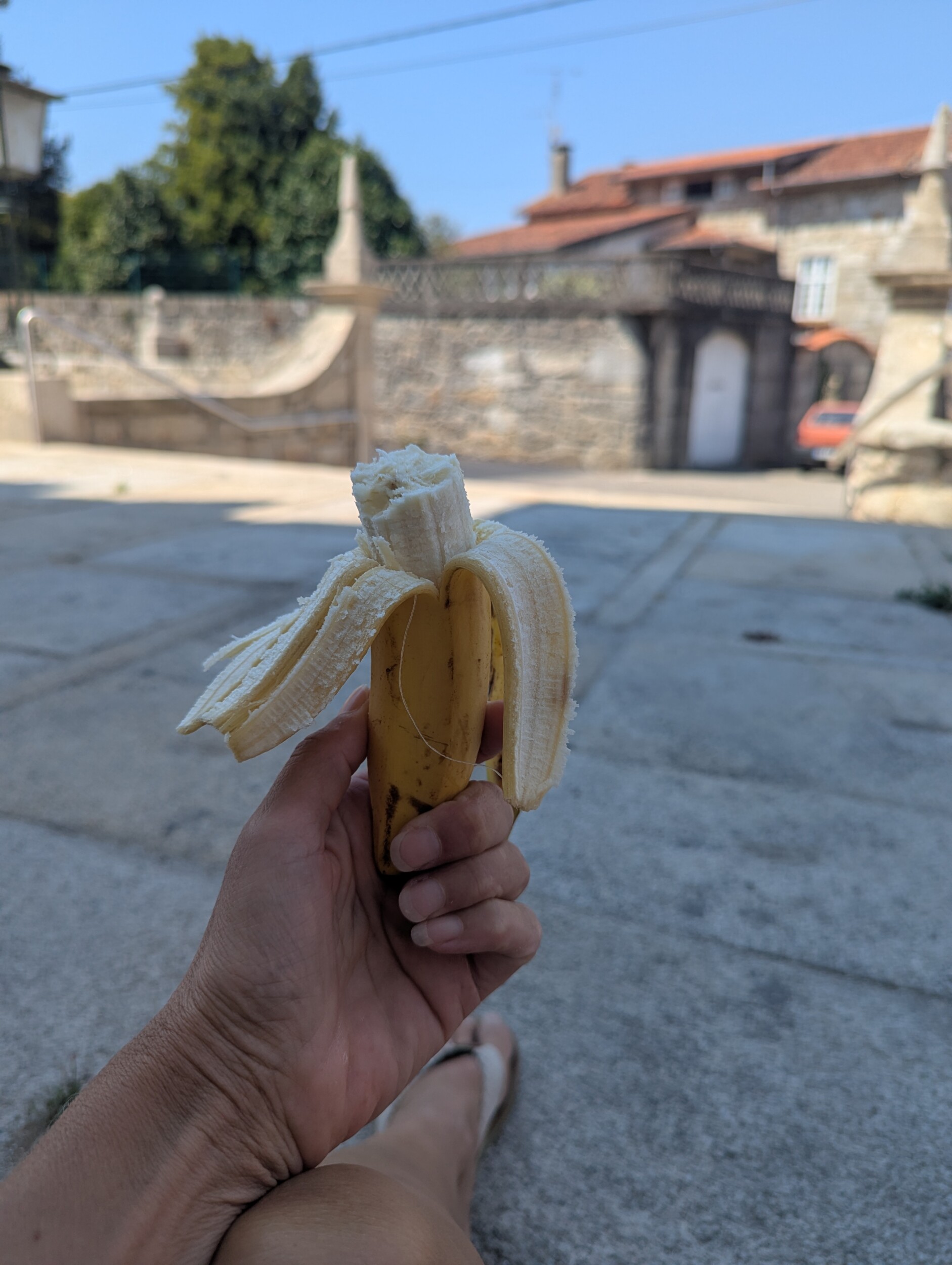
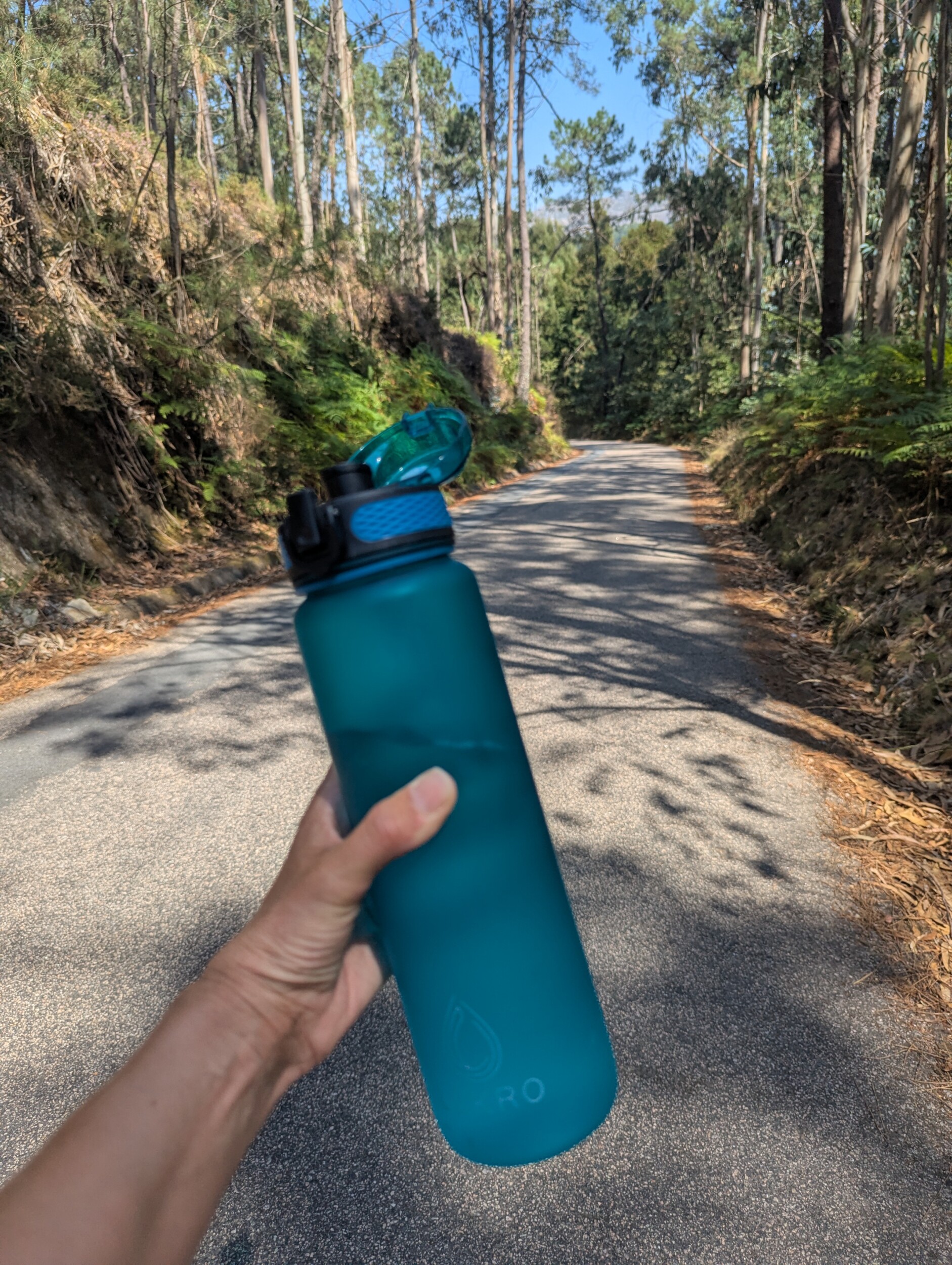
The route consisted of long roads, some beautiful, others just along busy traffic. Between Gondarem and Aldeia was a nice eucalyptus forest. It was wonderful walking there in the shade. It was really getting way too warm. After that, through small places again without cooling.
I find my 1 liter water bottle really very handy. It can be opened with one hand and closed well with an extra click so it really doesn’t accidentally open.
In Vila Nova de Cerveira, I decided to stop at an Indian restaurant. After a delicious meal and 25 checked-off kilometers, 10 remained. But I really felt myself getting overheated. My feet were still doing fine but I still made a wise decision: I ordered an Uber to my hostel.
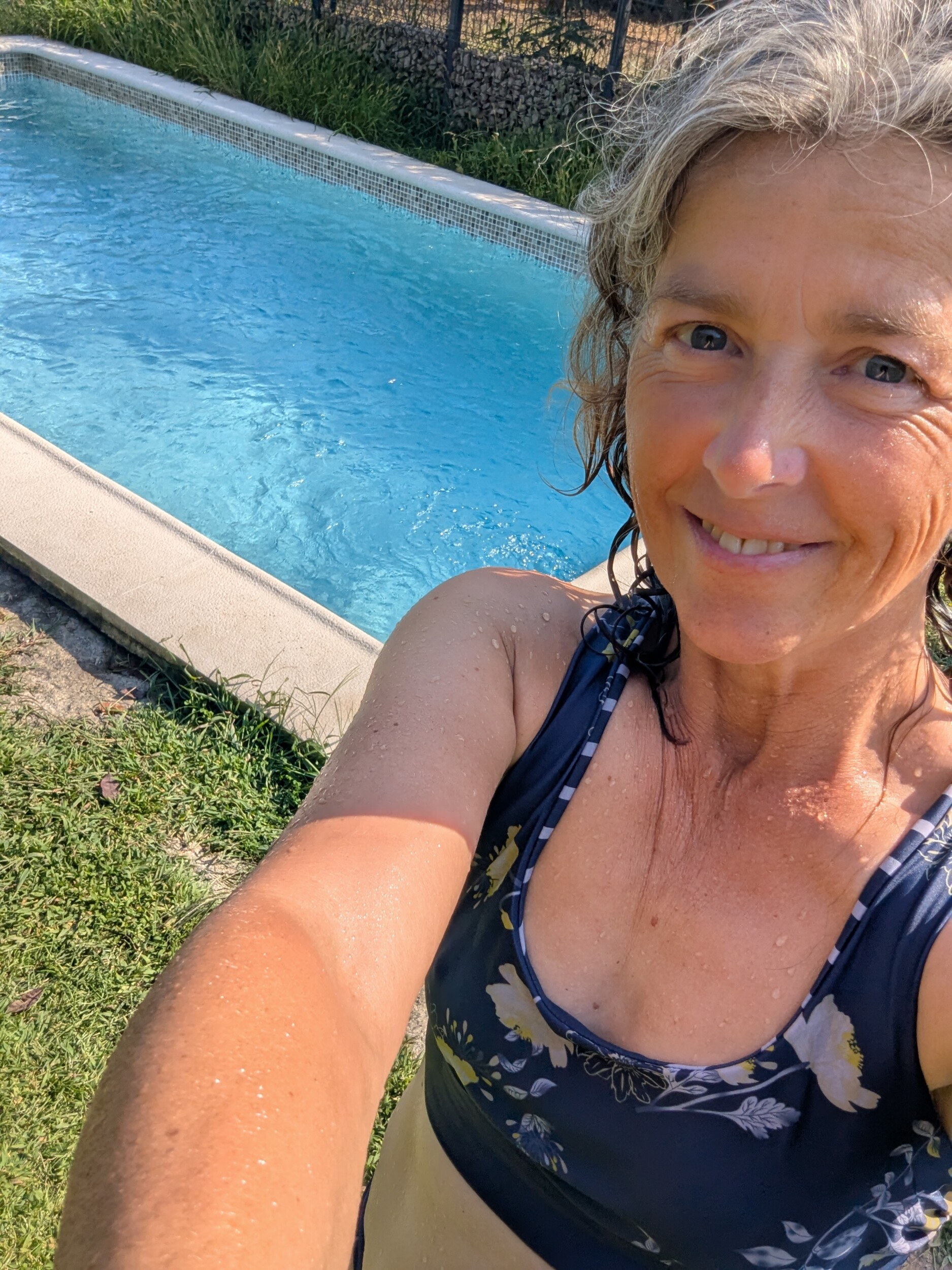
Important lesson: Sometimes as a pilgrim you may choose comfort! Alvorada Medieval had a swimming pool waiting for me.
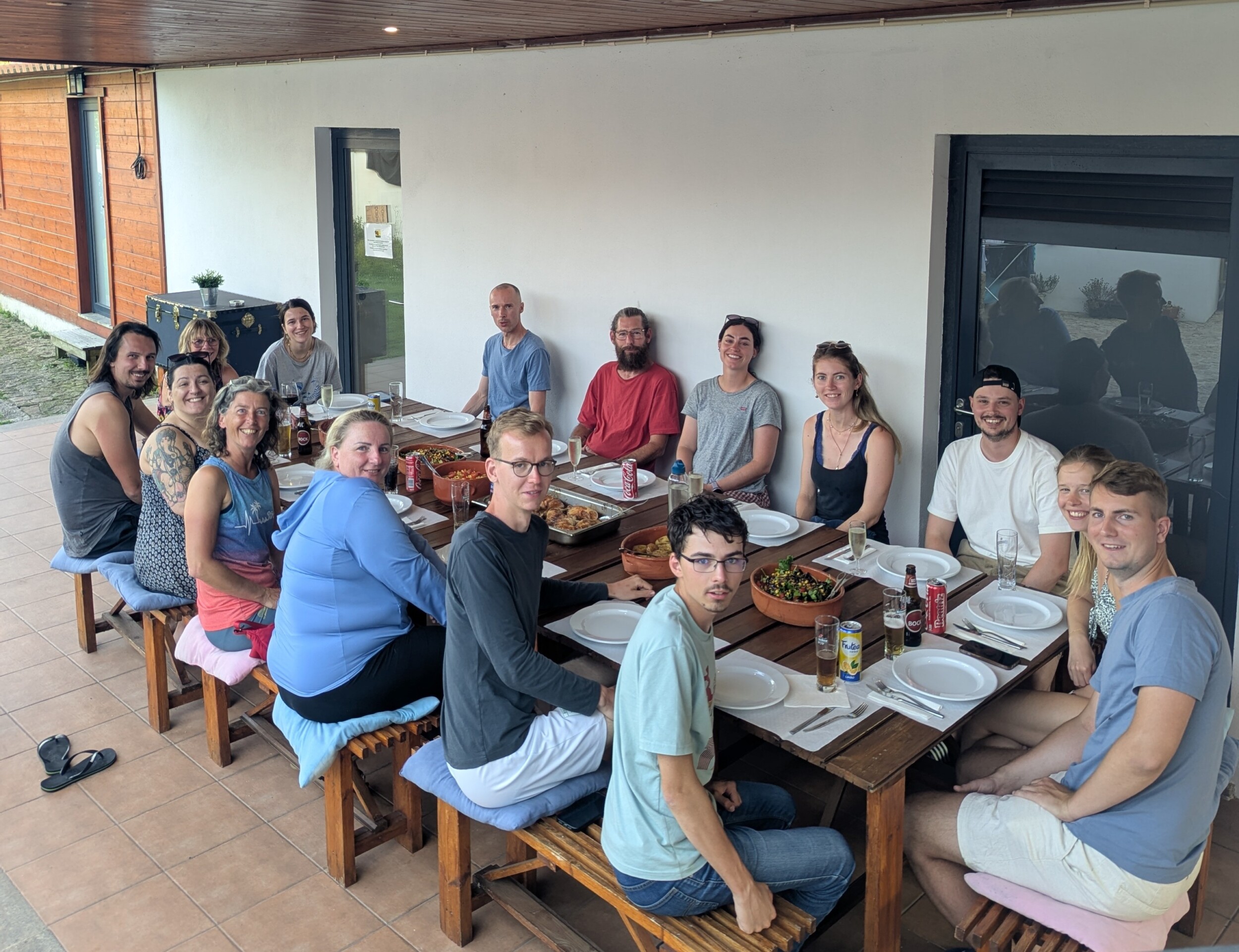
For the first time that evening I ate a real pilgrim’s meal with 8 different nationalities at the table. The conversations were wonderful. And although I saw many enormous blisters on other pilgrims, I could feel blessed. I only still had pain from an old stress fracture in my metatarsal bone.
Distance: 35 km
Accommodation: Alvorada Medieval (€25)
Stage 7: Sao Pedro da Torre to Tui – The Gateway to Galicia
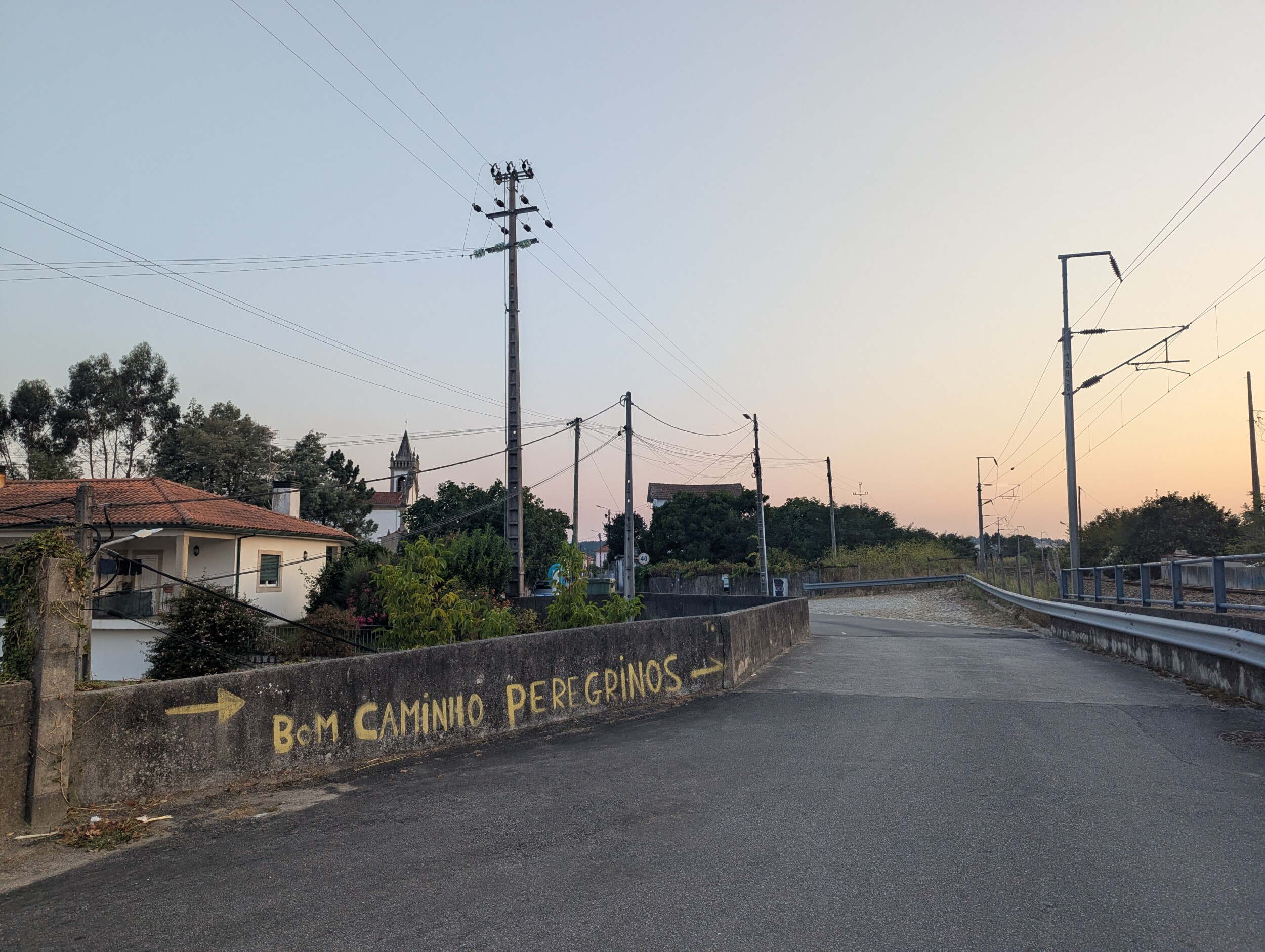
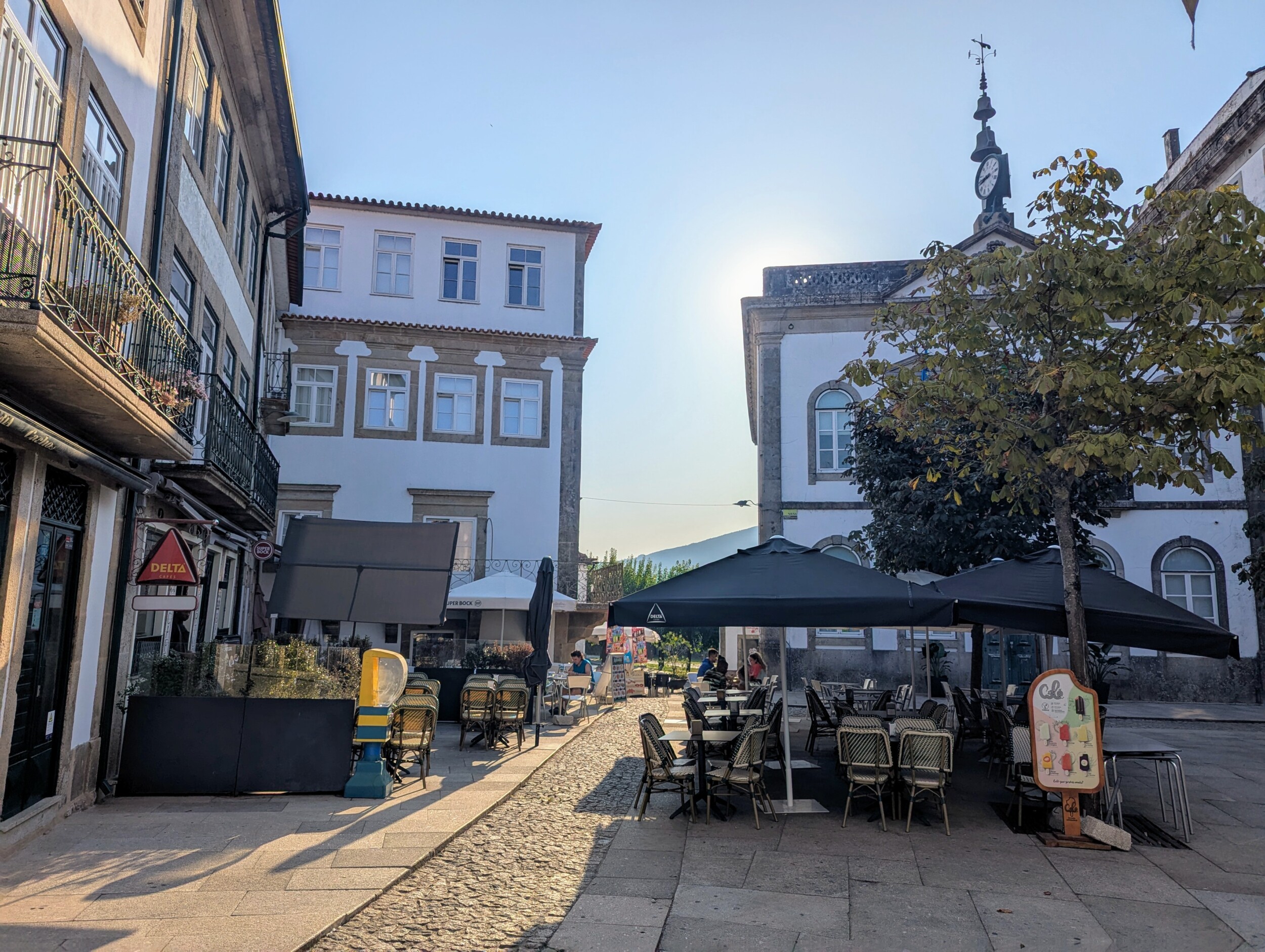
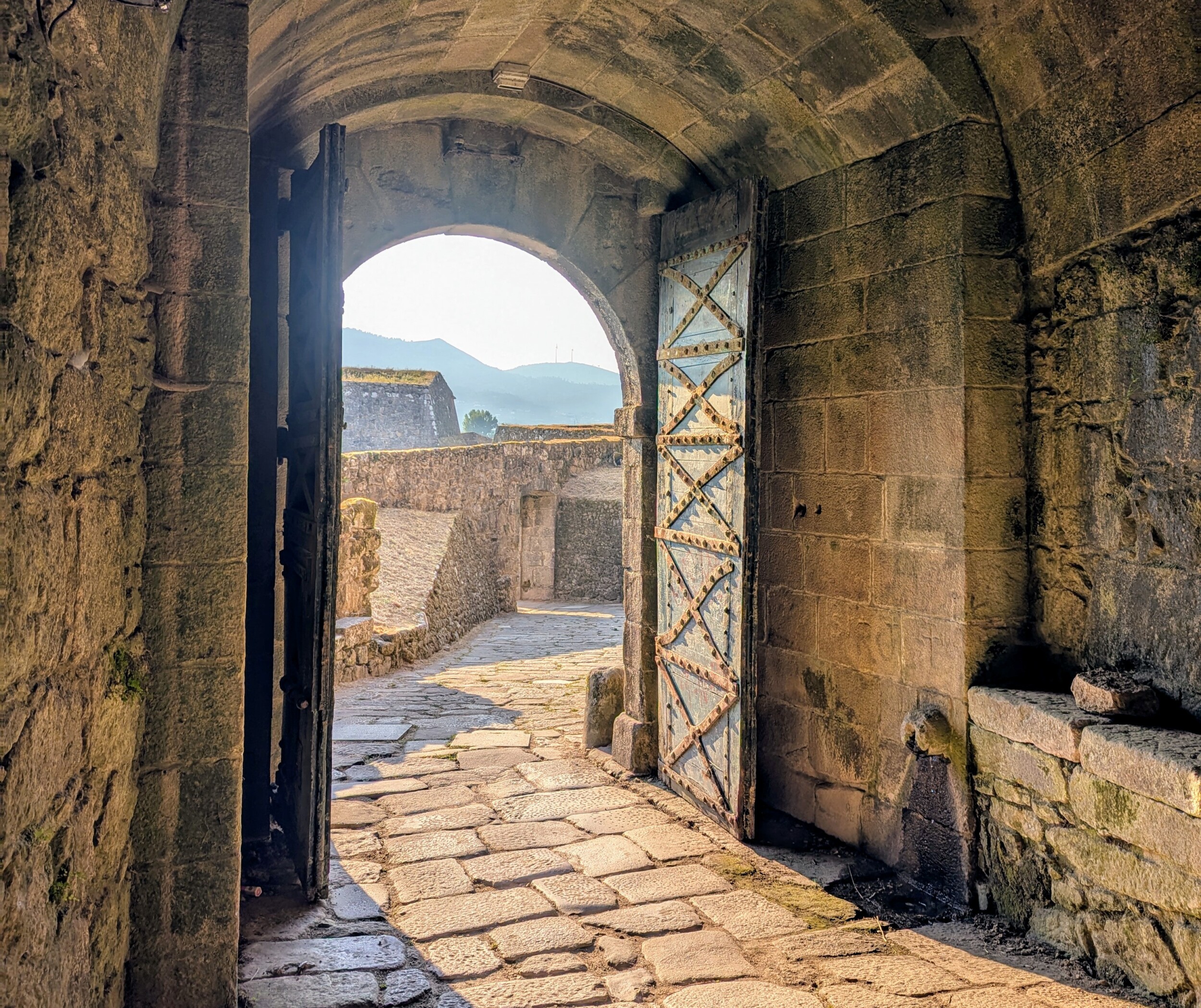
The next morning I walked to Valença and Tui, where I officially entered Galicia and left Portugal behind me. In Valença at the Praca da Republica inside the old fortress walls, I enjoyed a Portuguese breakfast, my last in this beautiful country.
With Tui also behind me, the beautiful Camino Portugués through Portugal lay behind me. Seven days full of discoveries, beautiful encounters, and once again unforgettable experiences. And the final 100+ kilometers through Galicia to Santiago still had to begin…
The 100km point: After crossing the bridge to Tui, I saw a note that it was still 114 km to Santiago. Unlike on the Camino Francés, no attention was paid to the 100 km. That moment naturally passed by that day. I found that very surprising – I heard from others who had seen a nice 100 km sign in other years. I’m curious how it will be for you when you walk there.
It did mean the end of the Portuguese part of my pilgrimage. And the beginning of the Galician adventure.
A few days later, I decided to also do the Camino Espiritual during this last part of the Camino Portugués. It is a beautiful part through the nature of Galicia, but you can read more about this in the next article about the Camino Portugués.
Practical Tips for the Camino Portugués
Best Travel Time
April-June and September-October are ideal:
- Mild temperatures (18-25°C / 64-77°F)
- Less crowded than summer months
- Avoid July-August: Too hot (30°C+ / 86°F+)
Essential Packing List
- Broken-in hiking shoes
- Light rain jacket (Northern Portugal rains regularly)
- Credencial (pilgrim passport)
- Sun protection SPF 30+
- Quick-dry clothing
Also read my packinglist for a camino / pilgrims
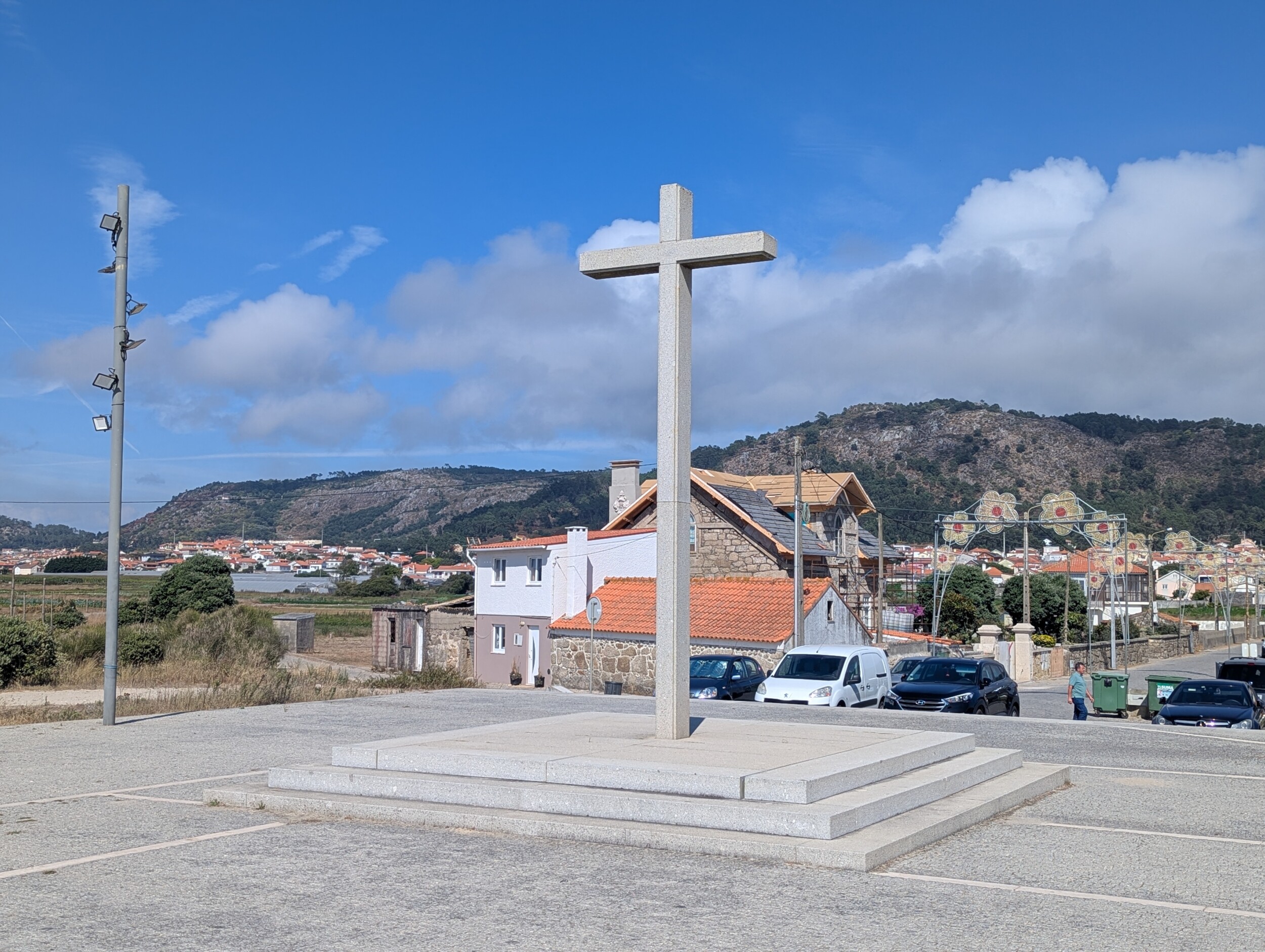
Camino Portugués Budget
See what your daily budget might be on the Portuguese Camino. Everyone spends money somewhat differently of course, but generally speaking you can assume the following:
- Budget: €25-50 (albergues, possibly self-cooking)
- Comfort: €60-80 (private rooms, restaurants)
- Luxury: €100+ (hotels, all meals)
Accommodation
Reserving is advisable, especially in high season. I booked a hostel each time a day in advance, then I knew for sure I didn’t have to walk farther. Recently many hostels can also be found on the internet. If you don’t want to reserve, you can go to the municipal or church hostel. Those cannot be reserved but make sure you’re there around noon and get in line (which is often there then).
- Albergues: €10-25 per night
- Private hostels: €25-45 per night
- Hotels: €50-100+ per night
Luggage Transport
Top Santiago offers reliable service:
- €4 per stage (up to 25km)
- €8 per stage (over 25km)
- Perfect for emergencies
I used the transport service when I left a bag behind in a hostel containing my spare pair of socks and pyjamas. I was so happy that I got my parcel back the next day for only €8.
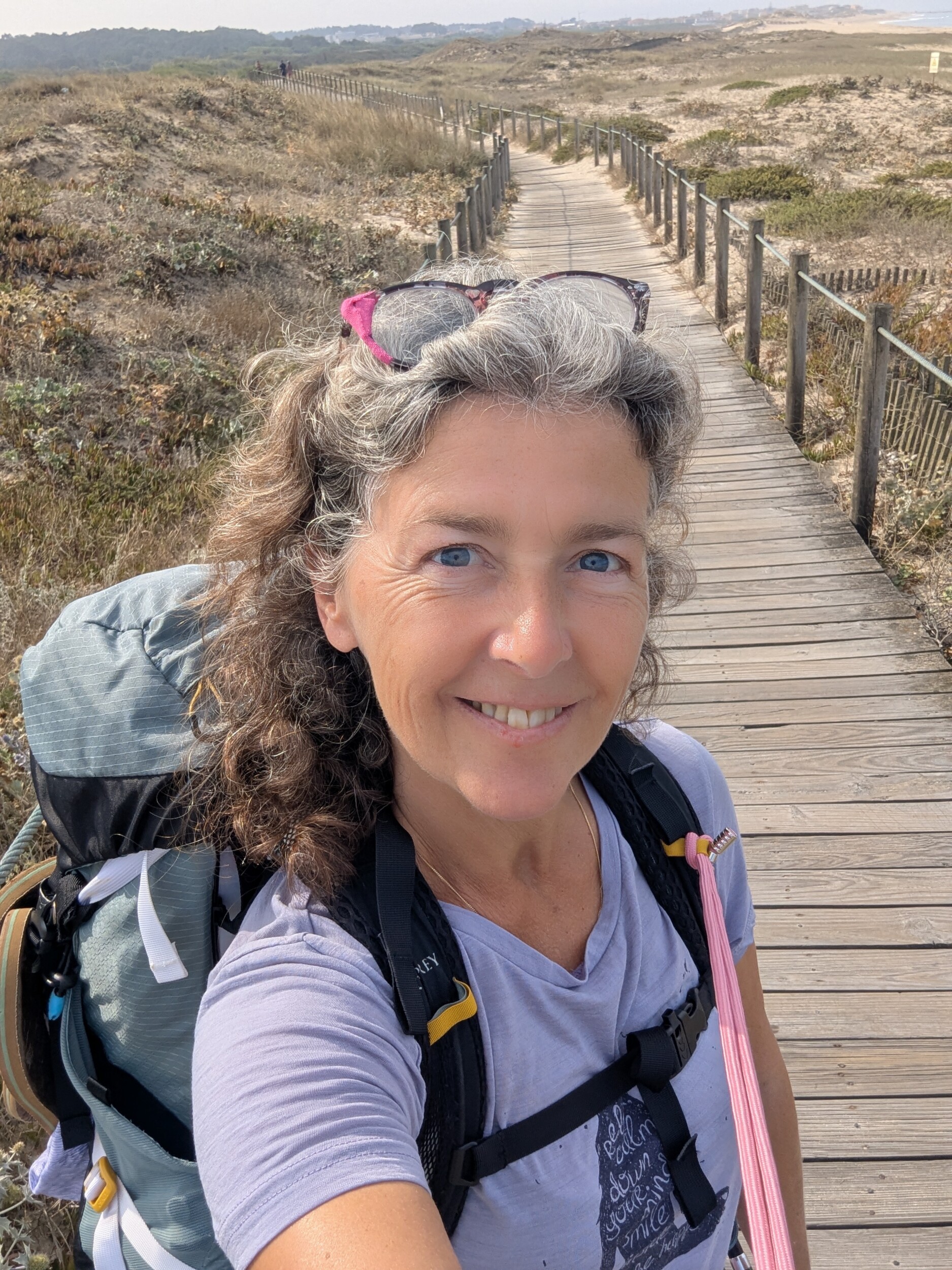
How to Get There
From International Locations to Porto:
- Direct flights: KLM, Transavia, Ryanair
- Flight time: 2-3 hours
- Return: Bus Santiago-Porto (€33, daily 12:00) / Train – with transfer in Vigo
Frequently Asked Questions
Q: How difficult is the Camino Portugués?
A: Moderately difficult, quite doable for average fitness. Coastal route is flatter than inland route.
Q: Is English sufficient?
A: In tourist areas yes, but some basic Portuguese/Spanish helps.
Q: Safety for solo pilgrims?
A: Very safe. Portugal and Northern Spain have low crime and a strong Camino community.
Why the Camino Portugués Is Perfect
The Camino Portugués offers a beautiful balance between natural beauty, culture, and spiritual growth. This pilgrimage route also attracts walkers from around the world, from Brazilian students to German retirees. You quickly feel like you’re truly part of an international community where nationality disappears and only the shared adventure counts.
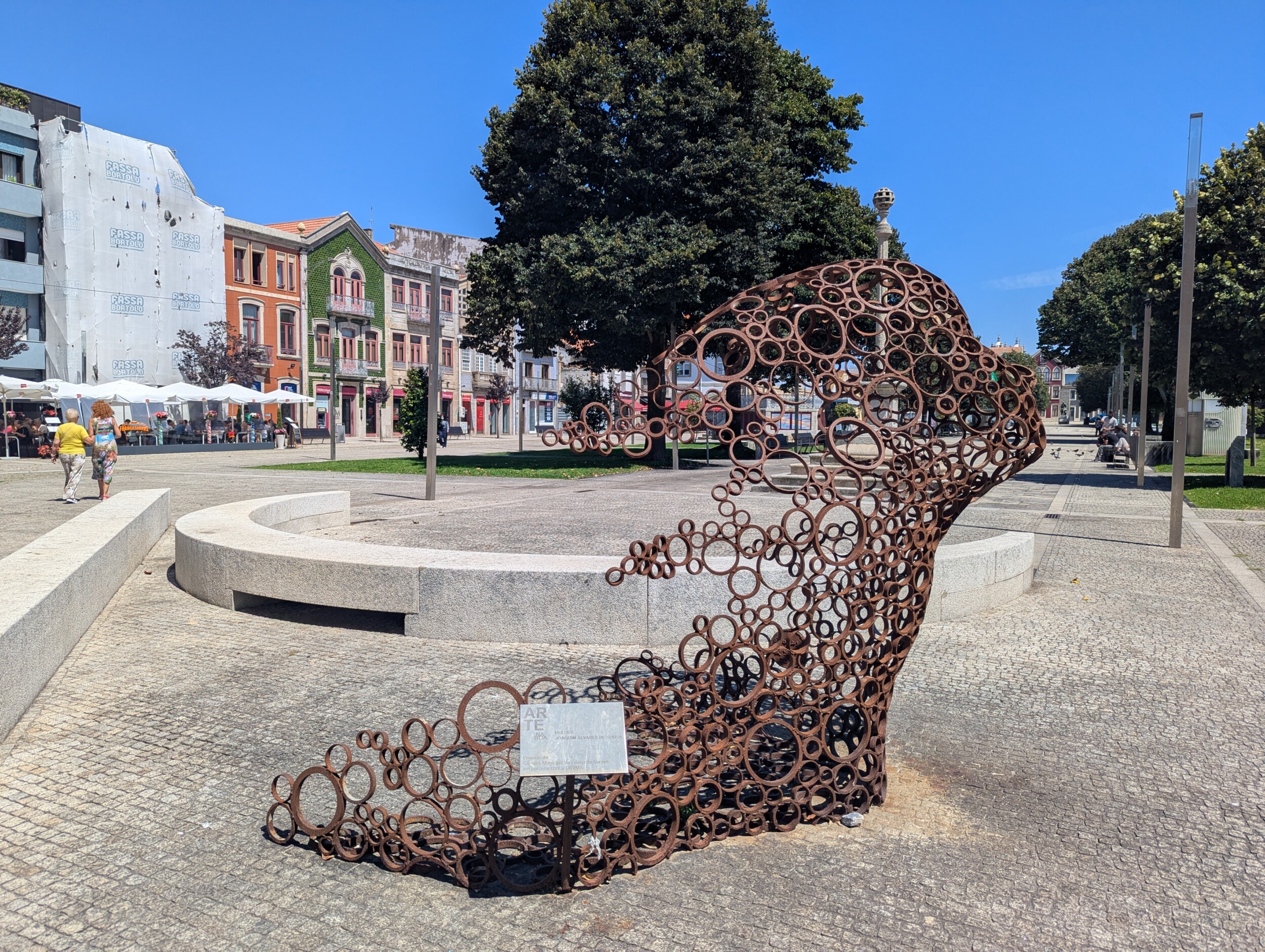
Why choose this route:
- Direct flights from many countries
- Somewhat less crowded than Camino Frances
- Beautiful coastal and inland variants
- Excellent infrastructure
- Authentic pilgrimage experience
Whether you choose the spectacular coastal route or the traditional inland variant, the Camino Portugués rewards every pilgrim with unforgettable experiences. Start planning today and discover why thousands of pilgrims choose this route annually. I’ve already made the plan to explore the inland route next time!
¡Buen Camino!
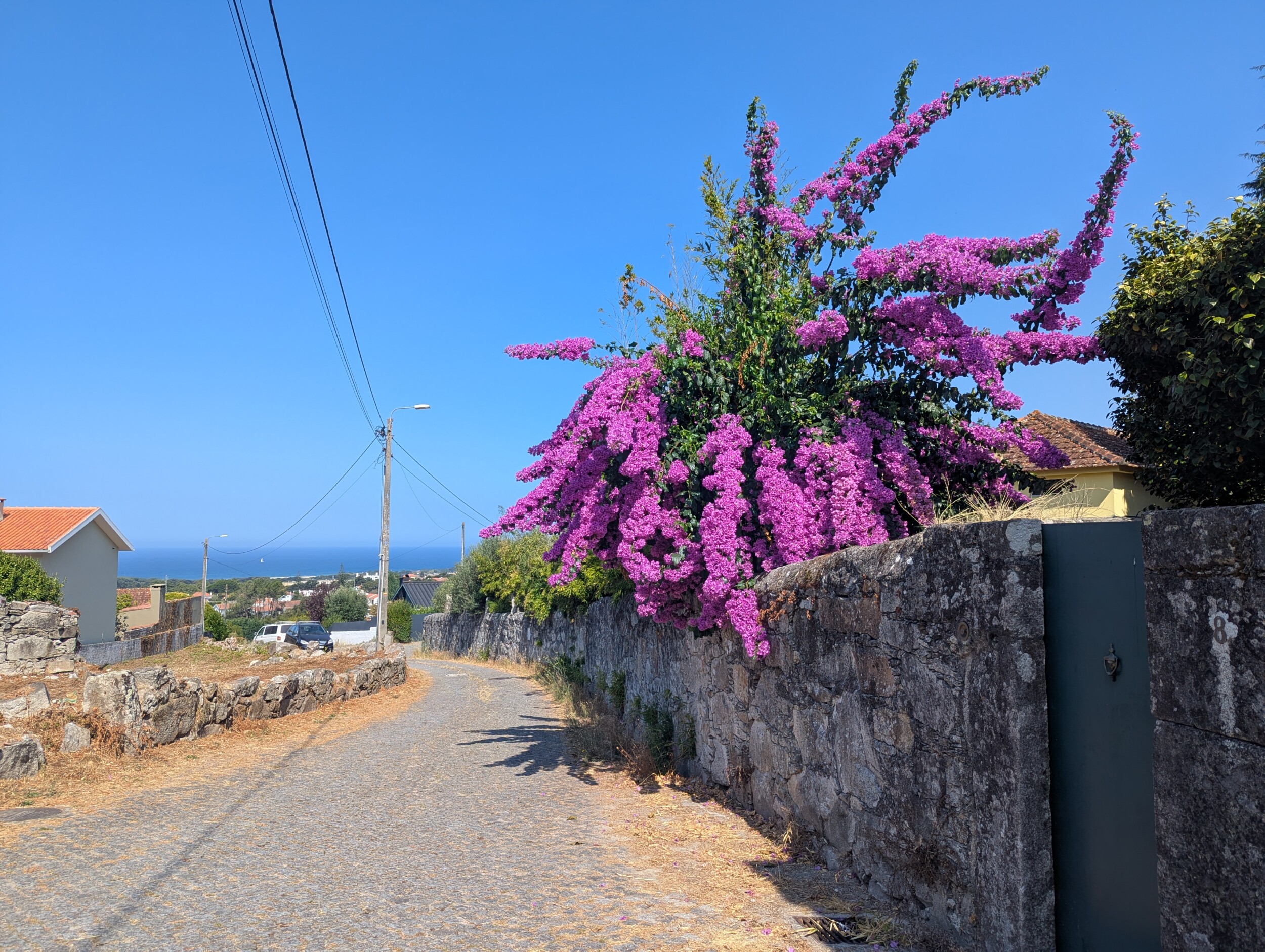
This article describes the Portuguese section of my Camino Portugués from Porto to the Spanish border at Tui. After this begin the final 114 kilometers to Santiago de Compostela. In my next article I’ll share the experiences from these final kilometers through beautiful Galicia to the cathedral of Santiago de Compostela.
Read also: Why stamps are collected on the Camino in the credential
Useful Links
- International St. James Association
- Order your pilgrim passport
- Booking.com – book accommodation
- Top Santiago – luggage transport
Want to walk a pilgrimage but prefer not to go alone?
Check out this trip for the last 200 km on the Camino Frances. In a small group (max 8) we walk to Santiago again in spring 2026.