
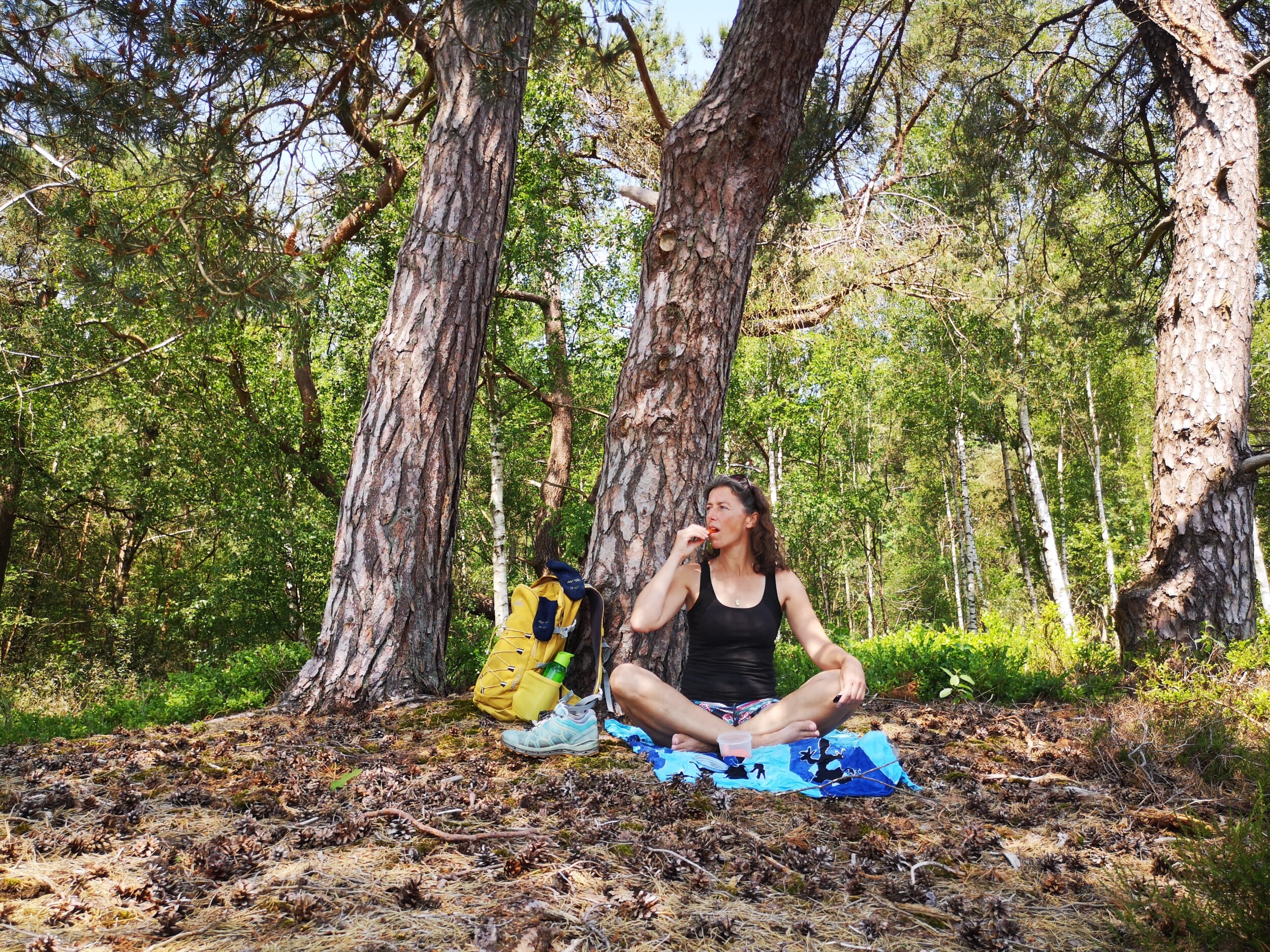
Preventing blisters is naturally always better than treating them. Unfortunately, we can’t always avoid them, but there are quite a few effective strategies to prevent blisters hiking. Before I started my Camino Frances in 2016, I had no experience with blisters whatsoever. During that 35-day pilgrimage, I still got 5 blisters… and all on one day!
I think I know what I did wrong. That morning, before I set out, I took a nice warm shower in Burgos… MISTAKE. The calluses were nice and soft when I put on my hiking boots, and after a few kilometers I already started to feel something. That evening, when I unfortunately had to walk quite a few kilometers, I had no less than 5 blisters.
I received many tips and tricks from my fellow pilgrims on how to care for blisters. I also learned in the following days that I could simply continue walking while I had blisters. They didn’t get worse… the blisters slowly went away and after a week I was walking as fresh as a daisy again.
Understanding Why Blisters Form During Hiking
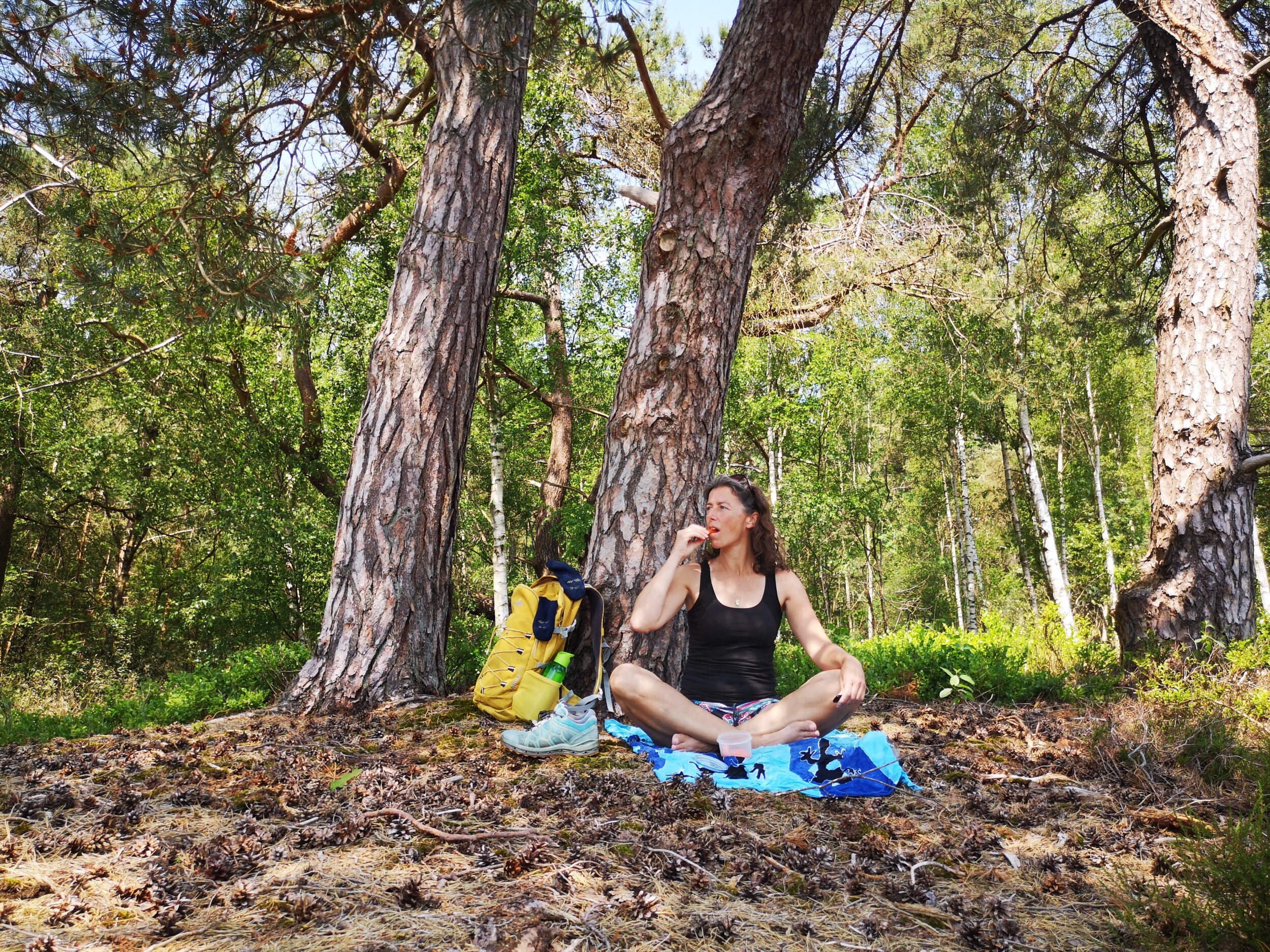
Did you know? Three factors play a role in developing blisters
There are 3 factors that contribute to getting a blister while hiking. These are heat, moisture, and friction. So if you tend to have warm feet, which may also start to sweat a bit, you might be more prone to blisters or get them more often. Understanding these factors is the first step to prevent blisters hiking effectively.
Choosing the Right Hiking Gear to Prevent Blisters
Select properly fitting hiking boots
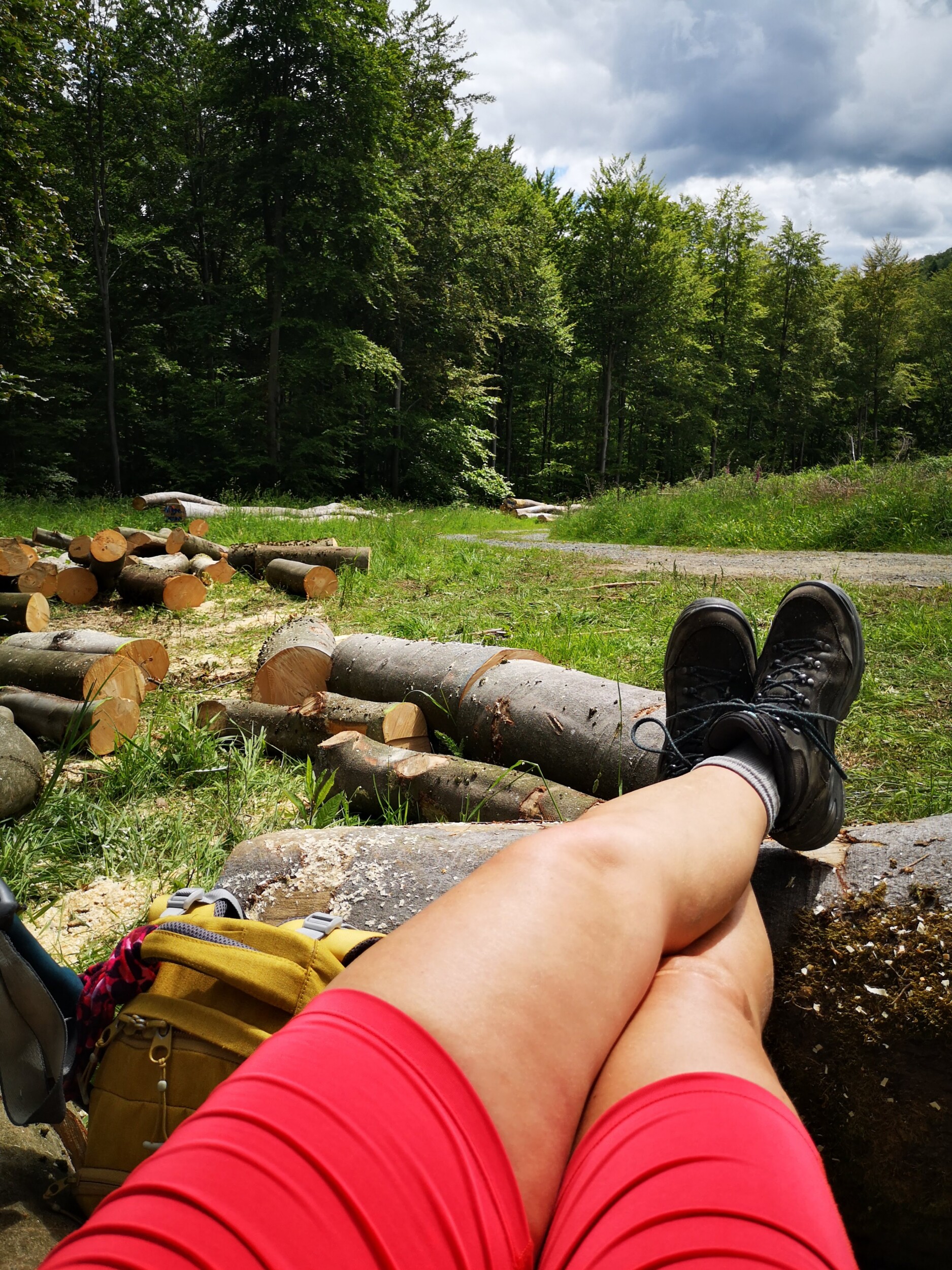
A first requirement to prevent blisters hiking is naturally well-fitting hiking boots. Not too small – one size larger than you normally wear, because your feet swell a bit during hiking. This is something you really need to take into account when choosing the best hiking boots for you. Get good advice at a specialized shoe store where people work who understand hiking. It’s a different sport than running shoes or regular everyday shoes. For me the Lowa Renegade W #ad is the best fit (W is a wide model)
It’s really worth making an appointment at a specialized outdoor store to have hiking boots properly fitted.
I have a very narrow heel, which means low-cut shoes don’t fit me well. My heel slips in and out very quickly – the high-cut boot, on the other hand, grips part of my ankle. This way I’m secured in the boot and have no freedom of movement, which prevents friction.
Invest in quality hiking socks
It’s really worth buying special hiking socks to prevent blisters hiking. These are mostly seamless socks made of special fabric. These socks wick away moisture/sweat well and are therefore favorites among hikers. They are a bit more expensive, but if you ask me, they’re really worth it.
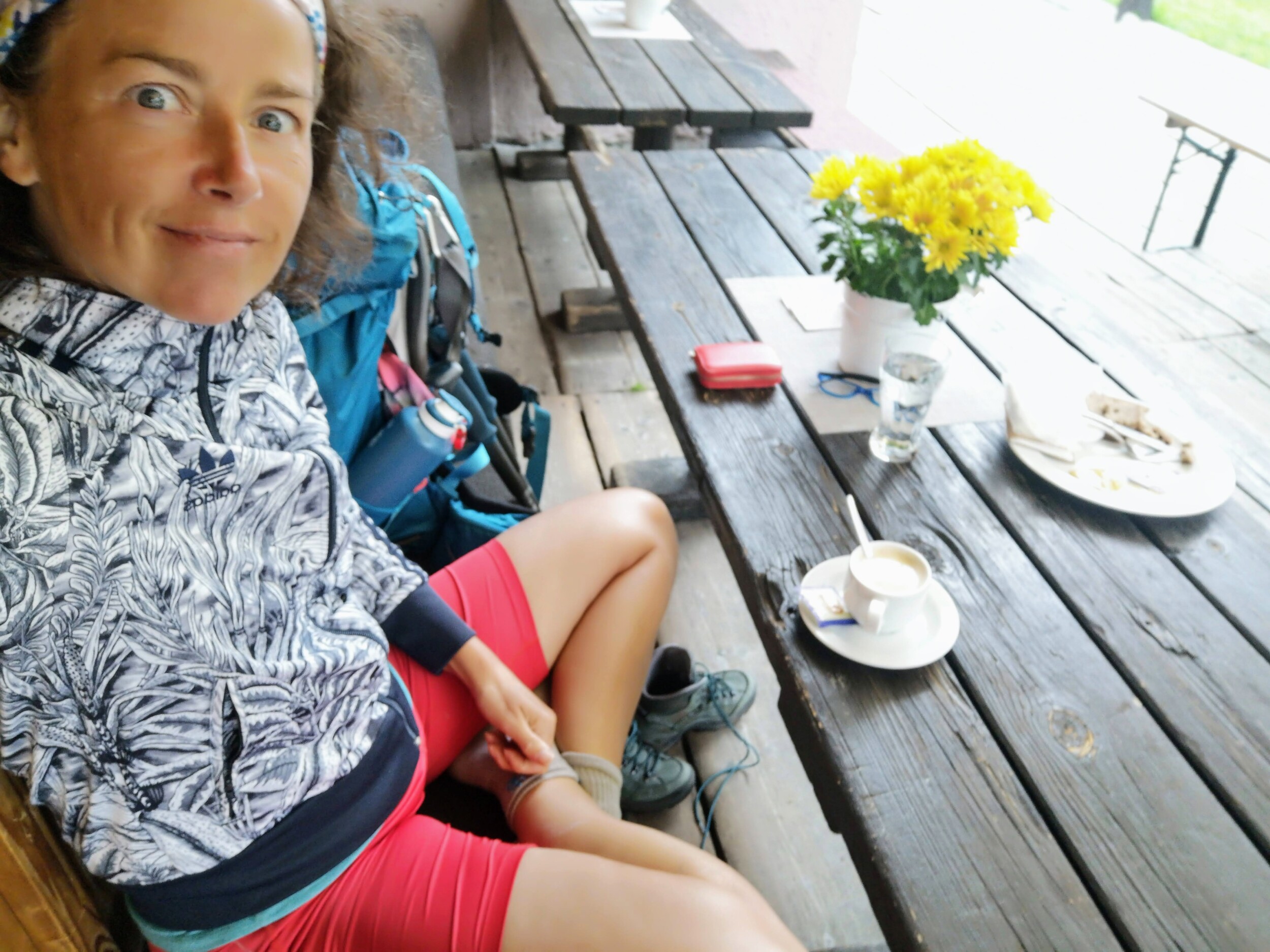
Also bring an extra pair of socks to put on dry socks during a break. After this break, you’ll step fresh into your shoes again and can tackle several more kilometers.
I now have Smartwool Light Cushion socks #ad and I’m really happy with them!
Have you just bought new walking socks?
Then wash them a few times with your laundry. There are several reasons for this. They still contain a substance that is added in the factory, which is not so good for your skin but does keep the socks clean for longer. It makes them a little dirt-repellent. Not all brands do this, but it’s better to be safe than sorry. It also removes any small, loose fluff that may still be in the socks.
Essential Foot Care to Prevent Blisters Hiking
Keep your feet dry and clean
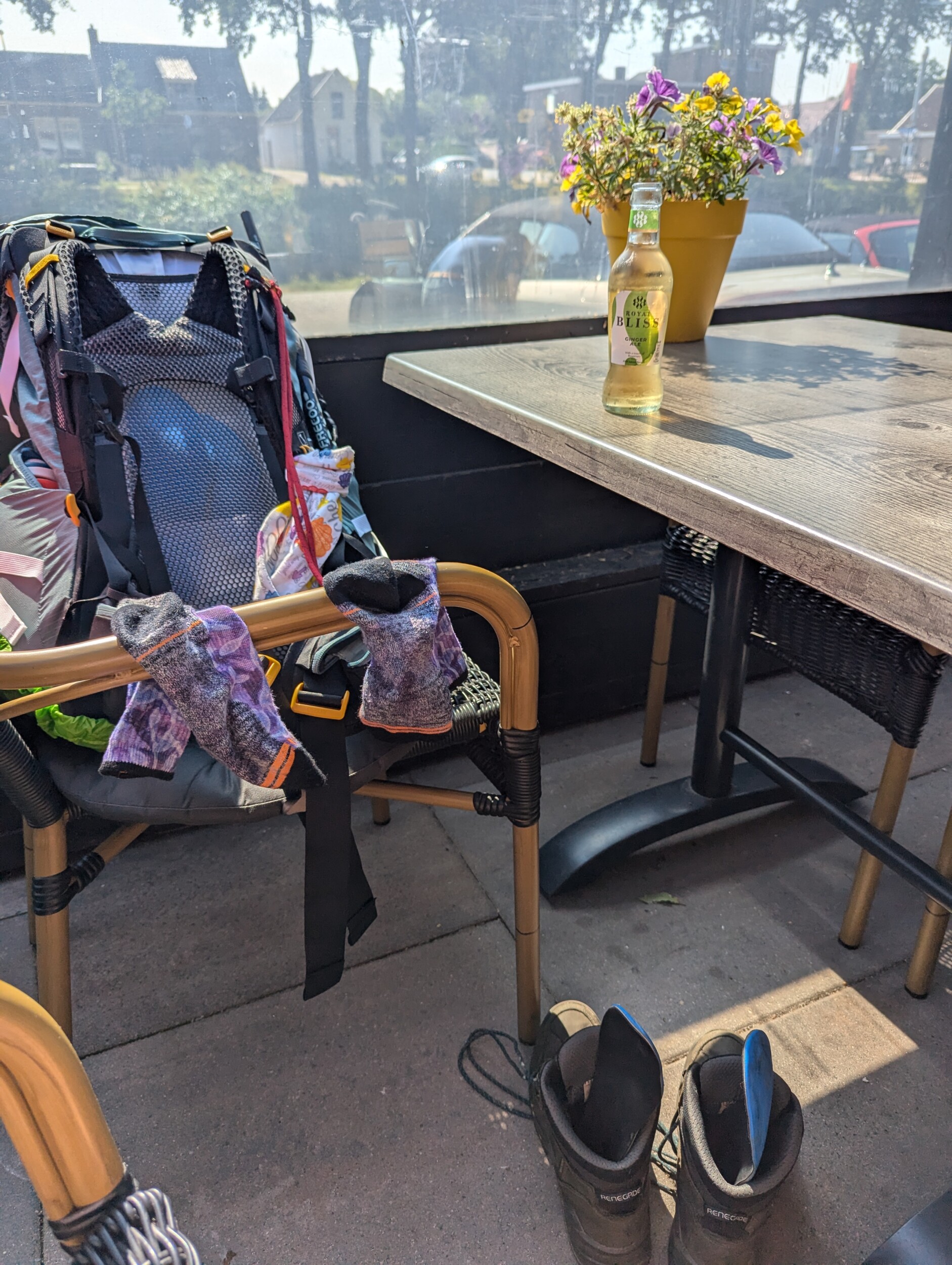
As I just mentioned with the socks, make sure your feet stay dry and change socks regularly. My habit is to always take off my shoes and socks when I take a break. My feet cool down nicely, the socks dry, but the shoes also freshen up, and afterward I can often continue walking fresh again.
This is really something you need to figure out for yourself – what works best for you. There are also people who never take their shoes off while hiking.
Taking good care of your feet with a mask or cream is good, of course, but never do this before hiking. You’ll clog your pores, preventing moisture from escaping properly, which increases the chance of blisters. The evening before is fine – then it has enough time to absorb and dry properly.
Maintain short toenails and care for calluses
Obviously, it’s also important to take good care of your toenails – trim them in time and keep the nail edges neat. This prevents your nail from possibly damaging the adjacent toe.
Caring for your calluses might sound strange but is certainly not crazy when you want to prevent blisters hiking. You want to have calluses… especially in those places where they protect you. Too much callus, on the other hand, can also harm you. Finding a good balance in this is different for everyone.
If you’ve never been to a pedicurist, it’s worth getting a treatment. Then you’ll know where you stand regarding your nails and calluses. You’ll get good insight into the condition of your feet and what your points of attention are.
Never shower before a long hike
On the Camino, we all shower in the afternoon, after the long walk. In the morning, you put on your hiking clothes again and set out. This is not without reason. A nice warm shower to wake up is lovely at home… but when you’re on a hiking trip, it’s really something you shouldn’t do. The calluses that are nicely hardened and dry become soft and vulnerable. You want to prevent this, so in the morning just splash some fresh water on your face and drink a cafe con leche, for example 🙂
Advanced Techniques to Prevent Blisters When Hiking
Check for pressure points in your hiking boots
Also check carefully whether you have any pressure points in your boots. For example, on the instep, at your toes, or at the heel. Perhaps you can solve this by lacing differently. My tip is to double-loop the laces at the ankle so you can tie the foot firmly but lace the upper part more loosely. This way I secure my foot well in the boot so it can’t move, but I have good blood circulation in the ankle.
Important: If you notice a painful spot on your foot while hiking, treat it immediately to prevent blisters hiking!
Use preventive taping
Preventive taping has been very helpful for me many times to prevent blisters hiking. You prevent the friction on the skin that causes the blister. There are different types of tape to use for this. Some stick to your sock (the original beige Hansaplast/Leukoplast) – you could put talcum powder over it to prevent that, I read. I’ve never tried that myself. You can also use tape that’s used by physiotherapists. You know, that colorful tape #ad. I’ve been using that lately and it does the trick too. It is a bit thinner, which I actually prefer.
If you’re going to tape a larger part of your foot or heel, make sure you apply the tape in overlapping layers. From top to bottom so the pressure can move downward.
Try hiking wool for pressure points
Hiking wool is something many people use to fill gaps in the shoe and/or relieve pressure points. You find it everywhere and it’s a truly Dutch product. I saw Texel Hiking Wool hanging in a shop in Triacastela on the Camino Frances.
I know quite a few hikers who really won’t go on the trail without a ball of hiking wool in their backpack. During my pilgrimages, I regularly see it being exchanged among people!
Harden calluses and soles
You can also choose to harden your calluses to prevent blisters hiking. On the Camino Frances in 2016, I got a foot bath with red vinegar and salt several times. This hardens the calluses on your feet, which has the advantage that you’re less likely to develop a blister there. But Gehwol #ad is also something you hear many hikers talk about. It’s a cream you apply to your sole that hardens your calluses and sole. Apply it to your feet in the evening or before sleeping.
Use hiking poles during long hikes
And yes, also use those hiking poles #ad to prevent blisters hiking. During long hikes where you might also have a few kilos on your back, hiking poles are really helpful. They take a lot of stress off your feet by making you stand more firmly, less likely to wobble, which would cause your toes to brace themselves in the shoe. Even when climbing or descending, it’s nice to be able to take some of the force off your feet with the hiking poles. You have to try it to experience it.
My Personal Strategy to Prevent Blisters Hiking
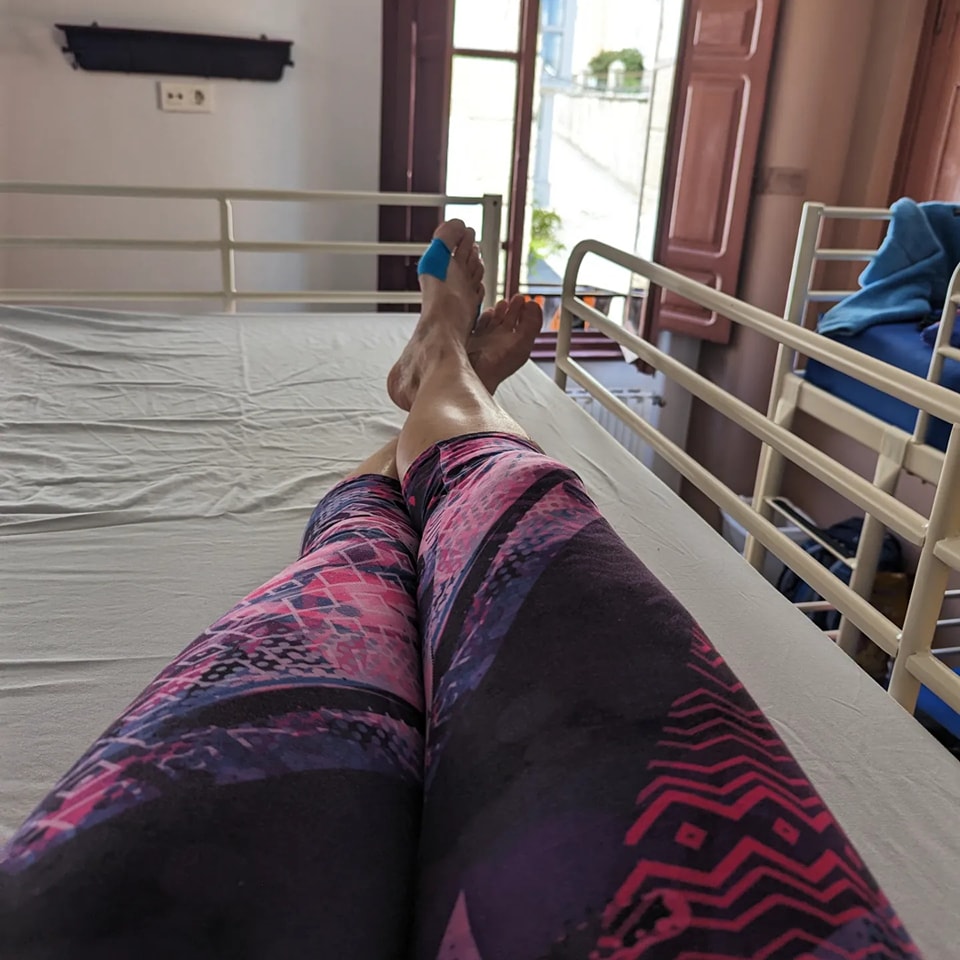
This is really my way of preventing blisters. I tape where I feel friction developing – if necessary, I’ll sit on the side of the road to tape. As soon as I feel something developing, I make sure I immediately put tape between it.
What I’ve also been using quite often lately to prevent friction on my little toes are gel protectors. This is a kind of sock with a soft gel layer on the inside that prevents friction and therefore blisters.
Essential blister prevention supplies:
- Blister tape #ad to protect against friction
- Gel protectors for toes (Toe Tubes) #ad
- Extra pairs of hiking socks #ad
- Hiking wool for pressure points
- Hiking poles #ad for stability
Join Me on a Hiking Adventure
If, like me, you love hiking for days on end, would you like to go on a pilgrimage? One of the trips I offer is walking the last 200 km in a small group on the well-known Camino Frances.
Read all about it in Pilgrimage to Santiago
More Hiking Inspiration
- Hiking along the Costa Brava – Palamos to Begur – GR92
- Hiking the Fishermen’s Trail in Portugal
- Adventurous hiking on Karpathos – Greece
- Hiking on Langkawi – The Machinchang Trail
Do you suffer from blisters a lot? How do you prevent blisters hiking? Share your tips in the comments below!
This article contains affiliate links. If you book or purchase something through one of these links, we may receive a small commission at no extra cost to you.