
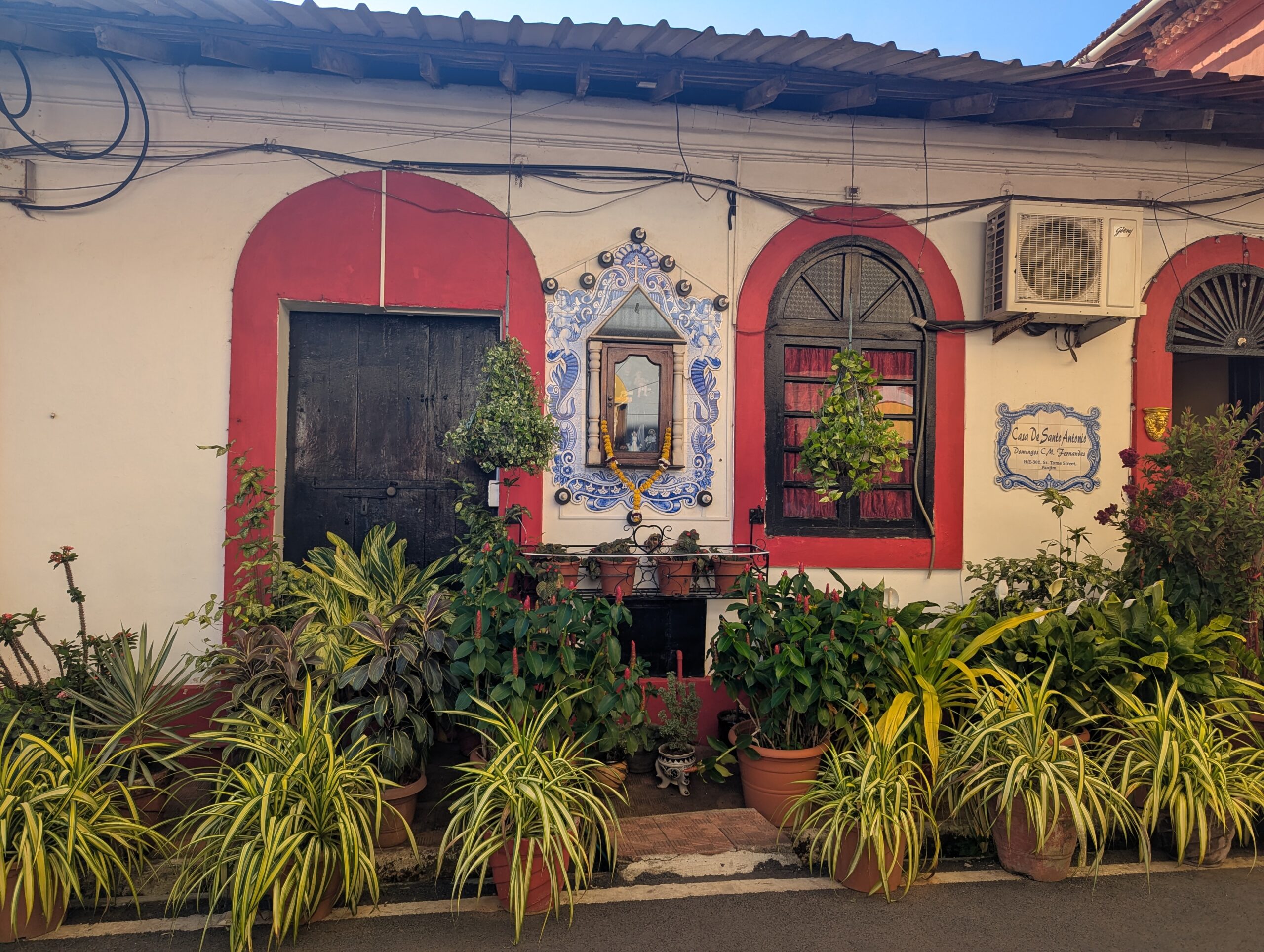
Portugal? Latin America? For a moment I wasn’t sure. The pastel-coloured colonial buildings, the narrow streets, the humid warmth… But no — I was walking through Panaji, the laid-back capital of Goa. And that confusion is precisely what makes this city so compelling: a slice of the Mediterranean with a tropical twist, right in the heart of India.
Why Visit Panaji?
Panaji (also known as Panjim) is the colourful capital of the Indian state of Goa, offering a fascinating blend of Portuguese colonial architecture and authentic Indian life.
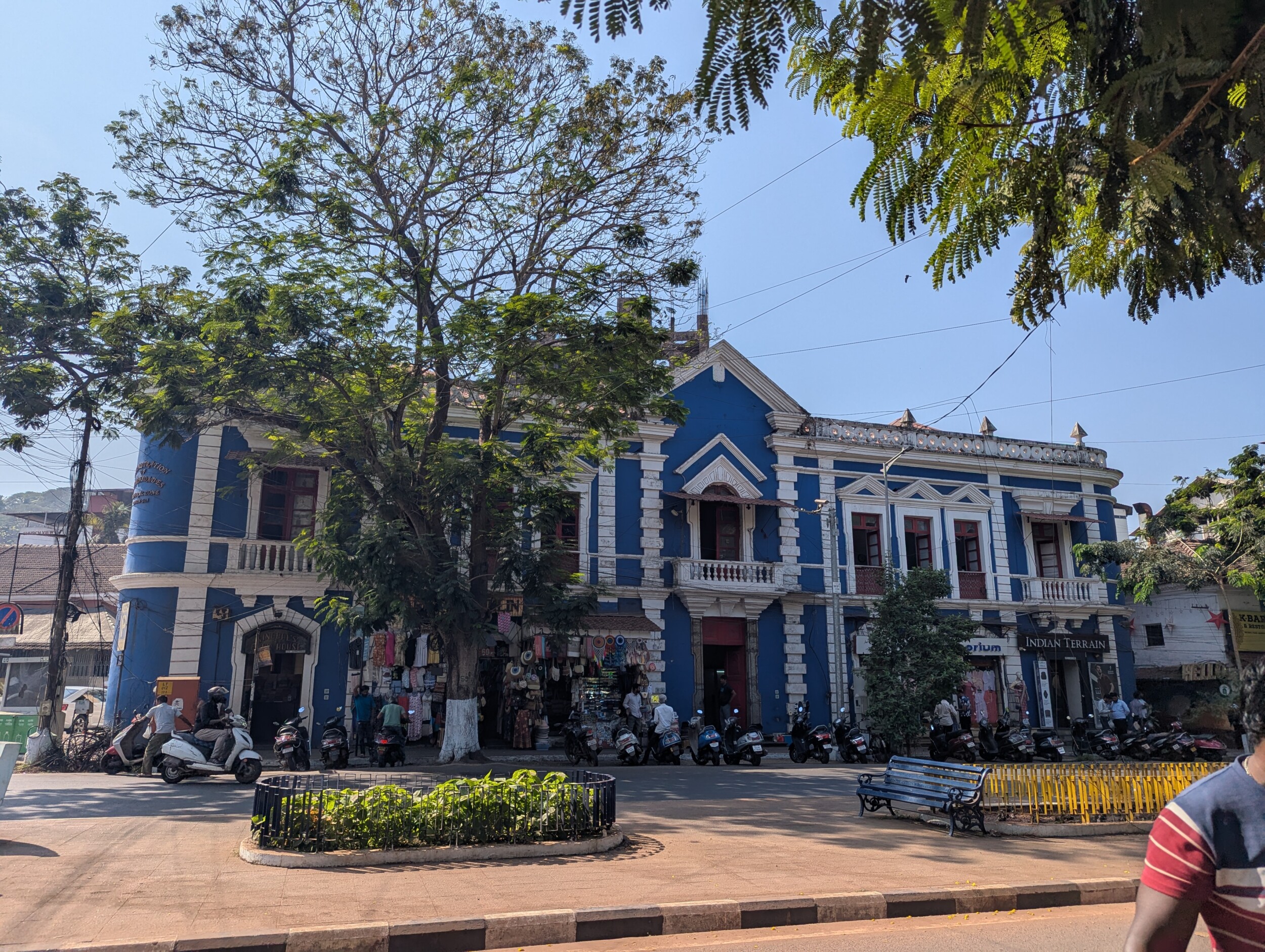
This relaxed city on the banks of the Mandovi River is a perfect contrast to Goa’s beach scene — and surprisingly quiet compared to other Indian state capitals. With just over 114,000 inhabitants, Panaji has a small-scale, almost Mediterranean atmosphere that takes you straight back to the Portuguese colonial era.
Top Sights in Panaji
Fontainhas: The Latin Quarter
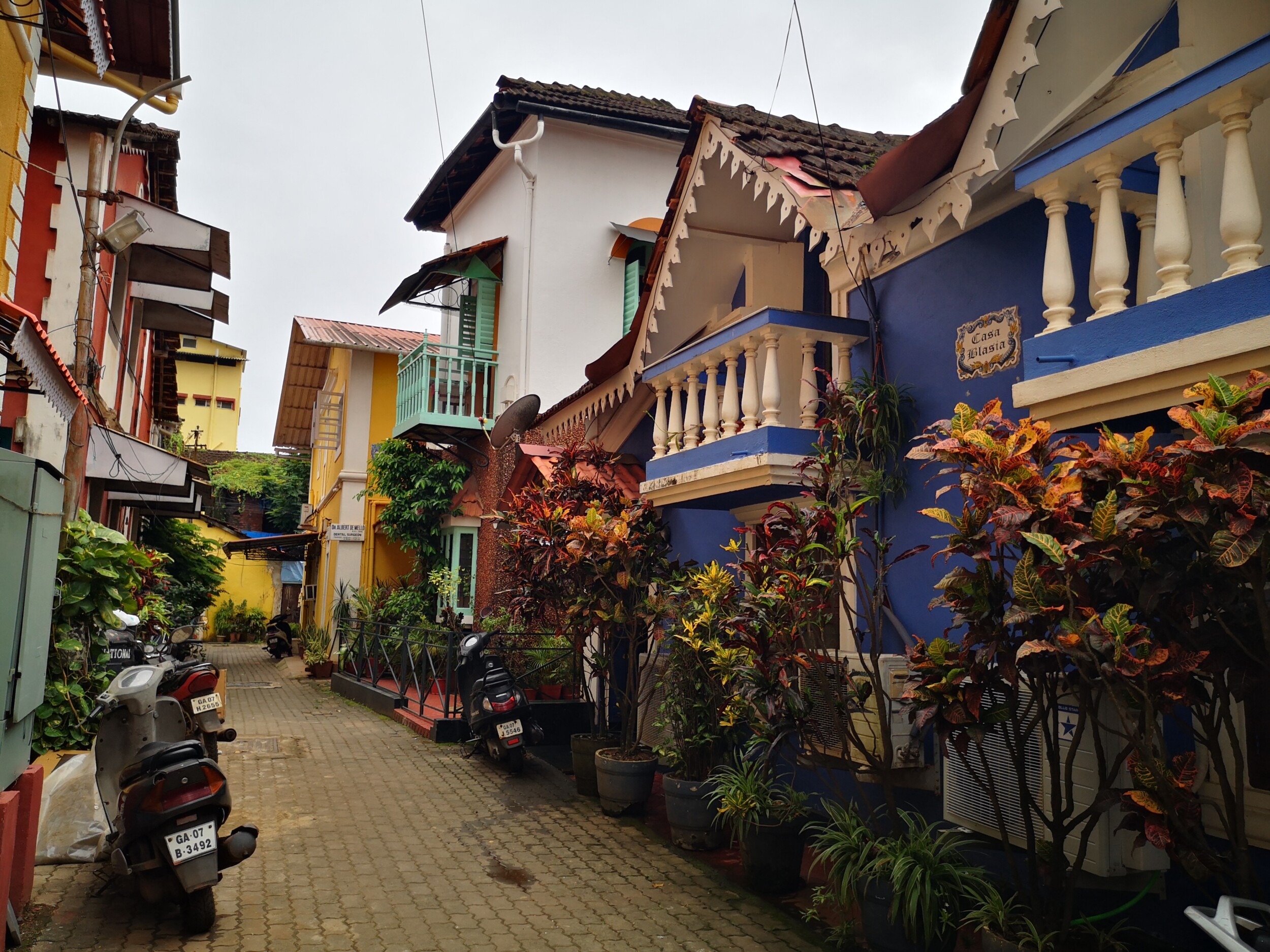
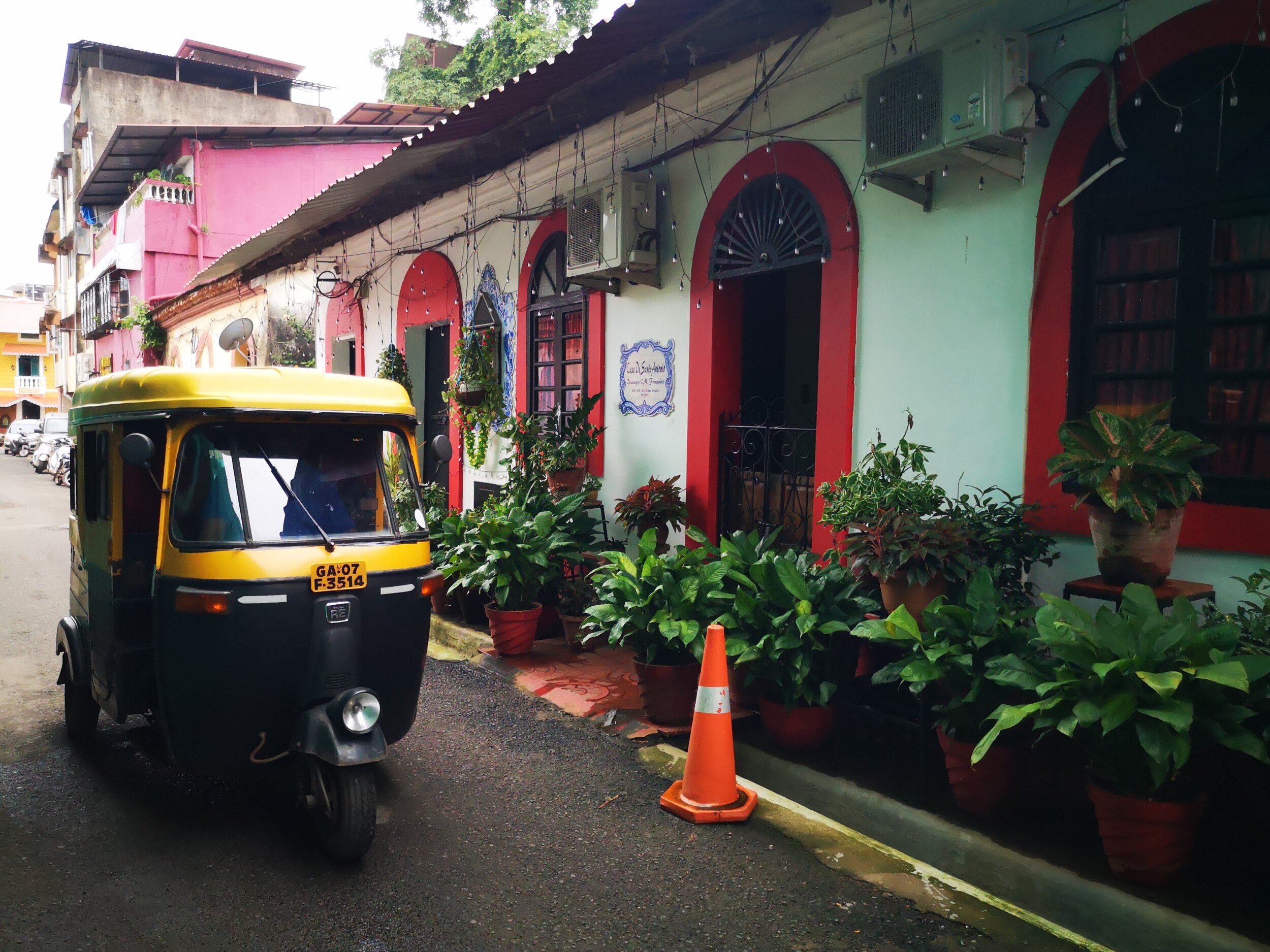
Fontainhas is without doubt the most beautiful part of Panaji. This historic neighbourhood, dating from the late 18th century, feels more like a Portuguese town than an Indian city. The narrow, winding streets are lined with pastel-coloured villas in yellow, green and blue, all topped with the characteristic terracotta-red roof tiles. For a moment, you could genuinely believe you were in Lisbon or Porto.
Tips for your visit:
- Plan at least half a day to wander through the neighbourhood at your own pace
- Early morning or around sunset offers the best light for photos
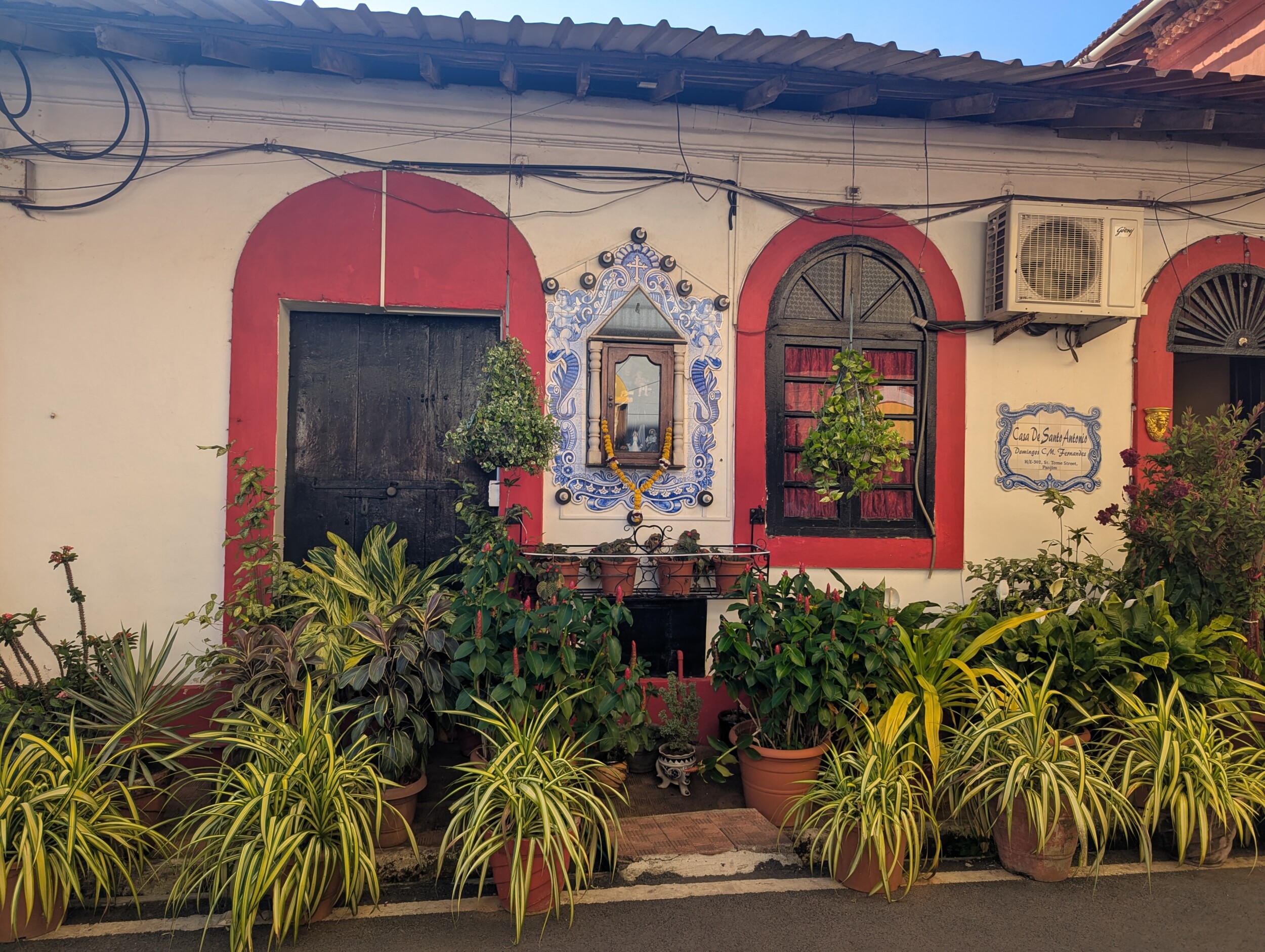
- Look out for the typical Portuguese azulejo tiles by the doorways
- Visit the charming San Sebastian Chapel in the heart of Fontainhas
Church of Our Lady of Immaculate Conception
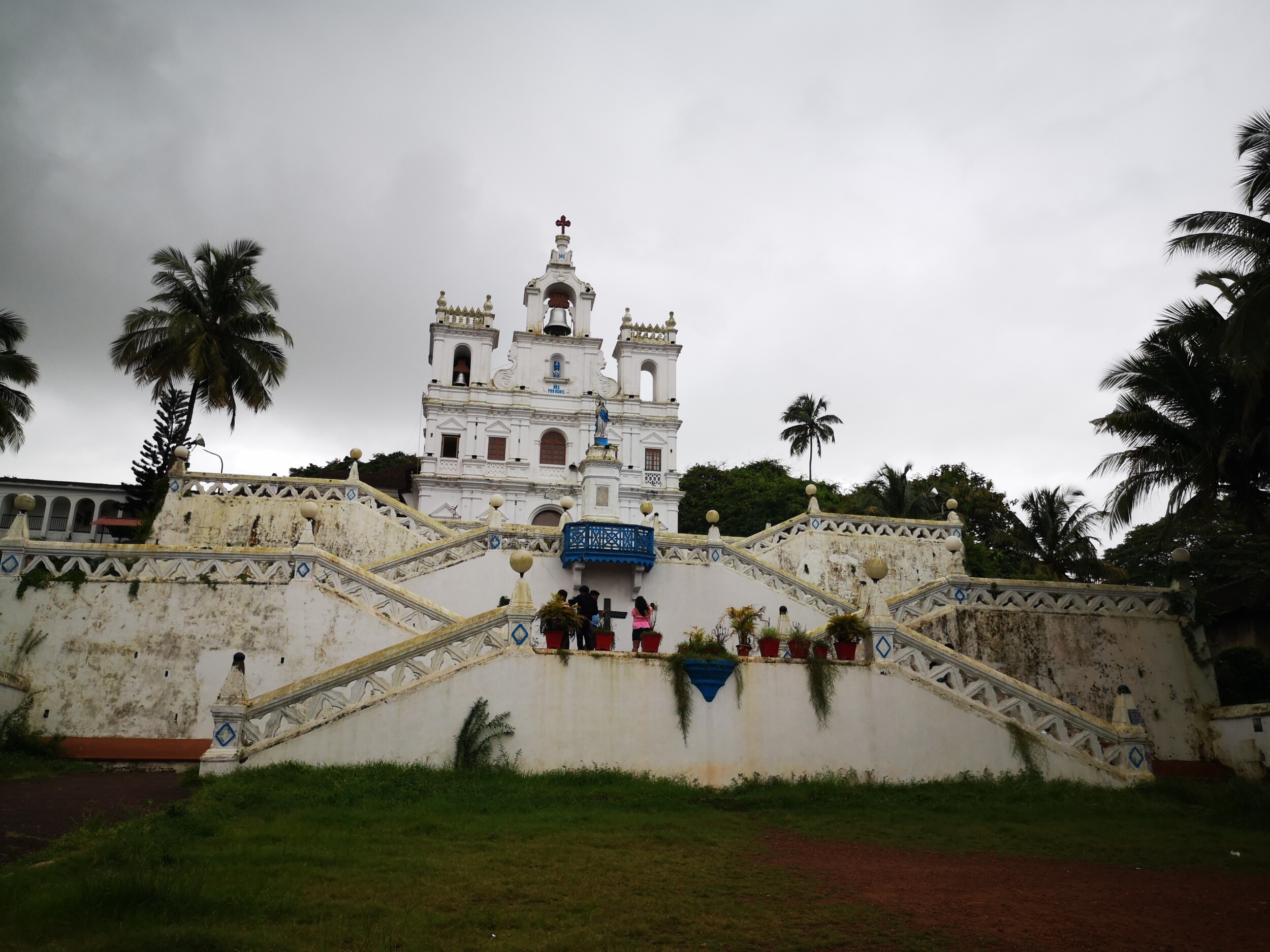
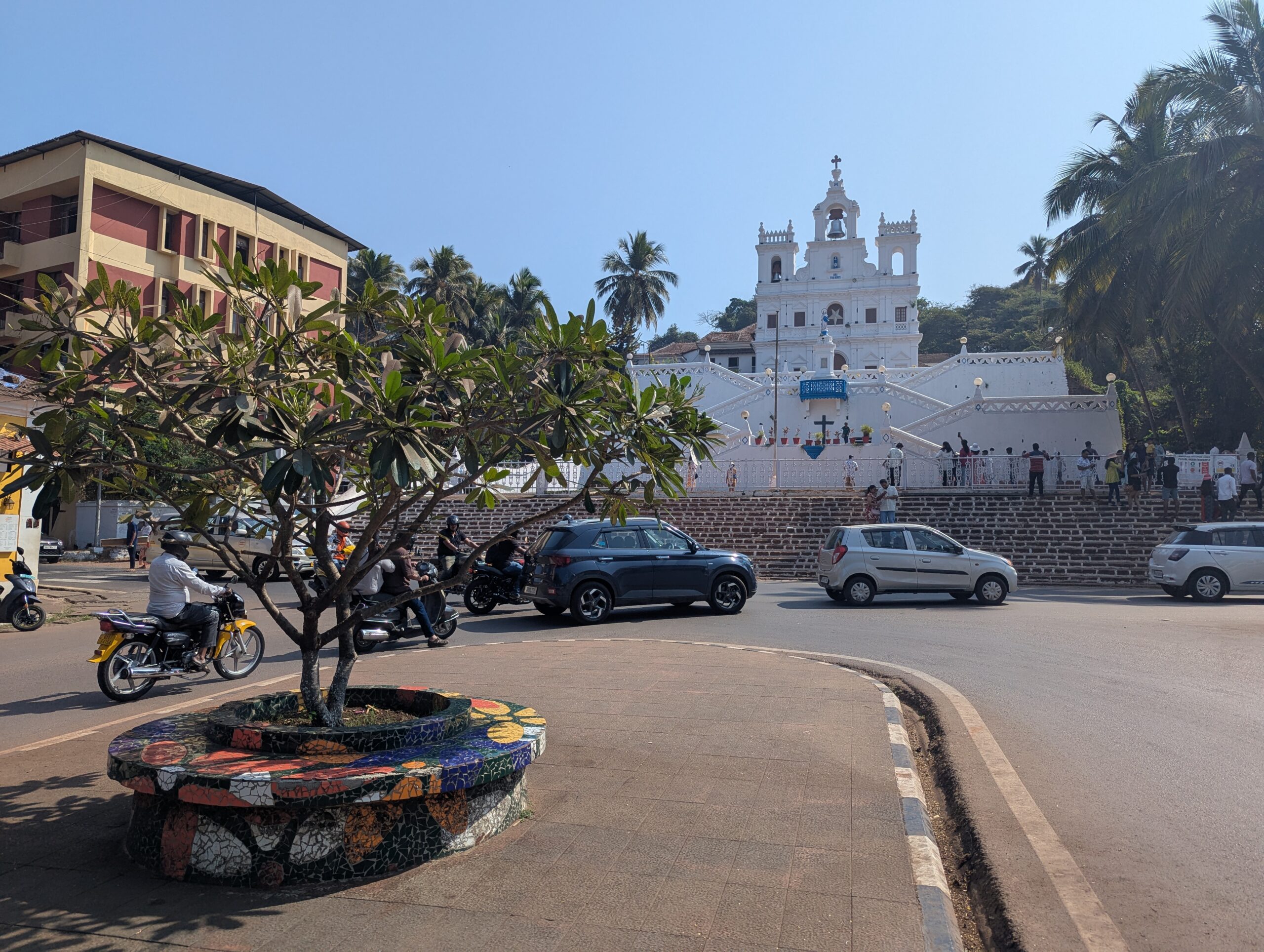
This striking white church with its iconic baroque staircase is Panaji’s most recognisable landmark. Dating from 1541, it sits beautifully on a hillside overlooking the city. The staircase leading up to the church counts 78 steps and is a favourite photo spot for tourists and locals alike.
When to visit:
- During the day for the architecture at its best
- Around Christmas for spectacular lighting
- Early in the morning to beat the crowds
Promenade along the Mandovi River
The wide boulevard following the river is ideal for an evening stroll. Here you’ll find floating casinos lit up in neon, and tourist cruise boats departing for a ride along the Mandovi. An evening cruise is a lovely way to see Panaji from the water.
Maruti Temple on Altinho Hill
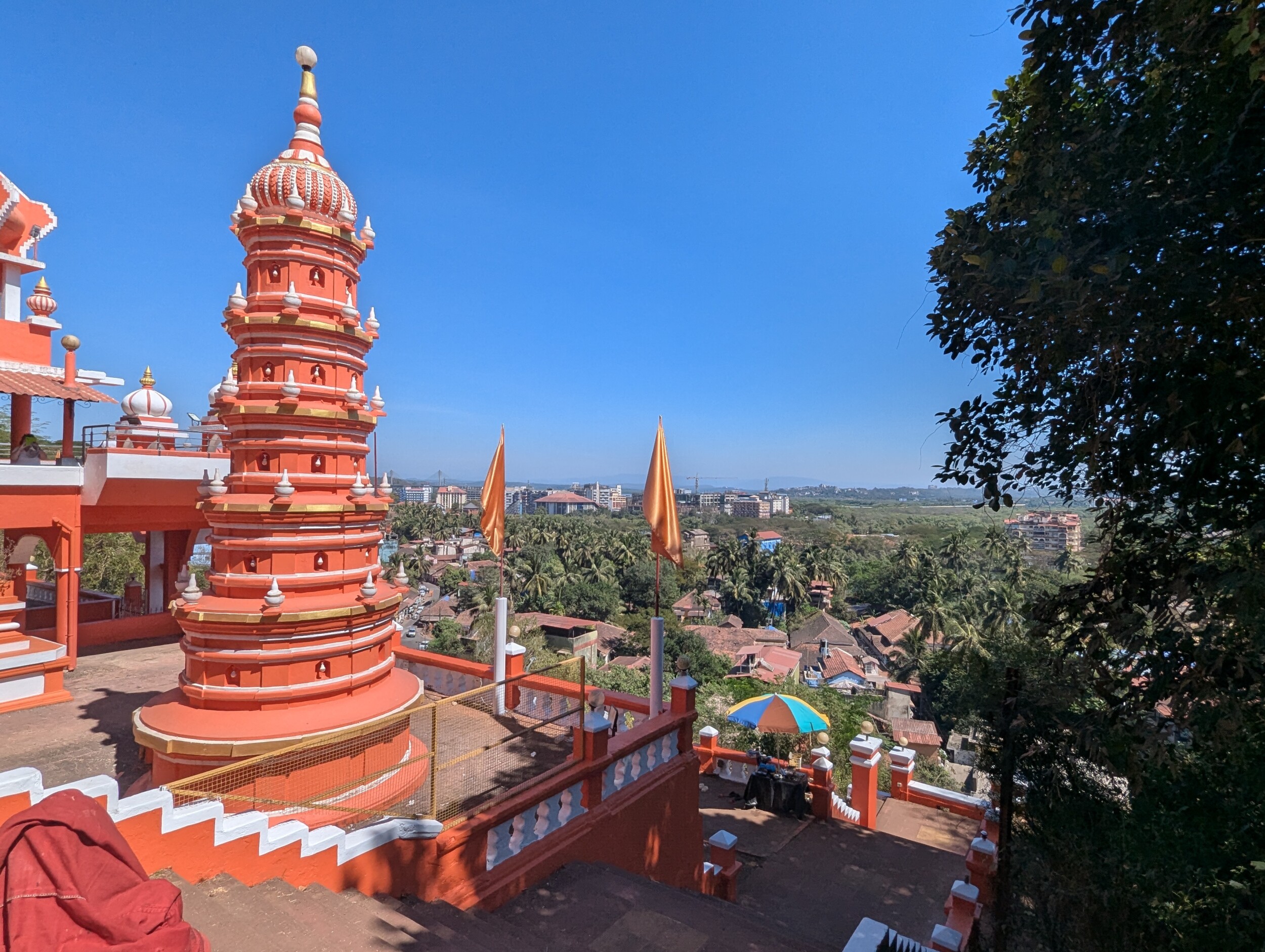
For a beautiful panorama over Panaji and a pleasant walk, the Maruti Temple is well worth the effort. This bright orange Hindu temple, dedicated to the monkey god Hanuman, sits at the top of Altinho Hill. The walk up takes you through the colourful streets of Fontainhas and rewards you with a sweeping view over the city, the Mandovi River and the red rooftops of the colonial neighbourhood.
Old Goa: UNESCO World Heritage Site, 9 km Away
The Churches and Convents of Old Goa
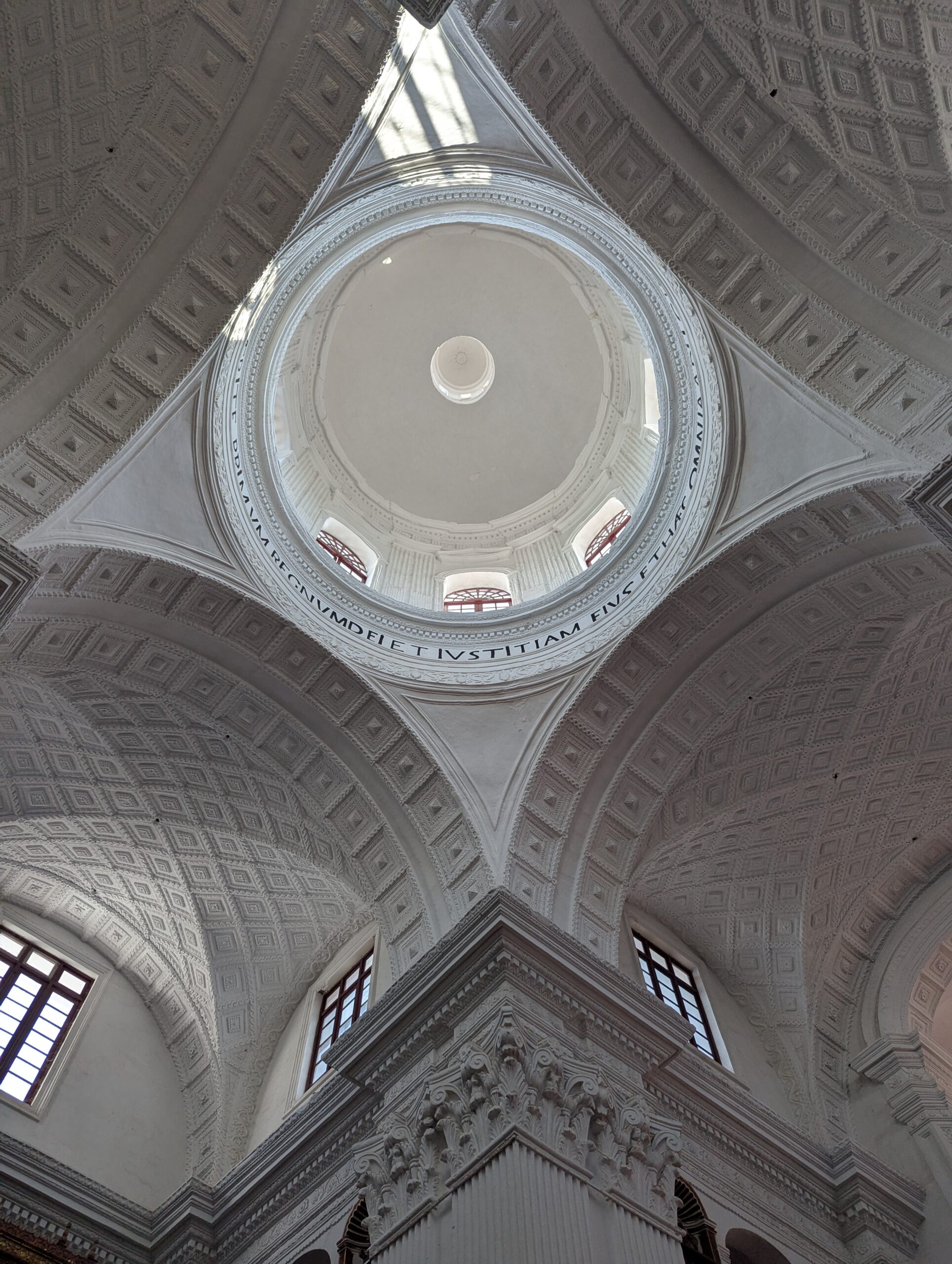
No visit to Panaji is complete without a day trip to Old Goa, the former capital of Portuguese India. The city was abandoned in the 18th century following cholera and malaria outbreaks, but its imposing churches and cathedrals still bear witness to a rich history. The churches of Old Goa have been a UNESCO World Heritage Site since 1986.
Must-see churches:
- Basilica of Bom Jesus — The most visited church in Old Goa, housing the relics of St Francis Xavier. The baroque architecture from 1600 is extraordinary.
- Sé Cathedral — One of the largest churches in Asia, famous for its golden bell.
- Church of St Francis of Assisi — A fine mix of Manueline, Gothic and baroque elements, dating from 1517.
- Ruins of St Augustine’s Tower — Impressive remains that give a sense of the grandeur of the colonial past.
Practical details:
- Distance from Panaji: 9 kilometres
- Travel time: 20–30 minutes by bus, taxi or scooter
- Church entrance: free
- Allow at least 2–3 hours for your visit
- Cover your shoulders and knees out of respect
I visited Old Goa by doing a biketour which also brought me to Divar Island. I really enjoyed my afternoon cycling and exploring! Read all about that biketour.
Food Tour and Eating in Panaji
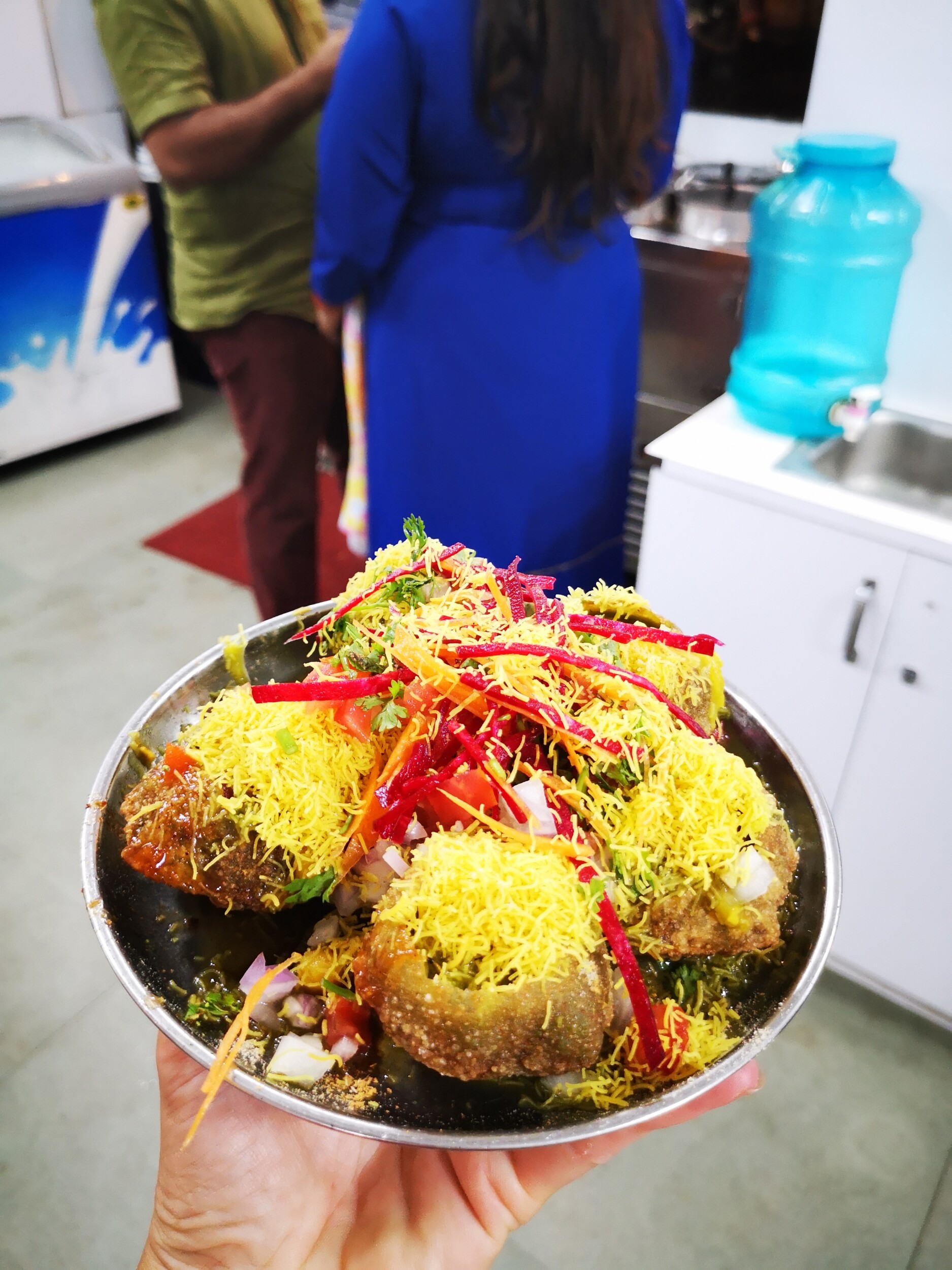
Goan cuisine is a unique fusion of traditional Indian flavours and Portuguese influences. Coconut, kokum, tamarind, cashew nuts and red chillies are the base of many dishes. Unlike much of the rest of India, you’ll also find pork and beef on menus here quite often.
My Food Tour Experience
I joined a food tour through Panaji that introduced me to the local food culture. It was enjoyable and informative, though honestly it could have been better — not all the locations were the most authentic, and some stops felt a bit on the tourist side. If you’re considering a food tour, ask specifically which restaurants are included and check the reviews carefully.
Best Restaurants in Panaji
For authentic Goan food:
- Viva Panjim — Family restaurant in a Portuguese house in Fontainhas. Perfect for prawn curry and vindaloo. Genuine atmosphere. (€€)
- Casa Bhonsle — Known for their fish thali with a variety of fish dishes. Popular with locals. (€€)
- Bombil Restaurant — Specialises in seafood, especially Bombil fry. Affordable prices. (€€)
Go for a special dining experience to:
- Black Sheep Bistro — Goa’s top-rated restaurant. Farm-to-table concept. Reservations recommended. (€€€€)
- The Verandah Restaurant — In Panjim Inn, lunch on the balcony with views over Fontainhas. (€€€)
For breakfast:
- Café Tato — Traditional Goan breakfast. Try the pão with chorizo. (€)
And for a good coffee:
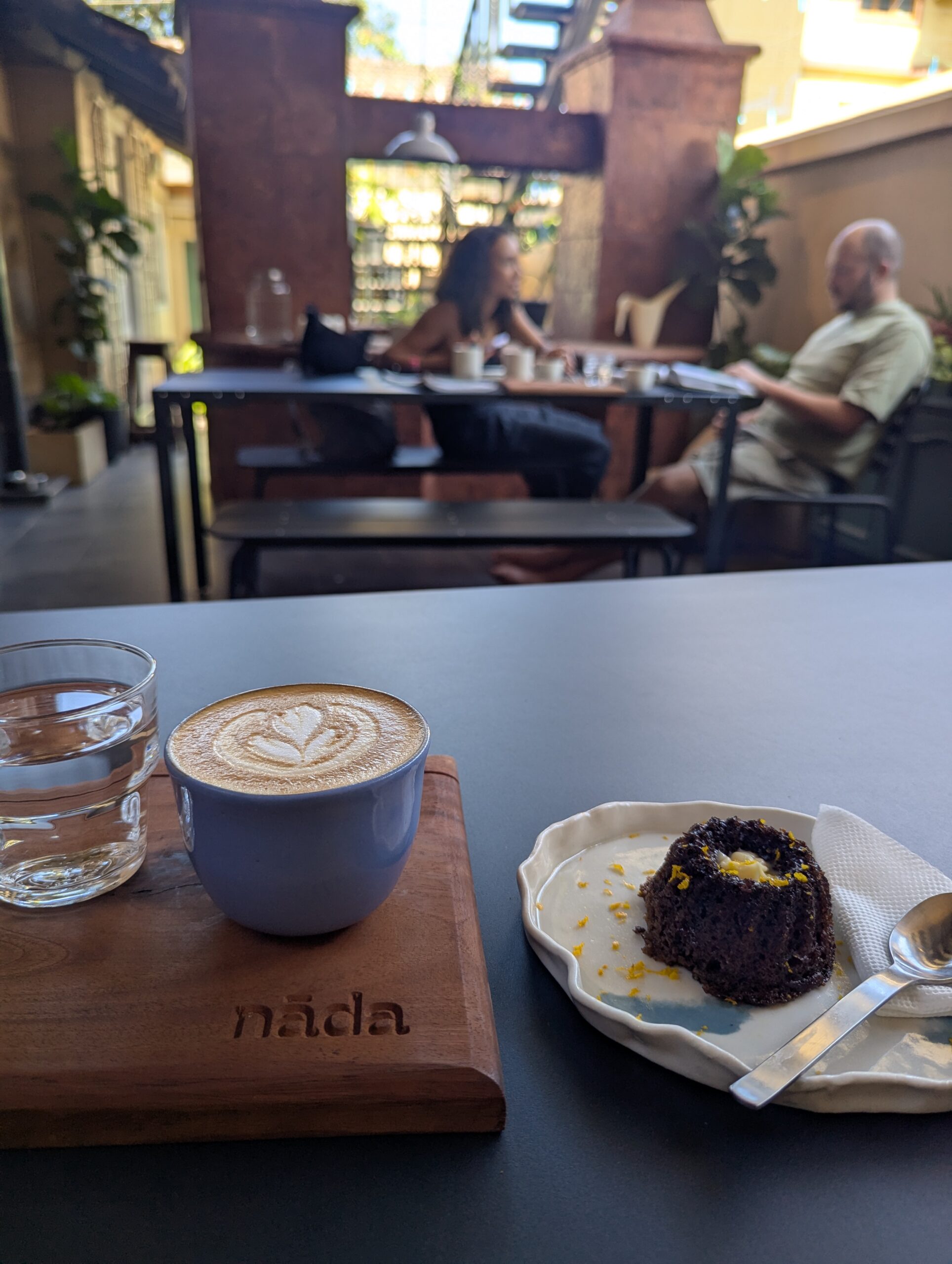
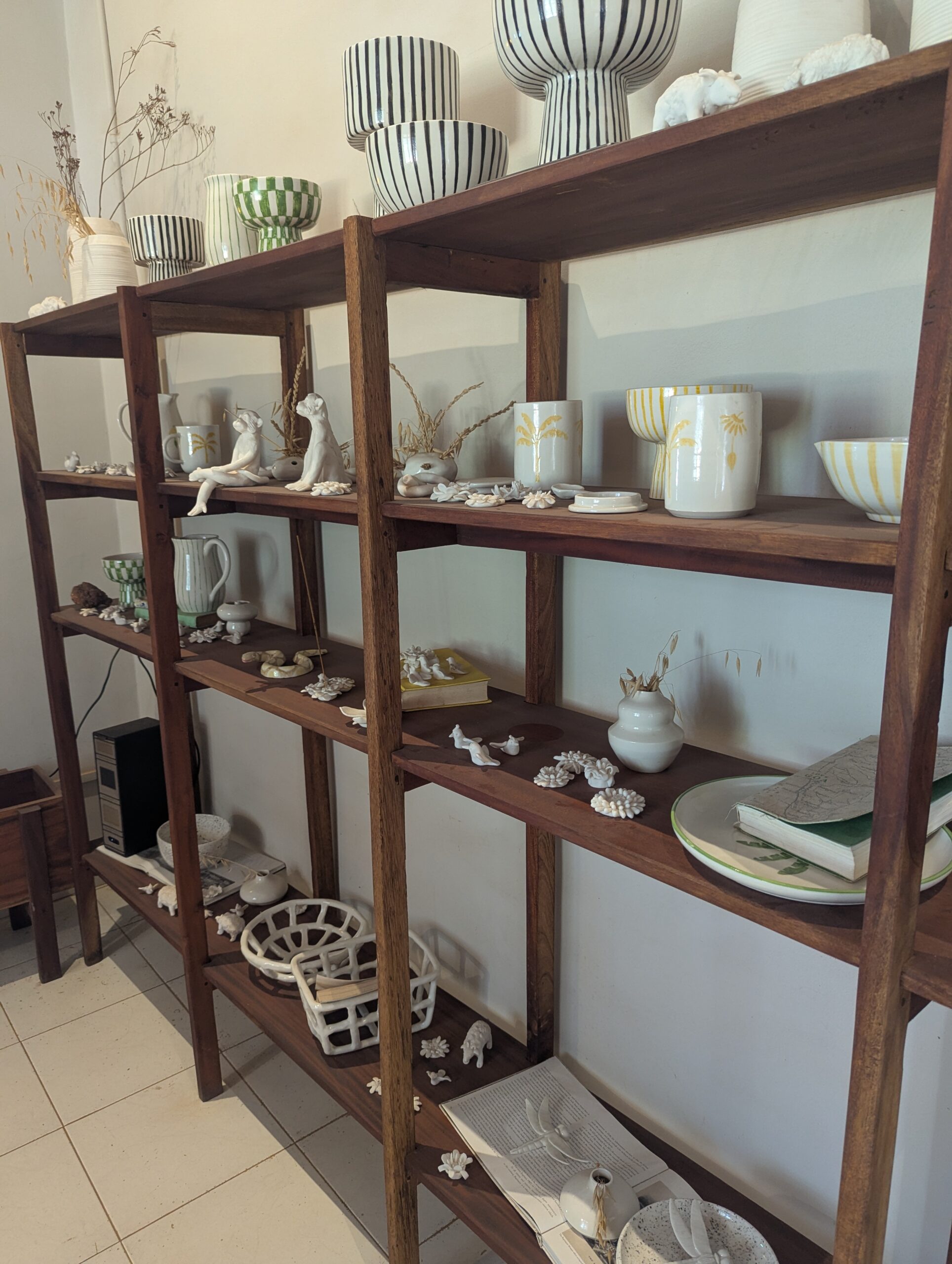
- Nada — Art Café & Gallery — This welcoming coffee spot in a 100-year-old colonial house in Fontainhas is a genuine local find. The coffee is excellent and it’s a comfortable place to work on your laptop. Take a few minutes to wander through the space — there’s beautiful artwork and thoughtful souvenirs throughout.
Where to Stay in Panaji
Heritage hotels (a unique experience):
- WelcomHeritage Panjim Inn — 130-year-old family house in the heart of Fontainhas. Authentically furnished with antique pieces. Restaurant on site. From €70 per night.
- La Maison Fontainhas — Luxury villa with restaurant and bar. Free breakfast and WiFi. Excellent service. From €100 per night.
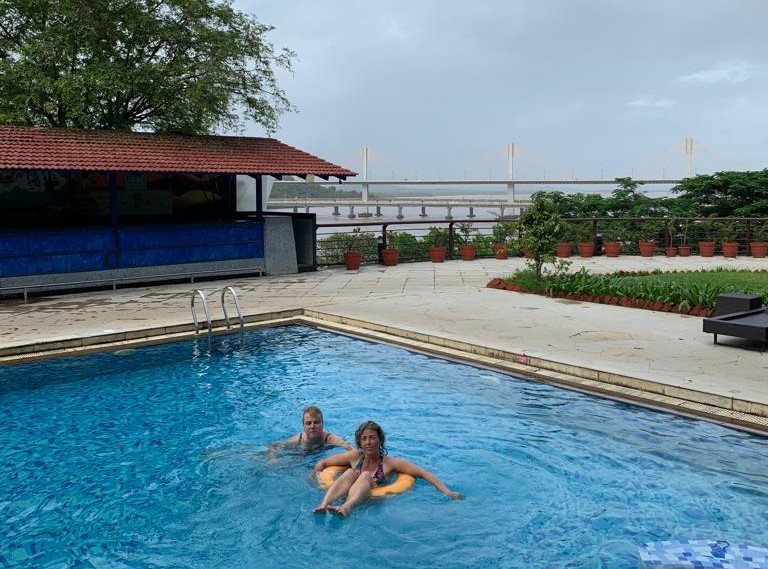
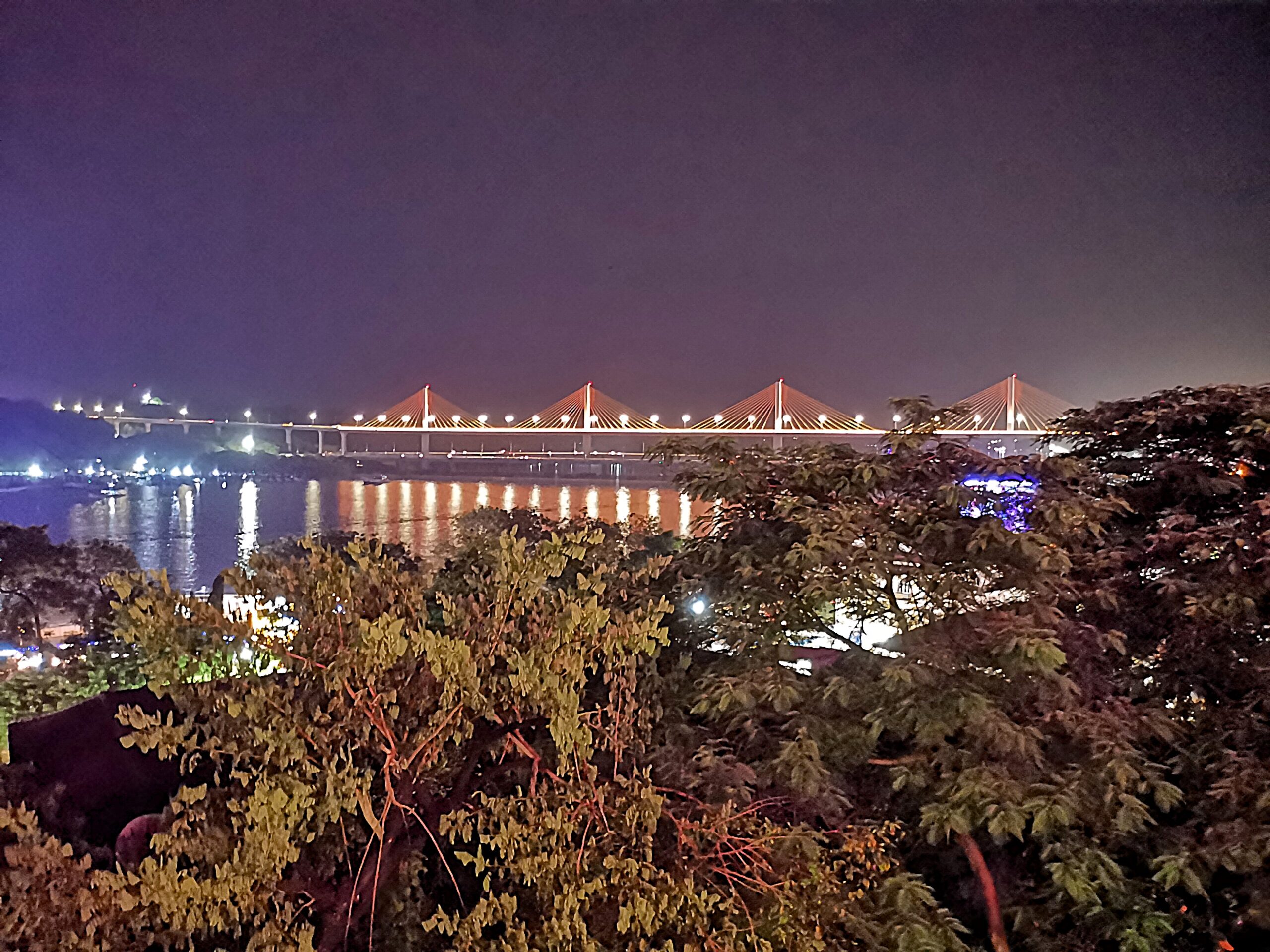
- The Crown — If a pool is on your wish list, The Crown sits slightly higher in Fontainhas with breathtaking views over the Mandovi River.
Budget options:
- Afonso Guesthouse — Small guesthouse with authentic character in Fontainhas. Good value for money. From €40 per night.
- GoSTOPS PLUS Goa — Budget option, 9 minutes’ walk from the Goa State Museum. Ideal for backpackers. From €6 per night.
Practical Information
How to Get to Panaji
Goa has two airports, and it doesn’t make a huge difference which one you use. The newer airport GOX, opened in 2023, is increasingly becoming the main gateway to Goa. In terms of time and distance, there’s not much to choose between the two.
From Manohar International Airport (GOX) — Mopa, North Goa (~35 km from Panaji)
- Taxi: approximately ₹1,200–1,800 (€13–20), around 45–60 minutes
- Bus (KTCL): approximately ₹200 (€2.20), around 1 hour — runs several times a day to Panaji KTC Bus Stand
From Goa Airport (Dabolim — 30 km)
- Taxi (fastest & easiest)
- Price: ₹870–921 (€9–12)
- Duration: 35–45 minutes
- Use the official Yellow Black Prepaid Taxi at Arrivals
- App: GoaMiles for fixed rates
- Bus (cheapest)
- Price: ₹150 (€1.70)
- Duration: 50–60 minutes
- Departures: 7:30, 8:00, 13:30, 16:00
- Note: only 4 buses per day
Getting Around Panaji
- On foot — The city centre and Fontainhas are small and easy to explore on foot
- Scooter rental — ₹300–500 per day, ideal for day trips to Old Goa
- Auto rickshaw — Widely available; agree on the price before you get in
Best Time to Visit
- November – February (high season) Ideal weather: 25–30°C, dry and sunny. Perfect for sightseeing, though busier and more expensive.
- October & March (recommended) Good weather, fewer tourists, more affordable prices.
- June – September (monsoon) Heavy rainfall and lower prices — not ideal if you’re hoping for beach weather.
Conclusion
Panaji is an underrated gem in Goa that many visitors overlook in favour of the beaches. That’s a shame, because this charming capital offers a rare combination of Portuguese colonial architecture, authentic Indian culture, excellent food and an unhurried pace of life. The colourful streets of Fontainhas, the impressive churches of Old Goa and the lively local atmosphere make Panaji a destination genuinely worth building time into your Goa itinerary.
Plan at least 2–3 days in Panaji to really appreciate the city. It makes an excellent base for exploring both the cultural and coastal sides of Goa — and it’s far less overwhelming than most Indian cities, while still delivering that authentic India experience with a Mediterranean edge.
On every trip I take my own reusable water bottle #ad with me. My mission is to eliminate single-use plastic, and refilling instead of discarding is one of the easiest ways to contribute as a traveller. A foldable bag #ad for small purchases also helps cut down on unnecessary plastic waste along the way.
Frequently Asked Questions
- How many days should I plan for Panaji? Two days is ideal to explore Panaji and Old Goa at a relaxed pace.
- Are there beaches in Panaji? Miramar Beach is 15 minutes away, but it’s not Goa’s most impressive stretch of sand. For beautiful beaches, head to North Goa (30–60 minutes away).
- How do I get from the airport to Panaji? Goa has two airports — check which one your flight uses. From Manohar International (North Goa), a taxi takes 45–60 minutes and costs around €13–20. From Dabolim (South Goa), a taxi takes 30–40 minutes and costs €9–12. Buses are available from both airports but run less frequently.
Also read
- The Ultimate Travel Guide to Goa, India
- Complete Guide to Visiting Goa’s Spectacular Waterfall
- Read all you need to know for your visit to India
- Discover Mumbai’s Street Food Culture
This article contains affiliate links. If you book or purchase something through one of these links, we may receive a small commission at no extra cost to you.