
Yes — and it may surprise you just how safe. Oman consistently ranks among the safest countries in the world, not just in the Middle East. Women who travel there alone often say the same thing: they expected to be on guard, and instead found themselves genuinely at ease.
That does not mean you can switch off entirely. Oman is a conservative Muslim country, and understanding that context makes a real difference — both for your comfort and out of respect for the people who live there. But the combination of low crime, genuine hospitality, and a culture that treats women with respect makes Oman one of the best destinations in the world for solo female travel.
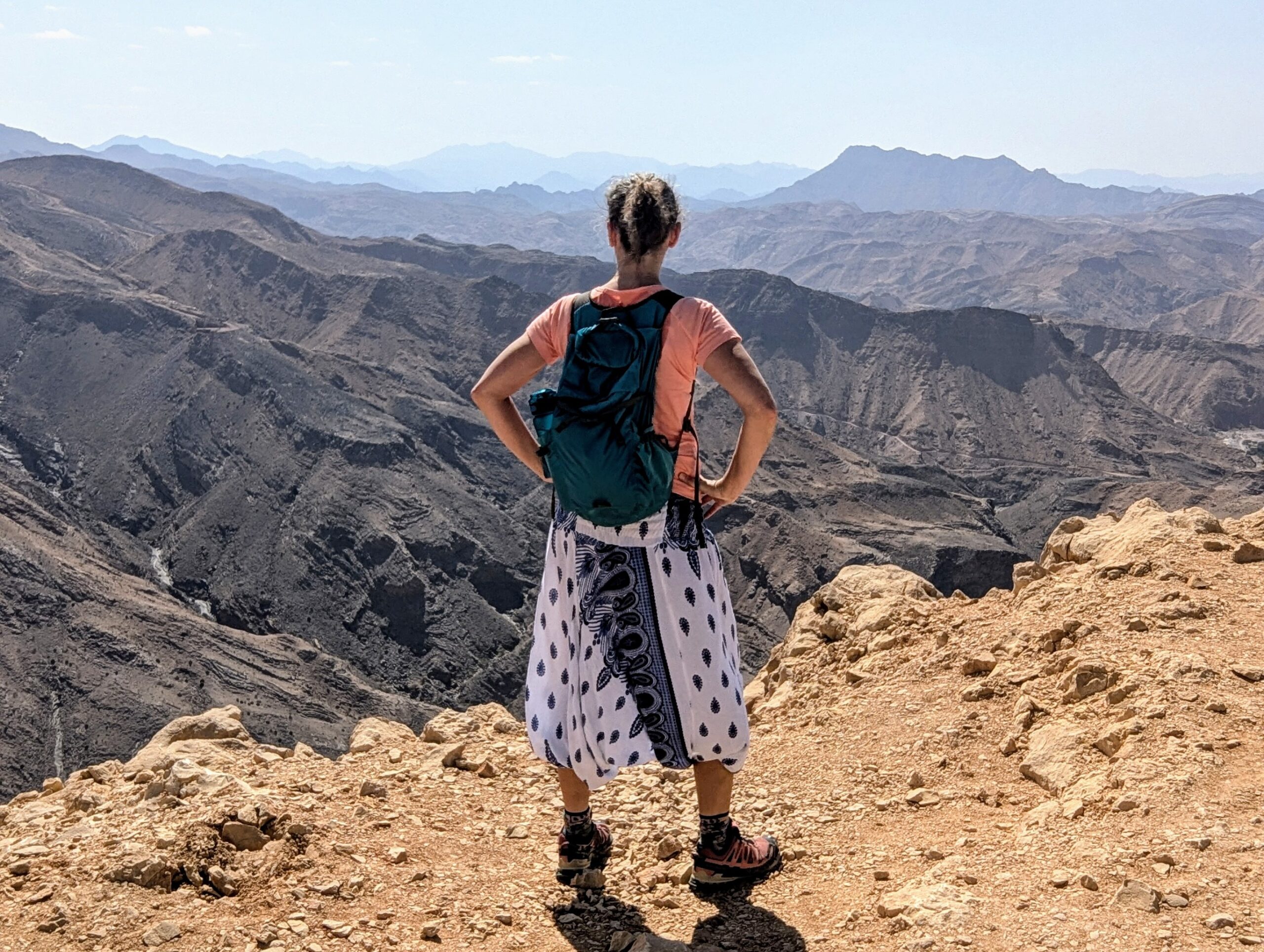
This guide tells you what traveling to Oman as a woman is actually like, based on first-hand experience in the country — including quieter, less-touristed areas that most travel blogs never mention.
Is Oman safe for women? What the data says
Oman scores remarkably well across every major safety index. The Numbeo Crime Index rates the country at just 11.34 out of 100 — one of the lowest scores in the world. The Global Terrorism Index gives Oman a score of zero. The Royal Oman Police are visible, professional, and harassment against tourists is not tolerated.
For women traveling alone specifically, Numbeo’s safety data gives daytime solo travel in Oman a score of 90.44 out of 100. Even nighttime safety scores 78.37 — figures that compare favorably to many Western European cities.
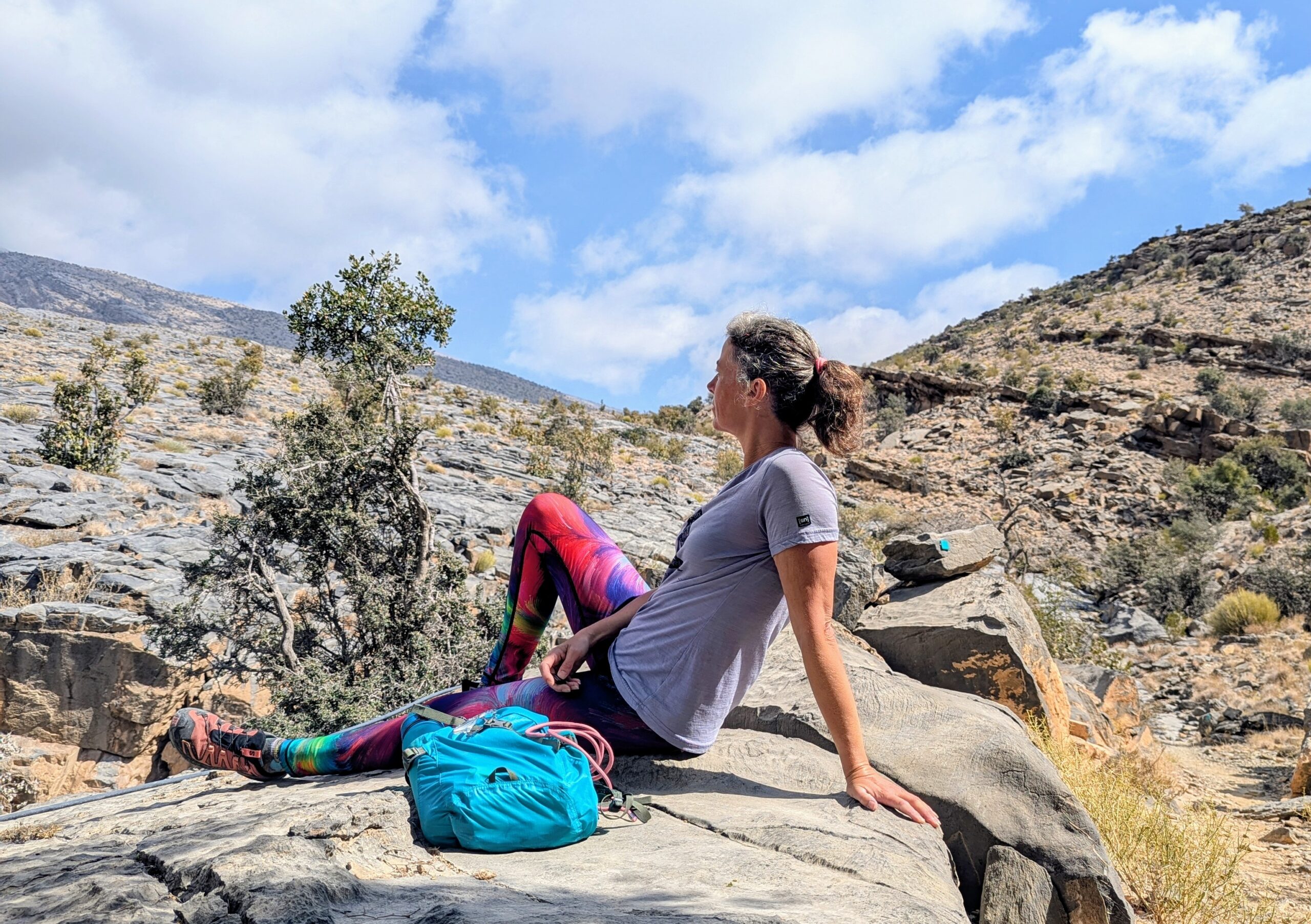
These numbers match what women actually report on the ground. Catcalling is almost nonexistent, I have not experienced this in Oman. Scams are rare. Theft and pickpocketing are virtually unheard of.
- Prepare your trip – Start in Muscat
What solo female travel in Oman actually feels like
The first thing most women notice is how little attention they attract. In countries where solo female travelers often brace for stares and unsolicited commentary, Oman is different. People are curious but not intrusive. You will get the occasional glance — especially in rural areas, where foreign women traveling alone are unusual — but it reads as interest, not hostility.
Omani men are generally respectful and helpful without being pushy. If you are struggling with directions or a car stuck in sand, someone will stop to help. You will be offered dates and coffee. You may be invited for tea. None of this comes with strings attached — it is simply how Omani hospitality works.
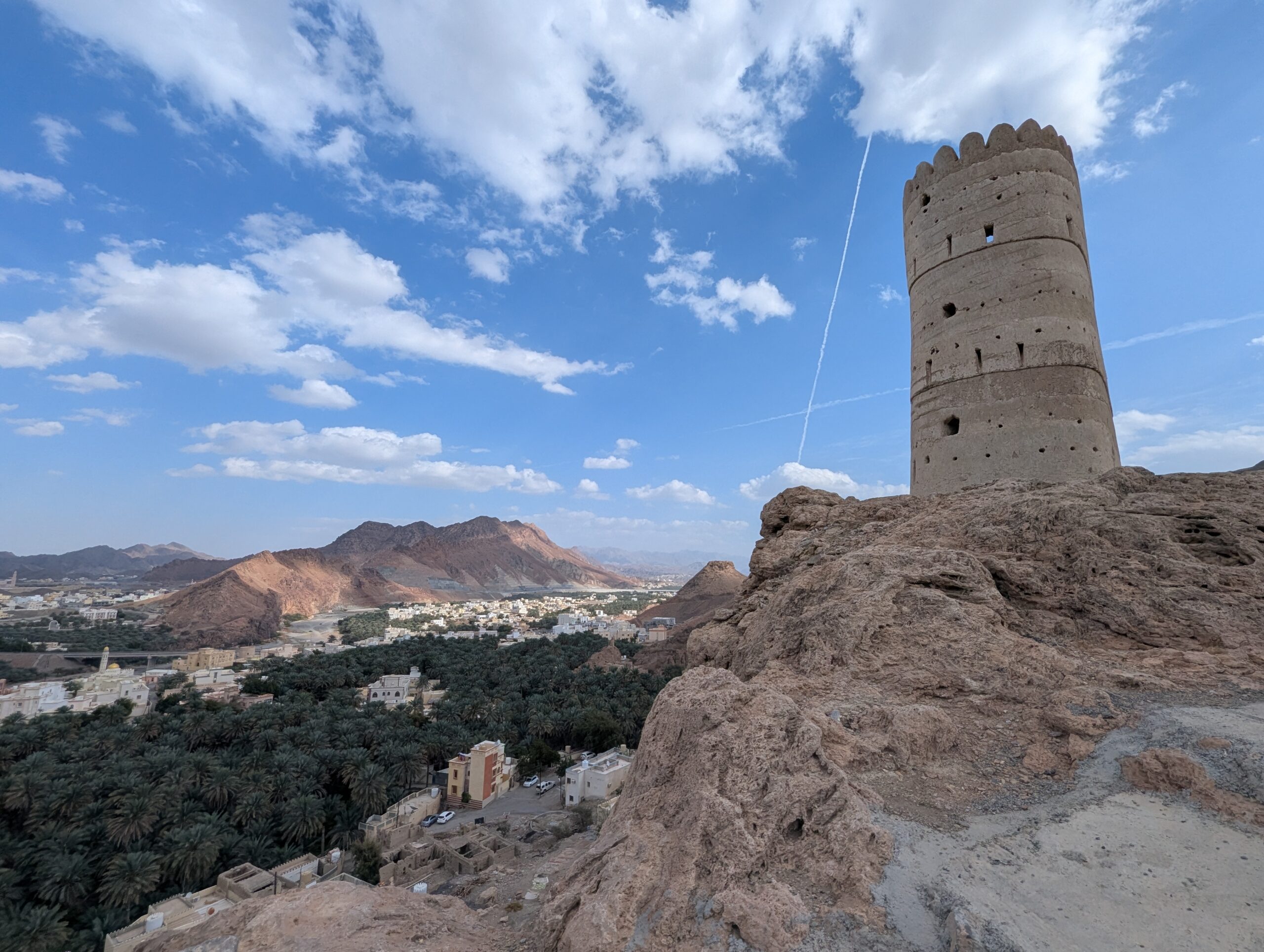
One thing worth knowing: because local women are rarely seen walking alone in public, especially outside of cities, you may feel conspicuous in smaller towns and rural wadis. It’s is not a safety concern, but it does mean you may attract more curiosity than you would in Muscat or Nizwa. The attention I had in places off the beaten path were really positive and welcoming.
There is one nuance that is worth being prepared for: migrant workers from South Asia, who make up a significant part of Oman’s workforce, can sometimes stare in a way that feels uncomfortable. This is widely reported by solo female travelers. It is not threatening, but it can be wearing in busy areas.
The cultural context of traveling to Oman as a woman
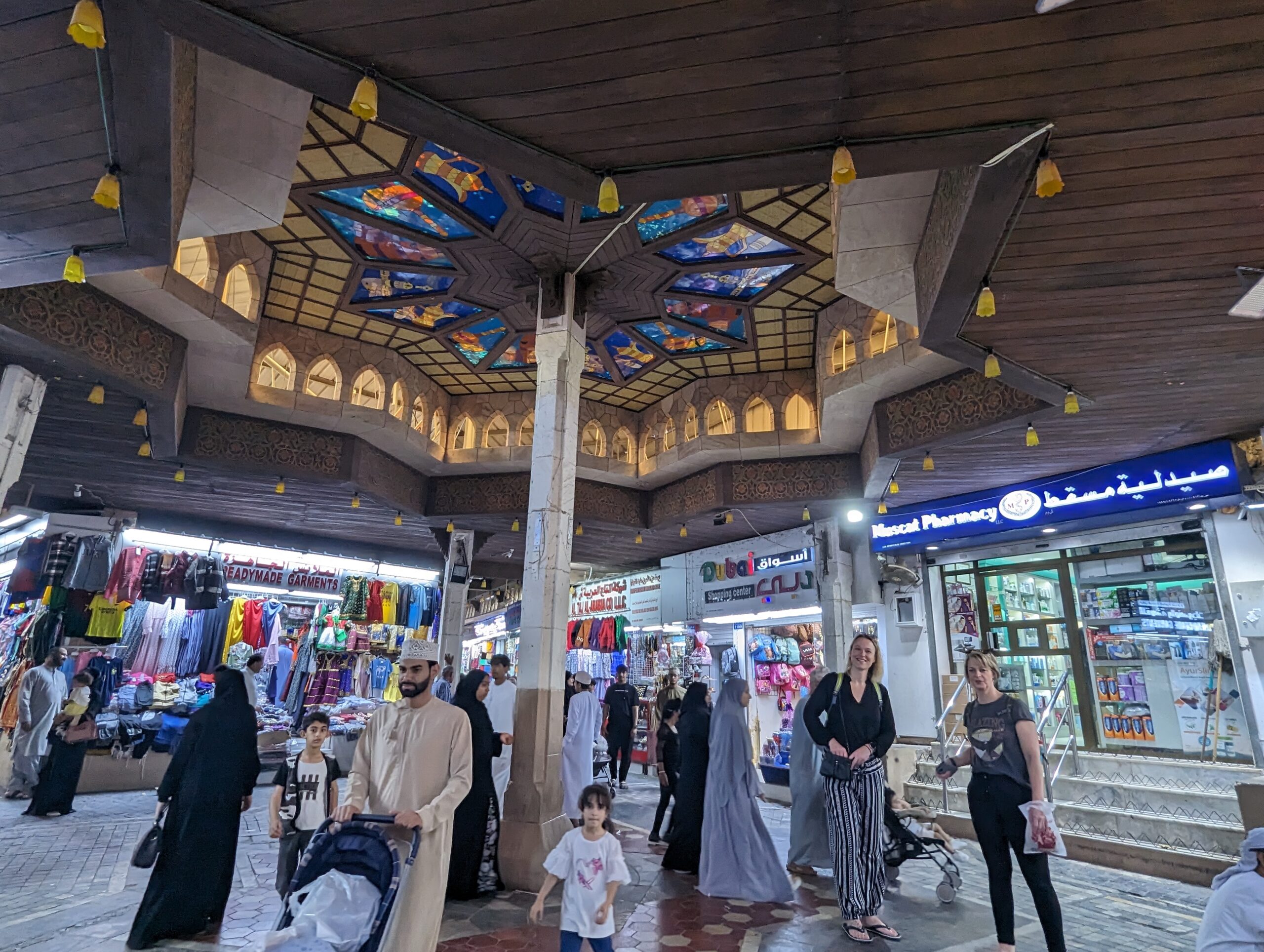
Oman is conservative, but not in a way that restricts foreign women. You do not need a male companion to travel, book a hotel, rent a car, or eat alone at a restaurant. There are no legal restrictions on where you can go or what you can do as a woman. What the culture does ask is modesty — and this is both a matter of respect and something that genuinely affects how you are treated.
Covering your shoulders and knees in public spaces, markets, and religious sites is appropriate and, in Oman’s heat, also a good manner to protect yourself from a sunburn.
You may be asked “Are you married?” fairly often in conversations. In Omani culture, a woman traveling alone without family is unusual, and the question comes from genuine curiosity. A simple answer is enough.

One notable upside: as a solo female traveler, you may find it easier than a solo man to be invited into Omani homes and family settings. Local women are often curious about foreign women and, in the right circumstances, will open up quickly.
What to wear in Oman as a woman
Getting your clothing right makes a real practical difference — both in terms of comfort and how you are perceived.
- In cities, markets, and public spaces: Loose-fitting trousers or a maxi skirt with a long-sleeved top. Shoulders and knees covered. Light linen or cotton is both modest and practical in the heat.
- At wadis and outdoor sites: Knee long lightweight trousers / yoga leggings and a rash guard or shirt work well in and near water — they dry quickly and are culturally appropriate. Avoid shorts and strappy tops, even at less-visited wadis.
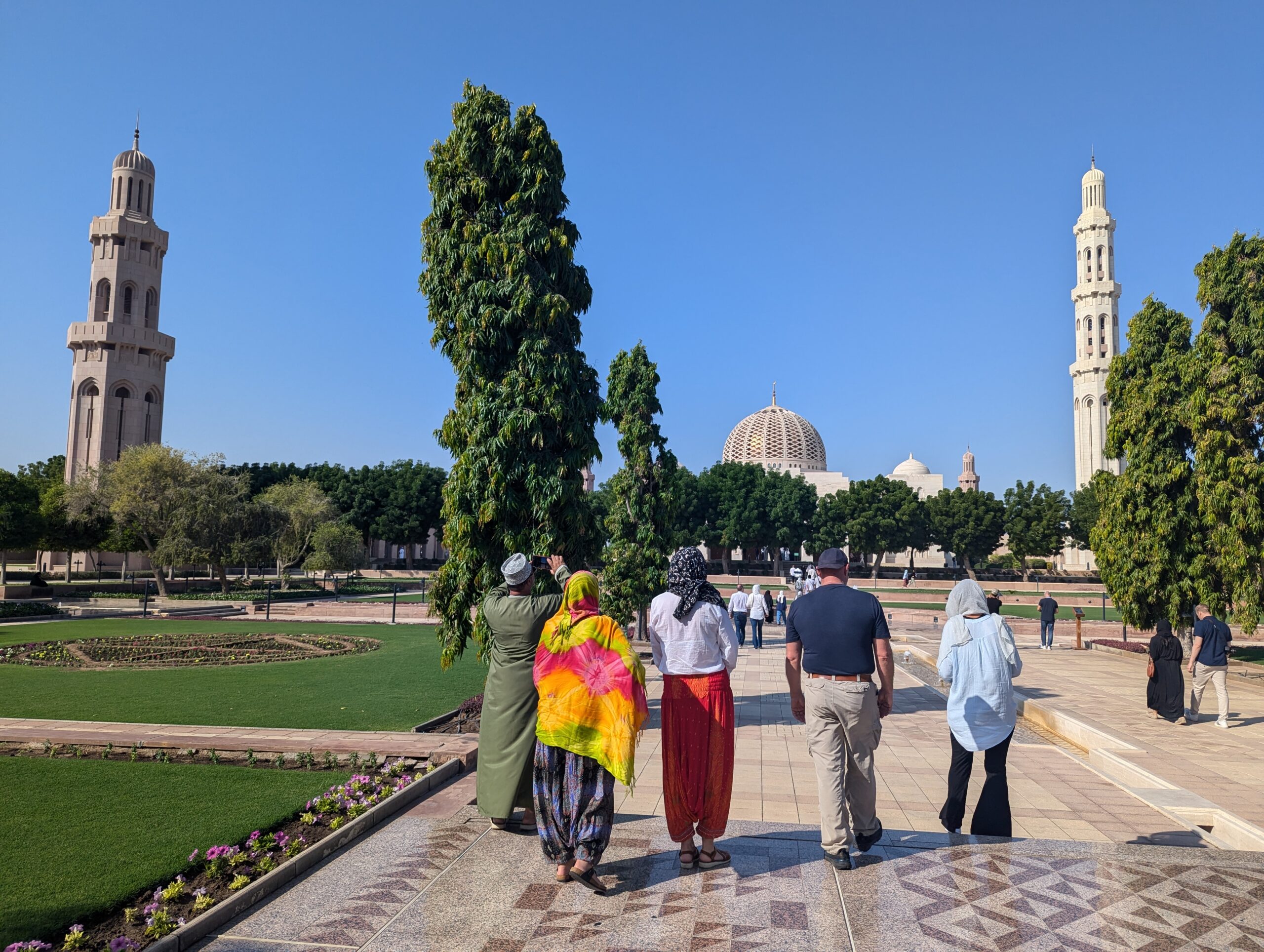
- At the Sultan Qaboos Grand Mosque: Full coverage including a headscarf is required. The mosque provides abayas at the entrance if you do not bring your own.
- At hotels, resorts, and private beaches: Normal swimwear is fine. The dress code relaxes entirely in private resort spaces.
A lightweight scarf or sarong #ad is one of the most useful items you can pack — it doubles as sun protection, a mosque cover, and something to throw over bare shoulders if you find yourself somewhere more conservative than expected. I also use it sometimes to sit on, as a towel or dress.
I always bring my own reusable water bottle #ad. My mission is to eliminate single-use plastic — refilling instead of throwing away is one of the easiest ways to contribute as a traveler.
Getting around Oman solo as a woman
Renting a car is by far the best way to travel Oman as a solo woman. It gives you full independence and control over your schedule. Roads are well-maintained, clearly signposted in English and Arabic, and traffic is calm. For wadi routes and desert areas, a 4WD is essential — not just recommended. Many of the most rewarding routes in Oman are unpaved.
If you prefer not to drive, use the Mwasalat app in cities — Oman’s equivalent of Uber, with fixed fares and vetted drivers. Careem also operates here. Official street taxis have orange roofs. Using apps wherever possible means you avoid haggling over fares.
Public transport between cities is limited and not set up for tourists. For anything beyond Muscat, independent transport or a guided group is far more practical.
Accommodation for solo female travelers in Oman
Staying alone in a hotel room is completely normal and accepted. No hotel will question a woman booking a single room. The main challenge is cost. Oman does not have much of a hostel culture, and mid-range options outside Muscat can be limited.
Practical options by type:
- Muscat has the widest range, from budget guesthouses to five-star hotels
- Nizwa, Sur, and Salalah have decent mid-range options.
- Desert camps in the Wahiba Sands are professionally run and set up for independent travelers
- Wild camping is legal, safe, and popular — along the coast and in the mountains, many solo travelers consider it a highlight
- Airbnb is available and reliable throughout the country
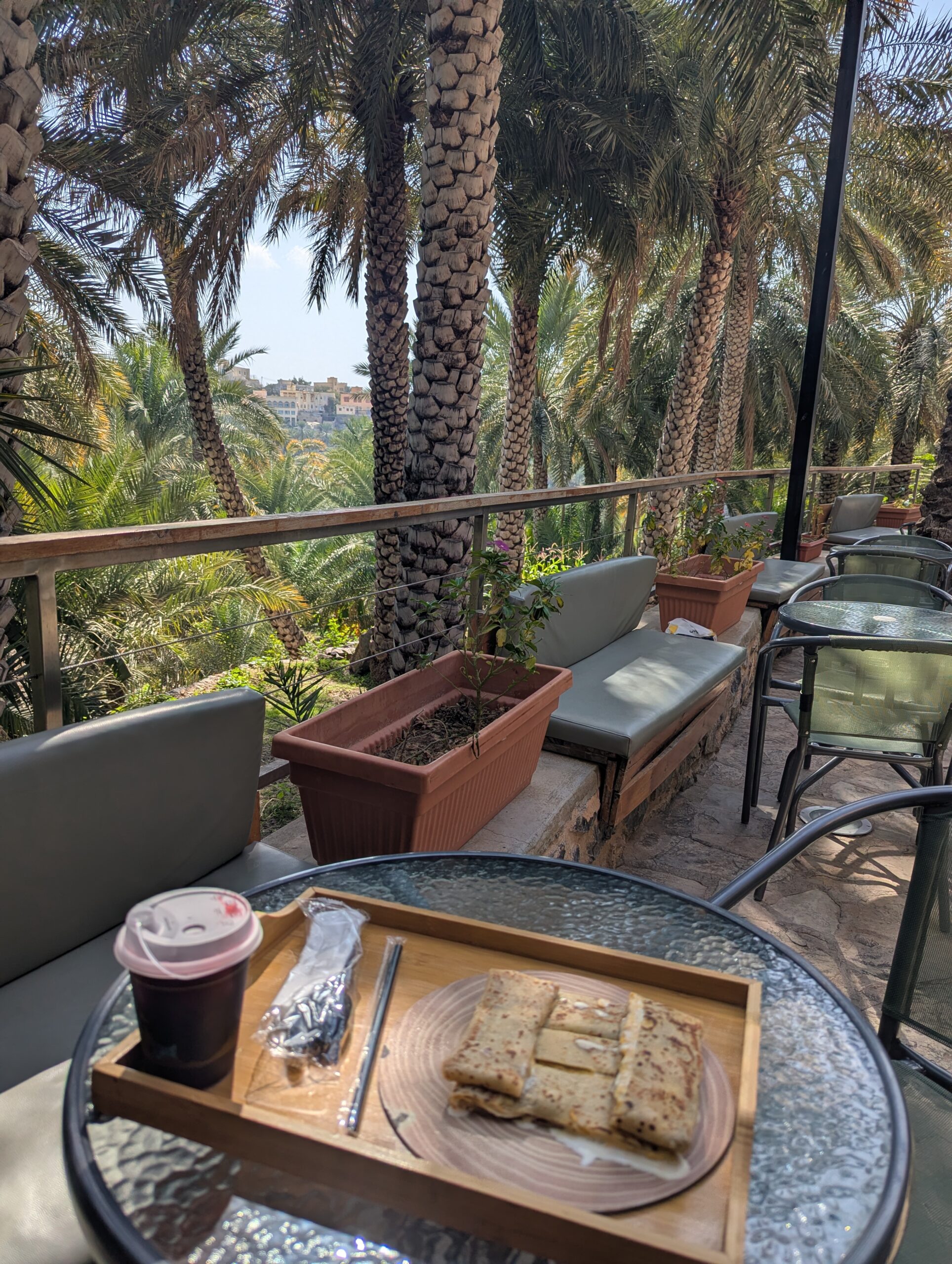
Wadi hiking as a solo woman in Oman
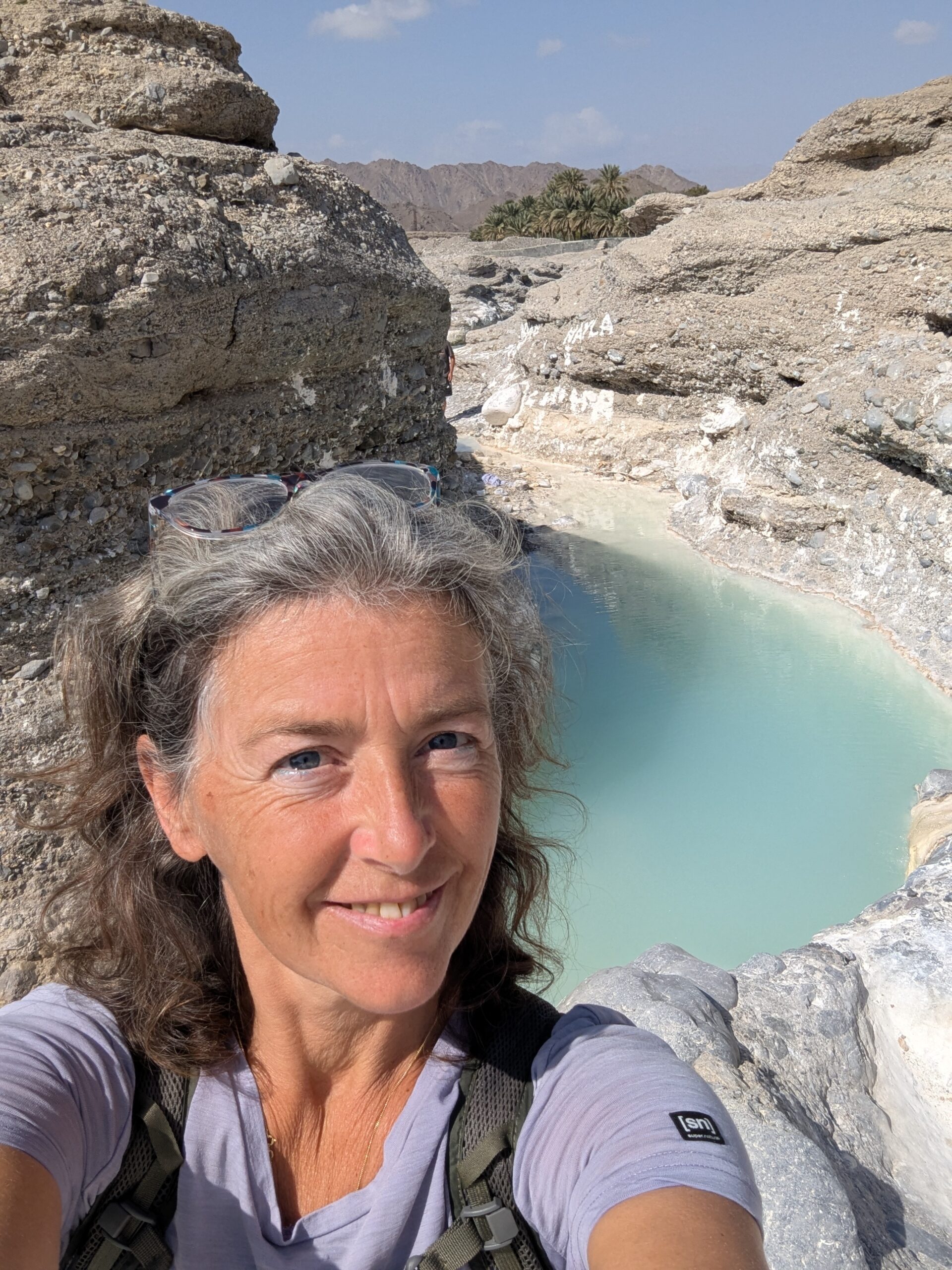
Wadi hiking is generally safe for women traveling alone. You will pass Omani families, other tourists, and the occasional local. Nobody will question why you are there.
The bigger concern is not social safety but physical safety. Flash floods, unmarked trails, and genuine remoteness mean you should always tell someone your plan, carry enough water, and download offline maps. I use maps.me for offline navigating. In narrow wadis, check weather conditions before entering — a storm many kilometres away can send a wall of water down a dry canyon with very little warning.
For the most remote wadis — areas off the main tourist trail such as Wadi Hoqain or the wadis (Snake Canyon / Wadi Bani Awf) around Rustaq — solo hiking carries more risk simply because help is far away. Joining a small guided group for these routes is worth considering, not because of the people you will encounter, but because of the terrain itself.
Or go hike the Sa’al Steps near Muscat as I did on my solo trip in Oman
Oman solo travel tips: practical checklist
- Emergency number: 9999 (universal for police, ambulance, and fire)
- Download offline maps before leaving cities — signal disappears in mountain and wadi areas
- Get a E-SIM before entering Oman with a data package
- Share your itinerary with someone at home and share your location via whatsapp or Google Maps
- Travel insurance is essential — check that it covers adventure activities if you plan to hike or swim in wadis
- Carry some Omani Rials in cash for local restaurants, markets, and remote areas
- Bring any prescription medication with documentation; some drugs are restricted in Oman
Is Oman safe for solo female travelers? The bottom line
Yes, genuinely. Oman is one of the most consistently safe and welcoming countries for solo female travel anywhere in the world. The combination of extremely low crime, a culture of hospitality, and deep respect for women makes it stand out — not just in the Middle East, but globally.
The things to prepare for are real but manageable: conservative dress is expected, public transport is limited, and some remote areas require careful planning. None of these are reasons not to go.
Most women who travel Oman solo come back saying the country surprised them — not because it was difficult, but because it was so much more welcoming than they had expected.
Prefer to travel with a small group and an experienced guide? In December 2026 I am leading a small-group trip through Oman, visiting the highlights as well as some of the quieter spots most travelers never reach. Find out more about the Oman trip here.
When to go
The best time for solo female travel in Oman — and for wadi hiking and outdoor activities in particular — is October through April. From May to September, temperatures regularly exceed 40°C, which makes outdoor activities dangerous during daylight hours. The exception is Salalah in the south, which receives the khareef monsoon from June to September and has a completely different, lush landscape worth timing a trip around.
How long to stay in Oman
Two weeks gives you enough time to see Muscat, the interior (Nizwa, the wadis, the mountains), and the coast without rushing. Ten days is a realistic minimum for a meaningful trip.
Also read
- Complete Guide + Safety Tips for Driving Oman
- Packing List for Wadi Hiking
- Visit Bar Al Hikman – the Maldives of Oman
- Looking for the Ultimate Adventure in Oman? Canyoning in Snake Canyon
- Hiking in Wadi Shab – Sur, Oman
This article contains affiliate links. If you book or purchase something through one of these links, we may receive a small commission at no extra cost to you.