

Bed bugs during your trip are every traveler’s nightmare. You’ve just returned from a wonderful vacation, but instead of enjoying the afterglow, you’re covered in itchy red bumps. These tiny bloodsuckers can turn your dream vacation into an itchy ordeal and, worse yet, you might bring them home. With the right knowledge and practical tips, you can prevent bed bugs while traveling and protect yourself effectively.
The unwanted vacation souvenir nobody wants to take home. I don’t know how many of you have experienced this, but I’m fortunate to have never dealt with them. #fingerscrossed You hear about them occasionally, so it’s time for the bed bug to “shine” on my website.

What Are Bed Bugs Actually?
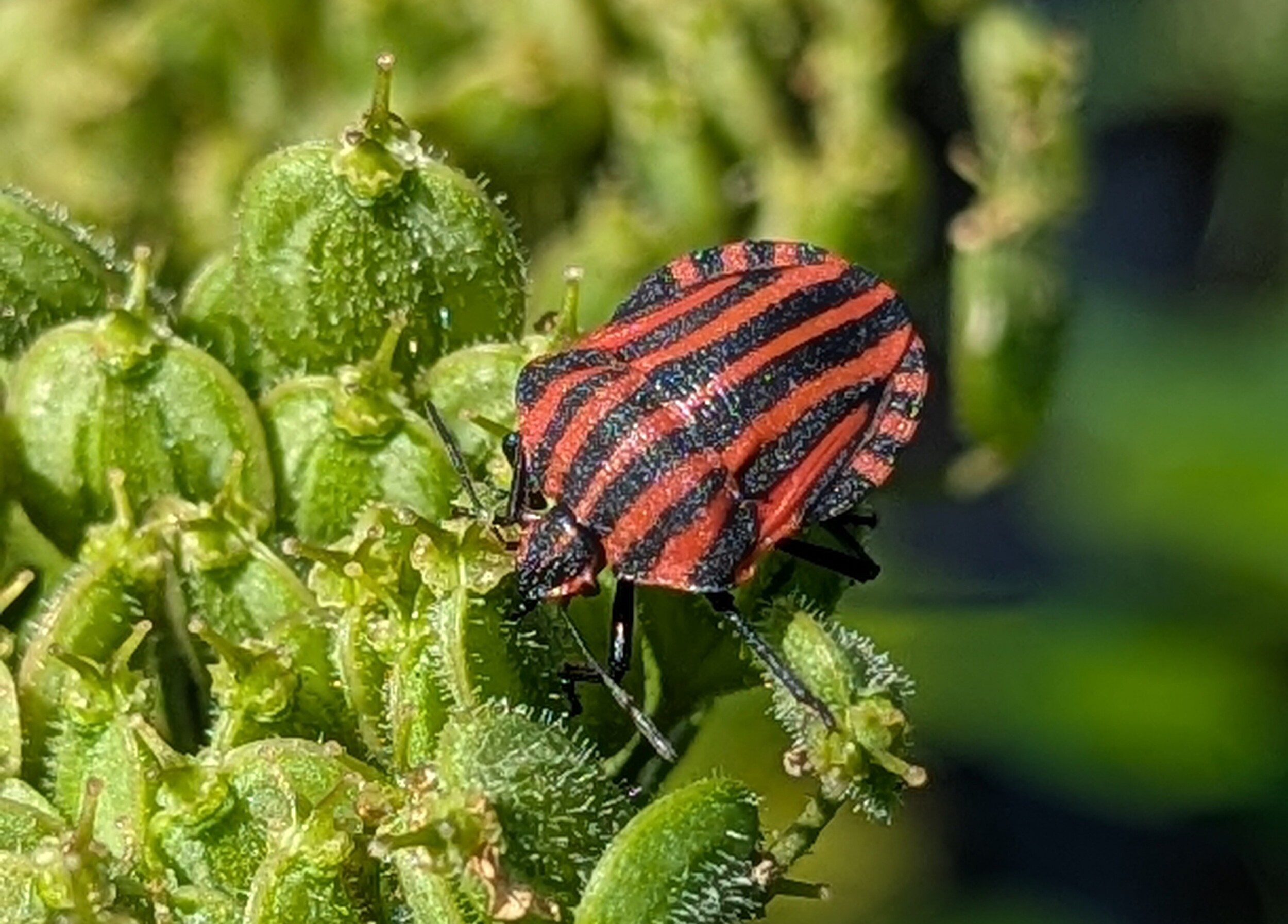
Bed bugs (also known as bedbugs or Cimex lectularius) are small, reddish-brown insects about the size of an apple seed that feed on human blood. They’re approximately 4-6 millimeters long, flat in shape, and have an oval body. These nocturnal creatures hide during the day in mattresses, bed frames, headboards, furniture cracks, and other dark spots close to where people sleep.
For travelers, it’s important to know that bed bugs have spread explosively in recent years due to increased international travel. Bed bugs during your trip can happen to anyone, regardless of your travel budget or destination choice. They were nearly extinct in the Netherlands, but thanks to our wanderlust, they’ve unfortunately made a comeback.
A common misconception among travelers is that bed bugs only occur in cheap, dirty accommodations. Nothing could be further from the truth—these critters feel just as at home in a five-star hotel in Barcelona as in a hostel in Bangkok. They’re excellent hitchhikers that easily travel from room to room via luggage, clothing, and even hotel housekeeping carts.
How to Recognize Bed Bugs During Your Vacation
Recognizing bed bugs early can save you a lot of trouble, both during your vacation and at home. Travelers should watch for various signs:
Visual Clues in Your Hotel Room:
- Small reddish-brown spots on sheets (bloodstains)
- Dark or black dots on the underside of mattresses (bed bug feces)
- Brown or rust-colored stains on bedding
- Sweet, musky odor in the room (like sweet almond or coriander)
- Small dark spots along mattress edges or in bed corners
Spotting the Bed Bugs Themselves Use your phone’s flashlight to search. They have a flat, oval body and are brown to reddish-brown in color. After a blood meal, they become thicker and redder. Look along mattress seams, in pillow stitching, behind headboards, and in curtain folds.
Recognizing Bed Bug Bites Travelers are often bitten on legs, arms, neck, and face. Bites usually appear in a line or cluster of three (also called “breakfast, lunch, and dinner”). They’re red, itchy bumps that resemble mosquito bites but itch worse and last longer. Not everyone reacts strongly to bed bug bites, so the absence of bites doesn’t automatically mean there are no bed bugs.

Travel Prevention Measures
Upon Arrival at Your Accommodation
Conduct a thorough inspection before unpacking your luggage. Place your suitcase on the luggage rack or on a smooth floor. Use your phone’s flashlight to check the following spots:
- Pull back the sheets and inspect the mattress, especially around the headboard
- Check the seams and corners of the mattress
- Look behind the bed’s headboard
- Examine the flooring around the bed
Luggage Protection for Travelers
Never store your luggage on the bed or upholstered surfaces. The best places are:
- On metal luggage racks (found in nearly every hotel room)
- On hard, smooth surfaces like desks
Consider using plastic bags, I use vacuum bags where clothing is protected from the outside world, whether bed bugs or moisture, etc.
- Hang clothes in the closet instead of placing them in drawers
- Keep dirty laundry in sealed plastic bags, bed bugs are attracted to the scent of worn clothing
What to Do as a Traveler If You Find Bed Bugs
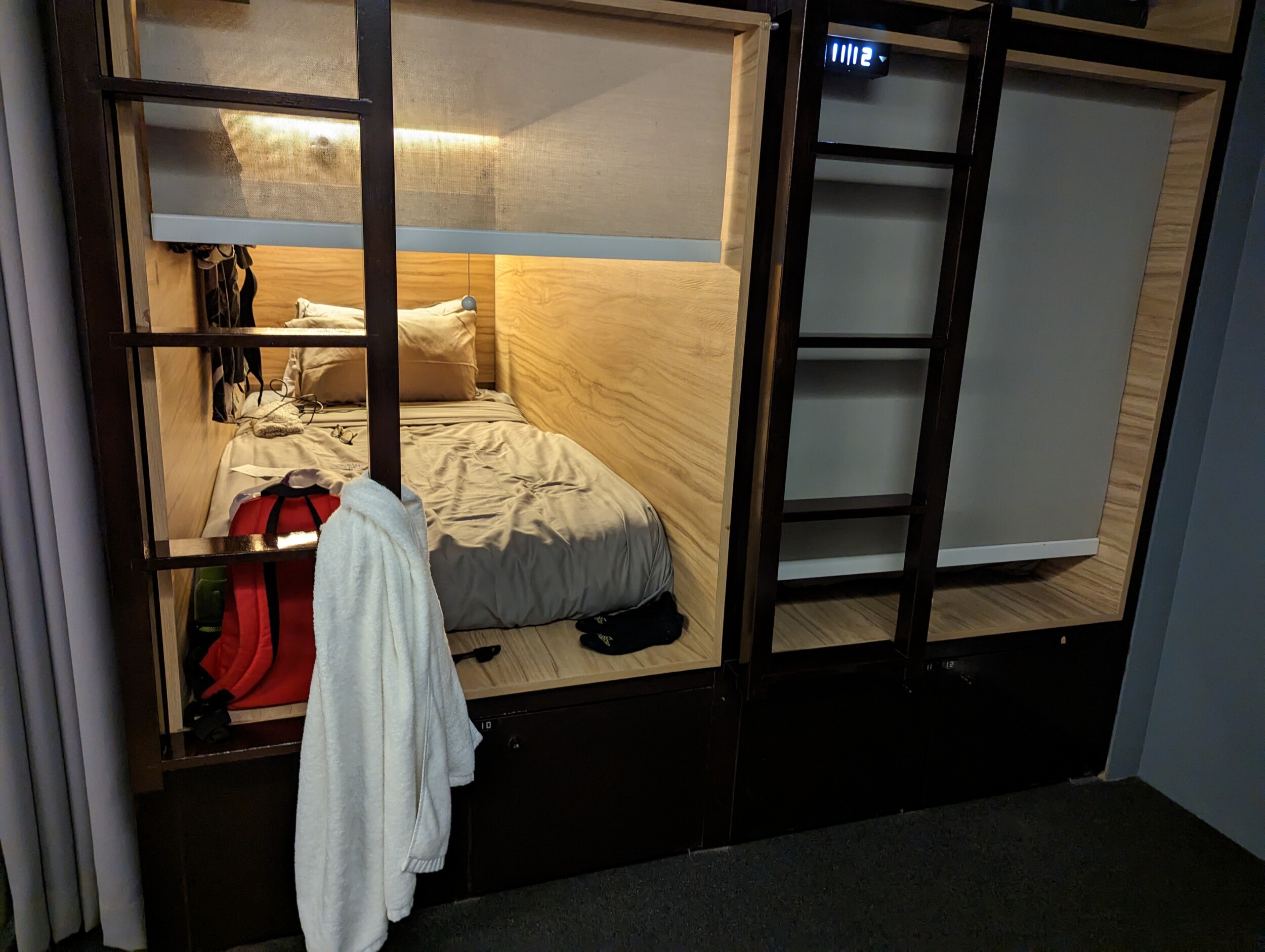
Take Immediate Action If you discover signs of bed bugs, immediately request a different room—not the one next door. Bed bugs can move from room to room through cracks in ceilings and floors, pipes, electrical outlets, and housekeeping carts. Want to be sure? Simply leave and book a room elsewhere. I wouldn’t want to stay and risk it.
Document the situation with photographs and note the time and date. This may be useful for any claims you may need to make with your travel insurance.
Luggage Treatment for Travelers Inspect all your belongings carefully before moving to another room or hotel. Clothing that may have been exposed to bed bugs should be washed in hot water (at least 60°C/140°F) or put in the dryer on high temperature (at least 30 minutes at 60°C/140°F).
Treating Bed Bug Bites
For travelers, bed bug bites are usually not dangerous but can be very irritating. They can last from several days to two weeks:
Immediate Care:
- Wash the bites with soap and water
- Apply a cold compress to reduce swelling
- Try not to scratch to prevent infection
- Use antihistamines for itching if needed (available at drugstores)
- Consider local treatment with calamine lotion or hydrocortisone cream (ask for advice at the pharmacy)
When to Seek Medical Help Although bed bug bites are usually harmless, seek medical attention from your doctor if you experience:
- Signs of infection (increased redness, warmth, pus)
- Severe allergic reactions
- Fever or other general illness symptoms

Back Home: Preventing Home Infestation
The biggest fear of travelers is bringing bed bugs home. Crucial steps to prevent this:
Immediately Upon Arriving Home:
- Place your suitcase outside or in the garage, not in the house
- Wash all clothing immediately, even what you didn’t wear, at least 60°C/140°F
- Put everything in the dryer on high temperature for at least 30 minutes
- Vacuum your suitcase thoroughly, including all seams and corners (empty the vacuum afterward)
- Consider using steam to treat suitcases
Home Inspection Check your bedroom regularly for signs of bed bugs over the coming weeks. Pay special attention to your mattress, bedding, and furniture around the bed. Early detection makes treatment much easier and cheaper.
According to health authorities, items that cannot be washed can also be stored in the freezer at -14°C/7°F for a week to kill bed bugs and eggs.
Travel Destinations: Extra Precautions
Some popular destinations for travelers have more problems with bed bugs. Large cities with high tourism, such as Paris, London, New York, and Barcelona, regularly report bed bug problems. Popular backpacking destinations in Southeast Asia also require extra caution.
Accommodation Choices for Travelers:
- Read recent reviews from other guests
- Check websites like bedbugreports.com for reported cases
- Search Google Reviews and TripAdvisor for “bed bugs” at the accommodation
- Consider accommodations with hard floors instead of carpeting

The Costs for Travelers
Bed bugs can significantly increase your vacation budget. Costs for new accommodations, extra laundry, medical treatment, and replacement of infested items can quickly add up. Most travel insurance doesn’t cover bed bug problems, so prevention is truly the best investment.
Bed Bug Myths Debunked
Myth: Bed bugs only occur in cheap accommodations
Fact: Bed bugs can occur anywhere, from hostels to luxury hotels
Myth: Bed bugs are too small to see
Fact: Adult bed bugs are clearly visible to the naked eye
Myth: Bed bugs are only attracted by poor hygiene
Fact: Bed bugs are attracted to warmth and CO2, not dirt
Myth: Bed bugs can fly or jump
Fact: Bed bugs can only crawl, but they’re fast climbers

Do You Need Professional Help as a Traveler?
If you suspect you’ve brought bed bugs home as a traveler, immediately put your entire bag and contents in the freezer. Leave it in the freezer for a while (at least 48 hours, but preferably a week). Wash your clothes afterward at a minimum of 60°C/140°F, just to make sure. If you don’t want to handle this yourself, contact a certified pest control professional.
Quick Hotel Bed Bug Inspection Checklist
☐ Place luggage on hard surface/rack (never on bed)
☐ Pull back sheets and check mattress seams
☐ Inspect behind headboard
☐ Look for dark spots or bloodstains
☐ Check for sweet, musty odor
☐ Examine furniture near bed
Conclusion: Travel with Peace of Mind
Bed bugs during your trip don’t have to ruin your vacation enjoyment. With the right practical knowledge, a systematic inspection routine, and quick action when problems arise, you can effectively protect yourself from these annoying pests.
What’s also good to know is that bed bugs, while annoying, don’t transmit diseases and generally pose more of a psychological than physical threat. By staying calm, applying your practical mindset, and taking the right precautions, you can ensure that bed bugs don’t ruin your next travel adventure.

Good preparation and alertness are your best defense. With this knowledge, you can confidently explore the world, knowing how to protect yourself from this unwanted vacation souvenir.
Related Articles
- Building Your Travel First Aid Kit
- Using TSA Locks on Your Luggage
- What’s the Perfect Bag for Safe Travel
This article contains affiliate links. If you book or purchase something through one of these links, we may receive a small commission at no extra cost to you.