
When you’re planning to walk the Camino de Santiago, there’s often a quick thought: will I be able to handle this? You’ll be walking for days on end, most likely with a backpack on your back containing all your belongings. How are you going to accomplish this in a healthy way? Read these Camino de Santiago health tips and reach Santiago de Compostela with a big smile on your face!
With these Camino de Santiago health tips, you’ll walk into Santiago healthy
My first of 10 health tips for the Camino de Santiago:
Prepare Yourself Physically
Simply put, of course: prepare your body properly. But how do you do that? It’s different for everyone and unique for each body. The most important thing is that your body knows longer distance walking, so that you can walk, for example, 15 to 20 km.
Before my first pilgrimage in 2016, I had never walked more than 20 kilometres, although I had been walking several times a week for months, covering distances of between 5 and 15 kilometres.
Ideally, you should occasionally walk for a day or two in a row. So you experience how your body recovers quickly and your body knows that you sometimes walk for days on end. Your muscles remember this, muscle memory, and recover faster because of it.
Don’t Take Too Much With You
I’ve mentioned this before here on Safe and Healthy Travel. Everything you leave at home is a bonus.
And that’s really true. You just make do with what you have with you. If you have a lot with you, you carry those burdens with you too. If you really need something you don’t have, a suitable solution is always found along the way. Know that on the Camino de Santiago, a lot is arranged for pilgrims. There are many shops specifically for pilgrims, and you can also buy or find various items in the hostels.
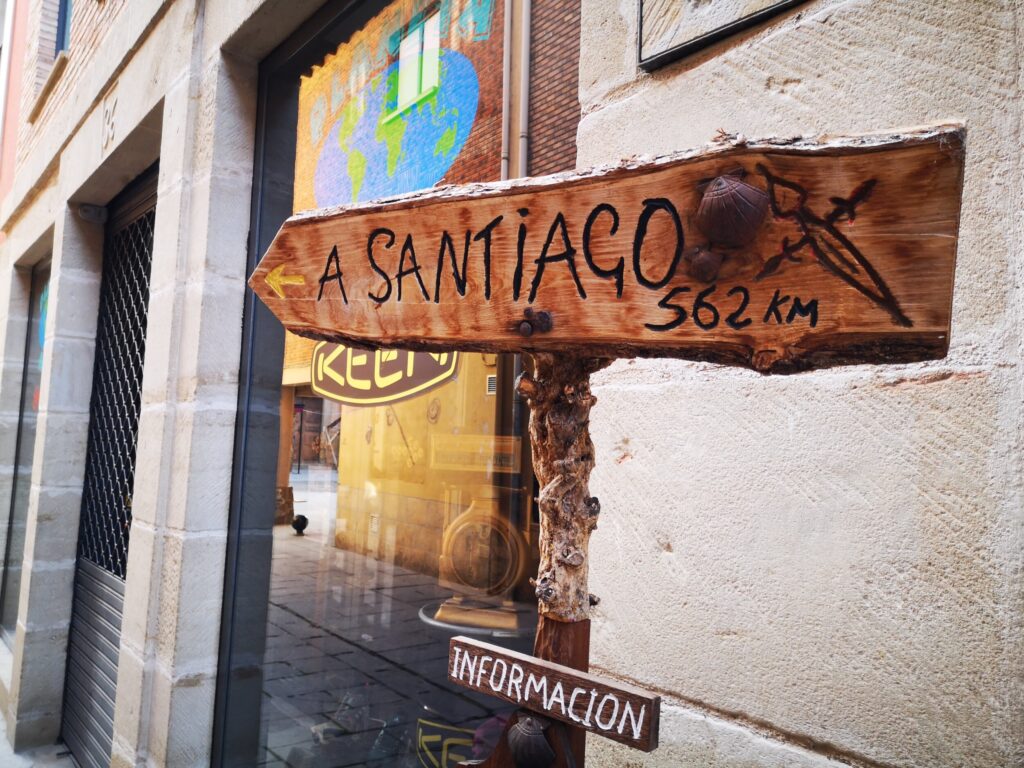
TIP – If carrying your backpack becomes too much for a day, you can choose luggage transport with Jacotrans. They charge around €5 for forwarding your bag.
Would you like to know what a typical day on the Camino looks like? Read: A day in the life of a pilgrim
Do Take the Right Gear With You
Make sure the backpack you purchase actually fits your body. Know that a woman needs a different bag than a man, we simply have a different shape and therefore need a different shaped backpack. Since my first real hiking trip, I’ve had the Osprey women’s backpack of 36 liters, and I’m really happy with it.
And I can really recommend taking trekking poles with you. They really relieve you on this long-distance walk on multiple levels. Order your trekking poles and practice with them when you go on a long walk in your preparation for your Camino de Santiago.
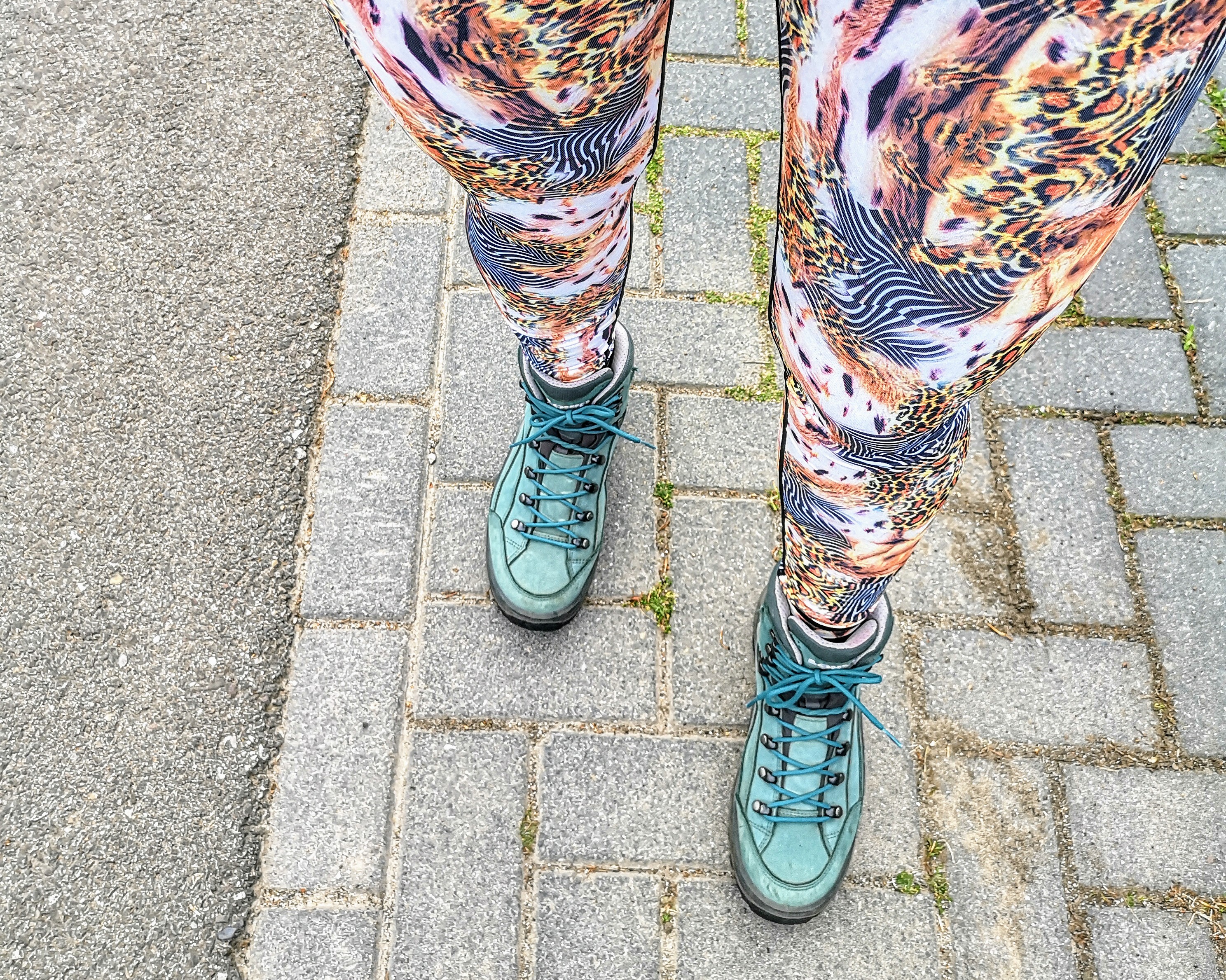
With these Camino de Santiago health tips, gear also includes clothing.
Your hiking shoes are also extremely important. Make sure you have good shoes that are suitable for your feet. I’ve been walking on the Lowa Renegade in an extra-wide size for years. If you don’t know this, you’ll quickly get blisters or injuries. So have your feet measured at a specialized shoe store or outdoor shop.
Also make sure you wear the right socks in your hiking shoes. I currently wear Smartwool light cushion socks. I’ve also walked very comfortably in Falke socks for a while. So it varies sometimes. These types of socks wick moisture well, have a special footbed, and have no seams at the toes.
A comfortable pair of pants that don’t chafe is of course also important. And shirts that fit well and quickly wick away moisture (sweat) are very nice. This type of clothing is often thin but still strong, and not unimportantly, it’s mostly lightweight. During the Camino, I wear yoga shorts—they don’t chafe anywhere for me, are lightweight, and dry quickly.
Choose the Pilgrimage Route That Suits You
There are so many different pilgrimage routes, and one really differs from another. Are you looking for contact with fellow pilgrims on the Camino Frances, or are you looking for the peace and quiet that is more present on the Camino del Norte?
That’s really worth thinking about. What are you looking for on your pilgrimage?
Take a look at this handbook for pilgrims. This booklet covers everything from preparation beforehand to tips along the way during your Camino. I also had the Rother book about the Camino Frances with me during my first pilgrimage.
What do you hope to find during your Camino de Santiago?
Stretch Before or After
Do you quickly get muscle pain or cramps? Stretching before or after your walk is a good idea. You either build up to your exertion or properly wind it down.
Some people swear by it while others don’t seem to benefit from it. I always belonged to the latter group, although I often start slowly and walk faster after a while. So I warm up while walking.
I also regularly massage my feet, especially the joints at my toes. Everyone has attention spots that need a bit more attention. Take time for that during the days of your pilgrimage.
Listen to Your Body
Listening to your body when you walk the Camino de Santiago is very important. Make sure you intervene in time when your body asks for something. That could be breaks, an emerging blister on a toe, or some food.
We’re not always in good contact with our body, but know that you can prevent a lot of suffering along the way if you respond in time to your body’s requests.
Also read: How to Maintain a Healthy body
Hydrate and Eat Well
Your body naturally performs best when it’s in optimal condition on all fronts. That also means hydrating on time and giving your body enough energy. Drink water regularly and eat enough, that’s the motto during your pilgrimage to Santiago de Compostela. Your muscles depend on the nutrients you consume.
During the Camino de Santiago, I make sure to eat a banana every day, which is of course good for the muscles. Also, on hot days during my 35-day walking trip, I got into the habit of drinking a lot of water every evening. I did this because I sometimes forget to drink while walking, and this way I still got my daily liters in.
Make sure you always have a bottle of water with you or fill your Camelbak on time. I always have a liter bottle with me that I fill daily. And when you have a cup of coffee along the way… also order a glass of water/drink with it.
Take Care of Your Feet On Time
Those feet have to get you there in the end, right? So they’re super important during your Camino de Santiago.
If you feel something isn’t right in your shoe, just stop. Take the time to figure it out and don’t keep walking too long. We do it too quickly, keep walking to the next village or next rest stop. Don’t do that; just sit down on the side of the road. Take that little stone out or put that bandage on if something seems to be chafing.
Are your hiking socks wet from sweat halfway through the day? Switch them with another pair. Also prevent blisters that way.
Maybe you also like to apply Gehwol on your feet. This hardens the calluses that naturally protect your feet against blisters. You hear about it often and see it pass by regularly on the Camino.
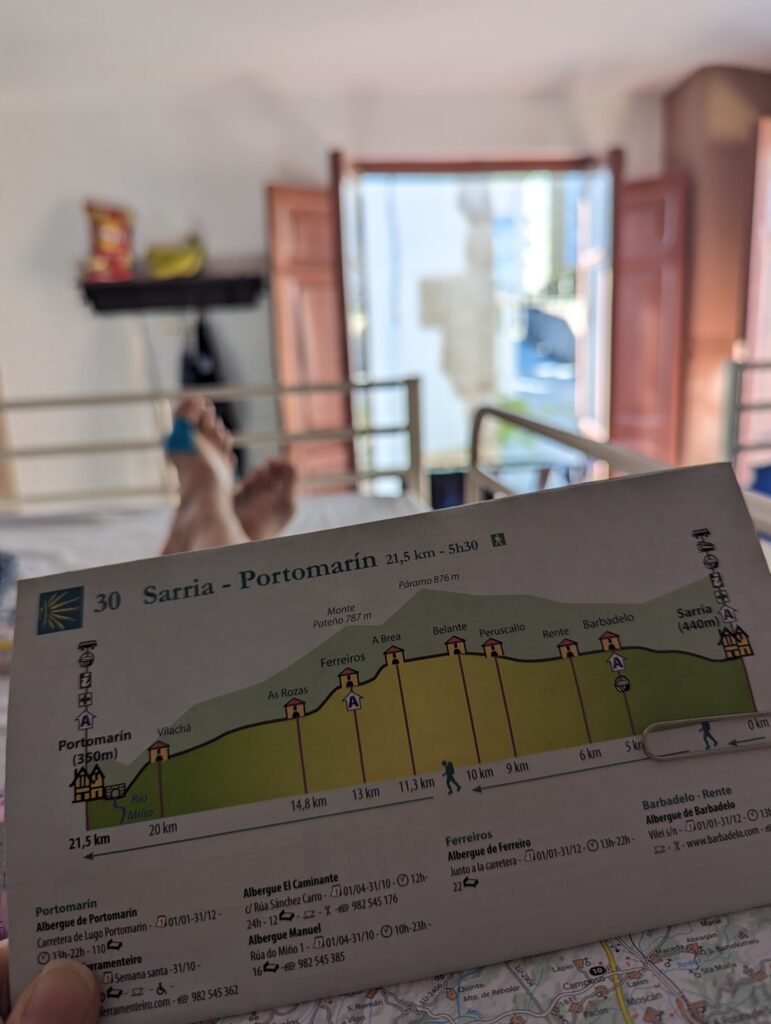
If you do get a blister, put a Compeed blister bandage on it. I’m really a fan of preventively taping chafing spots. Better too often than too little.
Get Good Night’s Rest
When you’re well-rested, you can handle much more, you’re sharper and experience less stress. During your sleep, your body recovers from your walk. Your muscles relax and can prepare well for tomorrow’s walking day. Meanwhile, new antibodies are produced in your body, which increases your resilience.
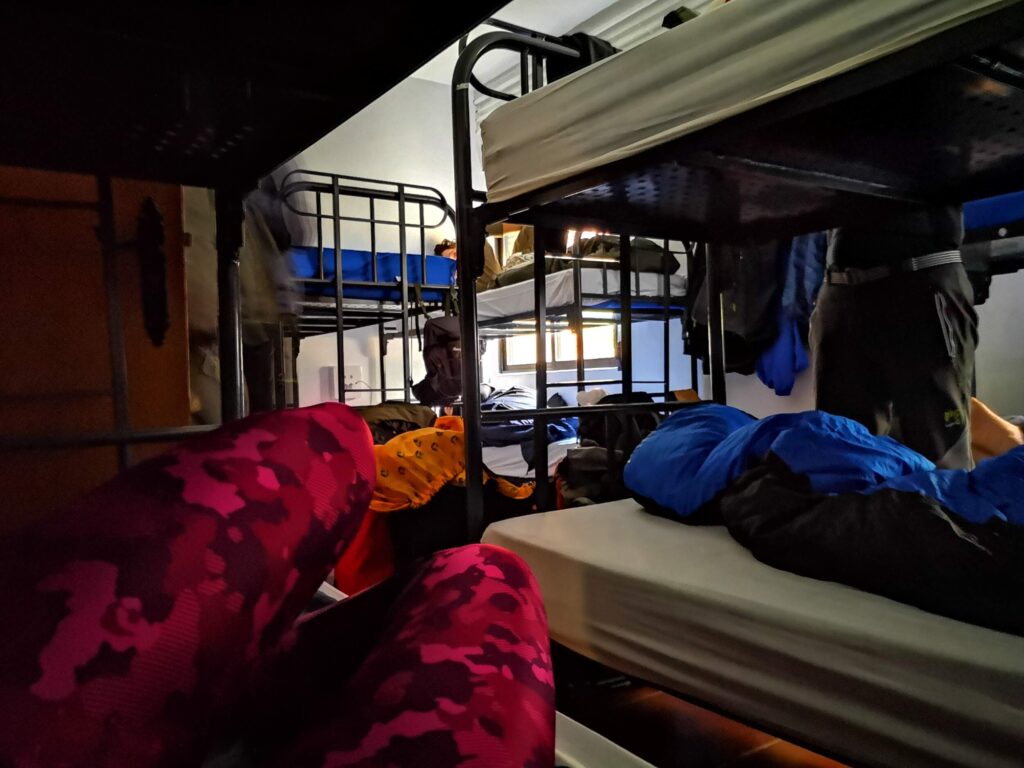
During the Camino de Santiago, it’s great if you sleep in the hostels with your fellow pilgrims. Now and then you have a snorer in your room, and then it’s nice to also catch a few hours of sleep at the end of the afternoon. But to get enough night’s rest, an occasional night in a private room might be the solution for you.
And then this last of 10 Camino de Santiago health tips
Know that the pilgrimage isn’t just a physical thing…
Take Mental Rest Breaks
I don’t know if you always listen to music? Or always have a podcast on? Or are in conversation with others?
Do you ever take a mental break? Just look around you, see where you are, experience what you’re doing… with your full attention? It’s also called mindfulness. Being present in the here and now. It’s difficult for our brain, which we’ve trained to always be in motion, but try to also take a mental break during your walking days on the Camino de Santiago. Realize that you’re making a pilgrimage on the ancient path and that what you’re doing is significant!
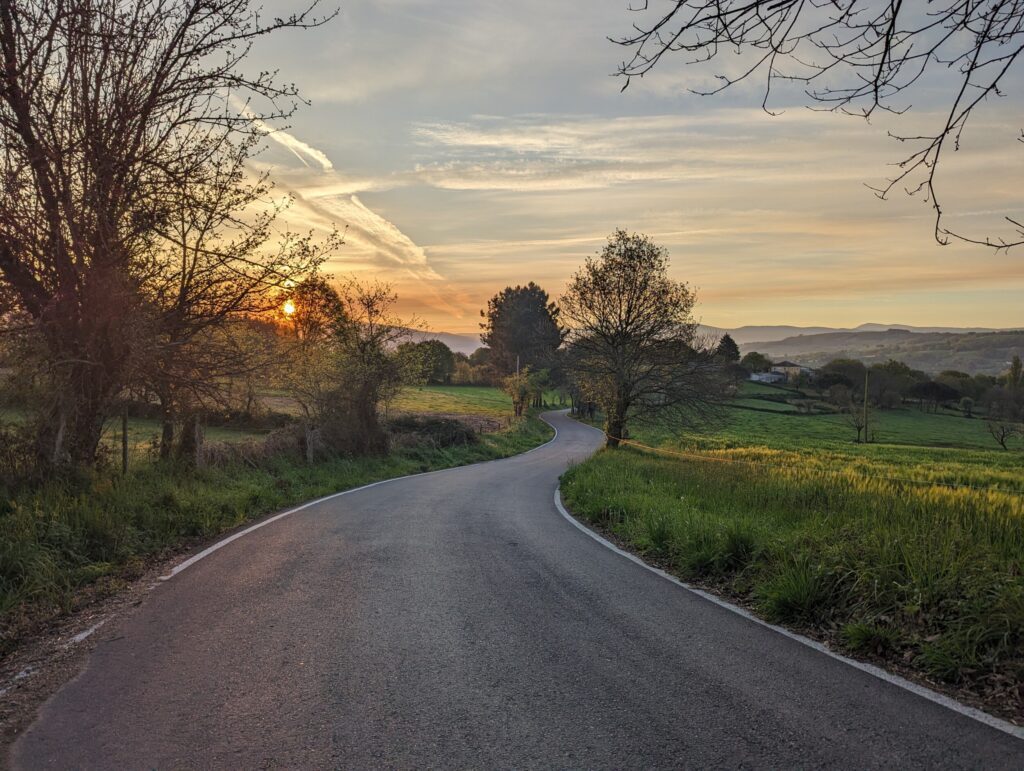
It should be clear that I’m a fan of the Camino!
A fan of making pilgrimages, a fan of walking for several days in a row. Alone or together, I think it’s all good! My motto is: if you want to experience it, do it. Don’t want to or don’t dare to do it alone? Then come with me and still experience what it’s like to walk as a pilgrim to Santiago de Compostela.