
When I discovered Rome was only about an hour away from Naples by high-speed train, I couldn’t resist. So if you’ve never been to Rome but are spending time in Naples, this is your chance to add the Eternal City to your trip, even with just one day to spare. I’ll admit I was sceptical beforehand. Rome has so much history and so many famous sights that a single day sounded almost disrespectful to the city. But with an early start and a clear plan, I managed to see all the highlights I’d hoped for, without feeling rushed. Here’s exactly how I did it, plus everything I’d tell a friend before they go.
Getting from Naples to Rome
The high-speed train is by far the easiest way to do this. Italo runs frequent direct services between Napoli Centrale and Roma Termini, with a journey time of around 1 hour and 10 minutes. Their cheapest “eXtra Magic” fares in Smart class can go as low as €14.90, but these are non-refundable and can’t be changed, and only a limited number of seats are sold at that price, so they tend to disappear fast. Book early and you’ve got a good shot at one of those low fares; leave it too late and you’ll be paying closer to €40-50 for a same-day, flexible ticket.
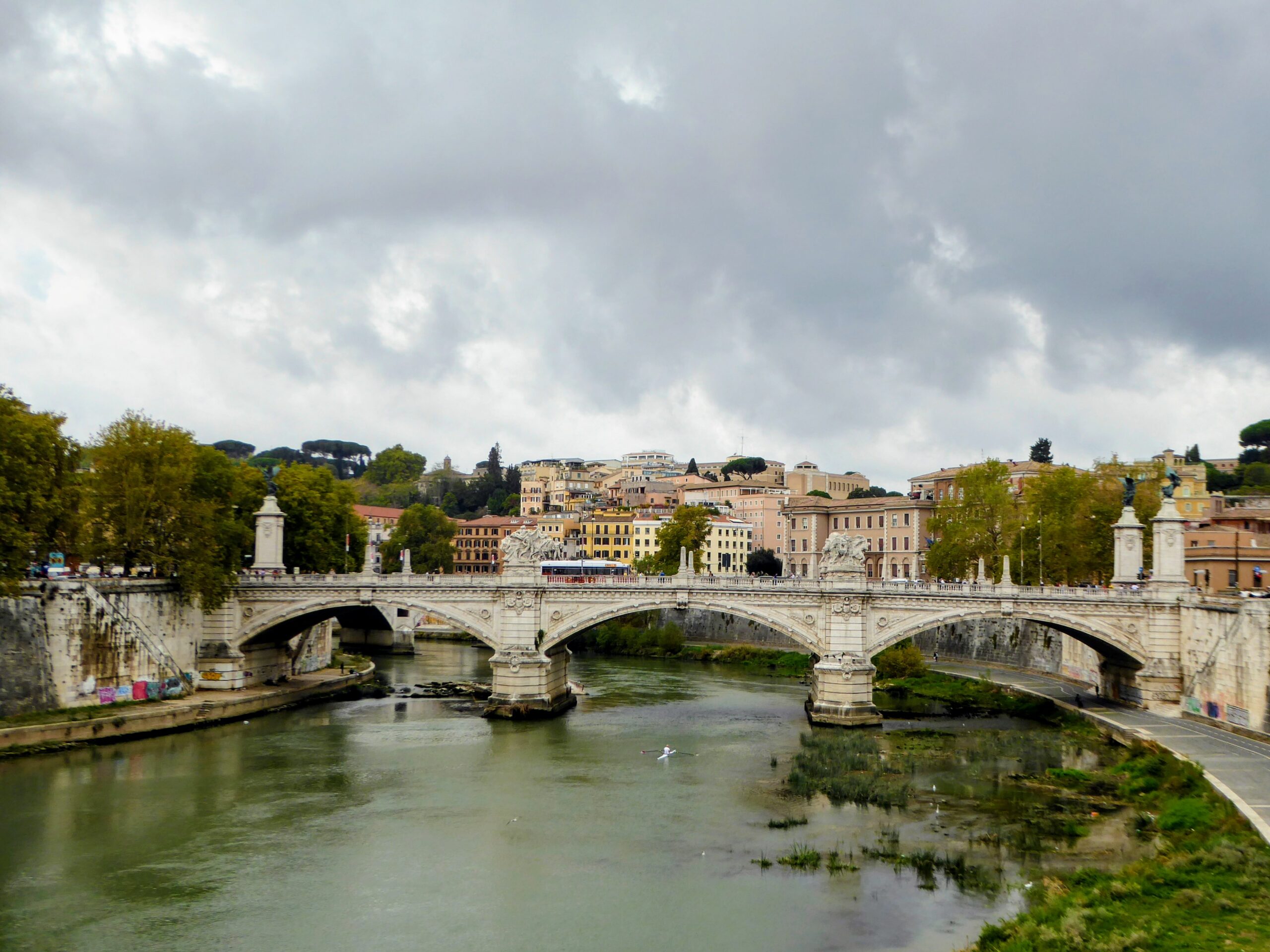
I’d recommend taking one of the first trains out of Naples, ideally before 8am. That gives you a full day in Rome and takes the edge off how much ground you need to cover. Book your ticket online ahead of time if you can, both for the better price and so you’re not scrambling at the station.
From Roma Termini, everything you want to see is within walking distance or a short metro or bus ride away.
My Day in Rome: Hop-On Hop-Off, Colosseum, Vatican and More
Starting with the hop-on hop-off bus
With only one day, I chose to start with a hop-on hop-off bus tour. I always do this when I’m exploring a new city in a short amount of time, and it worked well in Rome too. It gives you a quick overview of how the city is laid out, and you can simply hop off wherever something catches your eye. For a single day in a city this size, it saved me a lot of walking between the bigger sights and let me spend my time and energy on actually seeing things rather than figuring out routes.
💡 Booking tip: Book your hop-on hop-off ticket in advance, it’s often cheaper online than buying on the spot.
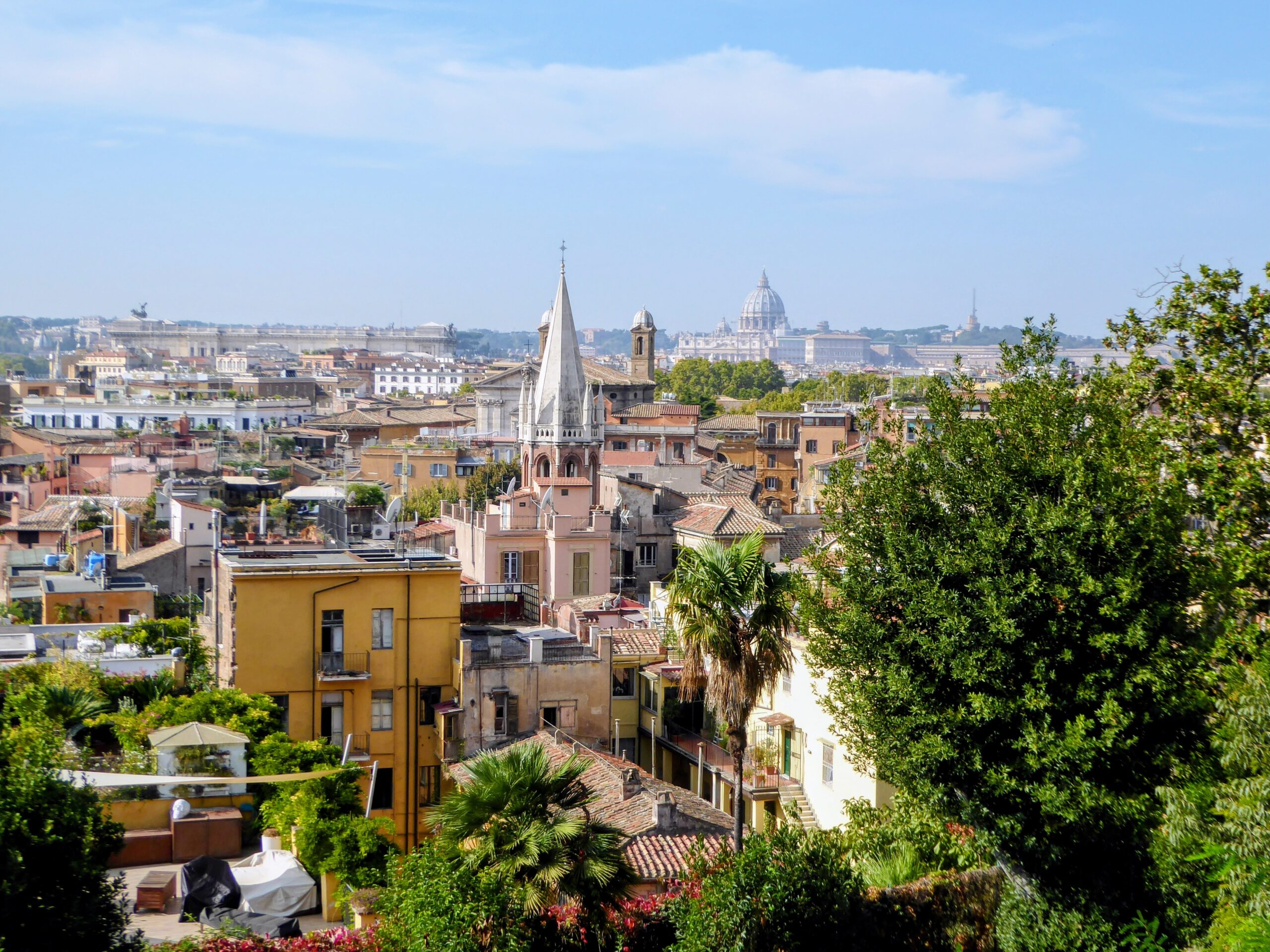
The Colosseum
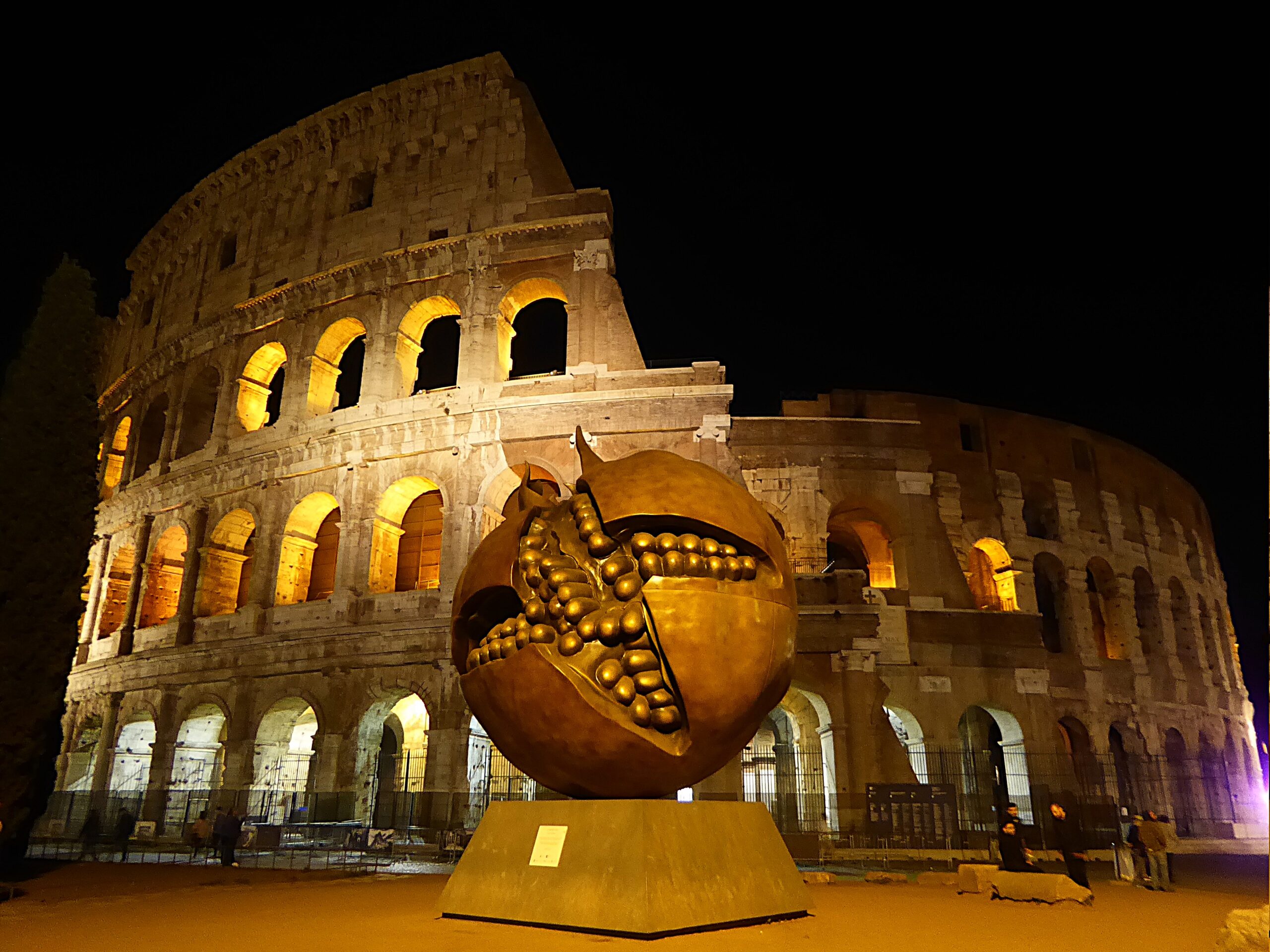
The Colosseum was the first proper stop. Even after seeing it in countless photos, standing in front of it is a different experience altogether. The scale of it is hard to grasp until you’re actually there, looking up at those weathered arches that have survived for almost two thousand years.
I’d booked a skip-the-line ticket in advance, which I’d recommend without hesitation. The official standard ticket costs around €18 and includes the Roman Forum and Palatine Hill, but without a pre-booked time slot you can easily lose an hour or more standing in the security and entry queue, especially if you’re visiting outside the quieter winter months. Since I only had one day, I wasn’t willing to gamble that time away.
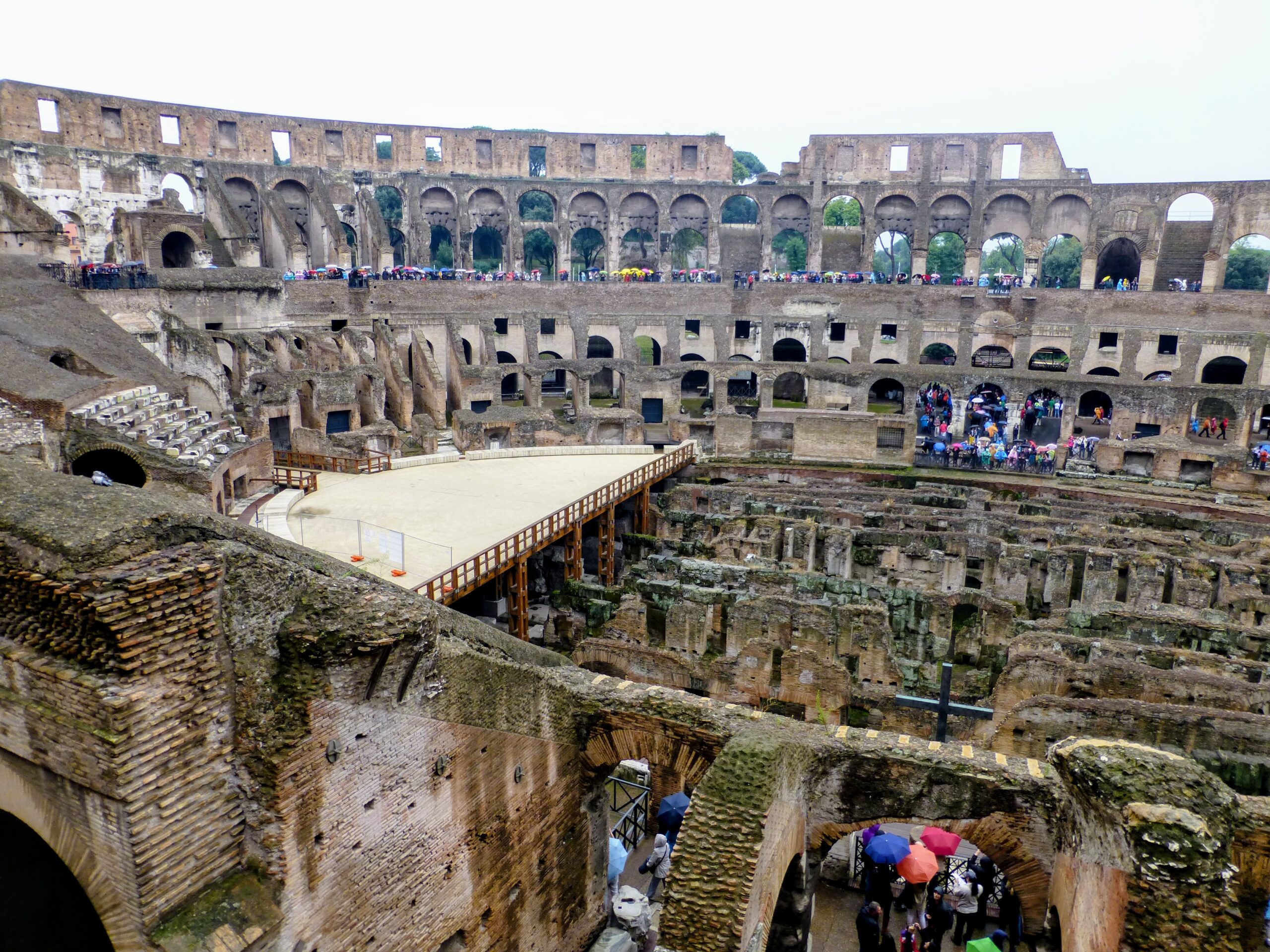
💡 Booking tip: Reserve your Colosseum ticket online in advance and aim for an early time slot. Tickets are released around 30 days ahead and can sell out for popular dates. This ticket also includes a visit to the Roman Forum (Forum Romanum) and Palatine Hill.
Saint Peter’s Square and the Vatican
From the Colosseum, I made my way to Vatican City. I didn’t go inside Saint Peter’s Basilica or the Vatican Museums this time, simply because there wasn’t enough time to do them justice alongside everything else on my list. But standing on Saint Peter’s Square itself was worth the trip on its own. The scale of Bernini’s colonnade curving around the square, the obelisk in the centre, the basilica’s dome rising up behind it all, it’s a striking sight even without going inside.
On another visit I did have enough time and I loved the basilica and museums. For this short visit, the square gave me a proper sense of the place, and I’d say it’s absolutely worth including even if you only have a few minutes to spare here.
Warning: On a hot summer day you probably would like to buy an ice cream. Be aware of the prices at Don Nino, every add on makes it more expensive even till €32. No ice cream should ever have that price tag
Castel Sant’Angelo and the Ponte Sant’Angelo
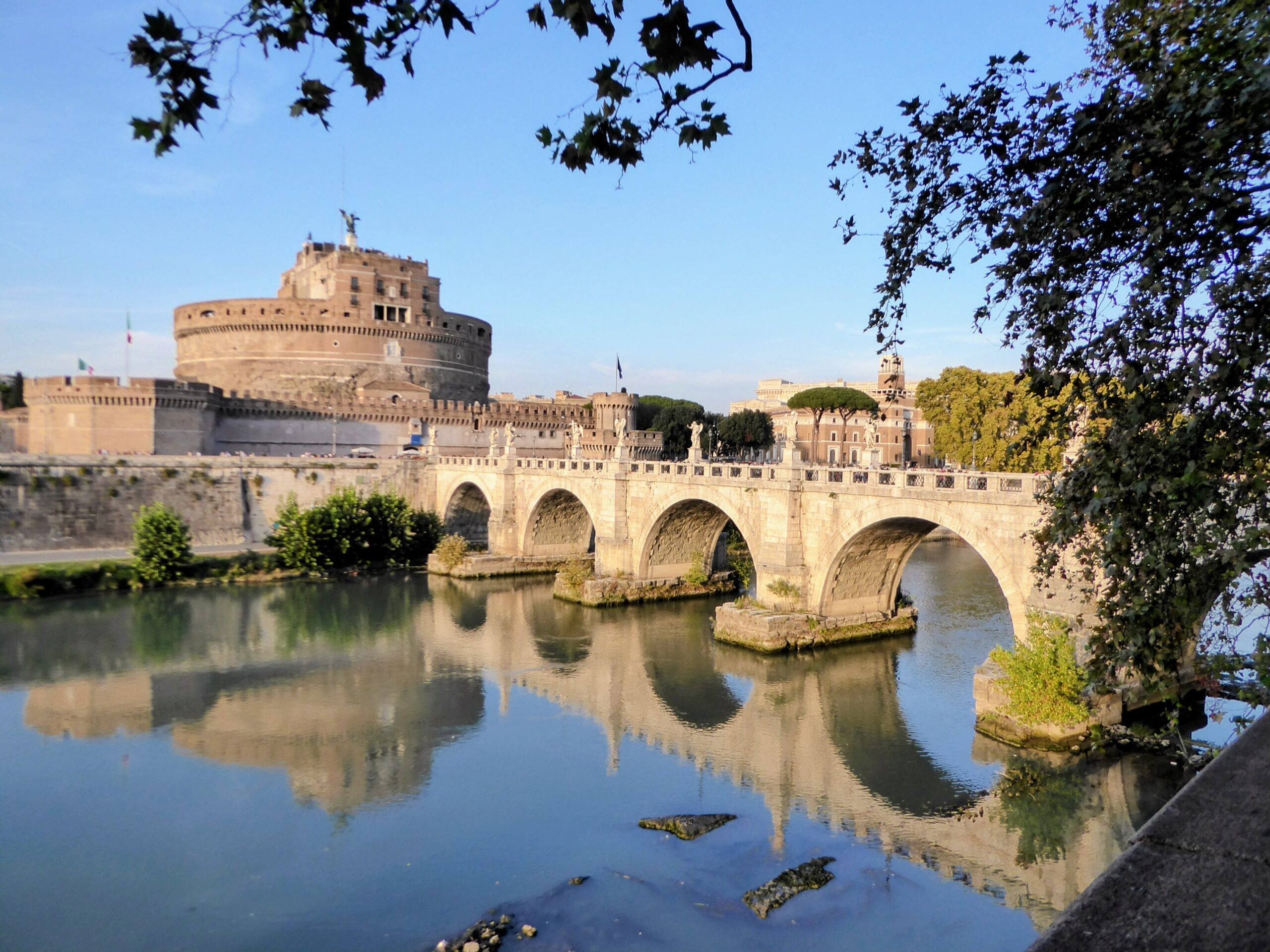
Walking from the Vatican area back towards the centre, I passed Castel Sant’Angelo, the imposing fortress on the banks of the Tiber, originally built as a mausoleum for the Roman emperor Hadrian. I didn’t go inside, but the building itself is impressive enough from the outside, and the adjoining bridge, the Ponte Sant’Angelo, is one of those spots where you naturally stop and take in the view. The bridge is lined with statues of angels, and looking back towards the castle with the river beneath you, it’s an easy, unplanned highlight of the walk.
The Trevi Fountain
No first visit to Rome feels complete without the Trevi Fountain, so that was next on the list. It’s smaller than I expected from photos, but the detail and the sheer presence of it in the middle of a busy little square still make it worth the crowds. I didn’t throw a coin in, but plenty of people around me did, following the tradition that’s supposed to guarantee a return trip to Rome.
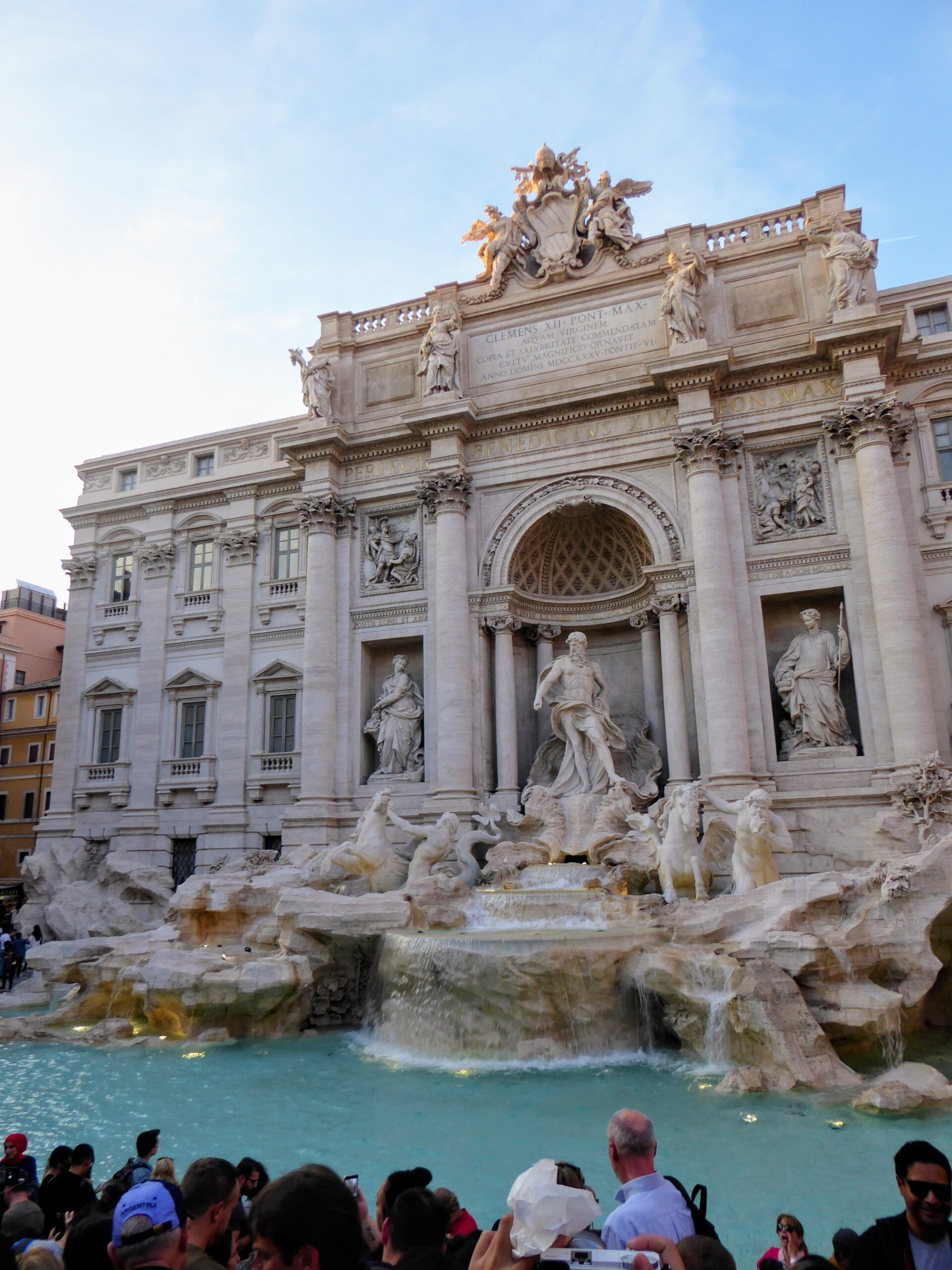
Given how central it is, it’s easy to combine with a stop at the Pantheon or Piazza Navona if your day allows for a bit more walking.
On every trip, I carry my own refillable water bottle #ad. My mission is to help eliminate single-use plastic, and refilling instead of throwing away is one of the easiest ways travelers can contribute to that. A foldable bag #ad for small purchases also saves unnecessary plastic waste along the way.
Was One Day in Rome Enough?
Honestly, yes, for a first taste of the city, it was. I saw everything I’d planned to see, without feeling like I was sprinting between sights. The hop-on hop-off bus made a real difference here, since it cut out a lot of the walking time between the more spread-out locations like the Vatican and the Colosseum.
That said, one day only scratches the surface. I didn’t go inside the Colosseum’s underground chambers, I didn’t set foot in Saint Peter’s Basilica or the Vatican Museums, and there are entire neighbourhoods I didn’t see at all. Rome rewards a slower pace, and if you can spare more than a day, I’d genuinely recommend it.
Staying longer in Rome?
One day is enough to see the highlights, but Rome really deserves more time. If this day trip leaves you wanting more, here’s a quick look at where to base yourself for a longer stay.
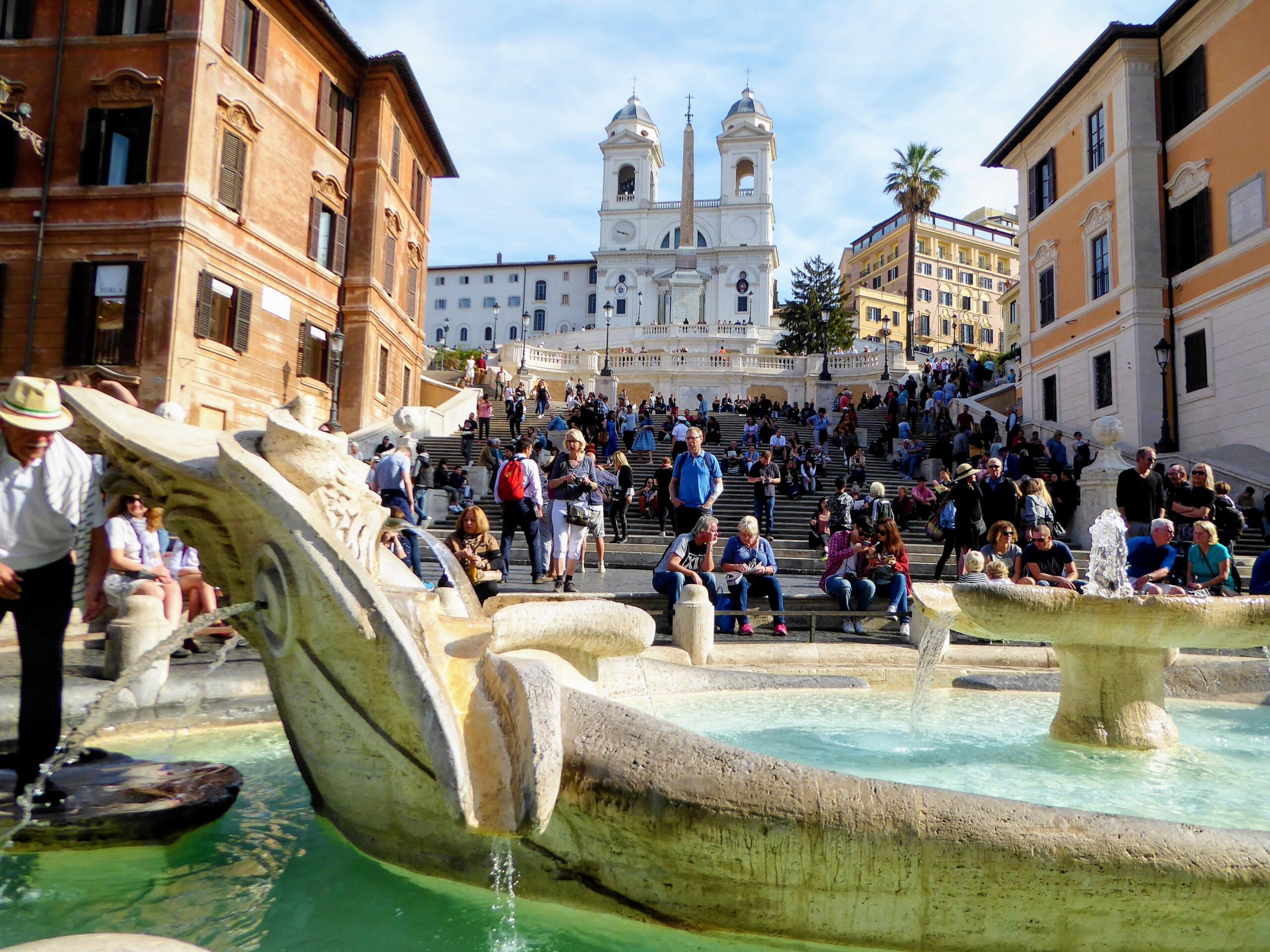
Centro Storico (Pantheon, Piazza Navona, Trevi, Spanish Steps) The obvious choice for a first visit. You can walk to almost every major sight, right in the middle of the history and the crowds. It’s pricier and busier than other areas, but the location more than makes up for that for most people.
Monti Between Centro Storico and Termini station, close to the Colosseum. A bit bohemian, with small shops and good, affordable restaurants. A nice mix of central location and slightly fewer crowds.
Trastevere On the other side of the Tiber, with narrow streets, colourful façades and a relaxed atmosphere. There’s nothing major to see within the neighbourhood itself, but plenty of good restaurants and a lively evening vibe. It’s less of a hidden gem than it used to be, but still worth it.
Tip: Explore this neighbourhood during a foodtour and taste the local streetfood of Trastevere
Prati The neighbourhood next to Vatican City. Quieter, more spaced out and practical if the Vatican is your main reason for visiting. Less atmospheric than the historic centre, but easy to navigate and family-friendly.
Testaccio An authentic, working-class neighbourhood with a well-known food market. No major sights here, but a good sense of local life. Mostly worth it if you’re staying longer than two days and have already covered the main attractions.
My advice: for a first, longer introduction to Rome, Centro Storico or Monti are the easiest choices. If you want a bit more local atmosphere alongside the sightseeing, look at Trastevere.
Practical Tips for Your Day Trip
How to Get There
Take an Italo high-speed train from Napoli Centrale to Roma Termini. The journey takes around 1 hour and 10 minutes, with frequent departures from early morning until late evening. Book online well in advance for a shot at the cheapest fares.
When to Go
Spring (March to May) and autumn (September to November) offer the most comfortable temperatures for a day of walking. Summer is busier and hotter, especially around the Colosseum and Vatican, so an early start matters even more if you’re visiting between June and August.
Also read
- Hiking on the Amalfi Coast
- Puglia Road Trip Itinerary
- Napoli Complete City Guide
- Climbing Mount Vesuvius
This article contains affiliate links. If you book or purchase something through one of these links, we may receive a small commission at no extra cost to you.