
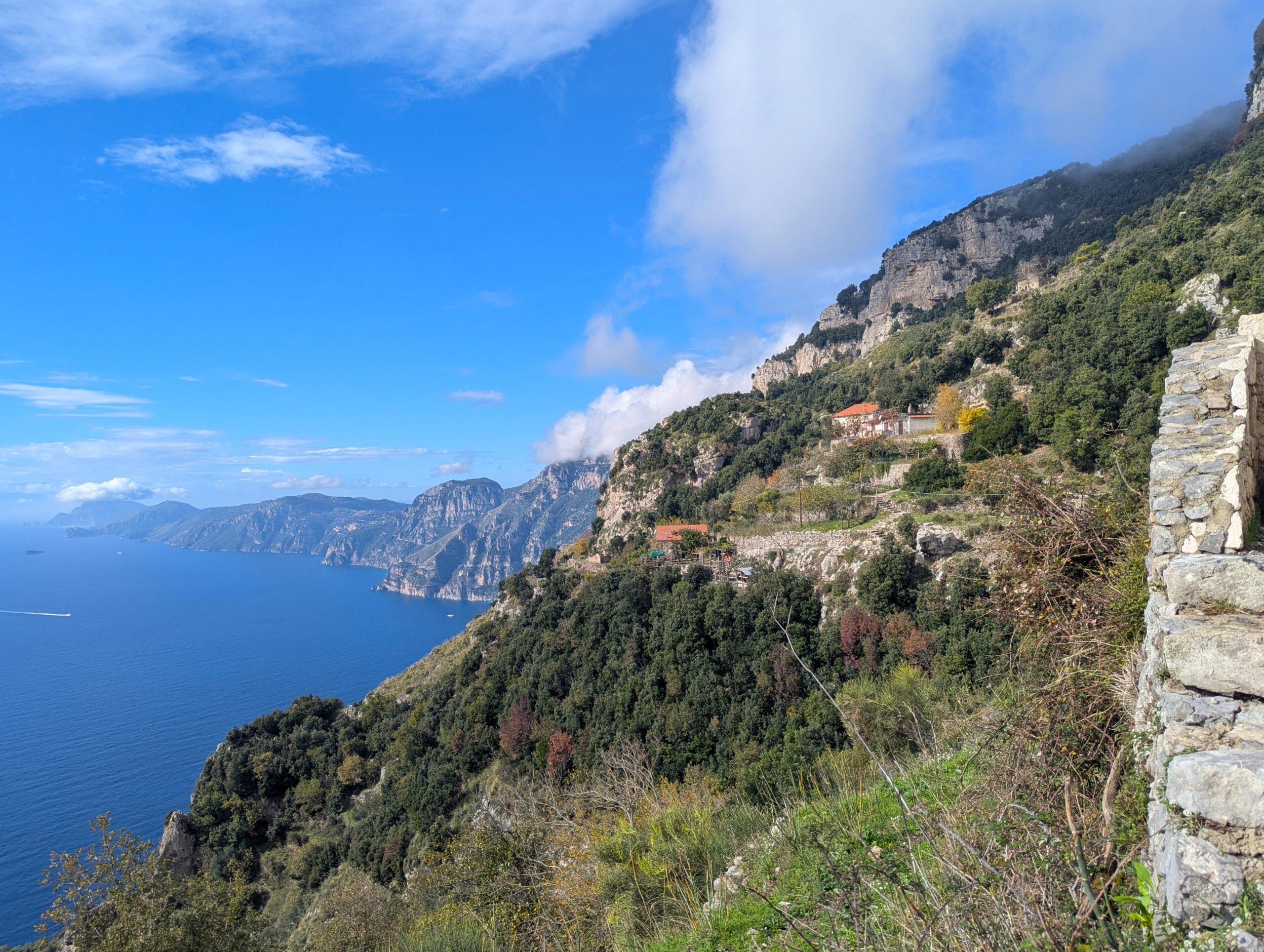
Hiking the Amalfi Coast is an unforgettable experience. This spectacular coastline in Southern Italy combines breathtaking panoramas with ancient mountain paths that take you to places cars can never reach. During my four-day hiking adventure, I discovered why the Amalfi Coast is famous not just for its colorful villages, but especially for authentic hiking experiences high above the azure sea.
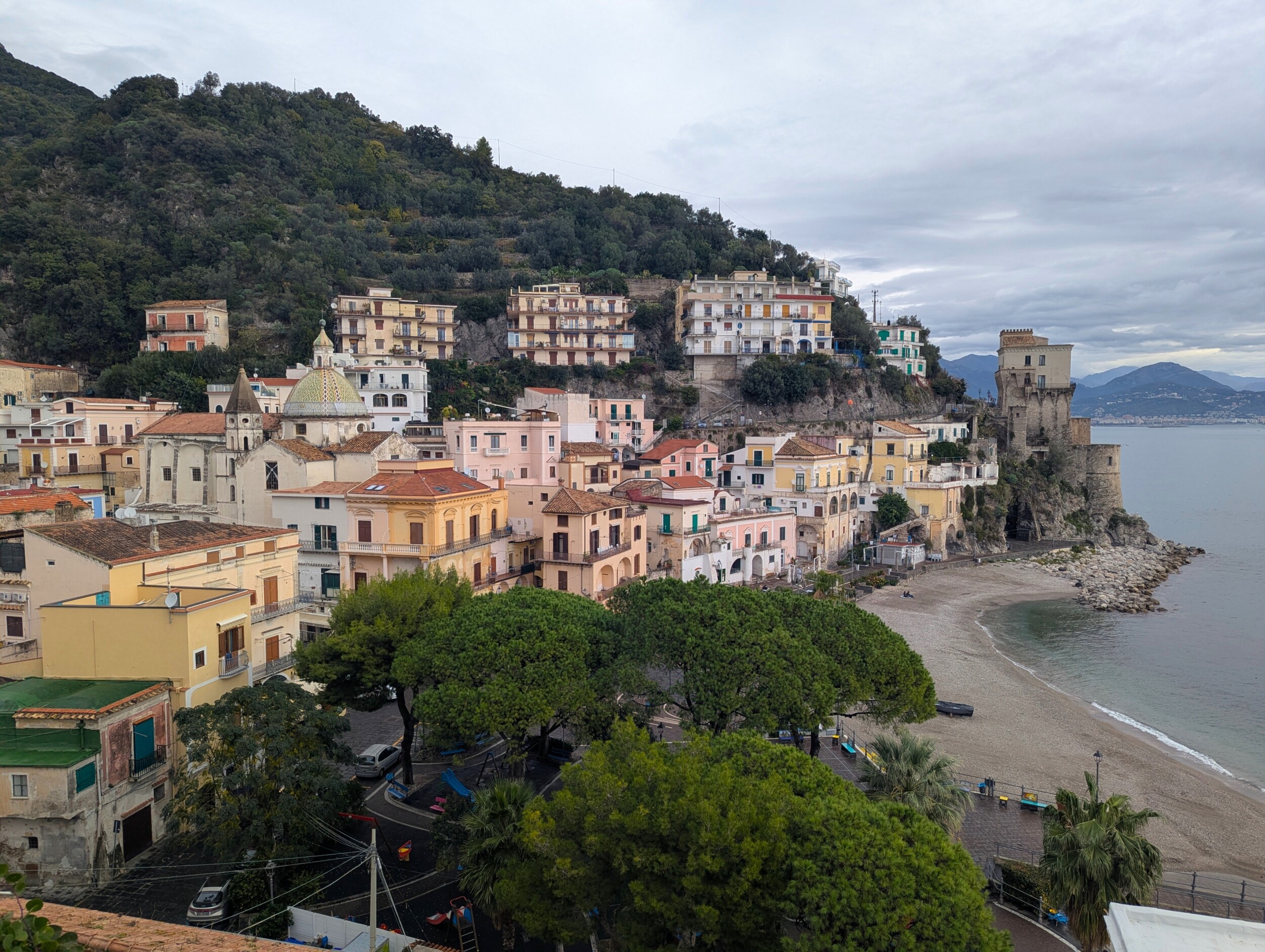
The Amalfi Coast in the Campania region is a UNESCO World Heritage Site for good reason. This coastline stretches about 50 kilometers between Sorrento and Salerno, with steep cliffs, picturesque villages, and lemon trees as far as the eye can see. But what makes this coast truly special for hikers are the ancient mule tracks and mountain paths connecting the villages.
The Amalfi Coast: A Hiking Paradise
While most tourists drive the iconic coastal road (SS163) and stop at famous places like Positano, Amalfi, and Ravello, hikers discover a completely different world. The ancient hiking trails, used for centuries by farmers and shepherds, wind through terraced gardens full of lemon and olive trees, past abandoned chapels, and through authentic mountain villages where time stands still.
The climate makes this region suitable for hiking almost year-round. Spring (April-June) and autumn (September-October) are ideal with pleasant temperatures and blooming nature. Summers can get hot, but early morning or late afternoon hours offer relief. Even in winter, many routes are accessible, though you need to account for shorter days and closed mountain huts and restaurants.
My Hiking Adventure on the Amalfi Coast
The Amalfi Coast Experience: Driving Twice, Double the Enjoyment
When I first drove from Naples toward the Amalfi Coast, I knew this coastal road would be spectacular. Yet the views of the Amalfi Coast surprised me more than I had expected – this truly made me happy.
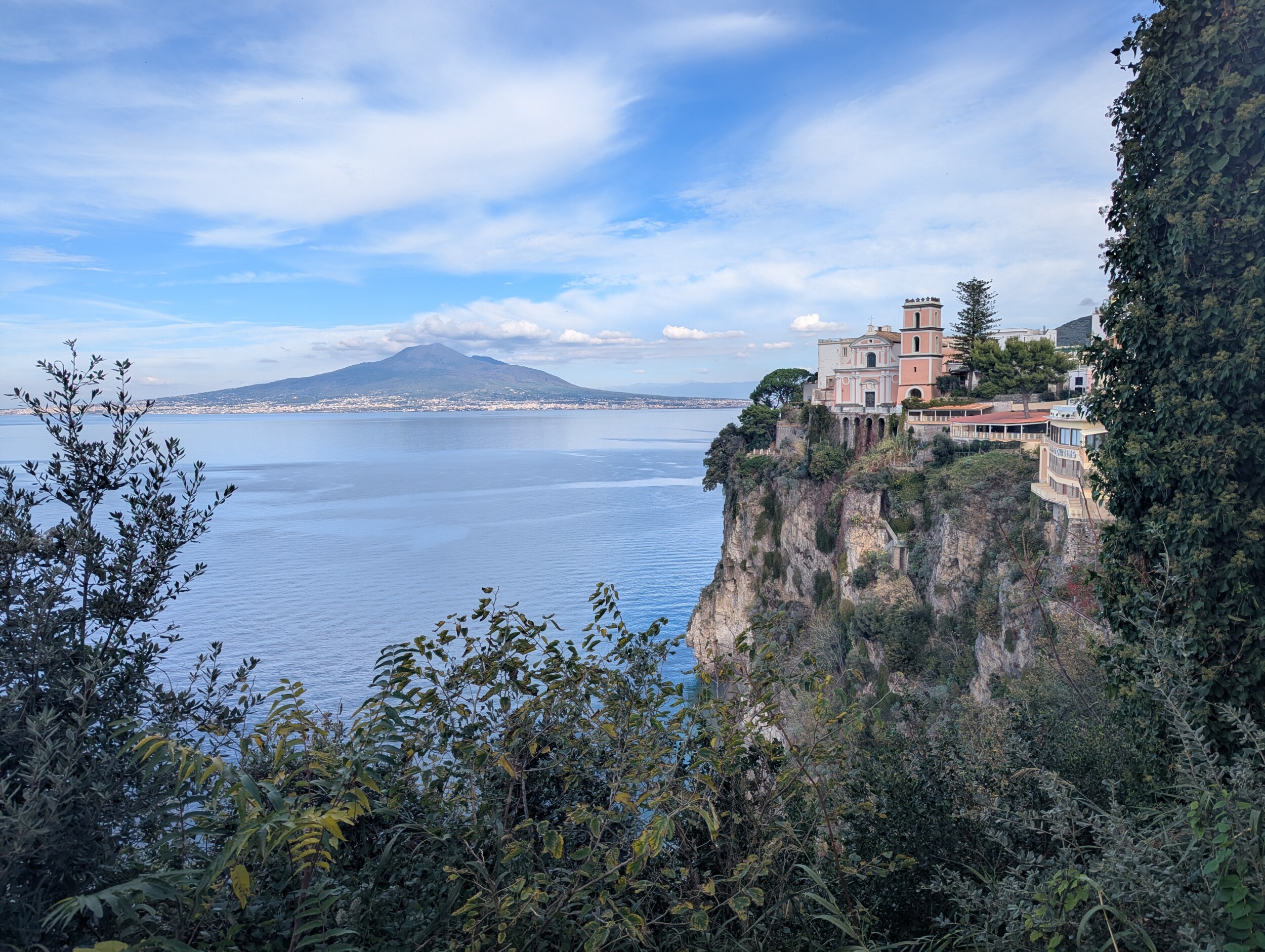
My first stop was in Vico Equense, a charming town at the start of the coast. As I drank my coffee there and looked out over this legendary coastline for the first time, I breathed in the salty sea air and felt the excitement of the adventure that lay ahead.
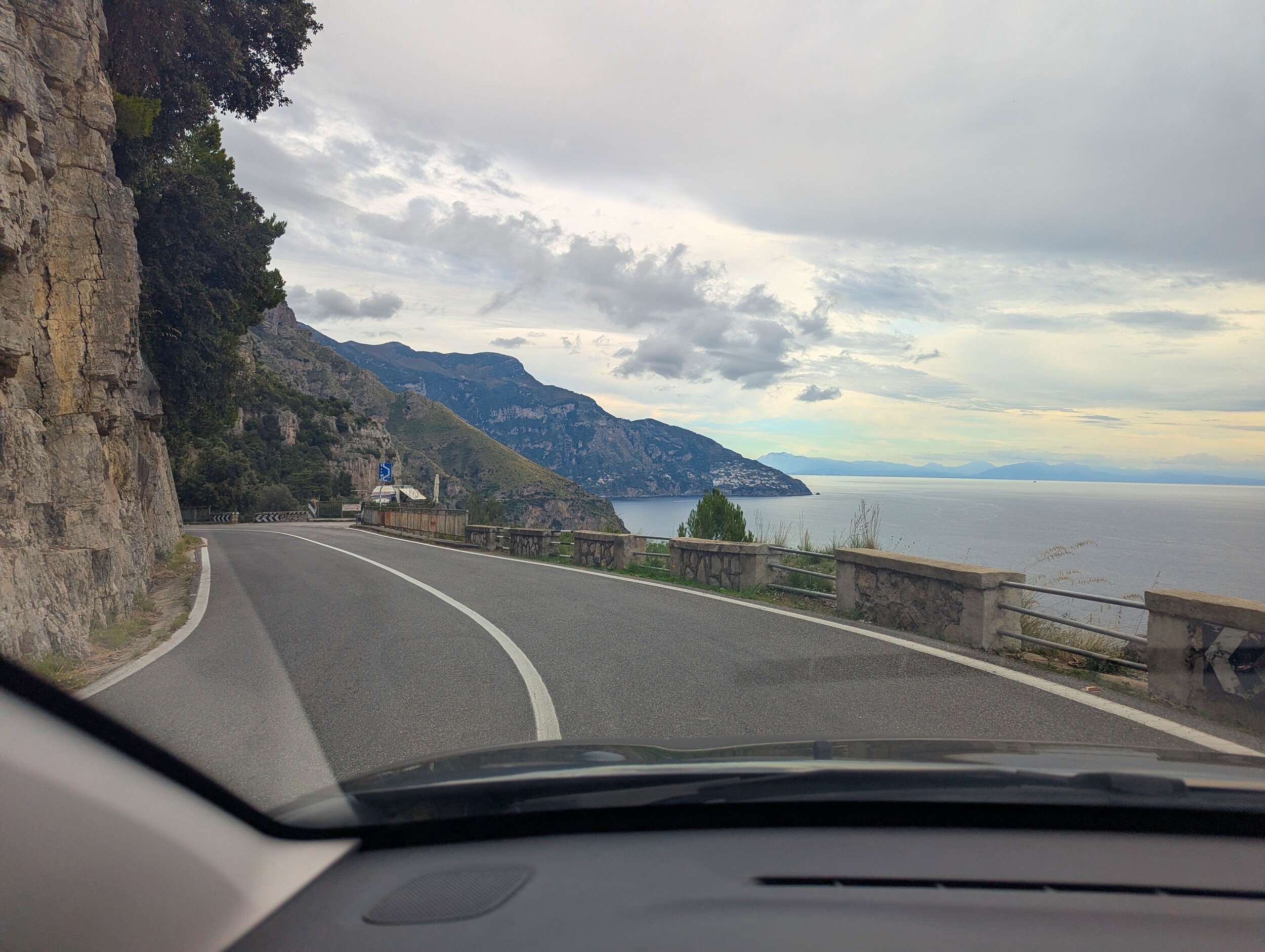
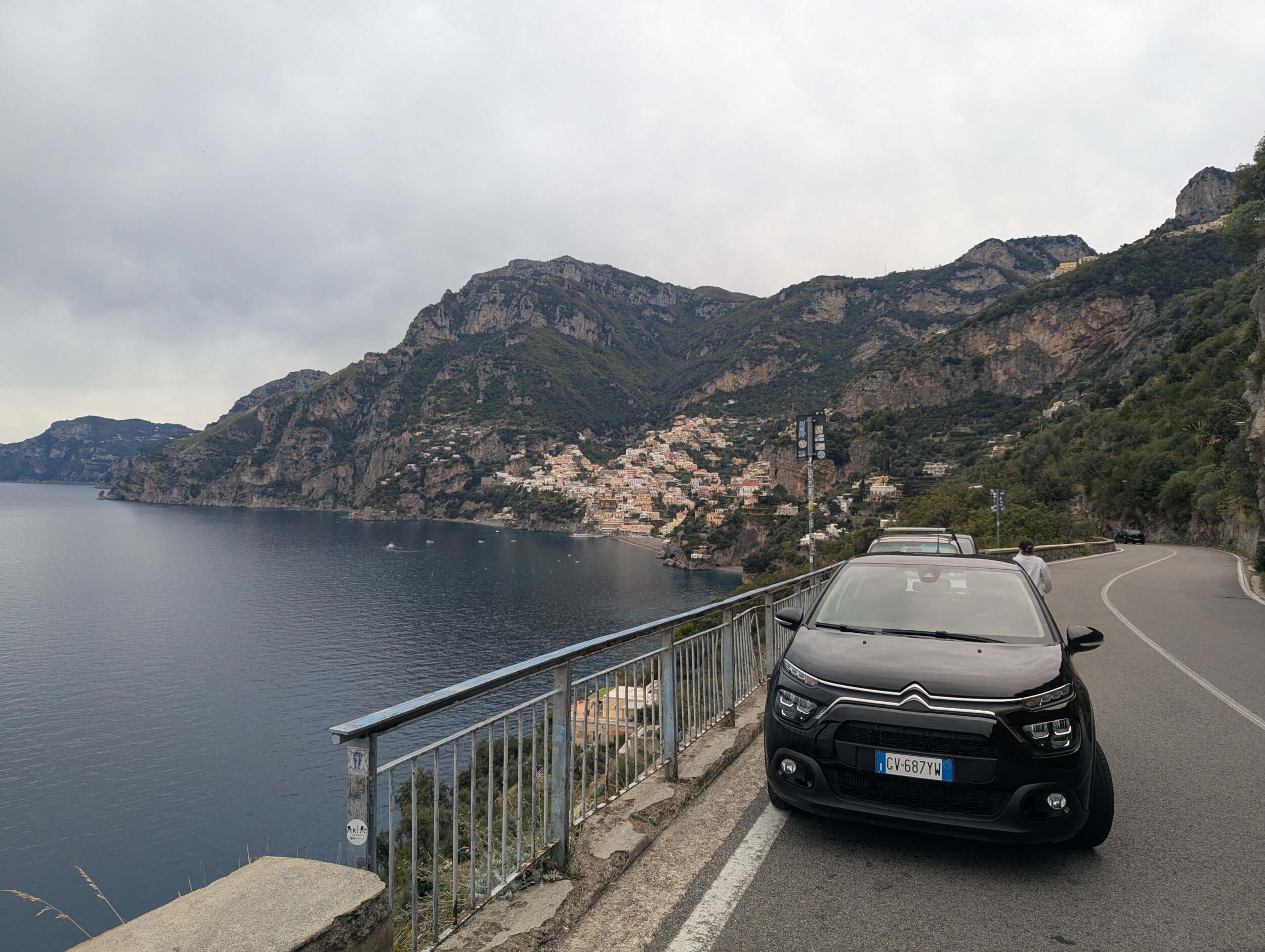
And what wonderful days they were. I drove the entire coastal road twice: there and back. The route from Sorrento to Salerno is a masterpiece of hairpin bends, tunnels, and panoramic views. Every curve reveals a new, even more spectacular vista. I stopped multiple times to take photos, enjoy the view, and simply realize how special this place is.
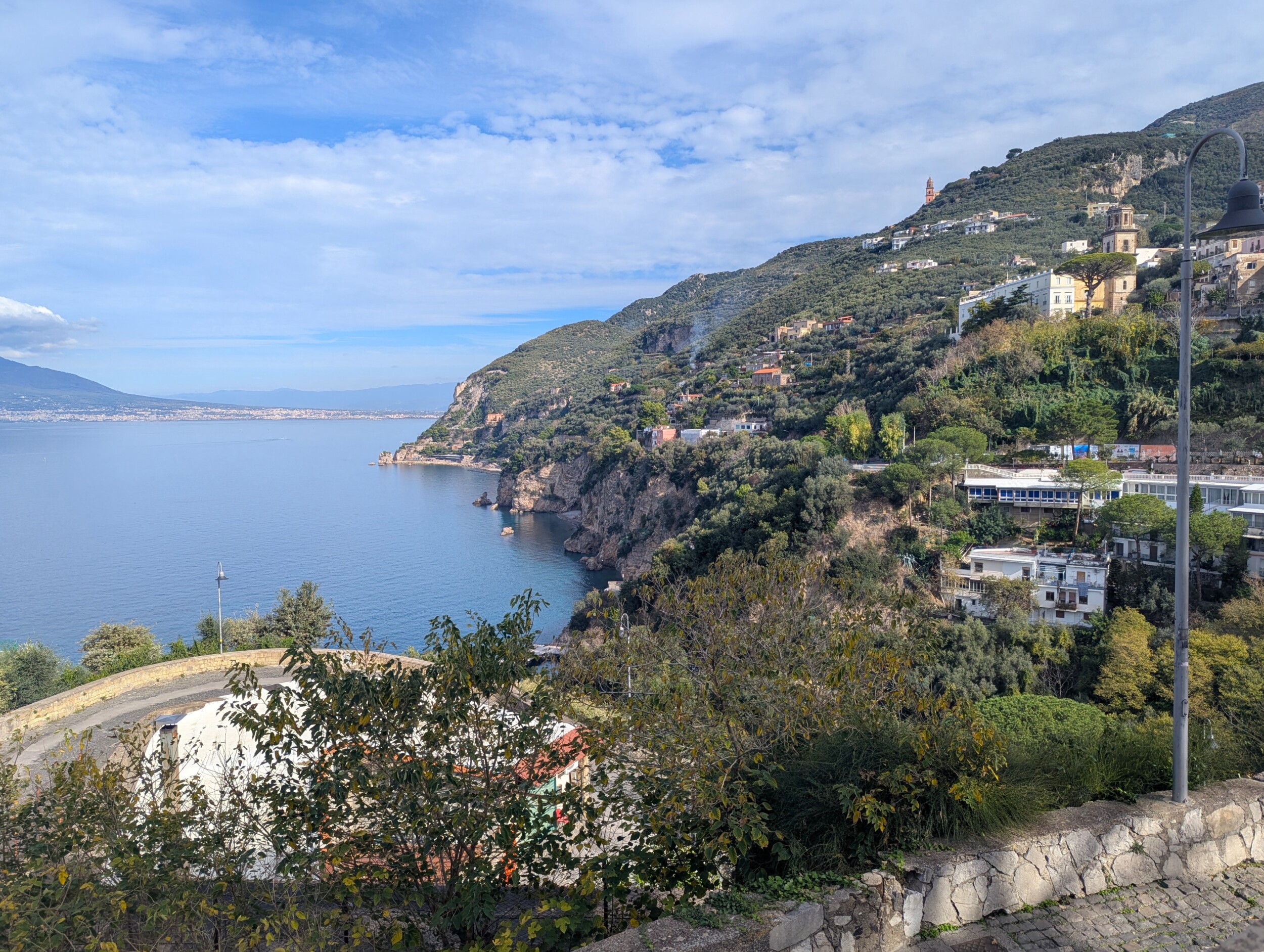
The narrow coastal road winds along steep rock faces with dramatic cliffs on one side and the deep blue of the Tyrrhenian Sea on the other. Colorful houses sometimes literally cling to the rocks, terraced gardens full of lemon trees climb up against the mountains, and everywhere you look is picture-perfect.
I must be honest though: with a rental car, it’s difficult to just stop anywhere. The road is narrow, busy, and parking opportunities are scarce. For next time, I’m considering renting a scooter – much more freedom to stop impulsively at beautiful viewpoints.
Tip: during a boat trip along the Amalfi Coast, you will of course also enjoy fantastic views of the beautiful coastline and the various villages.
Where to Stay on the Amalfi Coast? Salerno and San Lazzaro
With only four days on the Amalfi Coast, I wanted to be strategic with my accommodation. I chose to sleep two nights in Salerno, which isn’t immediately obvious. I met up there with Romee from the Netherlands, and together we hiked the famous Path of the Gods. Salerno is the larger city at the eastern end of the Amalfi Coast, much quieter and more affordable than the tourist hotspots along the coast, but with an authentic Italian atmosphere. A lovely promenade to stroll along and a cozy old center with good amenities.
You can of course also choose the city of Sorrento at the beginning of the Amalfi Coast, just below Naples.
From Salerno, Romee and I hiked the famous Path of the Gods. That meant taking an inland route toward the coast – no hardship at all! I absolutely didn’t want to miss this hike and was happy to do it together. It was more than worth it.
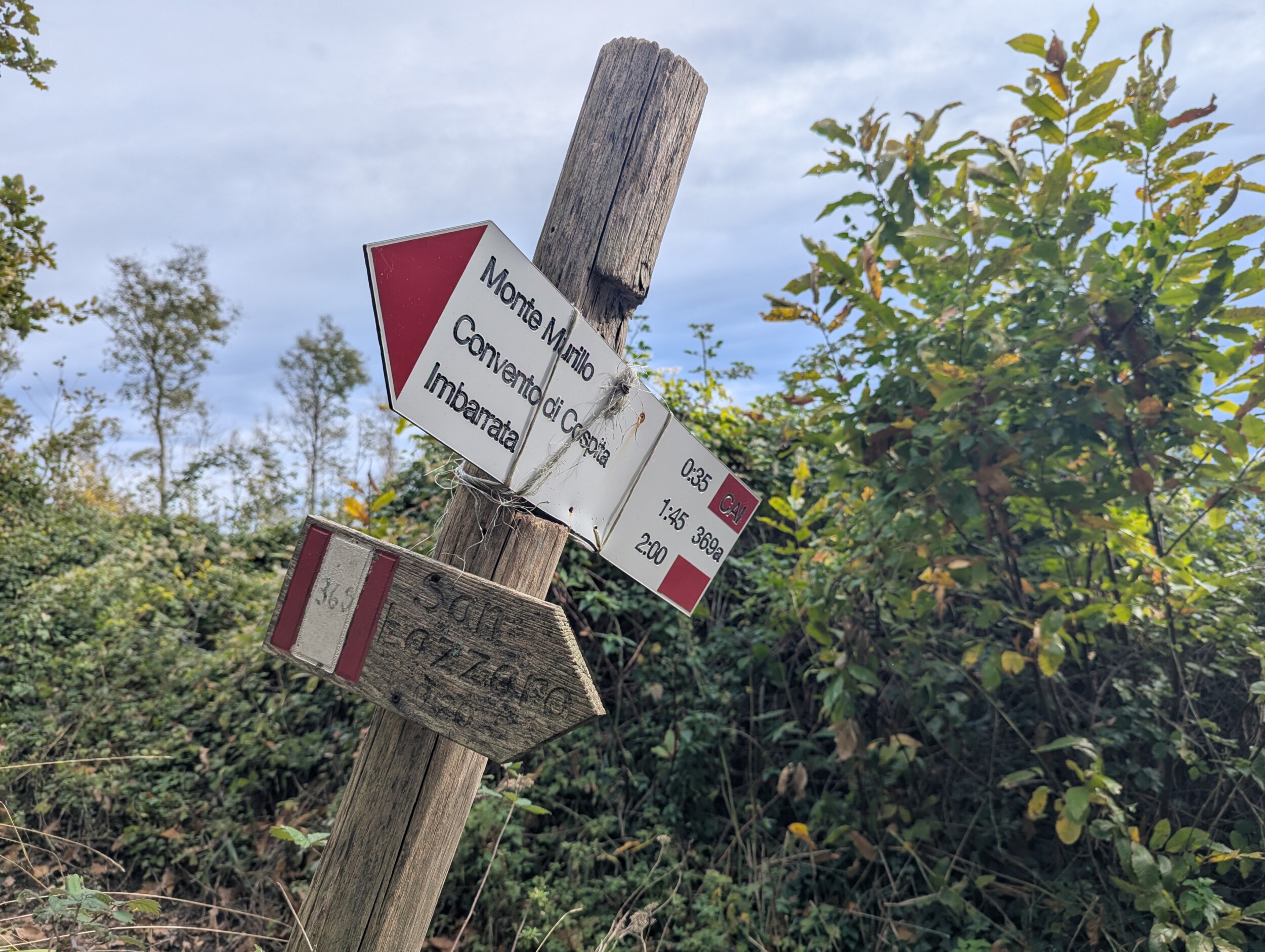
To spend more time in the heart of the Amalfi Coast, I then moved to San Lazzaro, a small mountain village near Agerola. This is one of those places where tourists come less frequently. Authentic, quiet, and surrounded by hiking trails. Here you truly feel how the local population lives, far away from the crowds down at the coast. The perfect refuge for those who want to truly experience the Amalfi Coast.
Four days was really too short. Much too short. There are so many more beautiful hikes to discover in this area.
The Sentiero dei Limoni: Hiking Among the Lemon Trees
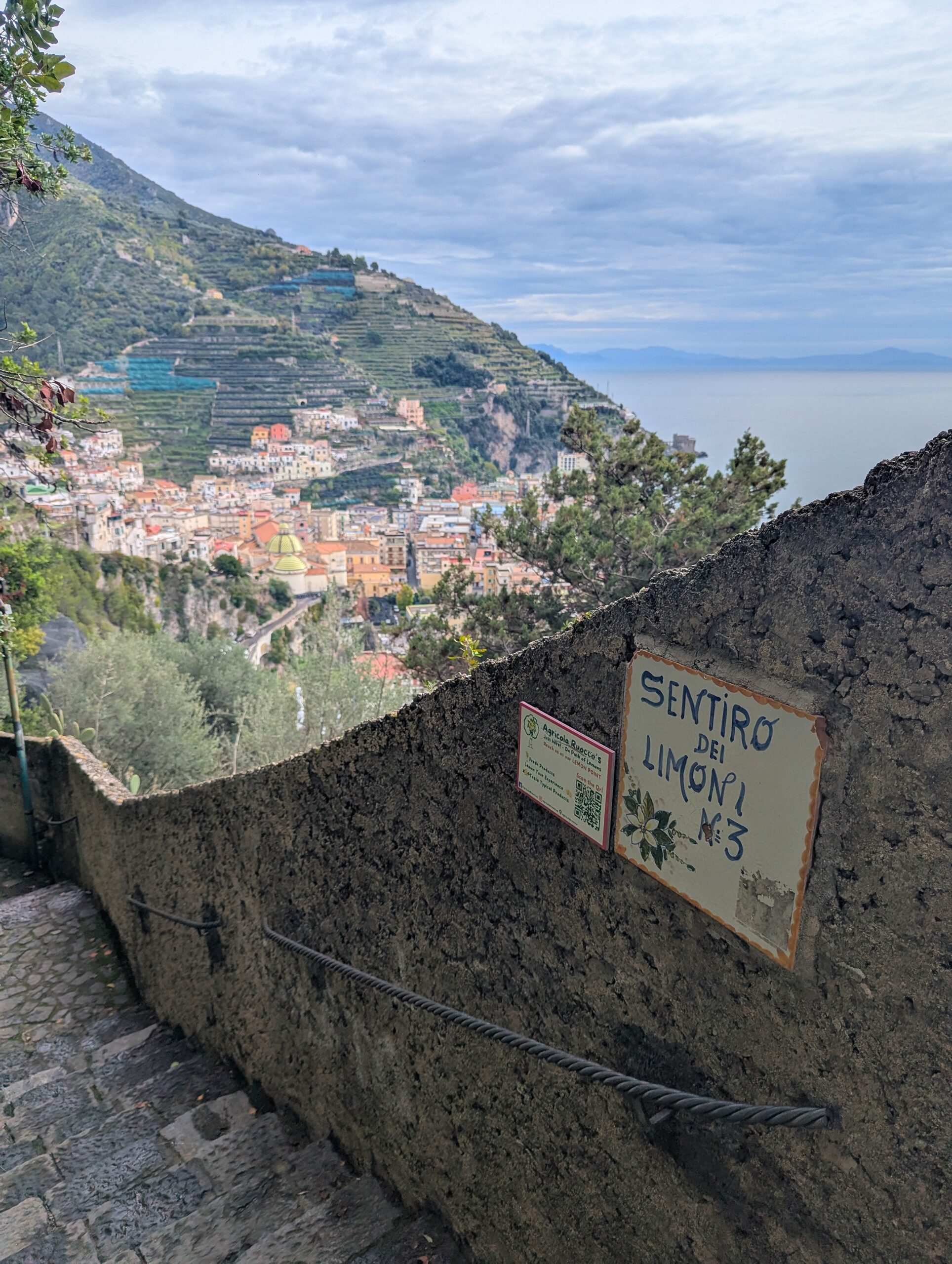
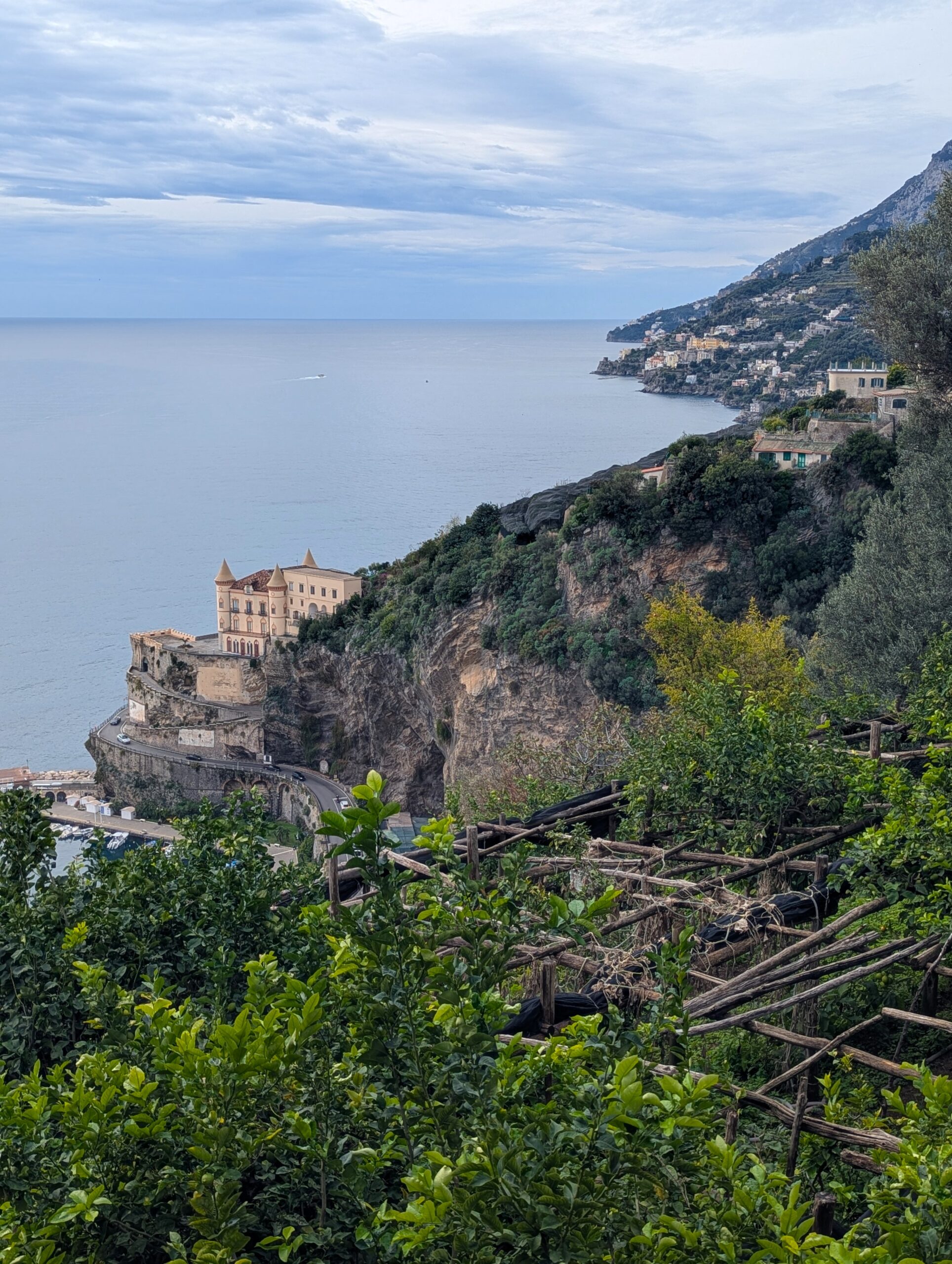
One of the hikes I did was the Sentiero dei Limoni (the Lemon Path). This historic path connects Maiori with Minori and runs through spectacular lemon terraces. Unfortunately, I wasn’t there in spring to experience the scent of lemon blossoms, but the views over the fantastic coast and plantations were truly amazing. Right now it was quiet, and I walked alone with some local people. I found it a wonderful hike and experience.
Lemon is king on the Amalfi Coast, and nowhere is that as clear as on this path. The famous Sfusato Amalfitano lemons grow here abundantly, protected under wooden pergolas and carefully tended by generations of farmers. These lemons are larger and sweeter than regular lemons, perfect for limoncello and all kinds of local dishes.
Minori: Culinary Experiments
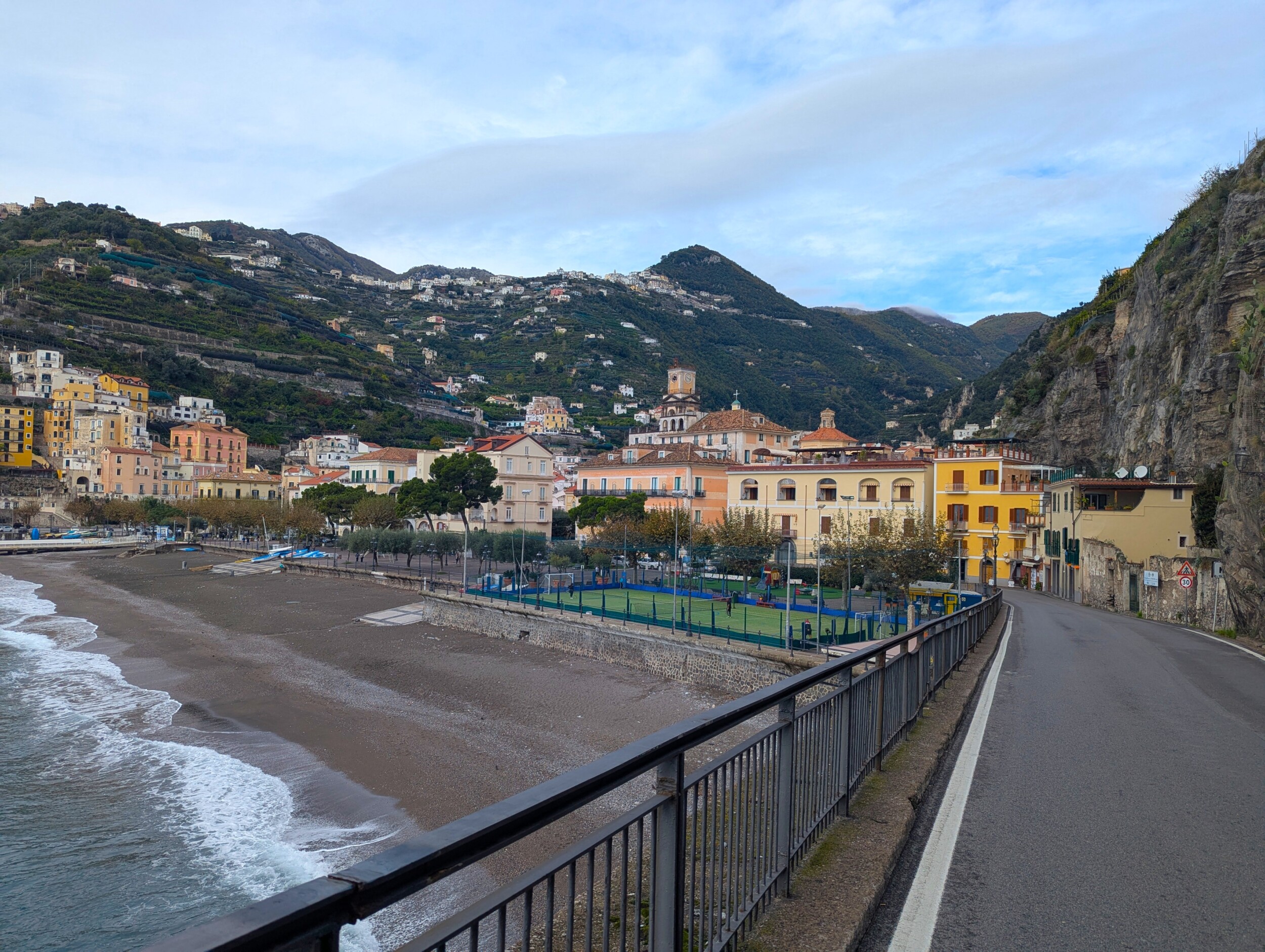
My hike ended in Minori, a charming coastal town that’s less touristy than Positano or Amalfi, but equally authentic. Here I tried two local specialties I had heard about and that made me curious.
Coffee with lemon, apparently a thing here. Honestly? I didn’t like it. The combination of bitter espresso and sour lemon just didn’t work for me. Some local traditions apparently require an acquired taste.

At Sal de Riso, a famous patisserie in Minori, I also ordered the sfogliatella, that traditional Neapolitan delicacy with all those layers of puff pastry filled with ricotta and custard. It’s unmistakably a work of art: the pastry is beautifully made, with perfect layers and beautiful presentation. But for me personally, it was more something to admire than to order again. Nice to have seen and tasted, but also not my favorite.
That’s how it goes with travel: not everything that’s famous has to become your favorite. And that’s perfectly fine.
Path of the Gods: The Most Famous Hike on the Amalfi Coast
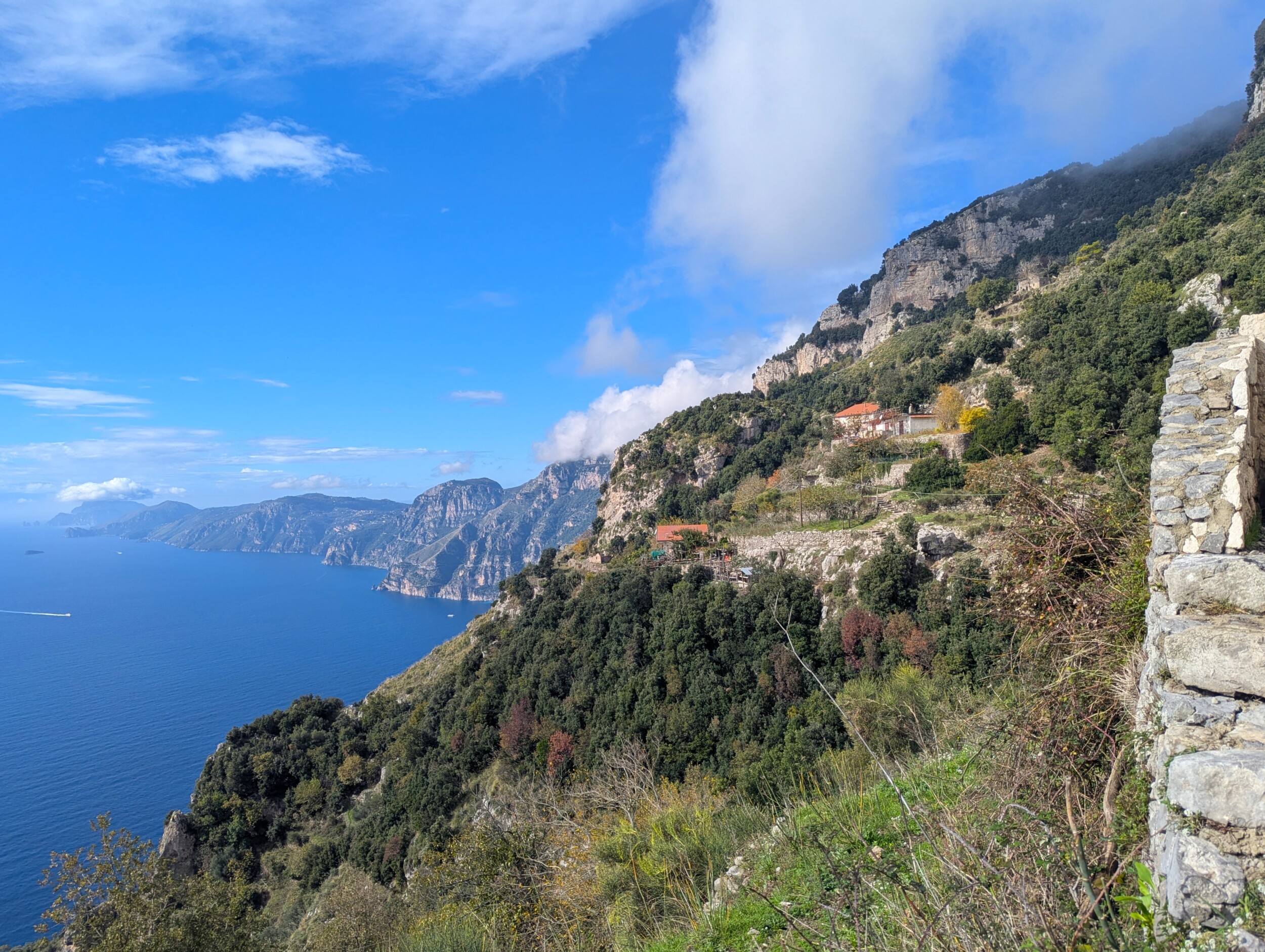
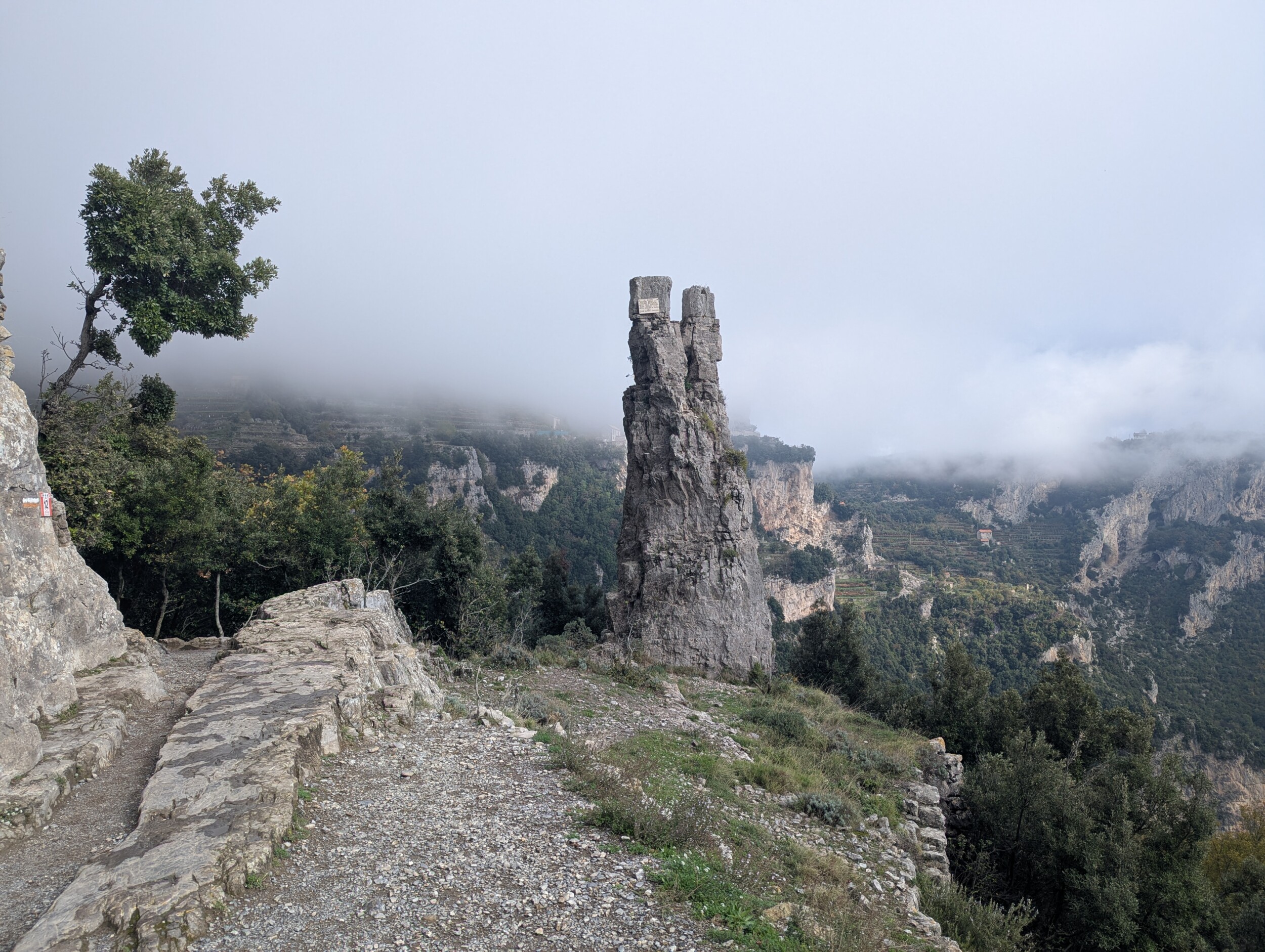
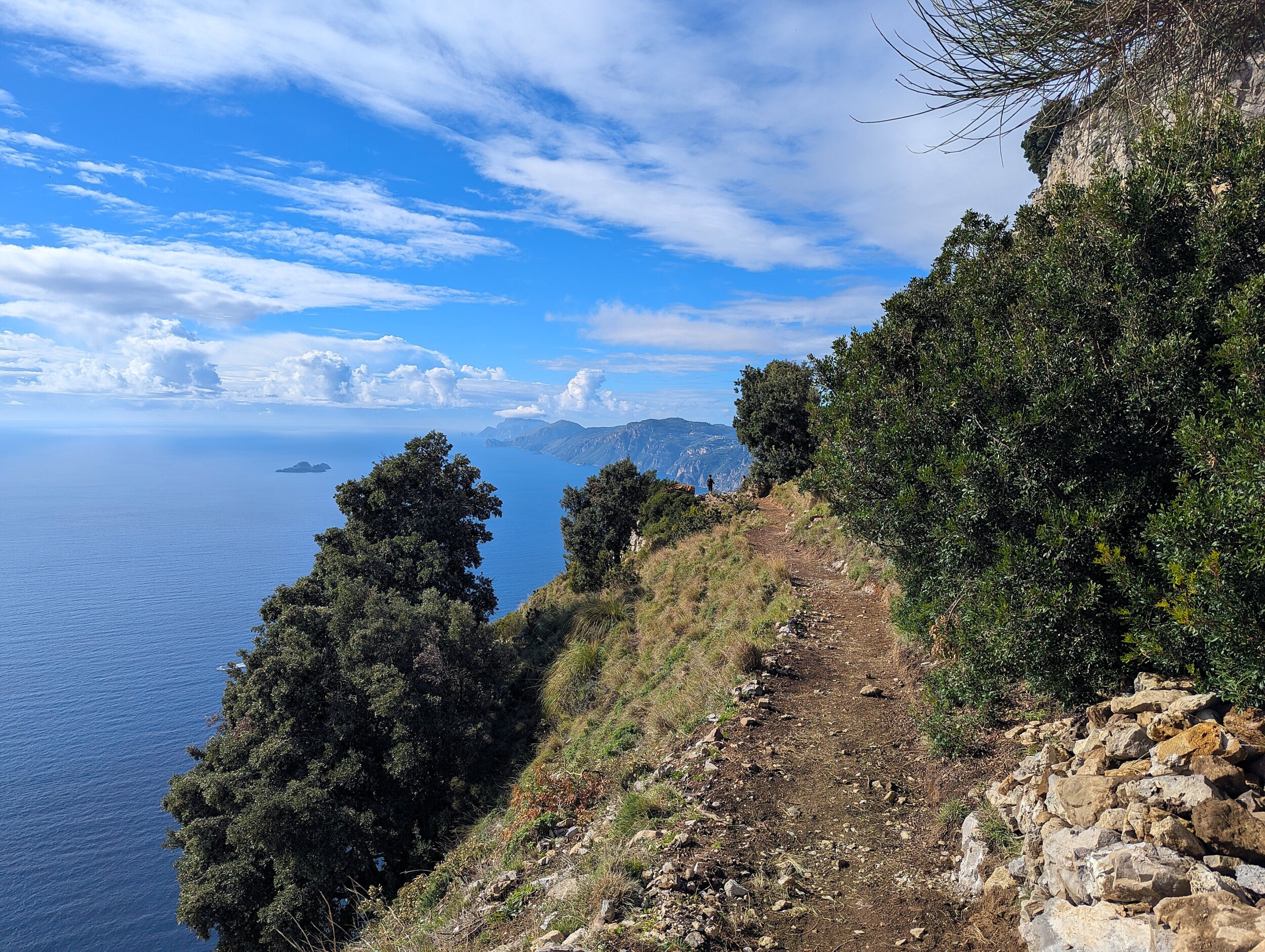
The Sentiero degli Dei (Path of the Gods) is on every hiker’s bucket list, and rightfully so. This spectacular high-altitude path runs from Bomerano (in the municipality of Agerola) to Nocelle near Positano, and offers the most breathtaking views over the Gulf of Salerno along the way.
Lunch with Shepherd Antonio
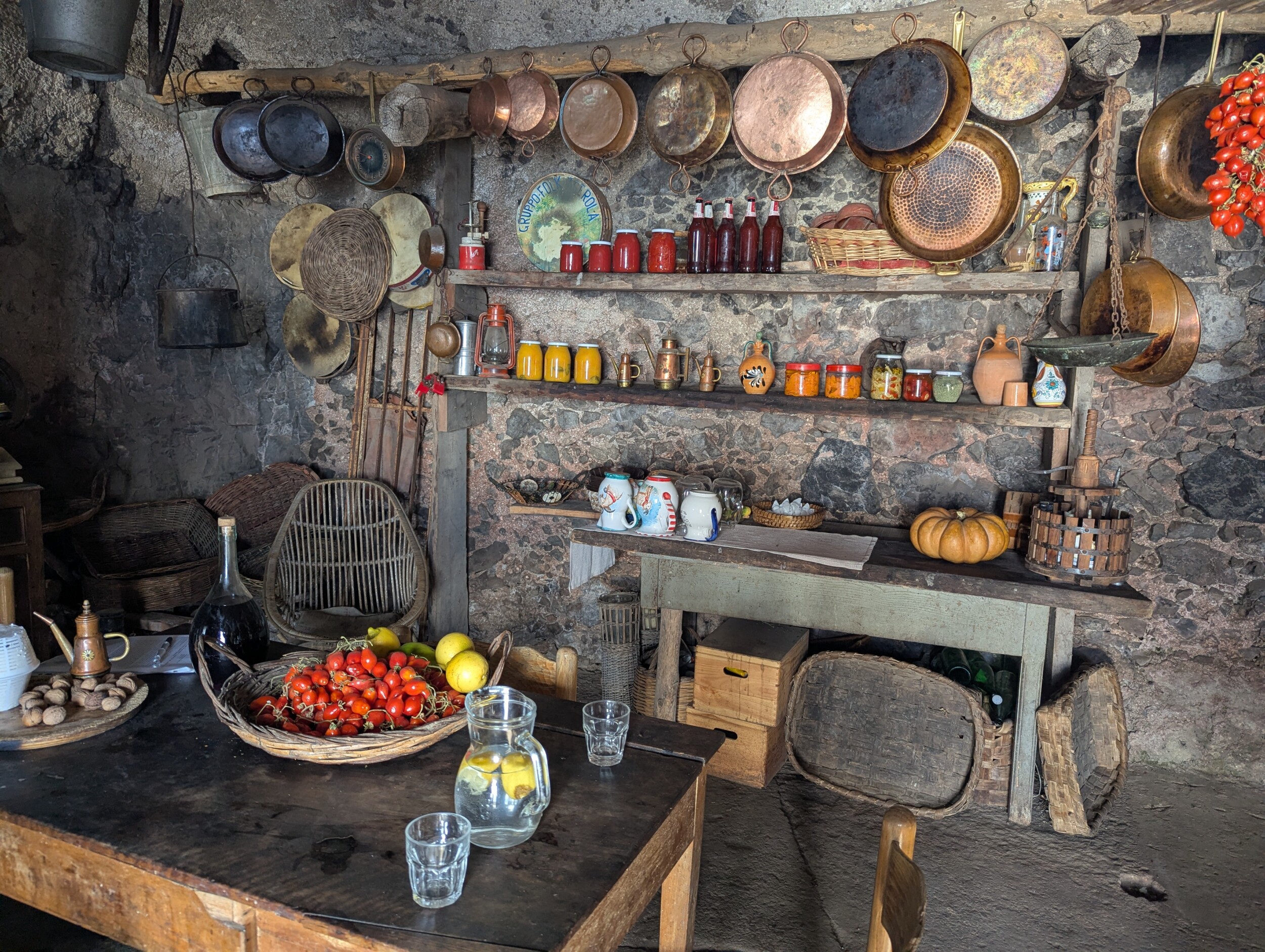
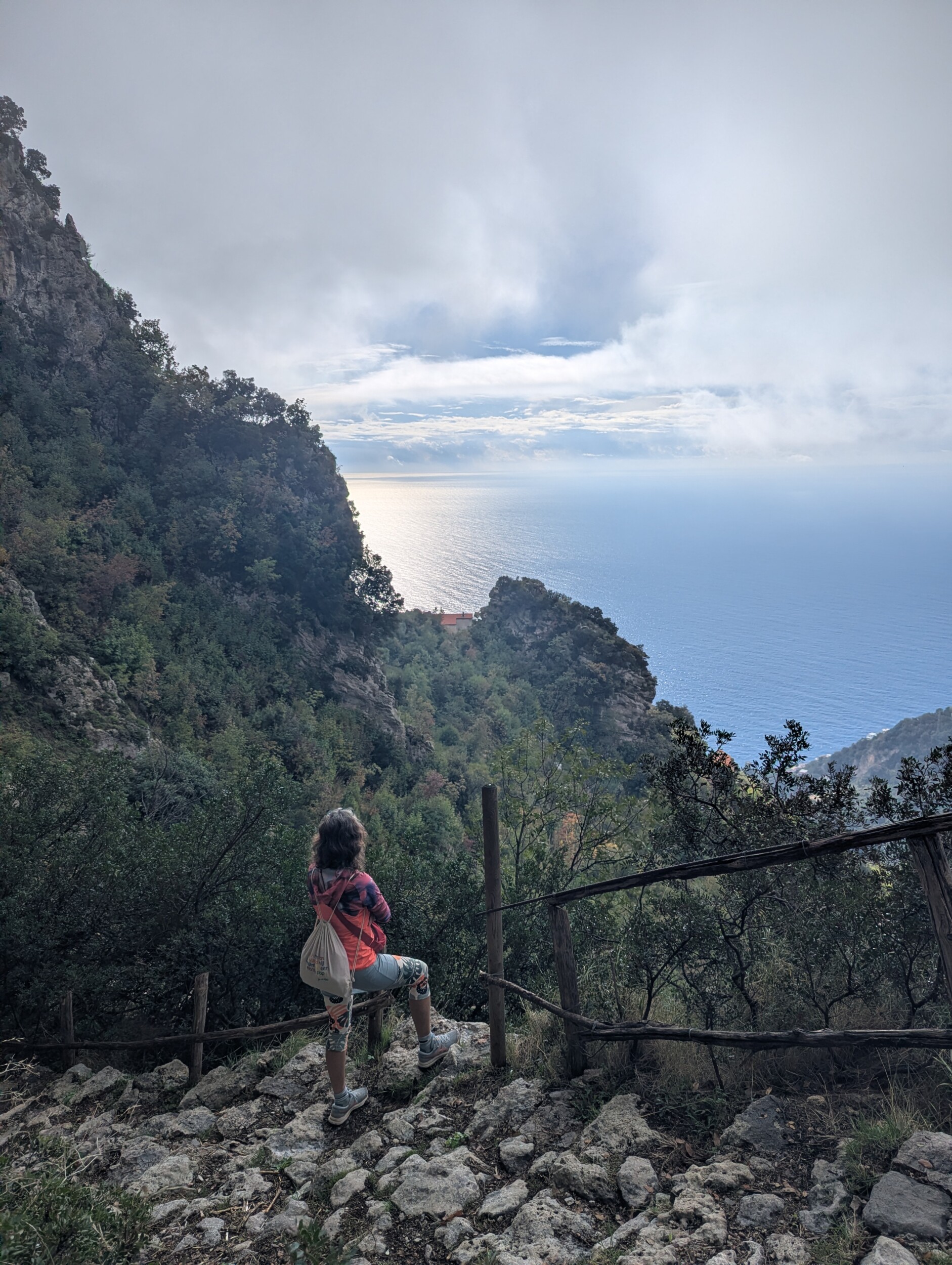
I hiked this route together with Romee, and one moment is etched in my memory: having lunch with shepherd Antonio. Somewhere halfway along the path, hidden among the rocks with a view over the endless sea, Antonio has a small stand where he serves simple but delicious food to hikers.
This wasn’t a tourist restaurant – this was authentic to the core. Antonio, with his weathered face and hands of someone who has worked outside his whole life, served local cheese, bread, and vegetables. Everything fresh, everything local, everything simple but incredibly delicious. He doesn’t ask for a fixed price but works on a donation basis. You pay what you think it’s worth – how lovely is that?
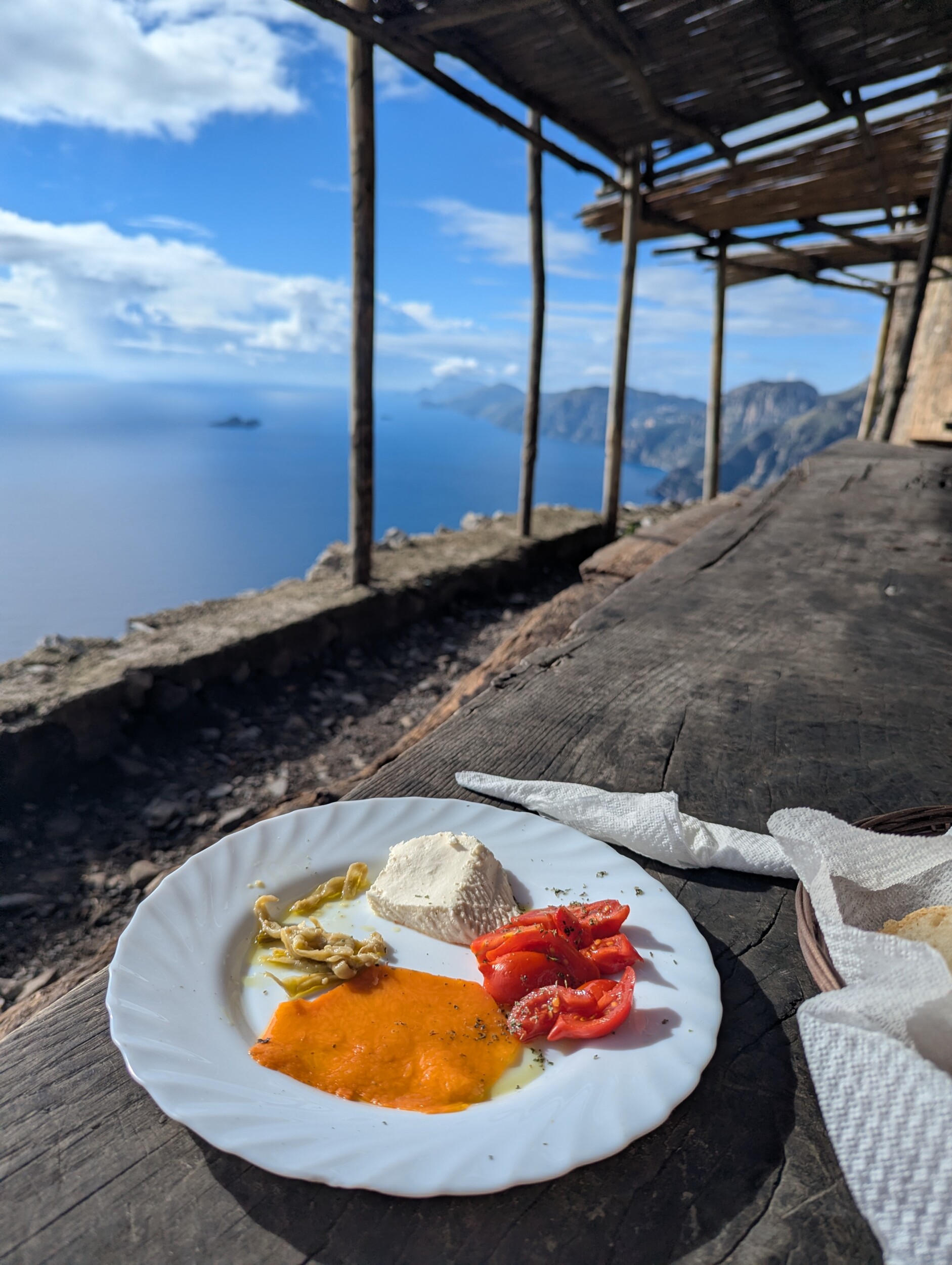
While I sat there eating, with the sun on my face and the view over the coast, I realized that these kinds of moments make hiking the Amalfi Coast so special. For me, it’s not the Instagram photos of Positano, not the famous patisseries, but these real, genuine encounters with people who have lived and worked here for generations.
Hike from San Lazzaro: An Encounter with a Shepherdess
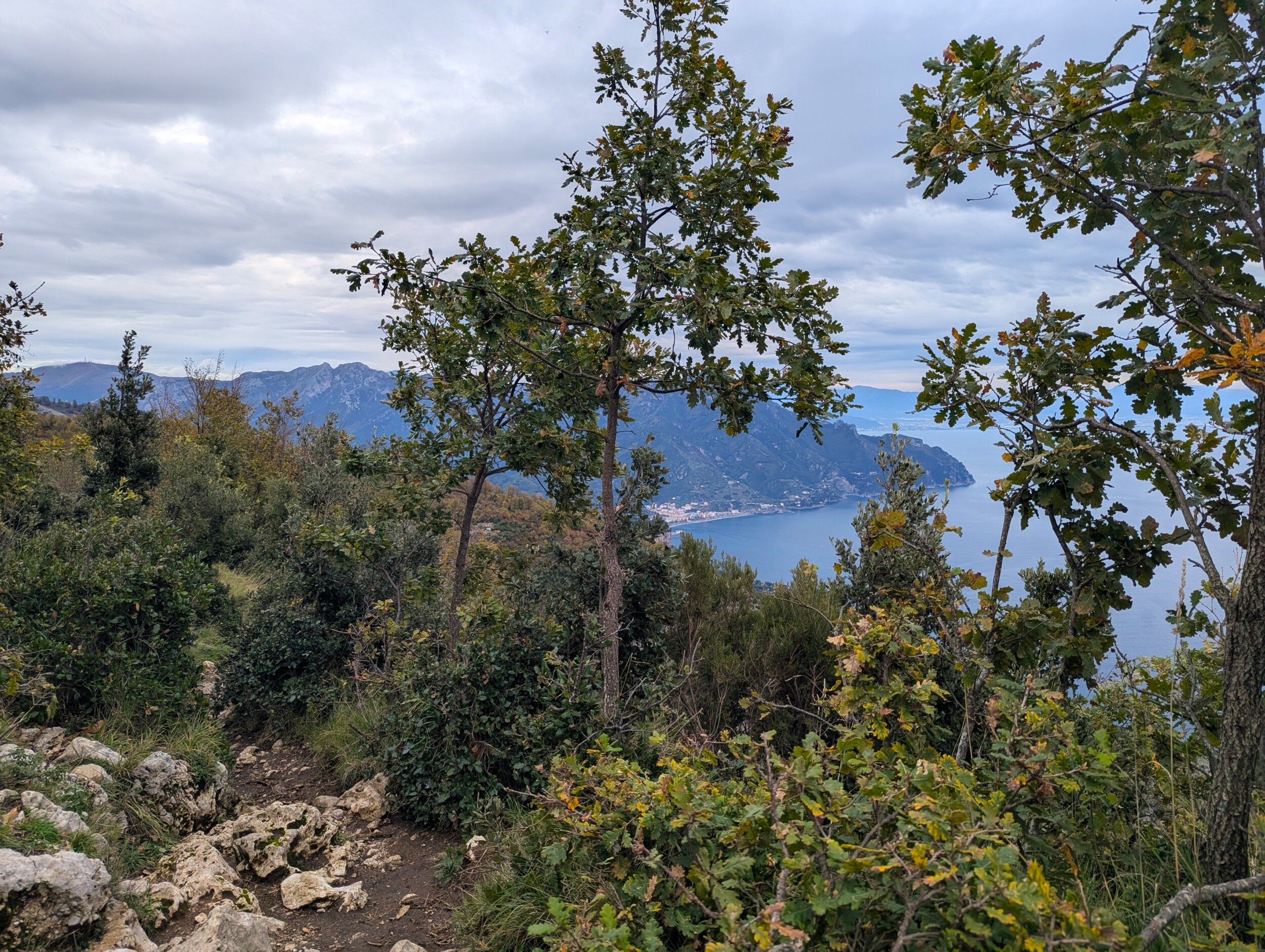
From my stay in San Lazzaro, I did another beautiful hike that eventually goes all the way down toward the coast. Because it was already late in the afternoon, I decided not to do the entire route but to stop at a beautiful viewpoint.
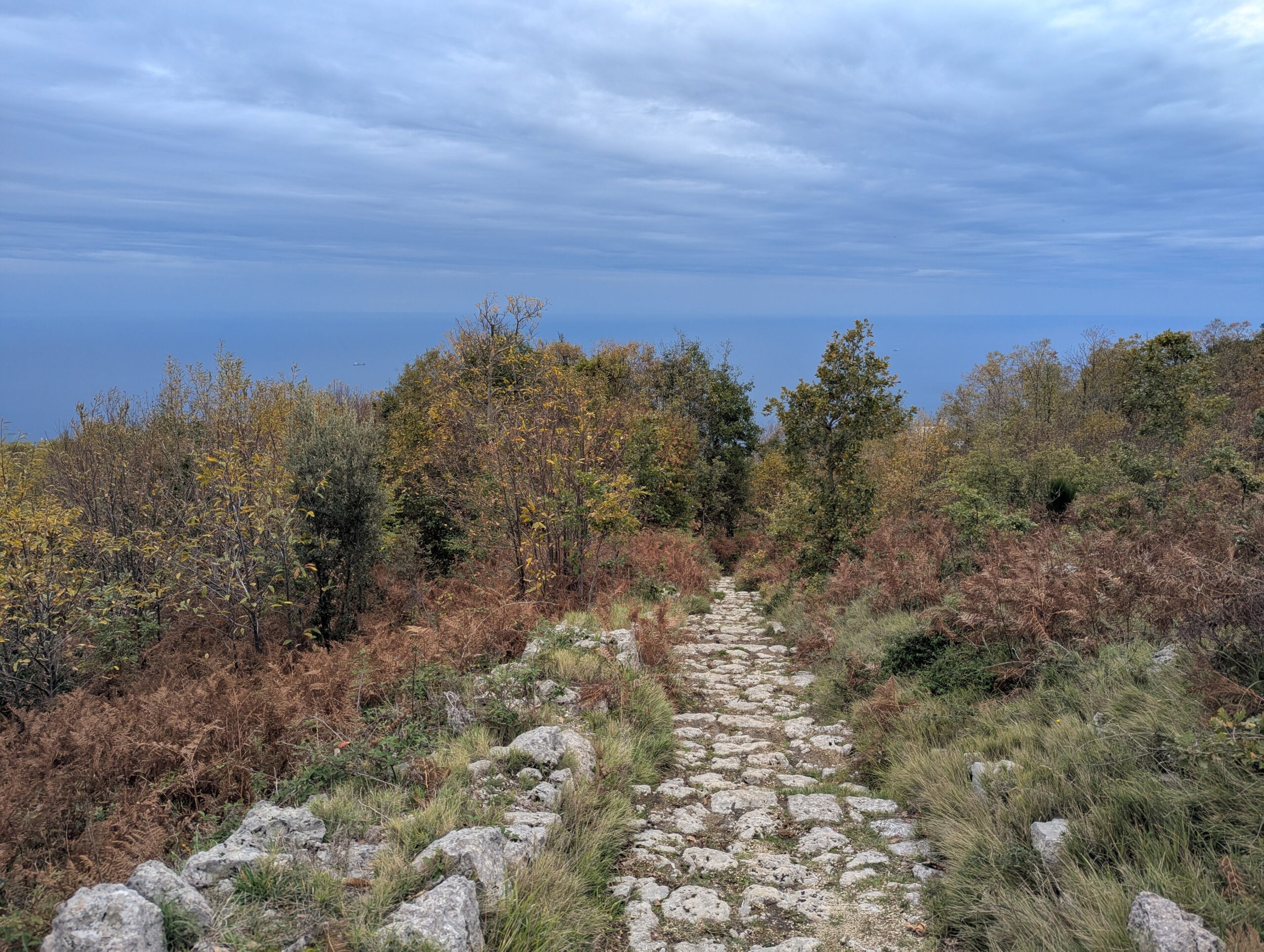
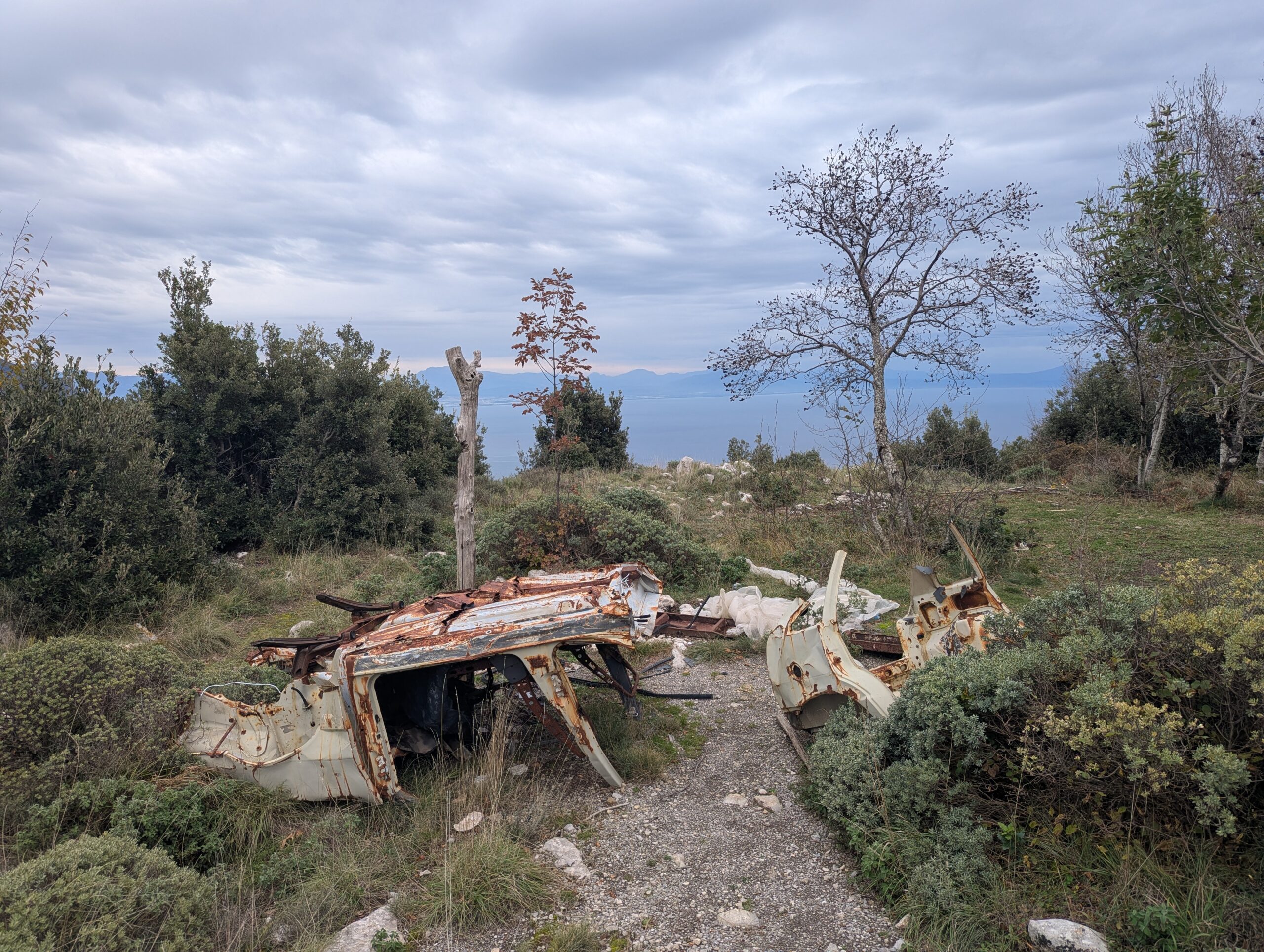
And there, in the silence of the mountains, I heard them coming from afar: a female shepherd with her herd of goats. The jingling of the bells around the goats’ necks echoed against the rock walls. We exchanged a few words, and I watched as she walked down the mountain with her herd toward the lower pastures. Long after she disappeared from sight, I could still hear the jingling of the bells echoing through the valley.
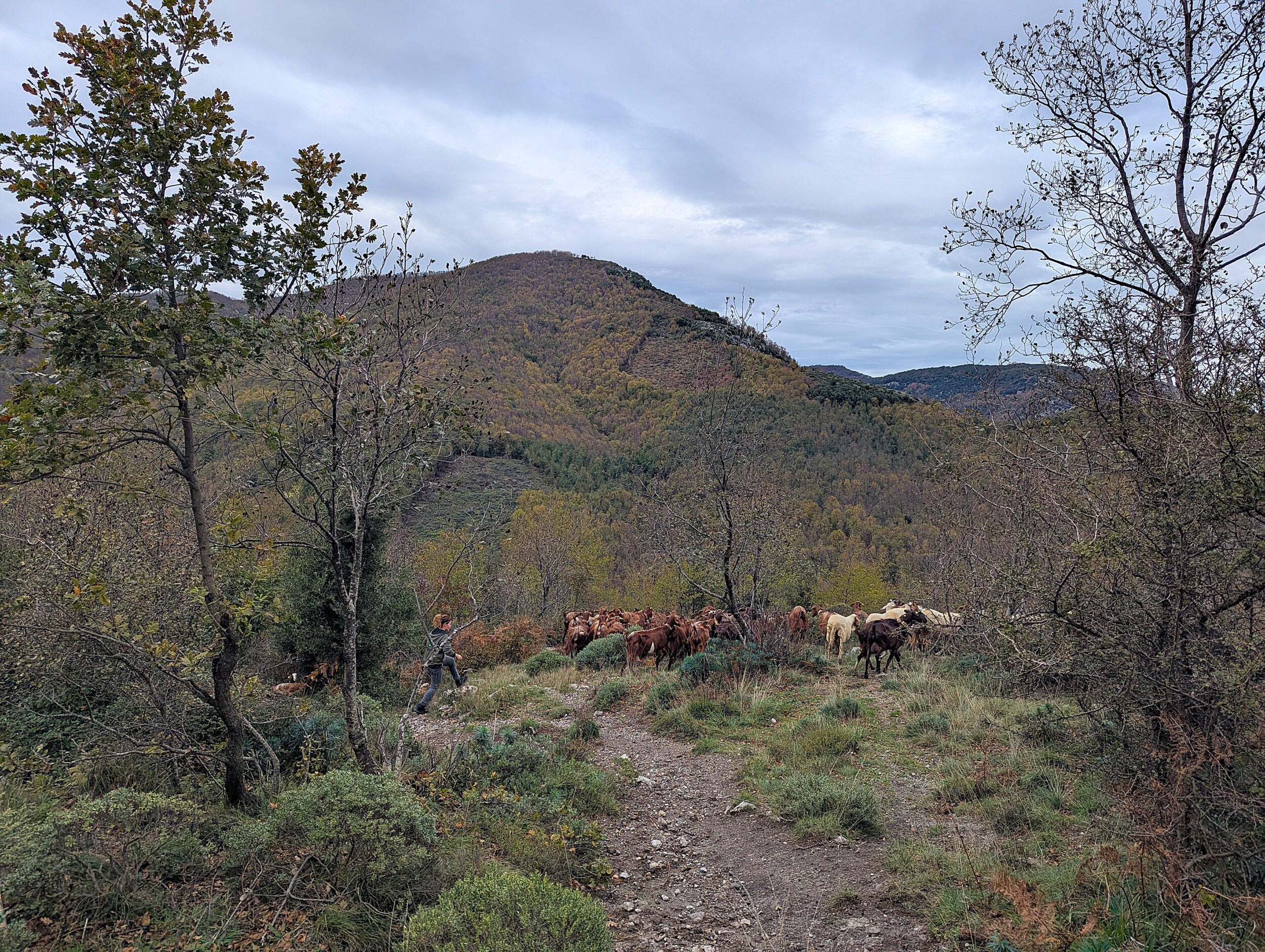
These kinds of encounters make hiking the Amalfi Coast so special. You don’t just share the paths with other hikers, but also with the people who have lived and worked here for centuries. Especially when you, like me, travel outside the high season.
You walk alongside shepherds leading their flocks to fresh pastures, farmers tending their lemon terraces, and old women climbing the steep paths with large baskets on their heads.
Practical Tips for Hiking the Amalfi Coast
While hiking, I always carry a water bottle #ad with me. Let’s make sure single-use water bottles (and the accompanying waste) become a thing of the past.
Where to Stay?
Salerno is an excellent base: affordable, authentic, with good amenities and less touristy than the villages along the coast. From here you can explore the entire coast by car or bus. Disadvantage: you have to drive back and forth every day for hikes.
- I stayed here at Amarfia Bed & Breakfast in the center but also on the edge so you can still park your car. (The host recommends Barra garage where you can securely park your car for 20 euros per night)
Mountain villages like San Lazzaro or Agerola are perfect if you really want to stay in the hiking area. You literally step out of your accommodation onto the hiking trails. Quieter and more authentic, but few or no nightlife options and restaurants.
- I stayed in Agerola at Casale Paradiso. Truly a fantastic spot, also away from all the tourism. And my own terrace to look out over the area and coast. The family serves dinner and breakfast downstairs in the building.
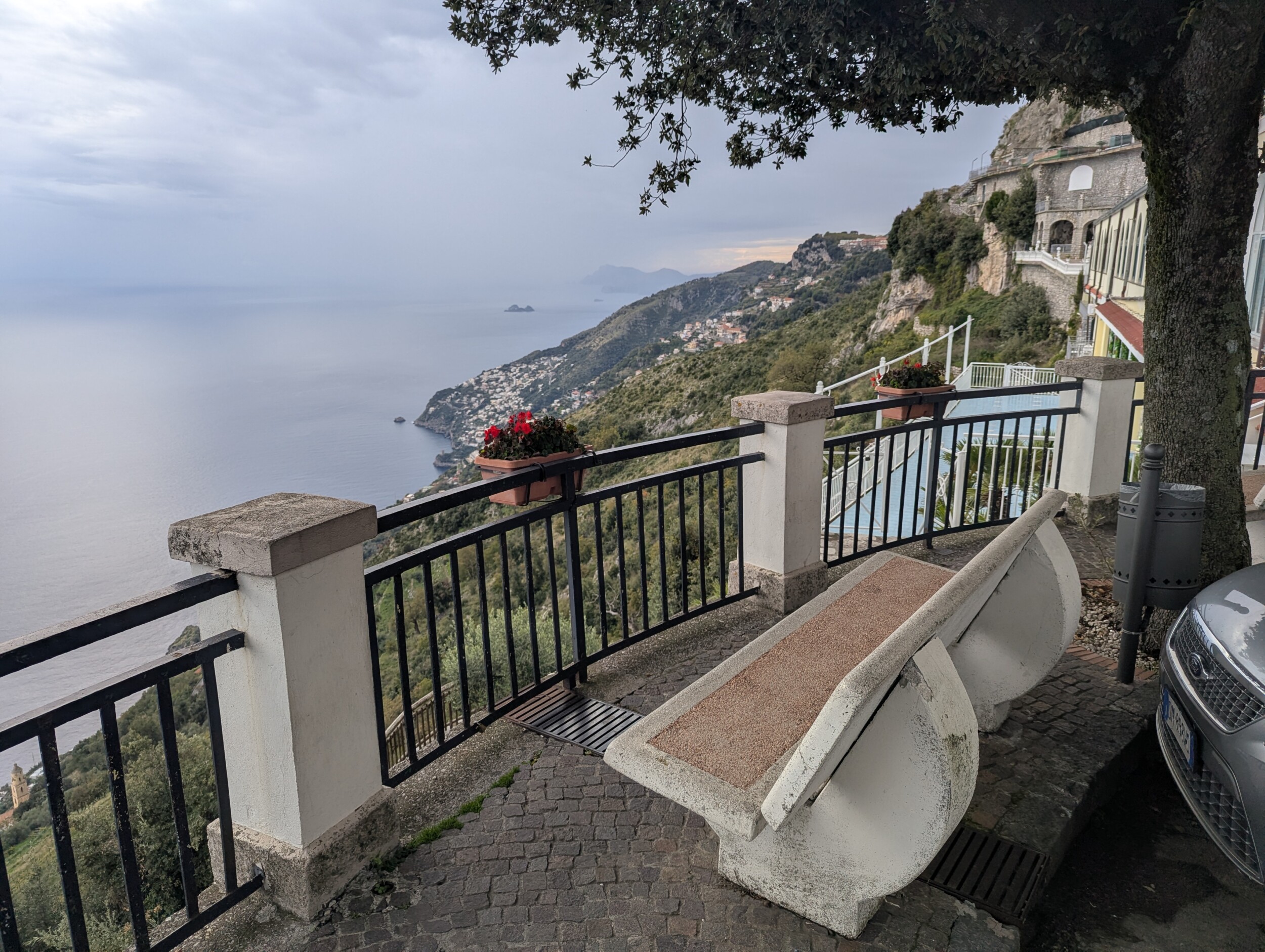
Coastal villages like Amalfi, Positano, or Praiano offer the ultimate Amalfi Coast atmosphere but are more expensive and crowded. However, they provide direct access to both coast and mountain hikes.
Transportation: Car, Scooter, or Bus?
Rental car gives freedom, but the coastal road is narrow, busy, and parking is often a challenge. Just stopping for a beautiful view? Difficult.
Scooter seems ideal to me for next time: much more maneuverable, easier parking, and the freedom to stop impulsively wherever you want. Be careful though during the summer months when many tourists are on the roads.
SITA bus is the answer for hikers. The bus runs regularly along the entire coast and stops at all villages. This opens up a world of possibilities for point-to-point hikes: you can walk from village to village without having to return to your car. Start for example in Bomerano (Path of the Gods), walk to Nocelle, take the bus to Amalfi, and sleep there. The next day, continue hiking.
And here’s the thing: with a light backpack, you could do this as a kind of mini-Camino. A few days of hiking from village to village along the Amalfi Coast, sleeping in a different place each evening, and during the day walking the spectacular paths between villages. Without luggage stress, because you always have the bus as backup.
That seems truly fantastic to me and is high on my wishlist for next time!
Practical Hiking Tips
- Best time: April-June and September-October are ideal. July-August can be hot; start early in the morning then.
- What to bring: Good hiking shoes (paths can be steep and rocky), plenty of water, sun protection, and some cash for along the way (like at Antonio’s!).
- Difficulty level: Ranging from easy coastal paths to challenging mountain routes. The Path of the Gods is moderate (good fitness needed), Sentiero dei Limoni is easier.
Famous Hiking Routes on the Amalfi Coast
When you think about hiking the Amalfi Coast, these are the routes you should definitely consider:
- Sentiero degli Dei (Path of the Gods): The most iconic hike, from Bomerano to Nocelle
- Sentiero dei Limoni: Fragrant route through lemon terraces between Maiori and Minori
- Valle delle Ferriere: Nature reserve above Amalfi with waterfalls
- Monte Faito: For experienced hikers, highest peak of the Lattari mountains
- Alta Via dei Monti Lattari: Multi-day long-distance route through the mountain area
Why Hiking is the Best Way to Discover the Amalfi Coast
Yes, driving the coastal road is truly spectacular. But hiking really gives you access to another world. You literally taste the lemons growing along the path, you hear the goat bells in the mountains, you smell the wild herbs and sea breeze, and you meet people like Antonio and the shepherdess – people who don’t visit this place but live here.
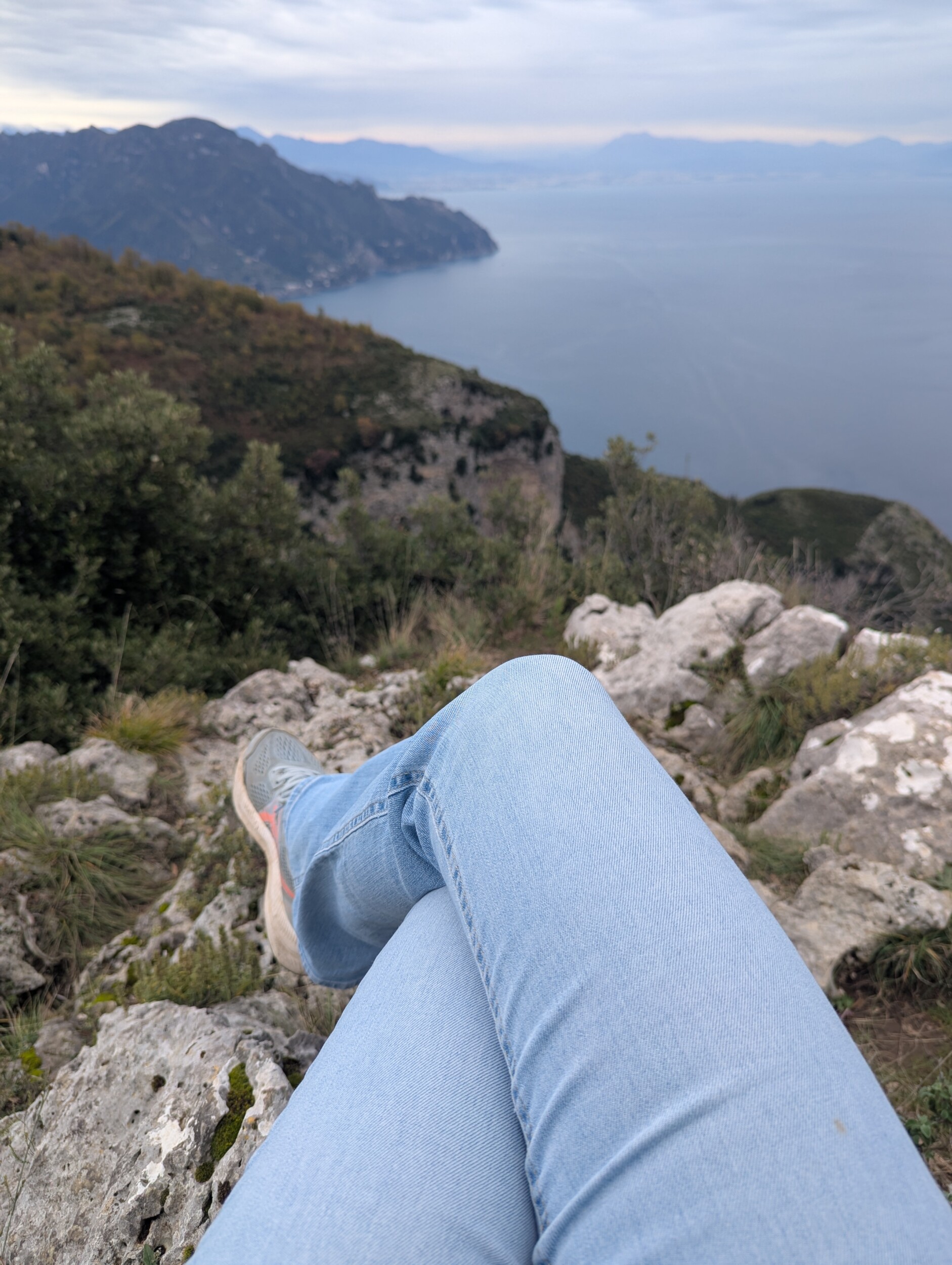
And when you rest in a coastal village after a long day of hiking, with tired legs and a head full of memories, you understand why hikers have been drawn to this magical coast for centuries.
Four days was too short for me. Much too short. I will definitely return, perhaps with that moped, or with a light rucksack for my own mini-Camino along the coast.
Are you ready for a hiking adventure on the Amalfi Coast? The ancient mule tracks are waiting for you.
Frequently Asked Questions About Hiking the Amalfi Coast
- What is the most beautiful hike on the Amalfi Coast? The Path of the Gods (Sentiero degli Dei) is generally considered the most beautiful hike, but the Sentiero dei Limoni is also beautiful and less crowded.
- When is the best time to hike the Amalfi Coast? April-June and September-October offer the best combination of good weather, blooming nature, and fewer crowds.
- How do you get to the Path of the Gods? By SITA bus from Amalfi to Bomerano (Agerola) for the starting point, or to Nocelle/Positano for the endpoint.
- Is hiking the Amalfi Coast difficult? That depends on the route. Most paths have many stairs and elevation changes but are well-maintained with reasonable fitness.
- Where is the best place to stay for hiking the Amalfi Coast? Salerno for an affordable base, or coastal villages for the complete Amalfi Coast experience. Mountain villages like Agerola or San Lazzaro put you right on the trails.
Related Articles:
- Bari Italy: The Perfect 2-Day City Break
- Santa Maria di Leuca Travel Guide: What to Do + Local Tips
- Puglia Road Trip in 4-6 Days: Alberobello, Matera & Ostuni
- Naples Attractions: From Pizza to Vesuvius (27 Tips!)
- Cycling Outside Rome: Discovering Bracciano and Martignano Lakes
This article contains affiliate links. If you book or buy something through one of these links, we may receive a small commission at no extra cost to you.