
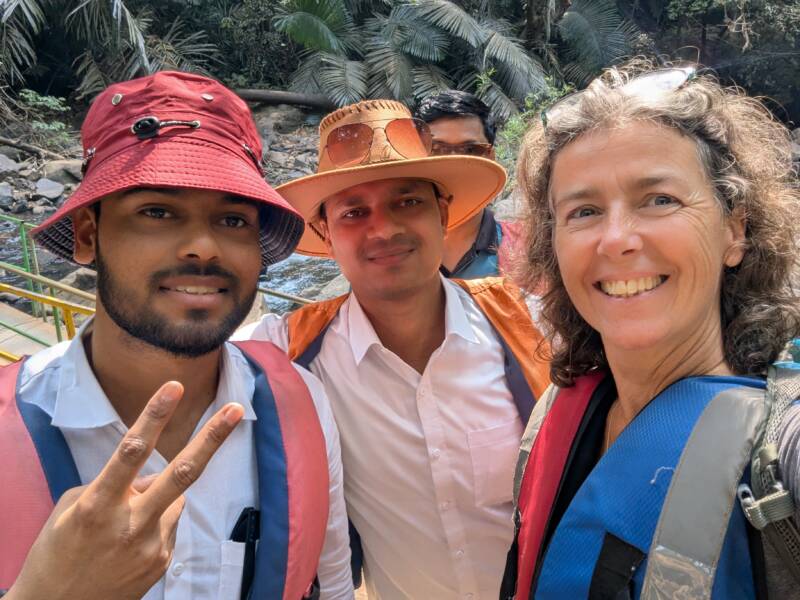
My experience as a solo traveler is that I feel safe 99.9% of the time. That contradicts a lot of the advice that gets spread around. If you’re just starting to travel alone as a woman, my first tip is this: don’t let negative travel stories stop you before you even begin. They’re subjective, they travel fast, and the same stories get repeated endlessly.
What you rarely hear is the other side. Ask yourself: what percentage of solo trips go well — and what percentage go wrong? The answer might surprise you.
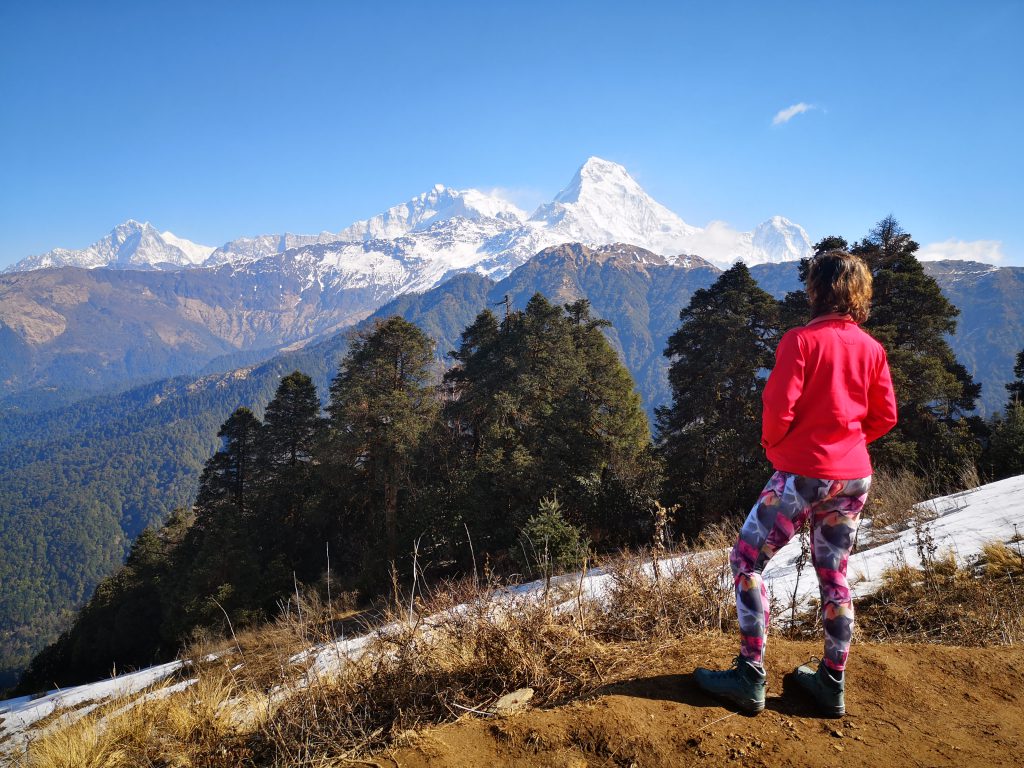
I’ve been traveling solo since 2012. In those years I’ve been to Vietnam, Myanmar, India, Nepal, the Philippines, Morocco, Jordan, Kenya, Oman and many more countries — often in places people warned me about beforehand. And before all of that, I spent 20 years working as a police officer on the streets of the Netherlands.

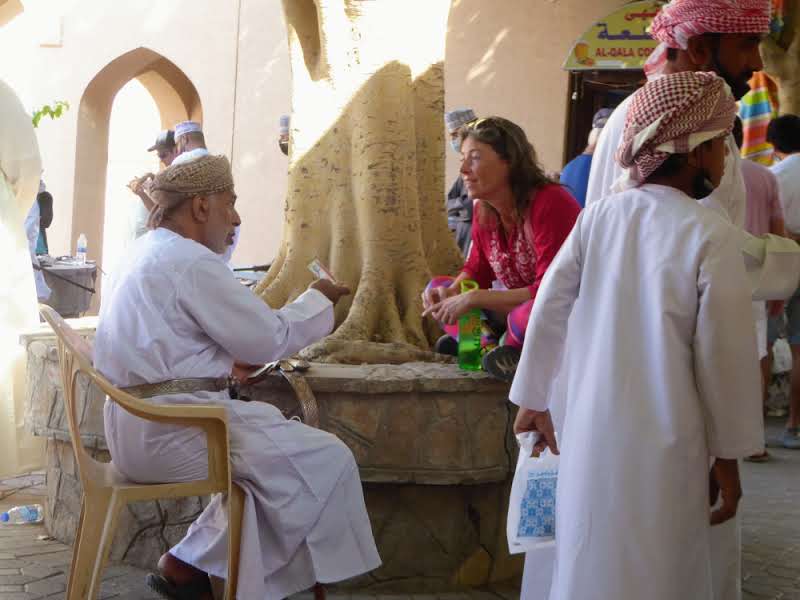
That background shapes how I look at safety. Not from fear, but from experience. I’ve learned to read situations, to trust signals, to act before something escalates. And I’ve learned that most of the time — almost all of the time — things are fine.
The solo female travel safety tips in this article are the result of both: years on the street and years on the road. Not theory — experience.
Why solo female travel safety tips matter more than ever
More women are traveling solo than ever before. Research shows that female travelers now account for the majority of all solo trips worldwide. At the same time, safety concerns are real and shouldn’t be dismissed. The goal isn’t to pretend risk doesn’t exist — it’s to travel smart, stay aware, and not let fear make decisions for you.
1. Take local advice seriously — but think for yourself
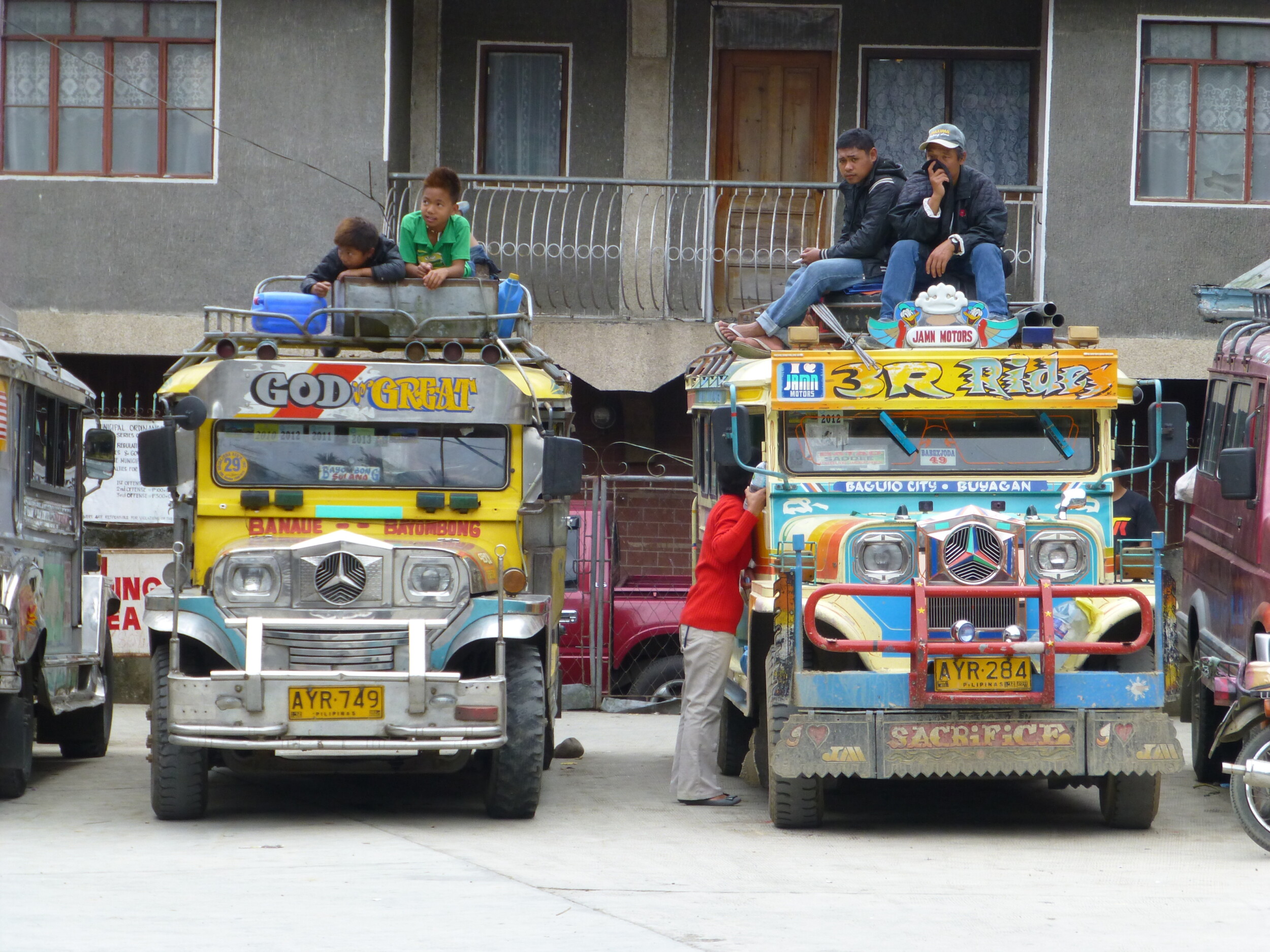
If you’re in a hostel or hotel and the staff gives you safety advice, take it seriously. When I was in Manila, the hostel told me not to go out alone after dark. I didn’t. I stayed in, found good company at the hostel and had a fine evening. Locals know their city in a way no travel guide can capture.
But stay sharp. Not every piece of advice is given with your best interests in mind. If someone tells you a certain route or trip is “unsafe” — and then offers you their own, more expensive alternative — that’s a red flag. Cross-reference advice with other sources, and when in doubt: trust your gut (more on that in tip 5).
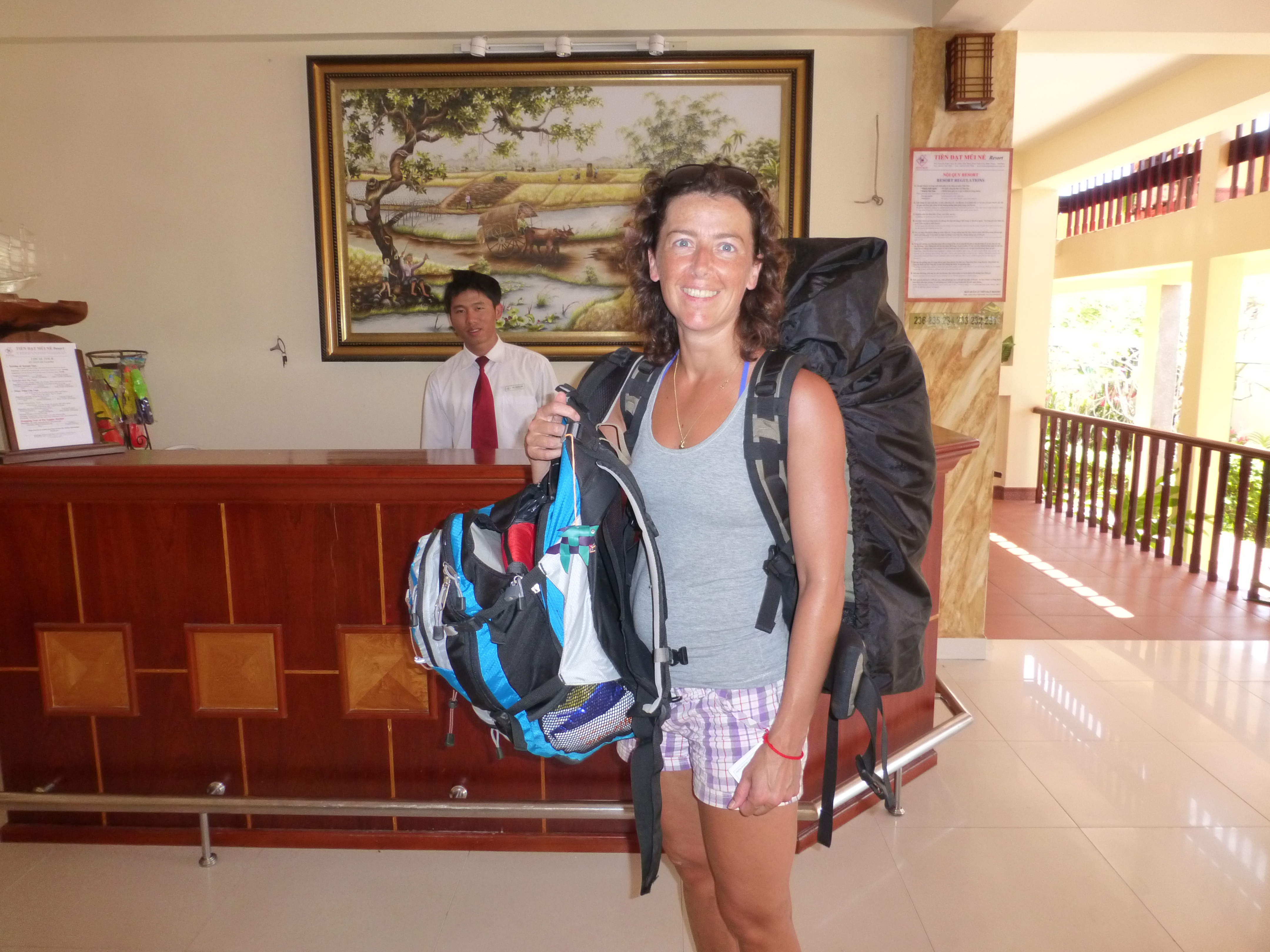
2. Let people know where you are
As a solo traveler, I make sure the people at home always have a rough idea of where I am and what my plans are. I share updates on social media, send messages to family and friends, and tell people what I’m planning to do next.
This isn’t about being anxious. It’s basic safety logic. If something does happen, the people who care about you can tell where you were, what you were planning, and where to start looking.
Practical tools that help:
- Share your live location via WhatsApp or Google Maps with someone you trust
- Drop a pin when you arrive somewhere new
- Apps like Life360 or bSafe allow trusted contacts to track your location in real time
- Save the local emergency number before you arrive — it varies by country
3. Be careful with alcohol — or skip it
As a solo traveler, I barely drink. Very occasionally one glass, and I always stop there. This isn’t a moral position — it’s a practical one.
When you’re alone in an unfamiliar place, alcohol reduces exactly what you need most: awareness, judgment and the ability to react. It can lead you to stay out later than planned, end up in parts of a city that aren’t safe after dark, and trust people faster than you should.
There’s also a financial argument: alcohol abroad is often expensive. Skipping it — or keeping it minimal — saves money that goes a lot further on experiences.

Read my blog about the use of alcohol and its dangers.
4. Be strategic about evenings
In the late evening, I’m either at my accommodation or staying close to familiar, well-lit areas. That’s not because I’m scared — it’s because the risk-reward balance simply isn’t worth it. The atmosphere on the street changes after dark. Different people, different intentions. And the things I travel for — culture, people, landscapes, local life — are mostly daytime experiences. I use evenings to write, to plan the next day, to rest, to connect with other travelers at the hostel.
That said, this varies enormously by destination. An evening stroll in Lisbon or Kyoto is very different from wandering alone at night in certain parts of Manila or Cairo. Know your destination and adjust accordingly.
Also read 5 Tips to Increase Your Safety When It’s Dark
5. Trust your gut feeling — and act on it
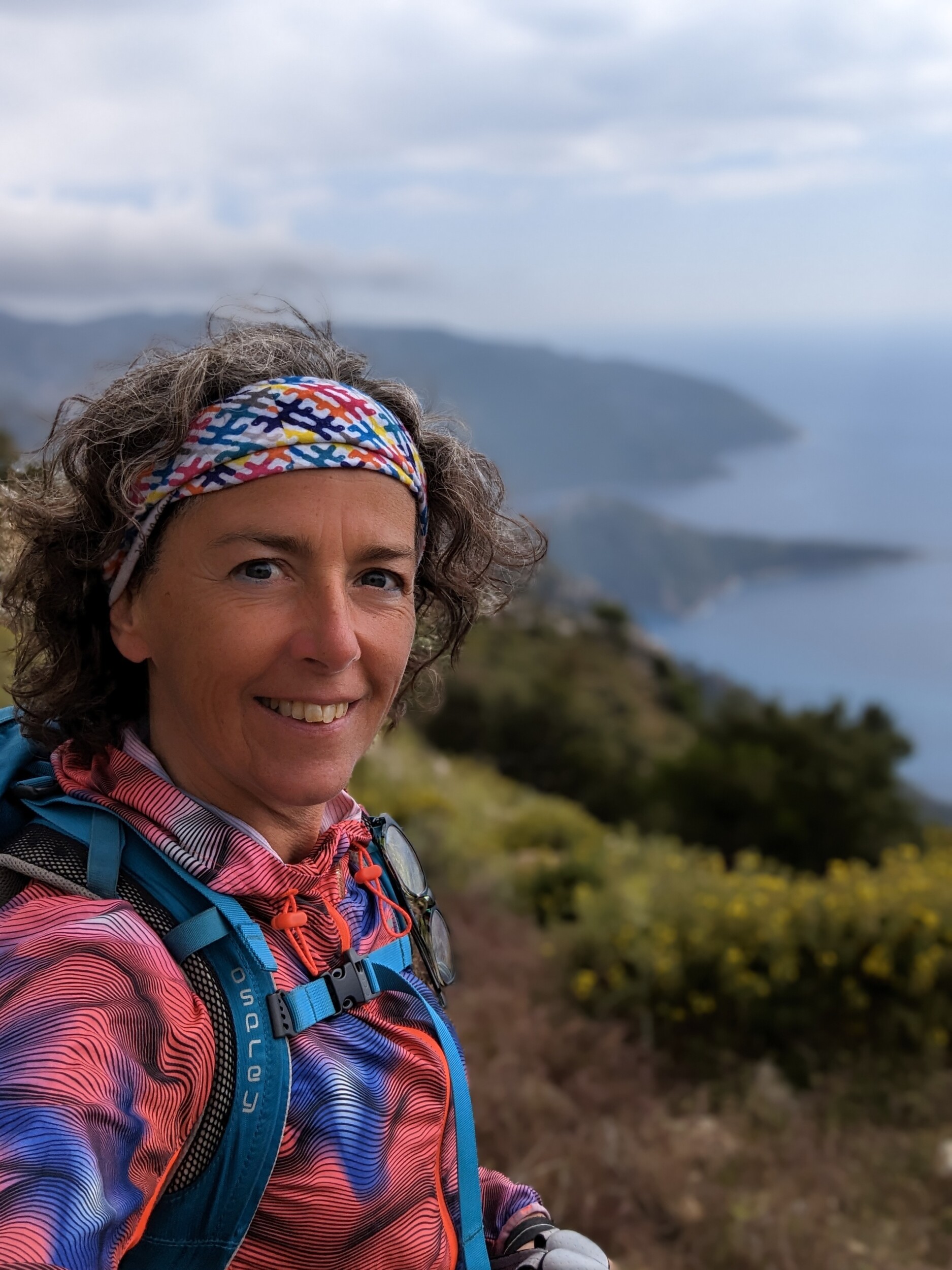
This is the tip I feel most strongly about, and it’s the one that draws most directly on my years as a police officer.
Your instinct is not irrational. When something feels off — a person, a situation, a street — your brain has already processed signals that your conscious mind hasn’t caught up with yet. Body language. Micro-expressions. Something in the atmosphere. That feeling exists for a reason.
Trust it. Act on it. Don’t wait.
You don’t owe anyone an explanation for walking away, saying no, or changing your plans. You might feel like you’re overreacting. You might miss an opportunity. So what. Your safety comes first, and in my experience, when you trust your gut and walk away, something better usually comes along anyway.
This also applies to people who seem overly helpful, overly friendly or oddly persistent. Genuine kindness exists — I’ve experienced it all over the world. But when something feels calculated, it usually is.
6. Travel smart with your passport and money
I always have my passport with me — in the bag I carry daily, in a zipped inner pocket. On travel days, it moves with me in my day bag. If I lose everything else, I can still get home. And if something happens to me, people can identify who I am.
I also keep a copy of my passport separately in my backpack.
For money:
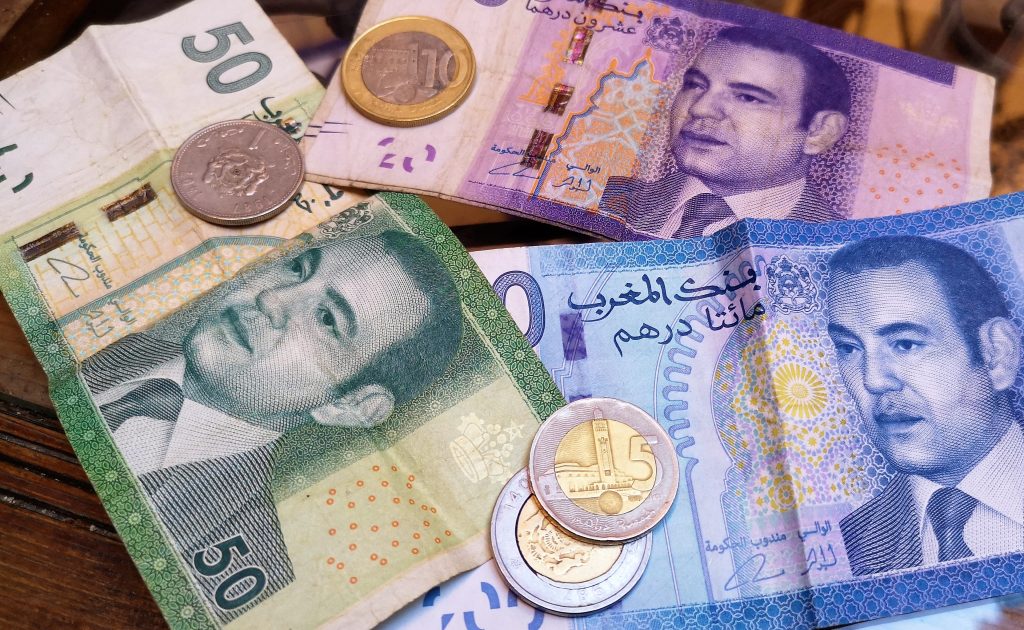
- I carry very little cash on the street — just what I need for the day
- I leave my euros at home; you can withdraw almost everywhere now, and ATMs are usually in safe, supervised locations
- Withdraw during the day, in busy areas, with people around
- Pay by card wherever possible — it reduces the need to carry cash and leaves a digital trail
- Be aware of card skimming: don’t use ATMs that look tampered with, cover the keypad when you enter your PIN, and consider a card holder that blocks RFID signals
For more information, read this blog: Safe on the Road with Your Shoulder Bag
7. Keep jewelry and valuables simple
I travel with one piece of jewelry: a small gold elephant necklace. In Asia, people often recognize it as Ganesha and say it protects me. In Europe, nobody notices. I’ve always liked that contrast.
Beyond that: leave the expensive jewelry at home. Not because you should hide who you are, but because visible wealth creates attention you don’t need. In some neighborhoods it makes you a target. In Manila, my hostel actually asked me to put my necklace away before going out — that’s how seriously they took it.
8. Choose your accommodation carefully
Where you sleep matters more than most packing lists will tell you. A few things I look for:
- Read reviews specifically written by solo female travelers — they notice things others don’t
- Choose accommodation in central, well-connected areas — not just for convenience, but because isolation creates vulnerability
- Check whether the room locks properly, whether there’s a safe, and who has access to the floor
- Ask at reception about the neighborhood and what to avoid after dark — most staff will tell you honestly
- Mixed dorms in hostels are generally safe, but a female-only dorm gives you more peace of mind if you’re unsure
9. Get around safely
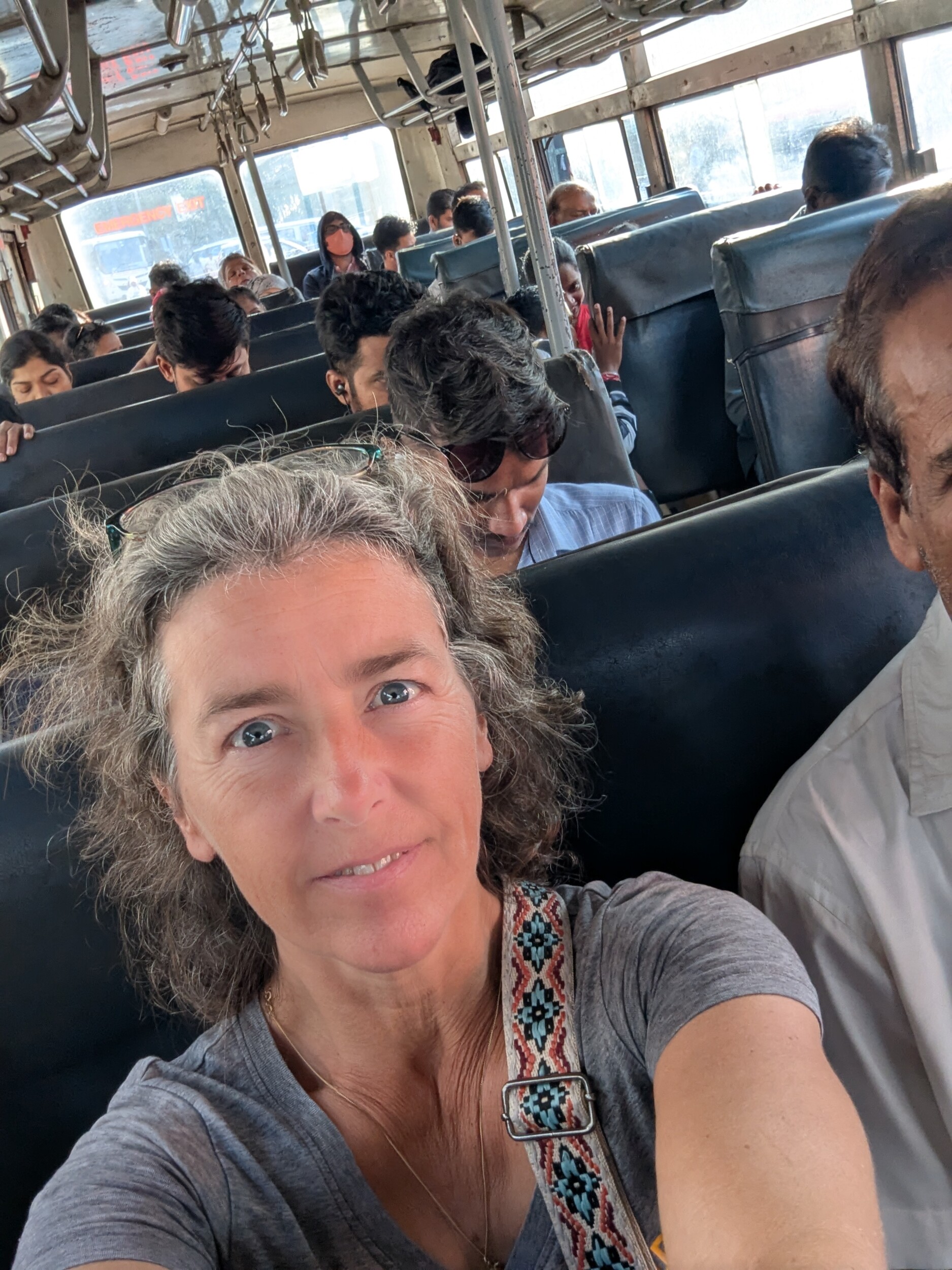
Transport is where a lot of solo female travelers encounter problems — not dramatic ones, usually, but uncomfortable ones. A few rules I follow:
- Use official taxis or ride-hailing apps (Uber, Bolt, Grab, depending on the country) where possible — they’re traceable and regulated
- Before getting in, share the driver’s details and your route with someone
- Sit in the back seat, not the front
- If something feels wrong during a ride, trust that feeling — ask to be dropped somewhere public and get out
- Avoid arriving in a new city late at night when you don’t know your surroundings yet
- On night trains or long-distance buses, keep your bag close and your valuables on your body, not in the overhead rack
10. Digital safety matters too
This is something that barely appeared in travel safety advice a decade ago, but it’s now just as important as physical safety.
- Avoid using public wifi for banking or anything sensitive — use your mobile data or a VPN
- Don’t leave your phone visibly on the table in busy public spaces
- Be careful what you post in real time on social media — announcing your exact location and that you’re alone narrows the gap between you and someone with bad intentions
- Download offline maps before you arrive so you can navigate without looking lost or staring at your phone
- Keep a power bank charged — a dead phone is a safety risk
Solo female travel safety tips by destination – some honest notes
Safety looks different depending on where you go. Here are a few destinations I know from personal experience:
- India — often warned about, and the warnings aren’t entirely wrong. Staring, persistent attention and occasional harassment are real, especially in the north. But I’ve also had deeply moving, generous experiences there. The key: dress conservatively, be firm and direct when you need to be, avoid isolated situations, and trust your read of each situation as it comes.
- Oman — one of the most pleasant solo travel experiences I’ve had as a woman. People are genuinely respectful, crime is very low, and you rarely feel threatened. Dress modestly out of respect.
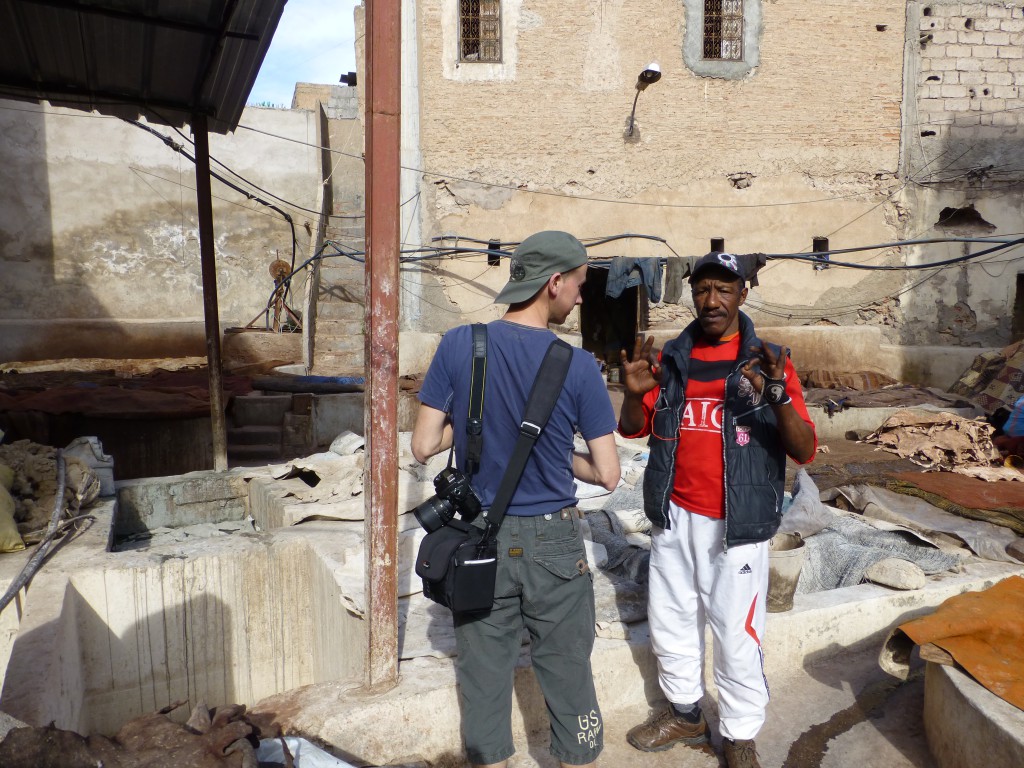
- Morocco — the medinas can be overwhelming and the attention persistent. But most of it is commercial, not threatening. Stay confident, don’t engage with every approach, and know that the vast majority of people you meet are just trying to sell you something, not harm you.
- Kenya — varies enormously by region. Nairobi requires more awareness than the safari areas. Don’t walk alone at night in the city, use trusted transport, and you’ll be fine.
- The Philippines / Manila — the city where I was most alert. Take the advice of your accommodation seriously. Use registered taxis or Grab. Stay in well-lit and/or busy areas.
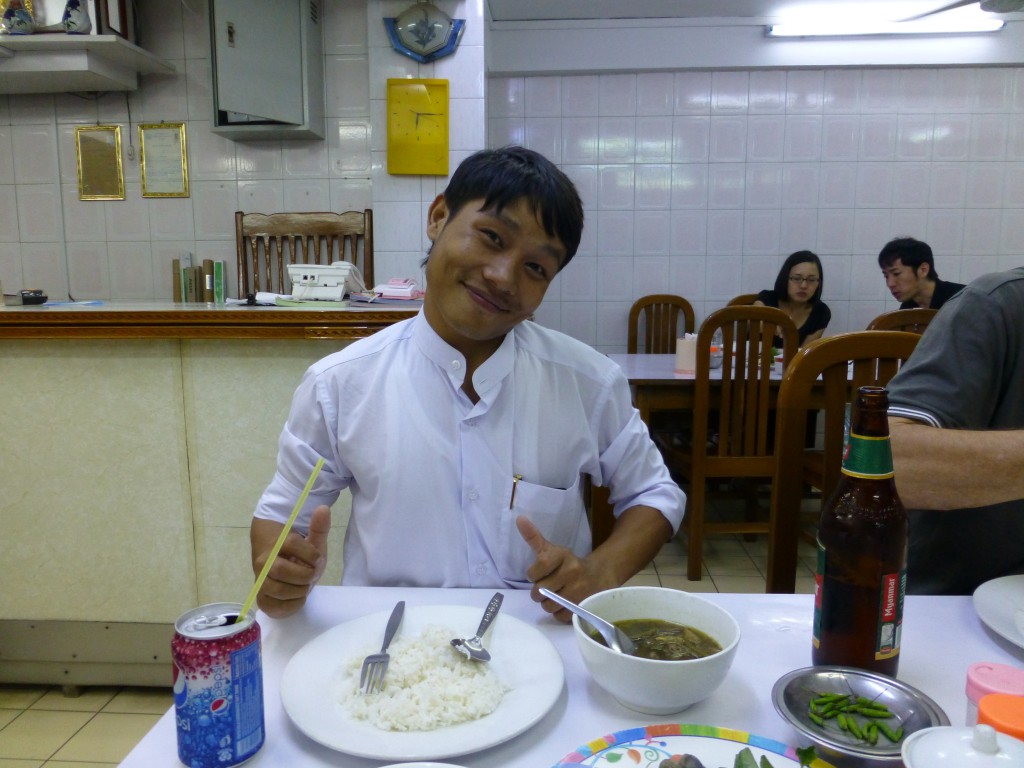
- Vietnam, Nepal, Jordan, Southeast Asia generally — I’ve felt safe and welcomed in all of these. Common sense applies, but the baseline threat level is low.
The mindset that makes the difference
After 20 years as a police officer and more than a decade of solo travel, here’s what I know: the biggest safety tool you have is your own awareness.
Not paranoia. Not fear. Awareness.
And then — enjoy yourself. Because 99.9% of the time, that’s exactly what solo female travel is: one of the best things you can do for yourself. These solo female travel safety tips are meant to give you confidence, not caution. Go.
Looking for More Tips or Stories?
- 5 Tips to Increase Your Safety
- What to Do if You’re Mugged? #Tips
- Tips for a safe bus/train trip when travelling alone
- 5 Tips to Protect yourself from Pickpockets
- First Time India – Everything you need to know
Want to travel to places like Oman, Kenya or Northeast India, but not quite ready to go solo? I organise small-group trips to destinations that are worth the journey. See the upcoming trips here.