
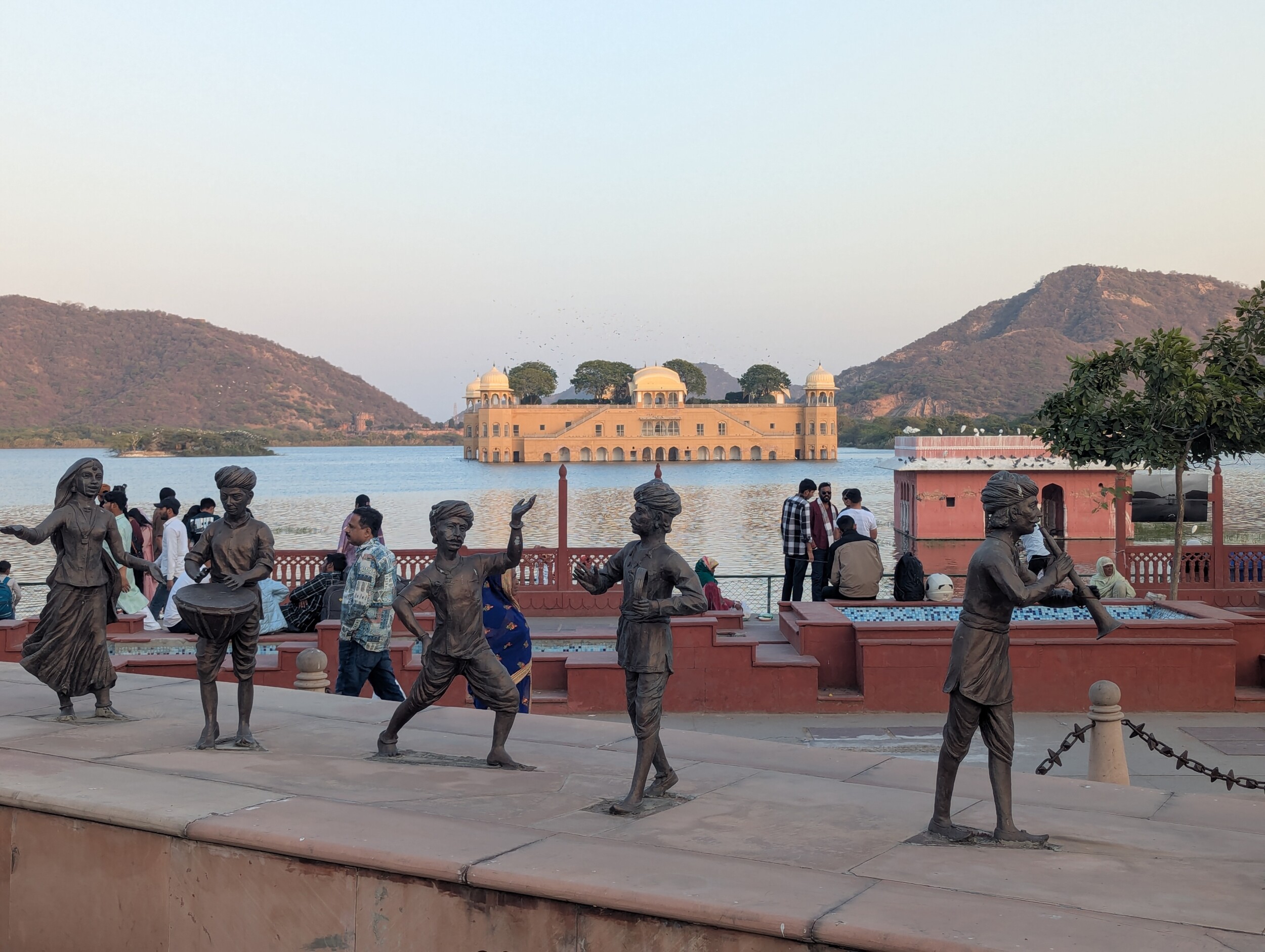
India, a country renowned for its rich history, colorful traditions, and heartwarming hospitality, attracts millions of travelers from around the world every year. For those traveling to this fascinating country for the first time, the experience can be both enchanting and overwhelming.
Why India is Perfect for First-Time Visitors
My experience: When I first went to India, I was mainly nervous. Would I be able to adapt to the chaos? Would it be safe? After several trips, I can assure you: India is a perfect first destination in Asia, provided you’re well prepared.
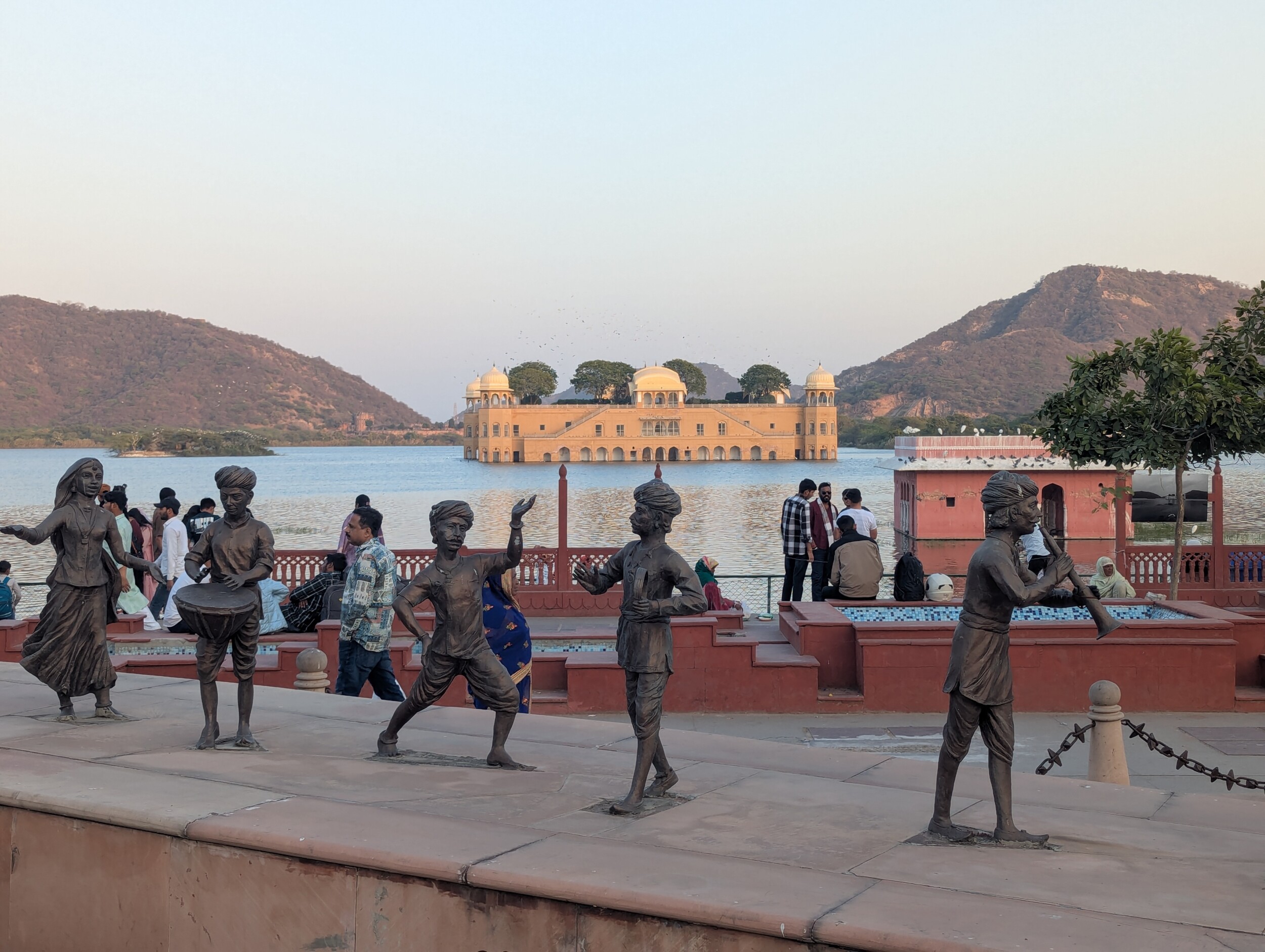
This first time India travel guide takes you through everything you need to know. From practical preparation to cultural customs, after reading this guide, you’ll be ready for your first India adventure.
Preparation: How to Start?
Start Slowly
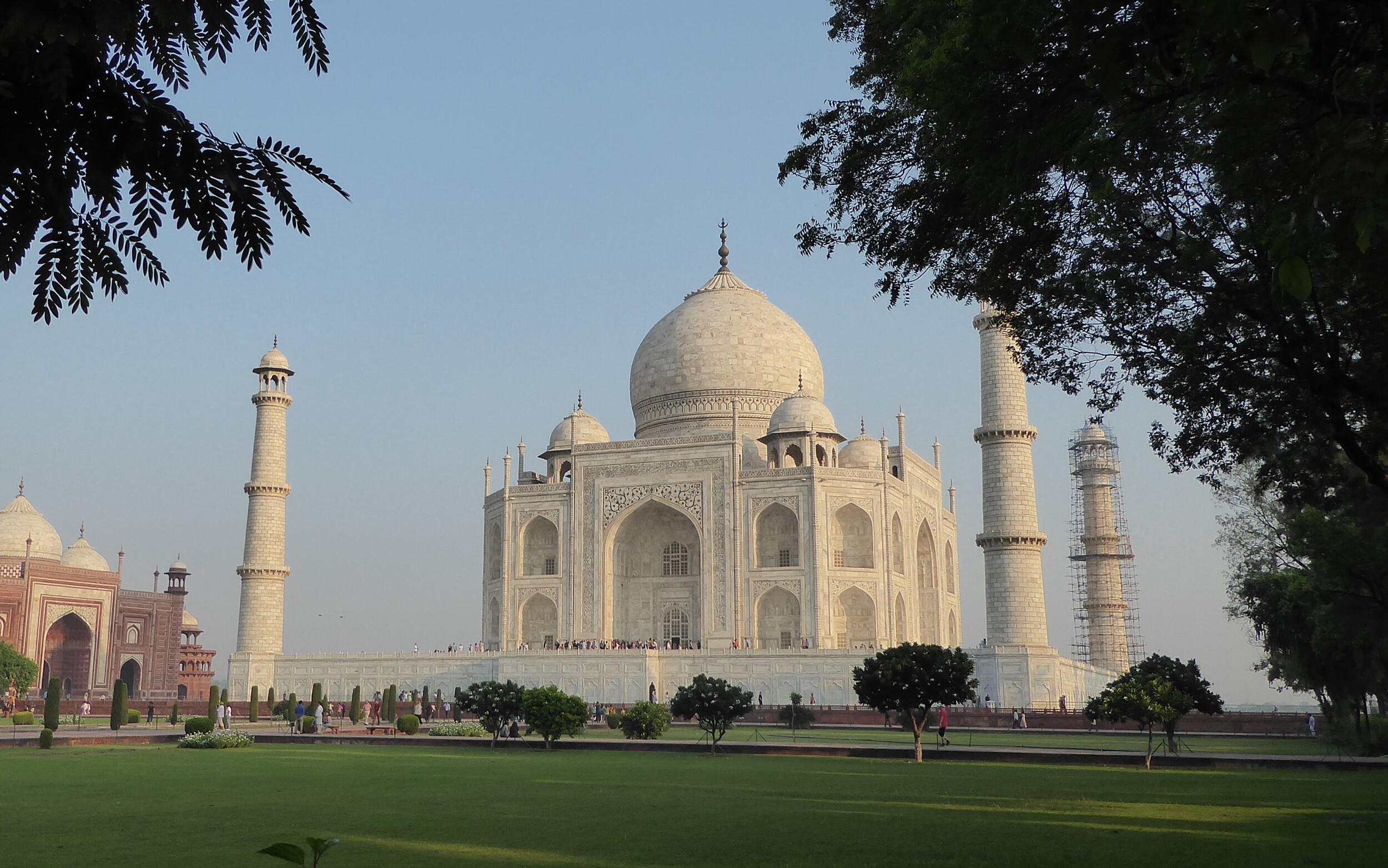
One of the most important India travel tips for first-timers: don’t start immediately in Delhi. This city can be overwhelming with its 30 million inhabitants and intense atmosphere. It’s a great city, but it’s better to save this experience for the end of your trip.
My tip: Fly to Delhi but travel immediately to a smaller city like Jaipur or Agra. This gives you a softer landing and you can gradually get used to the Indian atmosphere.
What Should You Pack?
Clothing:
- Loose, covered clothing that’s breathable (cotton works well)
- Long pants and shirts for temples
- Sturdy sandals / comfortable sneakers (you’ll walk a lot and streets aren’t always clean)
- Scarf or sarong – essential for temperature and respectful clothing
Practical items:
- Sun protection: hat, sunglasses and SPF 50+ sunscreen
- Small travel pharmacy: anti-diarrheal medication, painkillers, band-aids
- Hand sanitizing gel
From experience: Don’t pack too much luggage. You can buy everything in India and often cheaper than at home. Plus: you’ll have room for souvenirs!

Visa and Important Documents
e-Visa: The Easiest Option
Check the best option for you nationality, for Dutch travelers, an e-Visa is the best choice:
- Apply online via the official government website
- Valid for 30 days (tourist visa)
- Costs approximately €25-40
- Apply at least 4 days before departure
Warning: Make sure you use the official website, there are many fake websites that charge extra fees.
Which documents do you need?
- Passport (valid 6 months after your planned return)
- Return ticket or proof of exit
- Address of your first accommodation
- Passport photo in digital format
Best Time to Visit India
October to March: Ideal for First-Time Visitors
This is the dry, cooler period with temperatures between 20-30°C. Perfect for exploring North India like Delhi, Rajasthan and Agra.
My experience: I’ve been several times in December/January. The days are beautifully warm, the evenings crisp. Ideal for city walks and temple visits.
April to June: Too Hot for Beginners
Temperatures can rise to 45°C. I only recommend experienced travelers to go during this period.
July to September: Monsoon Season
Intense rainfall, especially in the north. Beautiful green landscapes, but can be challenging for first-time India travelers.
By region:
- North India (Delhi, Rajasthan, Agra): October-March
- South India (Kerala, Tamil Nadu): November-February
- Goa: November-March
- Ladakh: May-September (if you love mountains)
Culture and Customs in India
Culture Shock is Normal
Let me be honest: India will take you out of your comfort zone. And that’s exactly what makes it so special.
Personal Questions Are the Norm In India, people literally ask you everything. Within five minutes they know your age, whether you’re married, how many children you have, and what you earn. This isn’t rude – it’s genuine interest.
My tip: You don’t have to answer everything, but don’t take it personally. A friendly smile and “Maybe later” works fine.

Respectful Clothing
- Temples: Always cover shoulders, arms and legs
- Daily: Shorts and tank tops can attract unwanted attention
- Beach: Bikinis are okay on the beach, but not in surrounding villages
From experience: A light scarf was my best friend. Sun protection, respectful clothing, and AC protection all in one.
Basic Etiquette
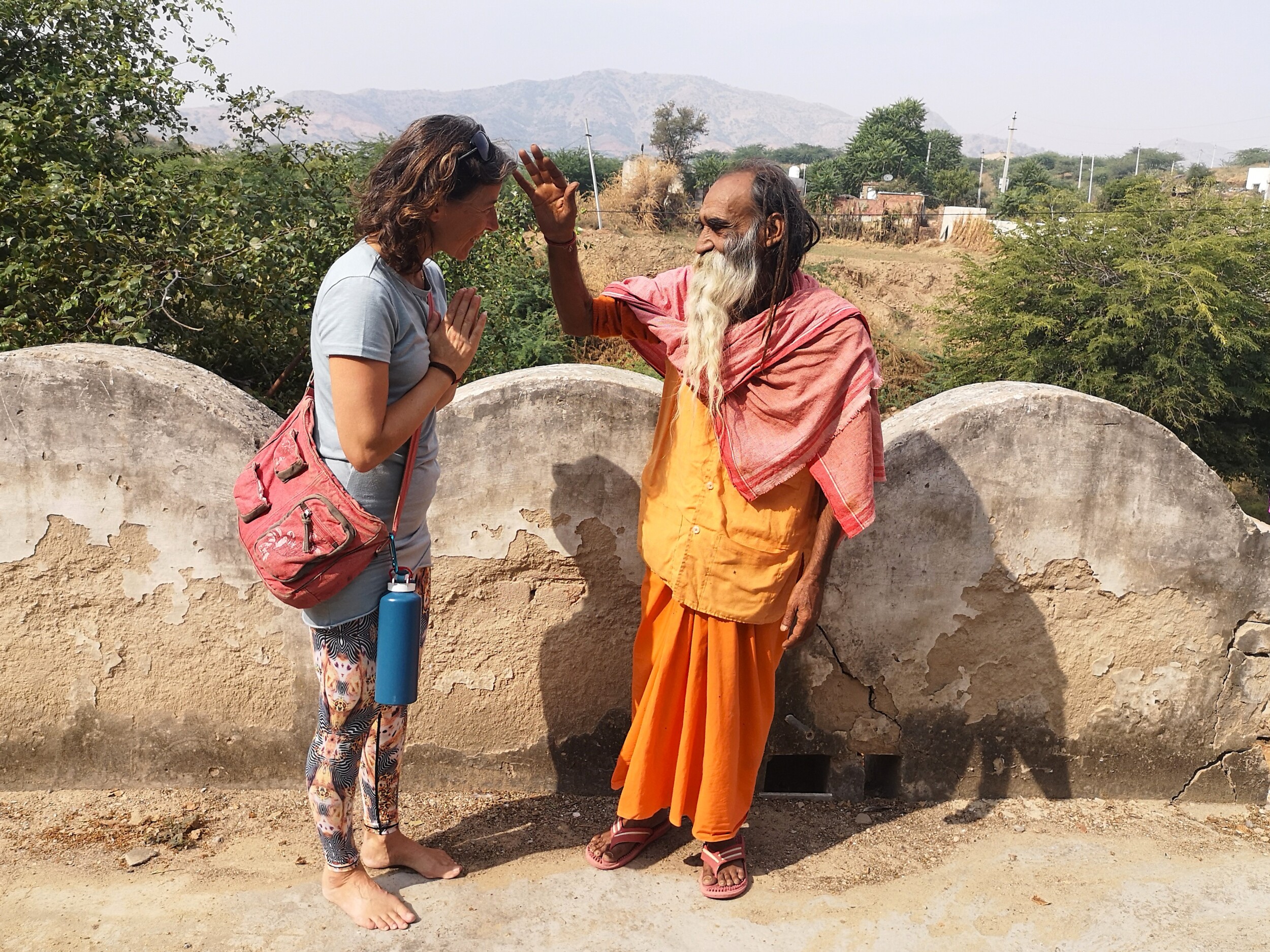
- Namaste: Palms together, slight head nod
- Shoes off: At temples and often at restaurants
- Right hand: Use for eating and greetings
- Head shake: Can mean both ‘yes’ and ‘no’ (pay attention to context!)
Safety in India
The Reality: India is Safer Than You Think
India is fundamentally a safe country to travel in. Violent crime against tourists is rare. As everywhere in the world: use your common sense.
My experience as a woman: I’ve never really felt unsafe in India. However, I’ve always taken certain precautions that I share below.
Also read my article about Safe Travel in India as a Solo Woman
General Safety Tips
- Trust your intuition – if it doesn’t feel right, leave
- Travel during the day between cities
- Use registered taxis (Uber and Ola work well)
- Always let someone know where you are
- Don’t drink alcohol or in moderation
Specifically for Women
Set boundaries clearly We, women, are raised to be polite. In India, it’s important to be direct and clear when you don’t feel comfortable.
My practical tips:
- Book accommodation in safe neighborhoods (check reviews)
- Get a local E-SIM so you are online
- Avoid being alone on the street at night
- Always have emergency money separately
- Take photos of important documents
About the stories you hear: Yes, unpleasant things happen, as everywhere in the world. But don’t let fear hold you back. With common sense and the right precautions, you can safely explore India.

About safety and the dark hours in India
Food and Drink in India
The Golden Rule: Eat Where It’s Busy
Local people know where it’s delicious AND safe. Busy restaurants have fast turnover, so fresh food.
My experience: I’ve had Delhi Belly (traveler’s diarrhea) a few times, but usually because I ignored this rule. Learn from my mistakes!
Preventing Delhi Belly
- Drink only bottled or boiled water
- No ice in drinks (unless you’re sure it’s from clean water)
- Avoid raw vegetables and fruit you can’t peel yourself
- Vegetarian is safer – meat spoils faster
- Eat well-cooked food
- Wash your hands regularly
Chai – More Than Just Tea
Chai (spiced tea) is part of the Indian soul. It’s offered everywhere and is usually safe because it’s boiled.
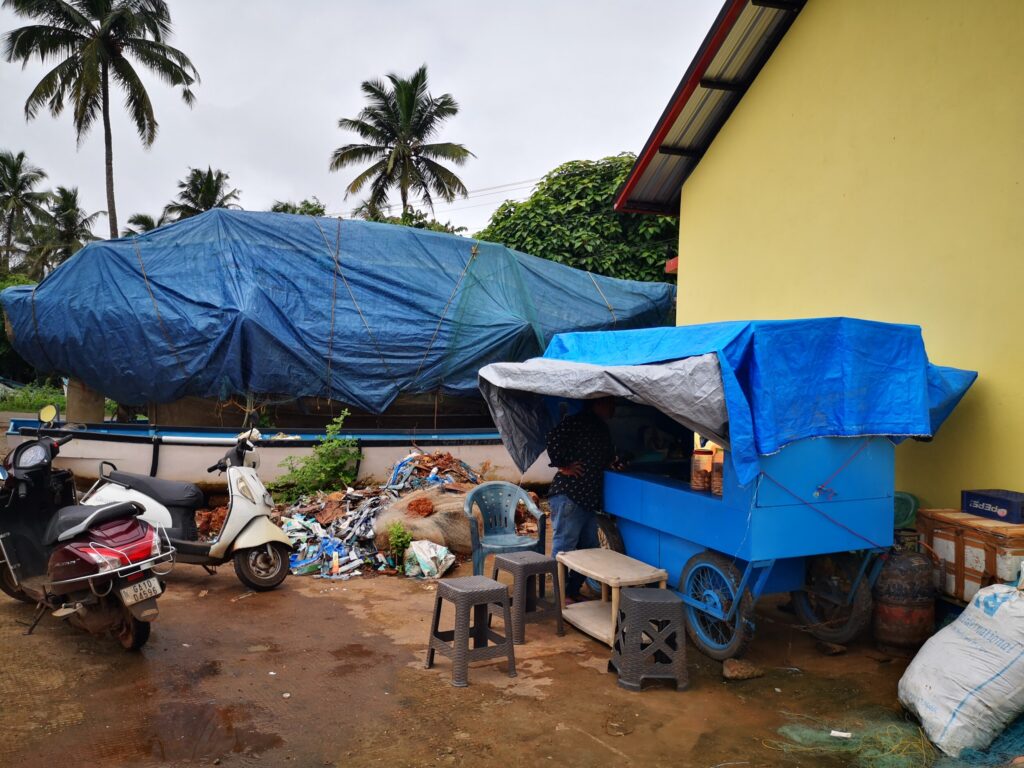
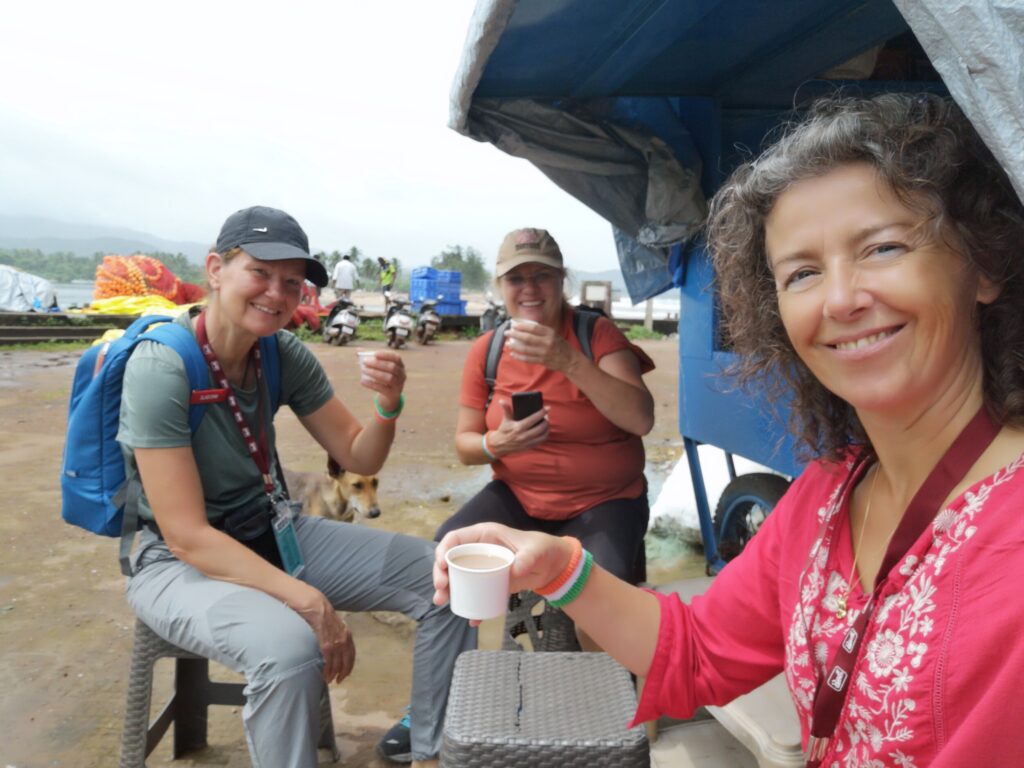
My tip: Never say no to chai. It’s the easiest way to connect with locals and become part of daily life.
Vegetarian Paradise
India is fantastic for vegetarians. Many restaurants are completely vegetarian, and “Veg” is clearly indicated. When you open a menu in an Indian restaurant, the main section is veg and the smaller part of the menu is Non-Veg. So that’s the opposite of what we’re used to here, which I really love!
What you must try:
- Dal (lentil soup) – comfort food at its best
- Masala dosa (South Indian pancake)
- Thali lunch (various dishes on one plate)
- Of course, the local specialties of the region

Practical Travel Tips for Your India Trip
Transportation
Trains – An Experience in Itself
- Book online via IRCTC (difficult) or have your hotel/local travel agency help
- Choose 2AC or 3AC for comfort
- Bring your own water and snacks
Taxis and Rickshaws
- Uber and Ola work well in big cities
- Negotiate prices upfront with regular taxis
- Auto-rickshaws are fun but always agree on prices
My tip: Download the app for your destination. Often cities have local taxi apps that are cheaper than Uber.
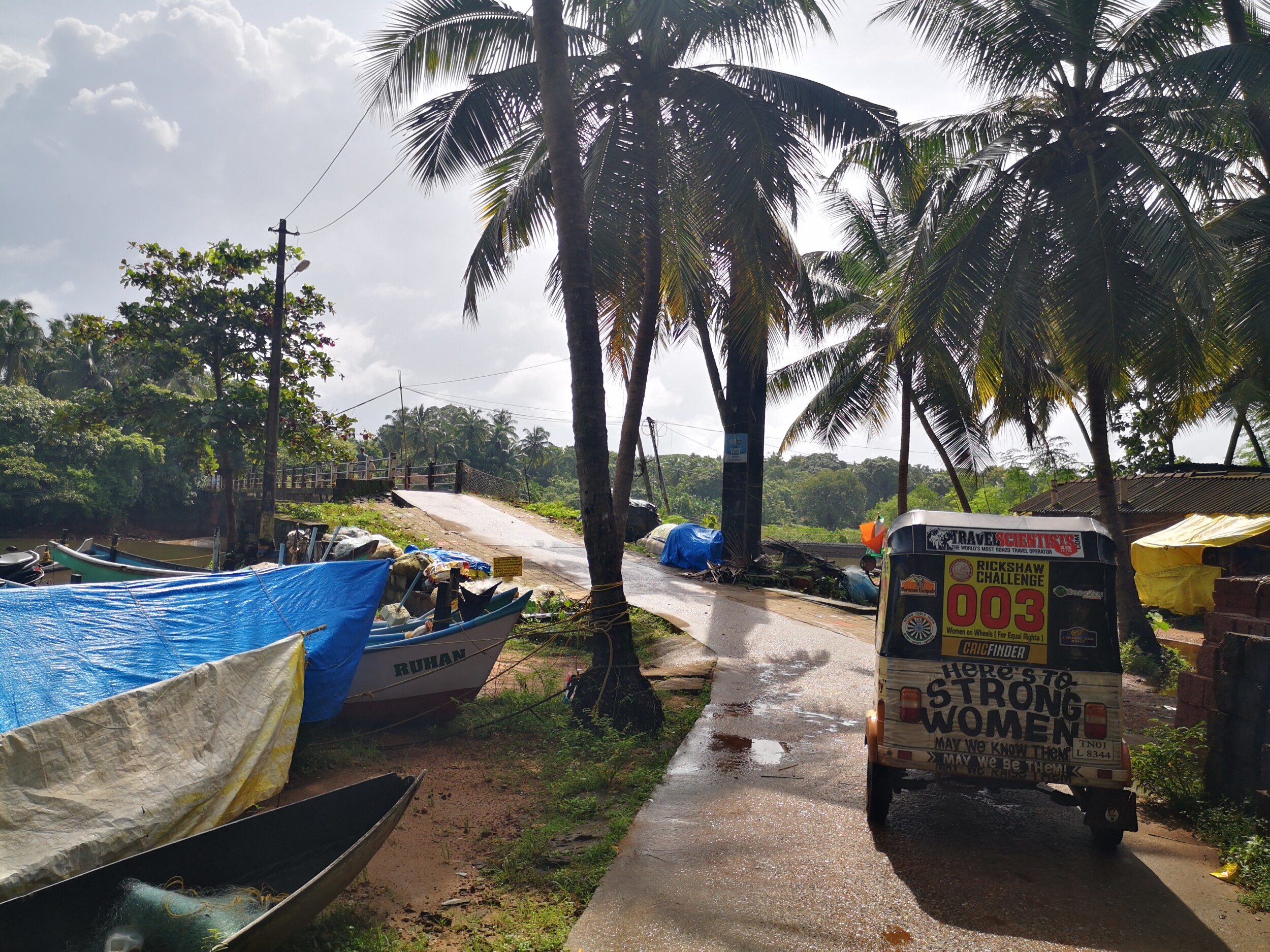
Read all about the times I did the Rickshaw Challenge and drove the Tamil Nadu Run and did the Mumbai Express
Money
- Exchange at official exchange offices
- Credit cards are increasingly accepted
- Always keep small bills handy
- ATMs are available everywhere
From experience: Hide your money in different places, not everything in one bag.
Communication
- Buy a local SIM card before arrival (cheap and easy)
- Download offline maps (Maps.me always works well for me)
- WiFi is available in most hotels and restaurants
- Learn a few Hindi words – it’s greatly appreciated
Handy Hindi words:
- Namaste = Hello/Goodbye
- Dhanyawad = Thank you
- Kitna = How much
- Paani = Water
Accommodation
My approach:
- Book the first 3-4 nights in advance
- After that, you can look on the spot (often cheaper)
- Read reviews carefully
- Always ask to see the room before booking

Frequently Asked Questions {#faq}
Can I drink tap water? No, drink only bottled or boiled water. Use bottled water for brushing teeth too.
How much money do I need per day?
- Budget: €15-25 per day
- Mid-range: €25-50 per day
- Luxury: €50+ per day
Is India safe for solo female travelers? Yes, with the right precautions. Trust your feelings and take the safety tips in this guide to heart.
What vaccinations do I need? Consult your doctor or GGD. Hepatitis A and B are often recommended.
Where should I start in India? Rajasthan is perfect for beginners. Jaipur, Udaipur and Jodhpur have good tourist infrastructure.
How long should my trip be? Minimum 2 weeks for a good impression, 3-4 weeks for a relaxed pace.
Can I eat well as a vegetarian? Absolutely! India is a vegetarian paradise with countless options.

Are You Ready for Your India Adventure?
India is a country that will change you. With these first time India travel tips, you’re well prepared for your first trip. The most important advice? Stay open, flexible and curious.
My final tip: Don’t make your planning too full. India asks for time and space to let things happen. Sometimes the most beautiful moments are the ones you didn’t plan.
Do you dare to take the step? India is waiting for you!
Do you have more questions about traveling to India? Share them in the comments and help other first-time India travelers!
Also read:
- Why you too want to visit Arunachal Pradesh
- Read how to prevent culture shock in India
- Tips to assemble your Travel Pharmacy
- Complete Guide to Visiting Goa’s Spectacular Waterfall
- Complete Guide to Rajasthan’s Painted Havelis – Shekhawati
This article contains affiliate links. If you book or purchase something through one of these links, we may receive a small commission at no extra cost to you.