
We started driving towards the tea plantations of Munnar and the driver told me to sit up straight because there were quite a few deep potholes in the road ahead. The jeep I was in was certainly not the newest. I sat on a seat where I could already see the cracks in the upholstery and felt the iron of the seat frame poking through.
That’s how my ride to Kolukkumalai Tea Estate began, the highest tea plantation in the world. I didn’t know that yet at the time. All I knew was that the road was bad, the jeep was old, and that the views along the way would be worth every bump. They were.
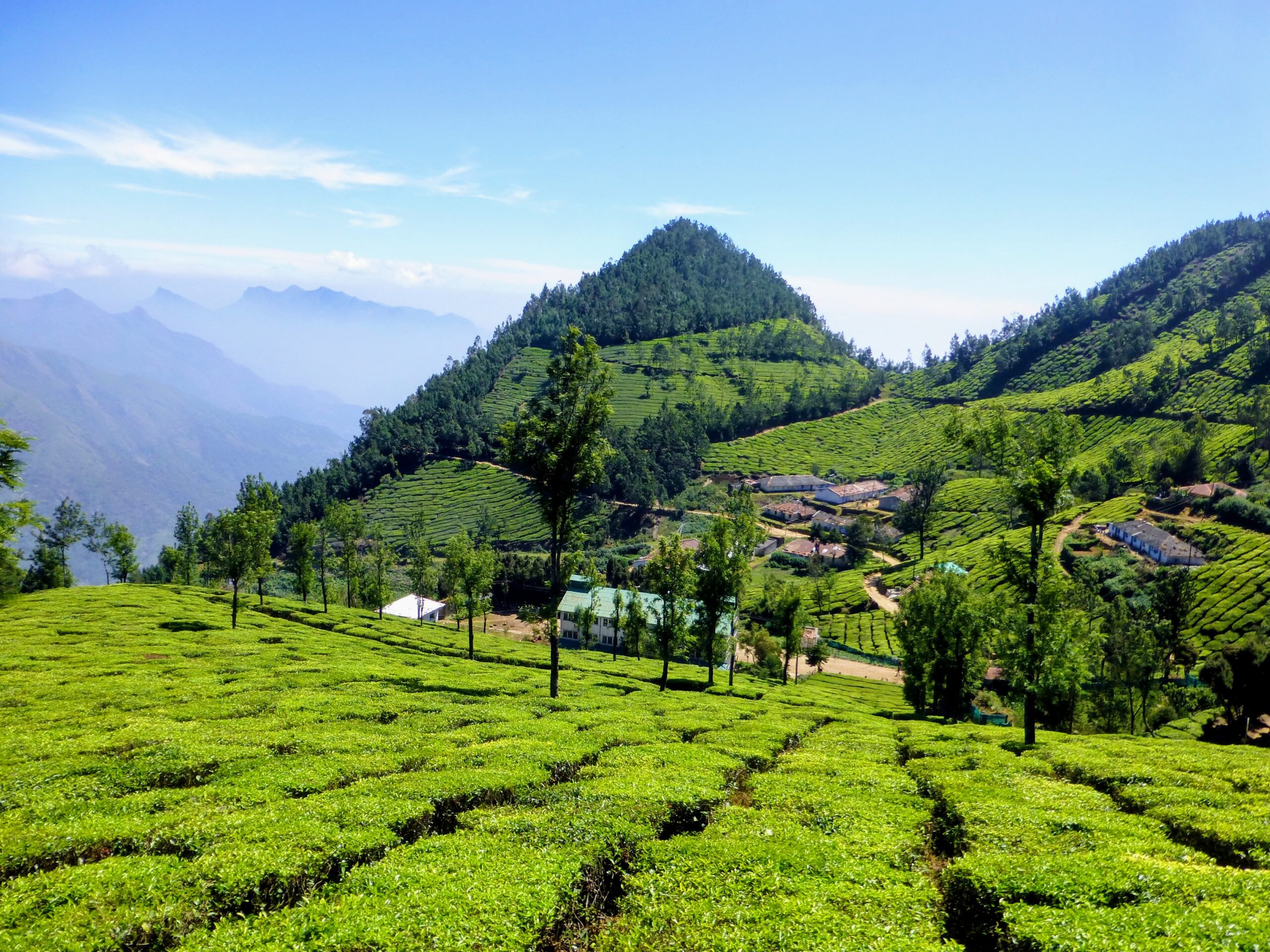
The tea plantations of Munnar are the most beautiful I have ever seen. They were also the first. Maybe that plays a role. But I don’t think so. Years later I walked through the Cameron Highlands in Malaysia. Stunning, yes. But it doesn’t come close to Munnar.
Where is Munnar?
Munnar lies in the hills of the Western Ghats, at the southern tip of India. That tip is made up of the states of Tamil Nadu and Kerala, and it is Kerala where you find the tea plantations. Kerala is the narrow, green strip along the west coast of the peninsula: fertile, prosperous, and completely different from the dry north of India.
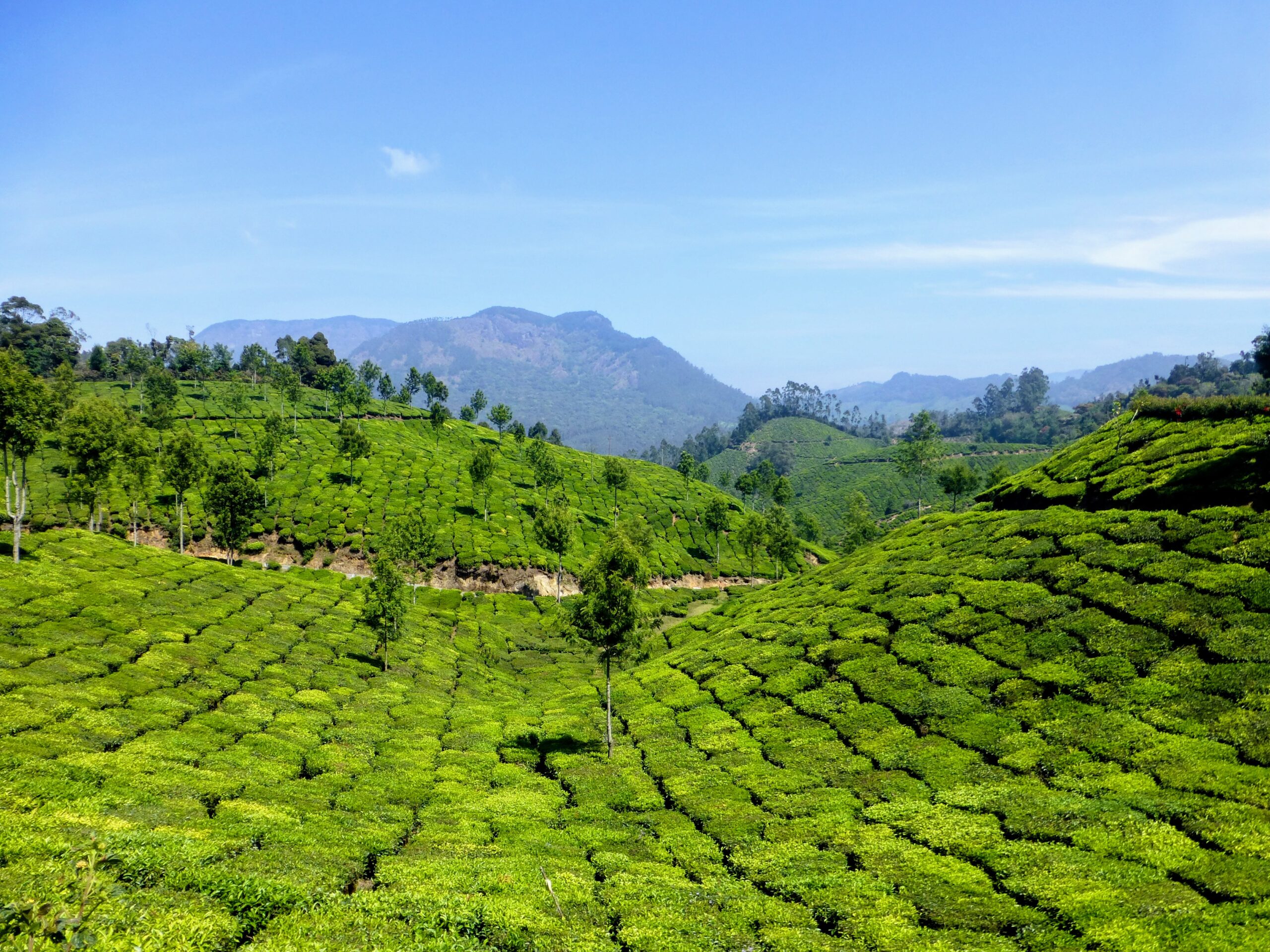
Munnar itself sits at around 1,600 metres above sea level, at the confluence of three mountain rivers. The name literally means “three rivers.” It was once a popular summer retreat for British colonists escaping the heat of the lower-lying regions. That colonial history is still very much present: in the architecture, in the tea factories, and in the plantations themselves.
From Kochi, the drive takes around four to five hours on a road that gets steadily narrower and more winding the higher you climb. If you’re prone to motion sickness, take something for it. It’s worth the journey.

Why are the tea plantations of Munnar so special?
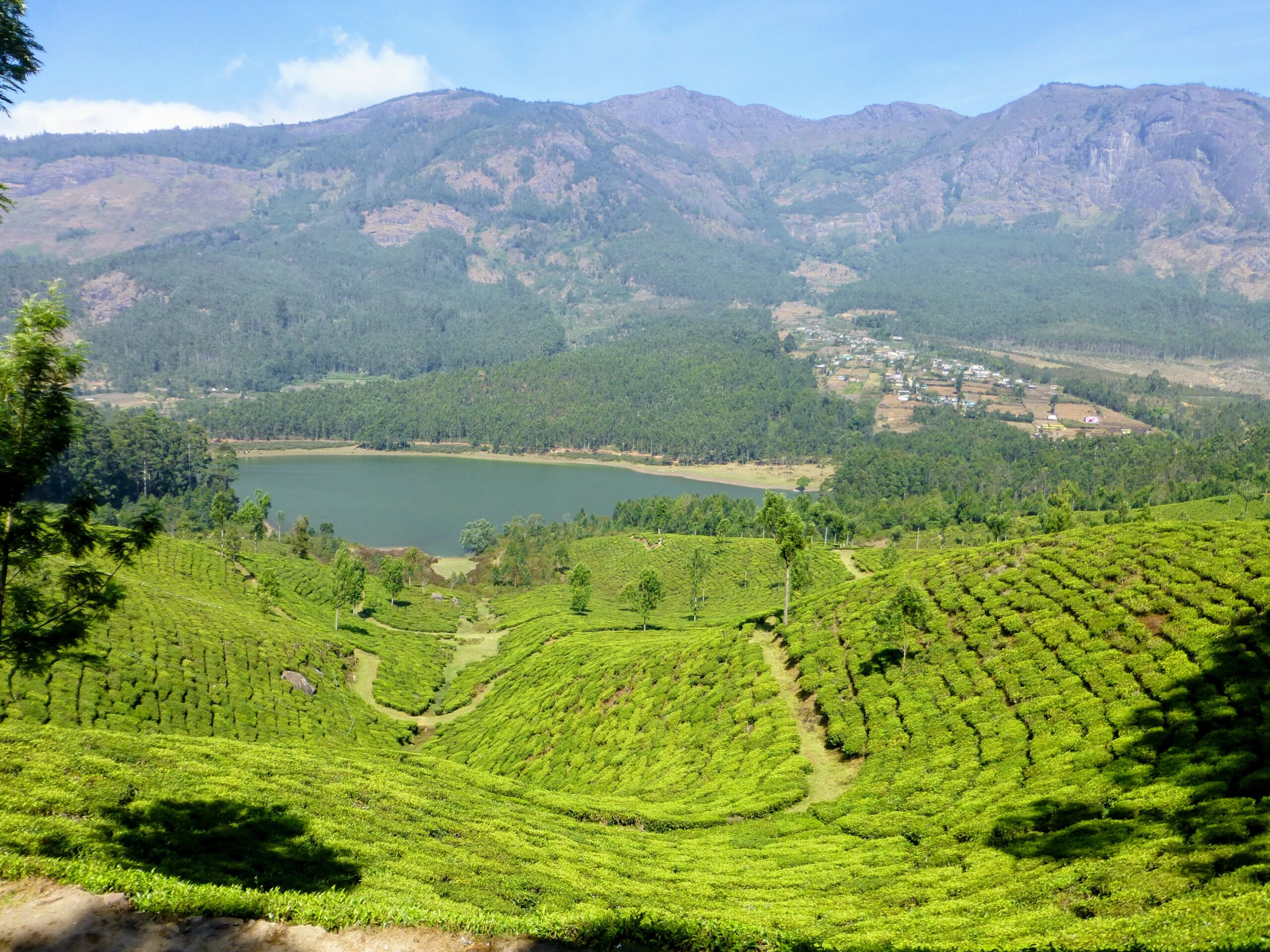
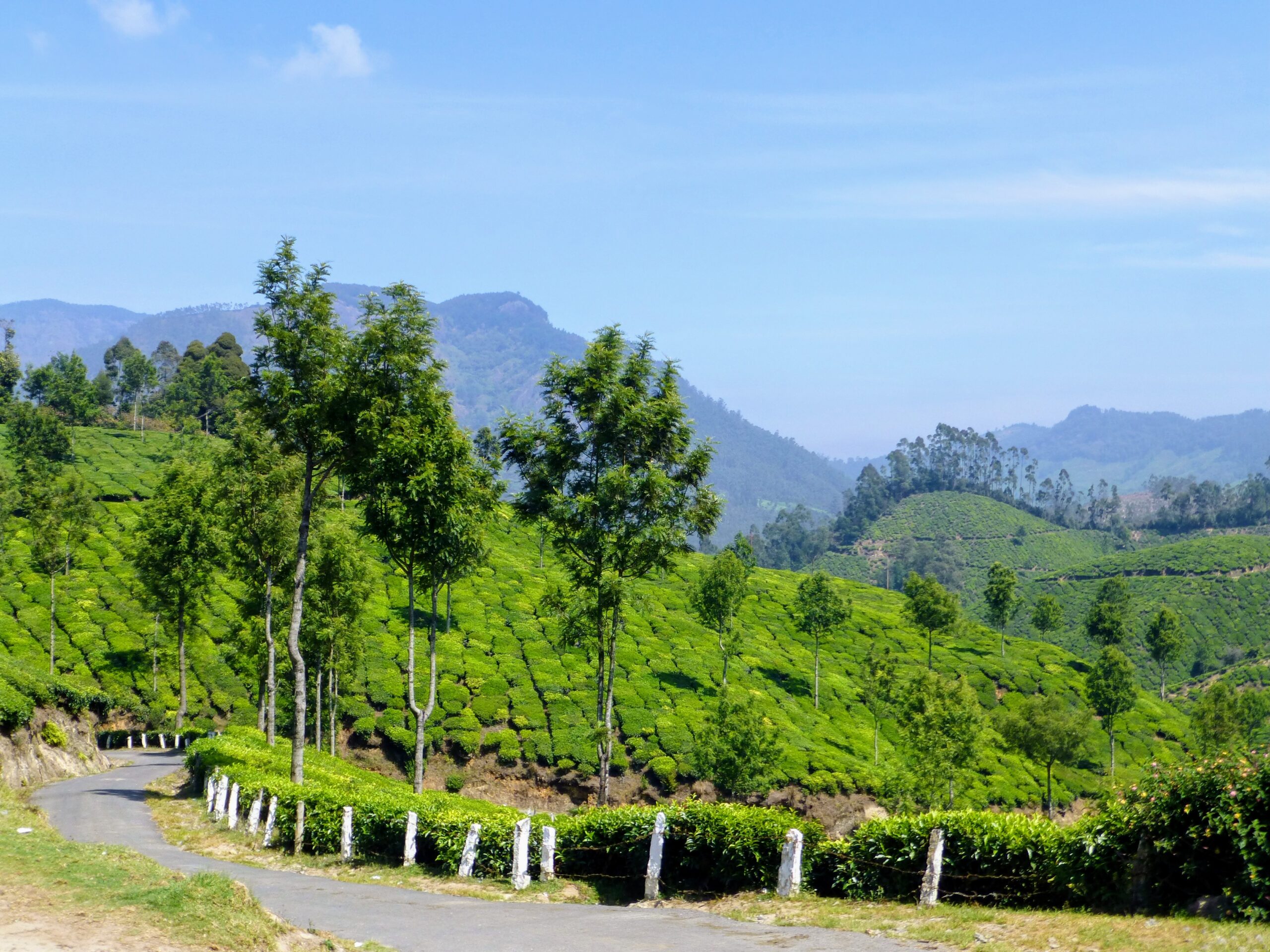
As you drive into the Munnar area from the plains, the landscape gradually changes. The heat fades. The air cools. And then suddenly: green. As far as the eye can see. Rolling hills covered in rounded tea bushes, neatly planted in rows along the mountain slopes. It looks like a green carpet someone has carefully draped over the mountains.
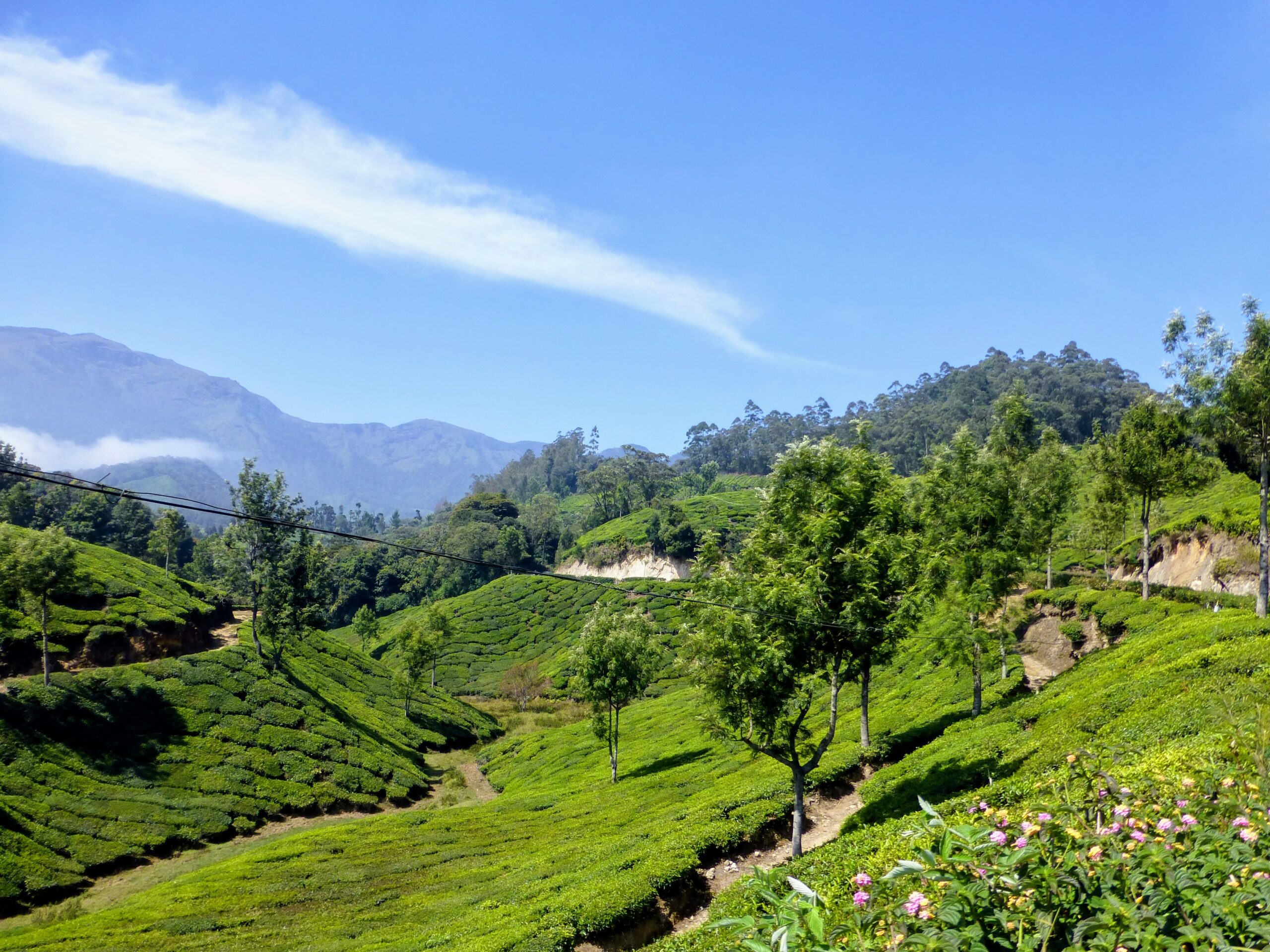
Here and there, tall trees stand between the bushes. I initially thought they were there for shade. Later I learned they are Silver Oak trees: they protect the tea plants from too much direct sunlight and help hold the soil in place on the steep hillsides.
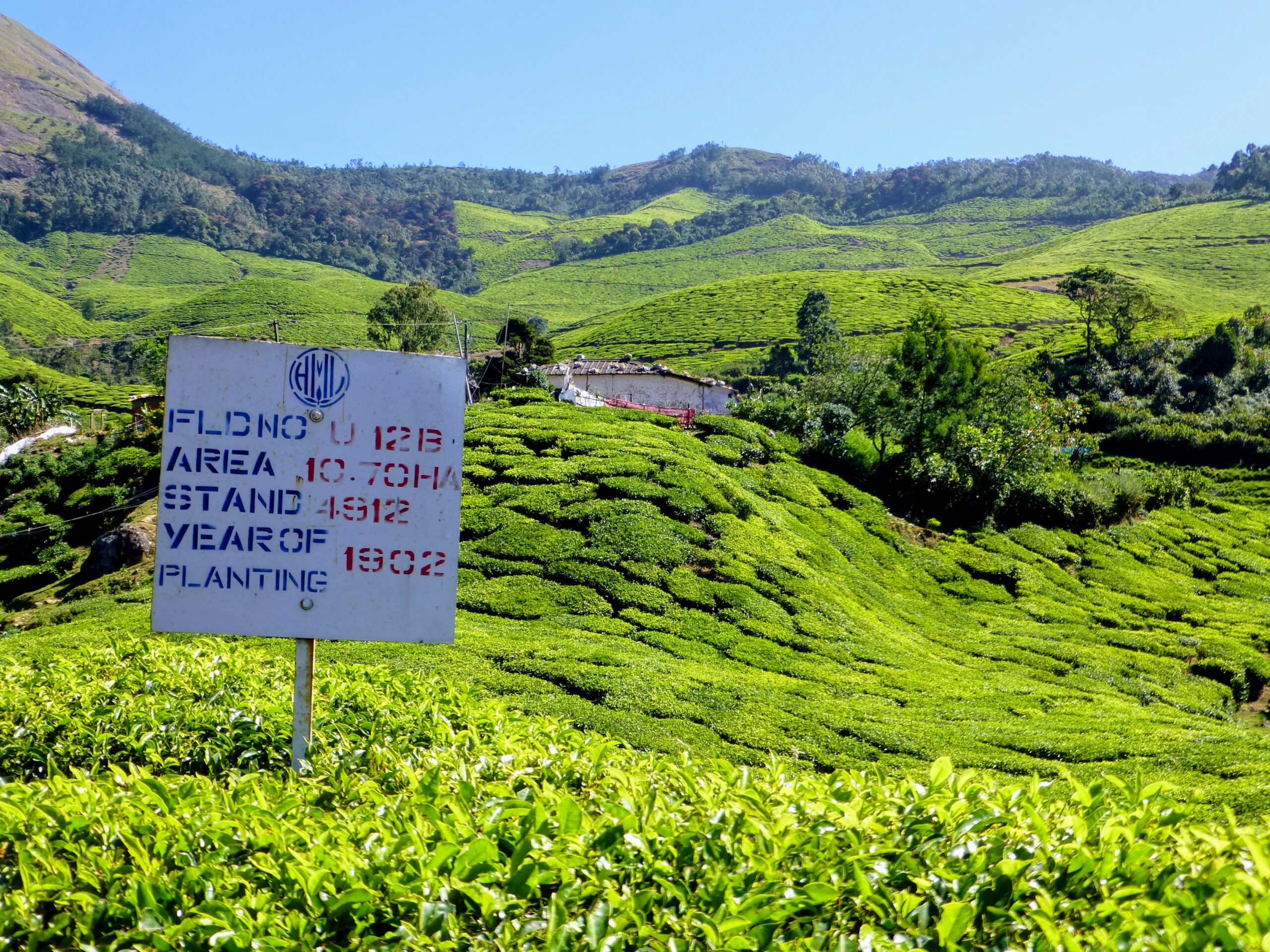
Some of these plantations date back to the early twentieth century. When the British arrived in India, they planted the first tea bushes, intended to supply the British Royal Household with tea. The oldest plantation I visited had a sign marking the year 1902. And as they say: the older the bush, the better the tea it produces.
On the way to Kolukkumalai Tea Estate
My regular driver Jankar had arranged a 4WD. He wouldn’t be driving this time himself. There was a reason for that, he explained: the road was really bad. So, an old jeep, with a new driver behind the wheel. That driver was grinning when I climbed in. I didn’t immediately understand why.
Twenty minutes later, I did.
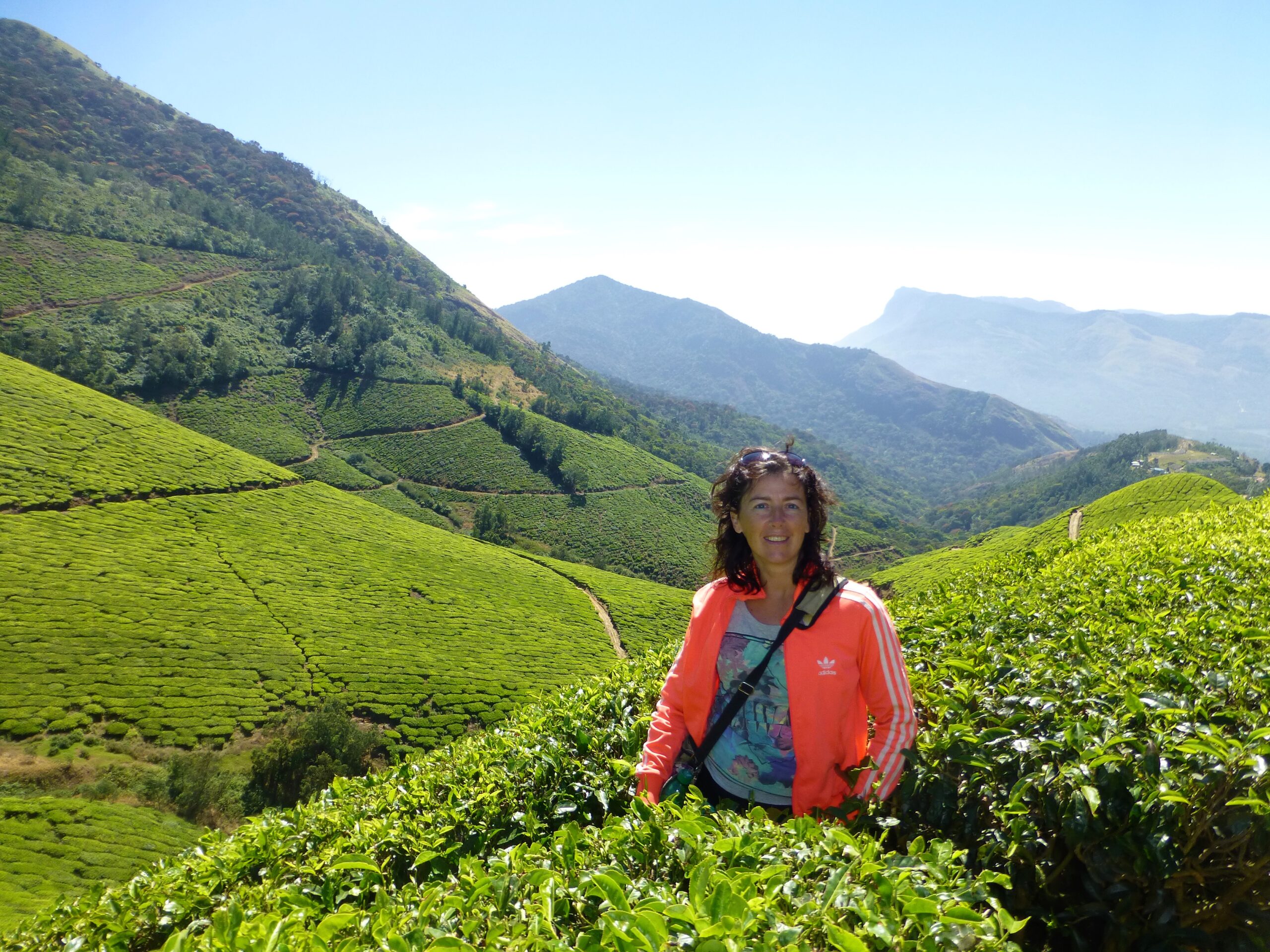
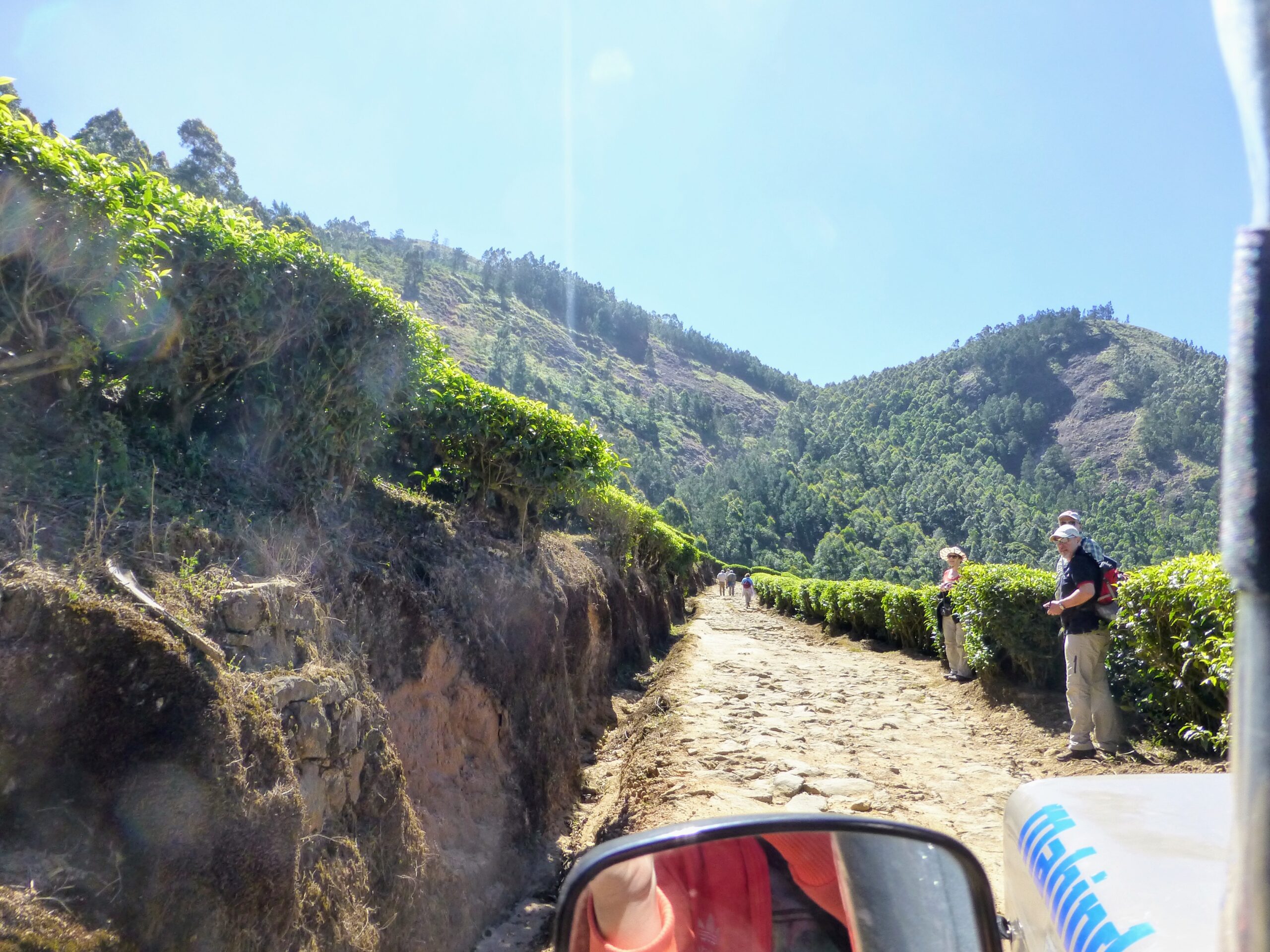
The road wound upward along the tea plantations and was one long stretch of potholes, cracks and sections where the road had simply given up existing. Some holes were so deep I actually lifted off my seat. Now I understood the grin. I looked sideways and saw him steering with the calm of someone who had done this a hundred times before and enjoyed it every single time.
What you get in return on the way up: views that make you forget you nearly flew off your seat. The tea plantations stretch out below you. The occasional other jeep, tourists on foot, a motorbike. It is a touristy spot, and understandably so.
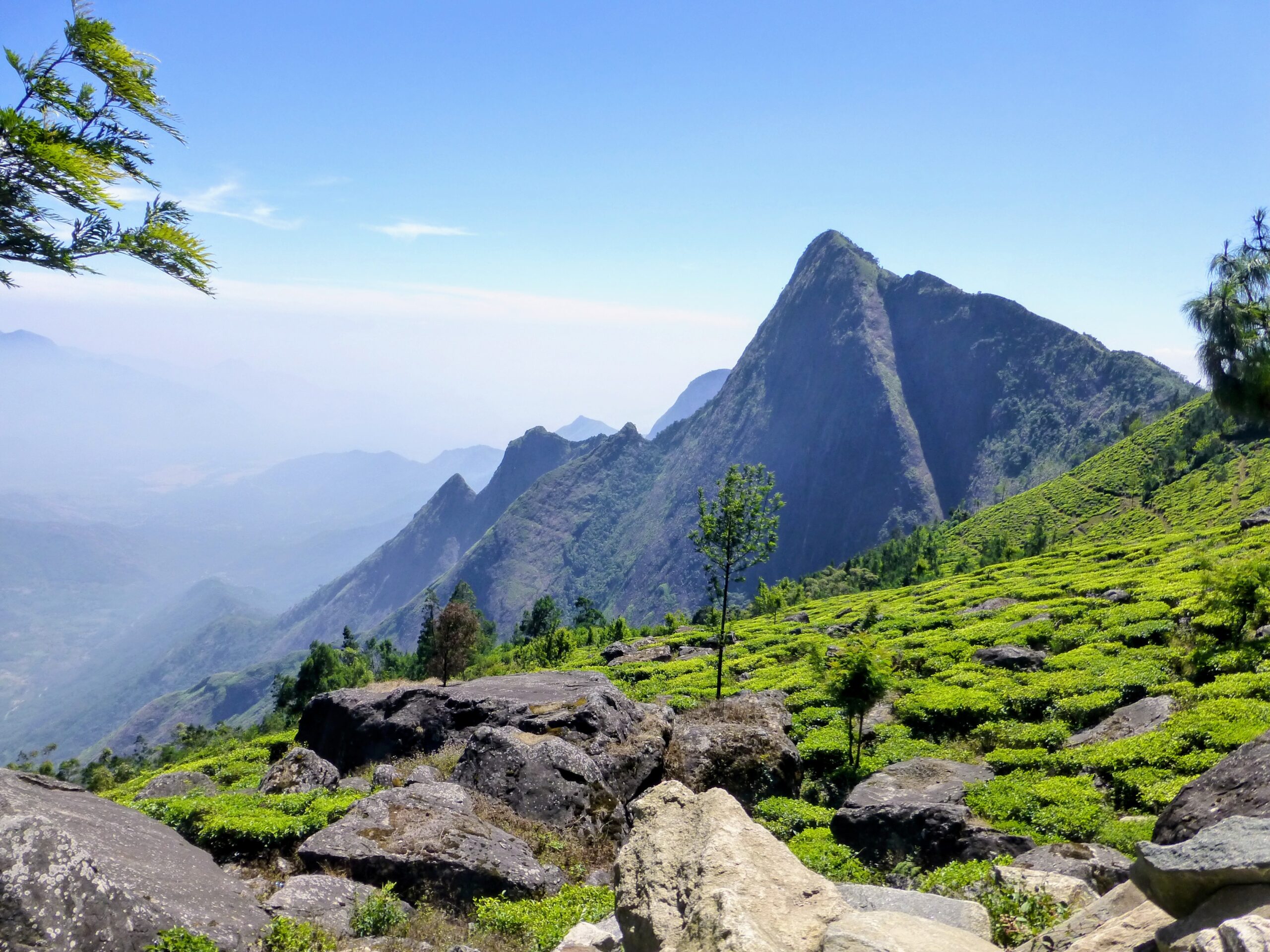
Kolukkumalai is the highest tea plantation in the world, at over 2,400 metres above sea level. That altitude gives the tea a distinctive character: the cold nights and mist create a slower growth and a more intense flavour. The factory on the estate dates from the 1930s and still operates in the traditional way: picking by hand, packing by hand, using machines that carry labels from British manufacturers of the 1940s.
The tea factory and museum
By the time we arrived at the top, after at least an hour of bouncing, I had earned that cup of tea. And it was good. Better than good.
The tour of the Kolukkumalai factory moved at a quick pace. The English was limited. But what you see speaks for itself: long racks where fresh green tea leaves dry in warm air, machines that grind and sieve, sacks weighed and sealed by hand. In places it felt like stepping back several decades. The smell was somewhere between wet earth and roasted grass, the scent of fresh tea being processed.
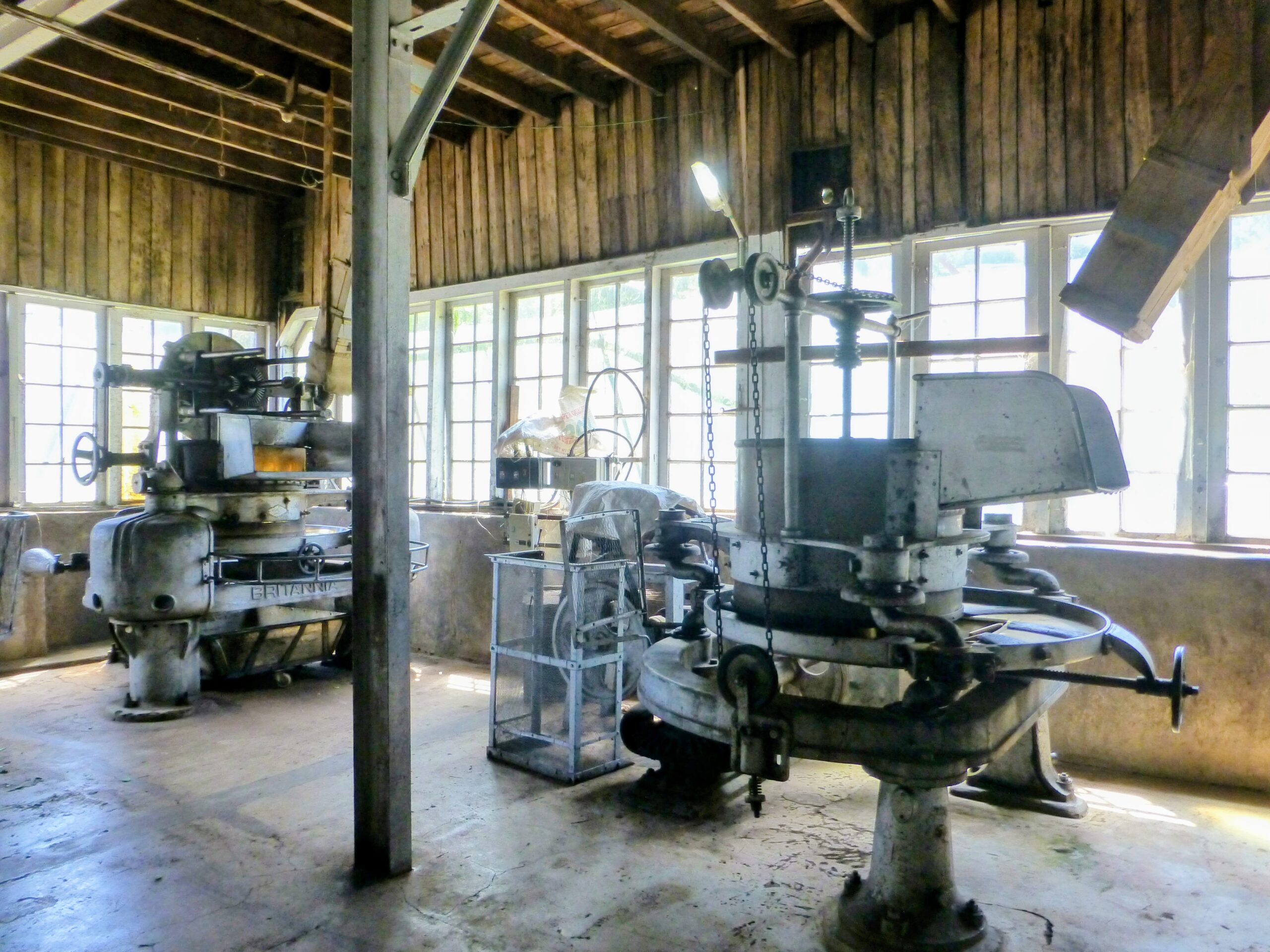
They show the complete process here: drying the leaves, grinding, fermenting, pressing and packaging. Seven steps from leaf to cup. Every step done by hand, or with machines that have been running the same way for decades.
The Kolukkumalai factory is closed on Sundays and open from 7am to 6pm. Entry costs 100 rupees. Allow three to four hours for a complete visit.
The tea pickers along the road
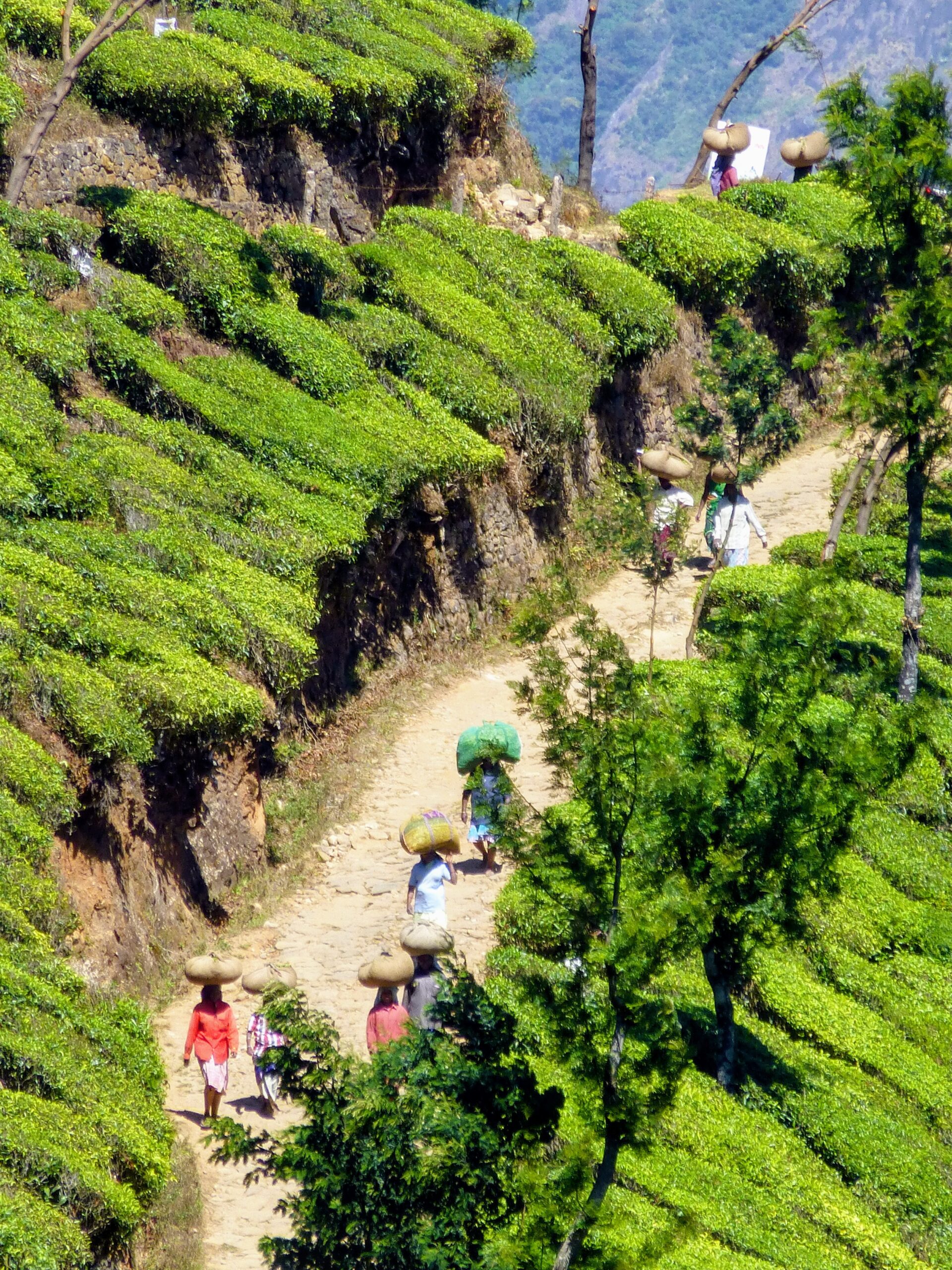
On the way back I suddenly spotted a colourful mass at the side of the road. Large, bright sacks filled with tea leaves, piled up along the tarmac. Next to them sat a group of women and the occasional man, quietly waiting. These were the pickers, ready to have their harvest weighed. Along the road, poles with hooks marked the weighing spots.
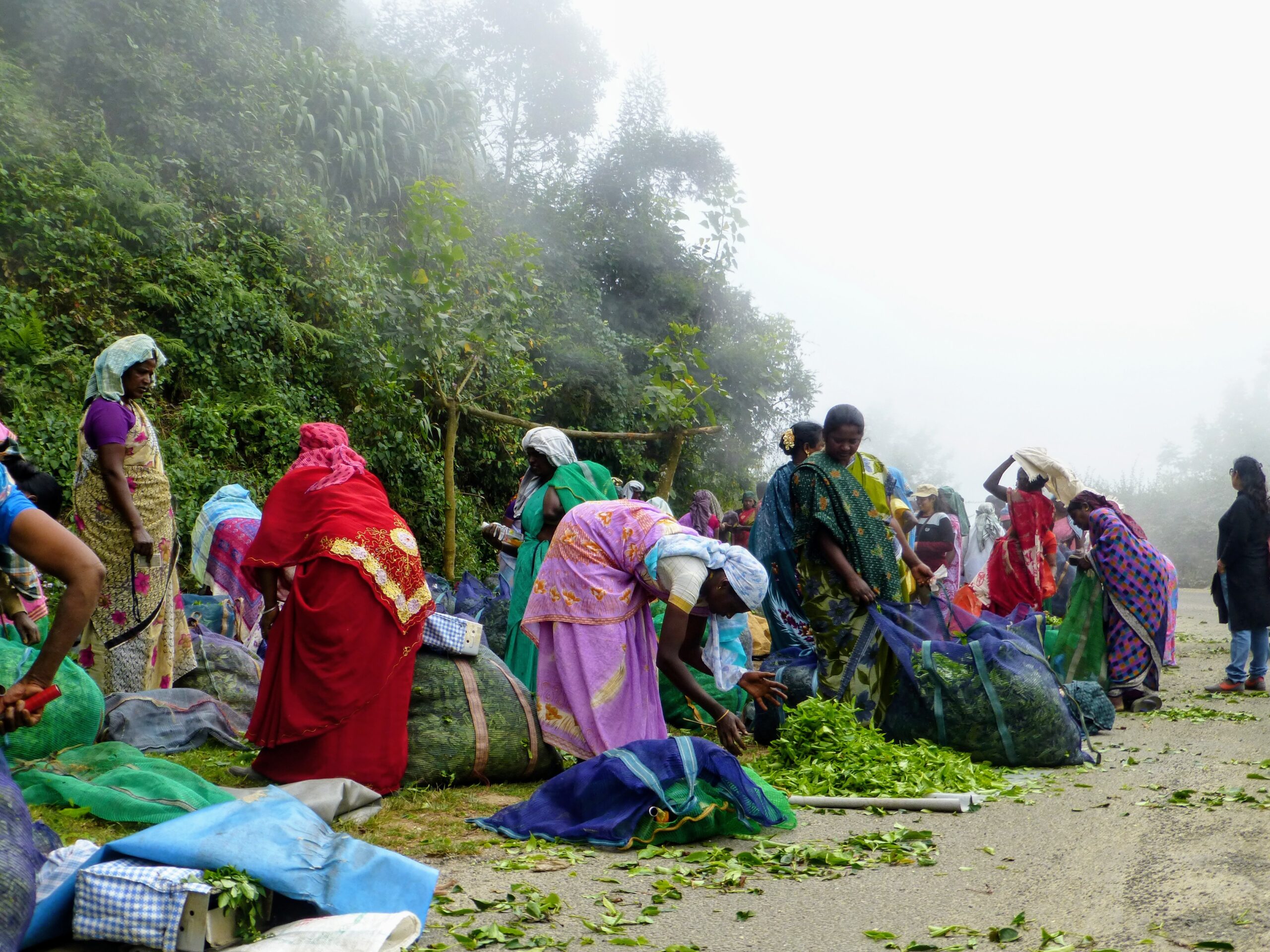
They are paid by weight. Every day they pick by hand, row by row along the bushes, with a basket or sack on their back. On average a picker collects around 60 kilos of fresh leaves per day. After processing, that yields about 15 kilos of drinkable tea. A hard living for a yield that’s easy to underestimate the next time you make a cup at home.
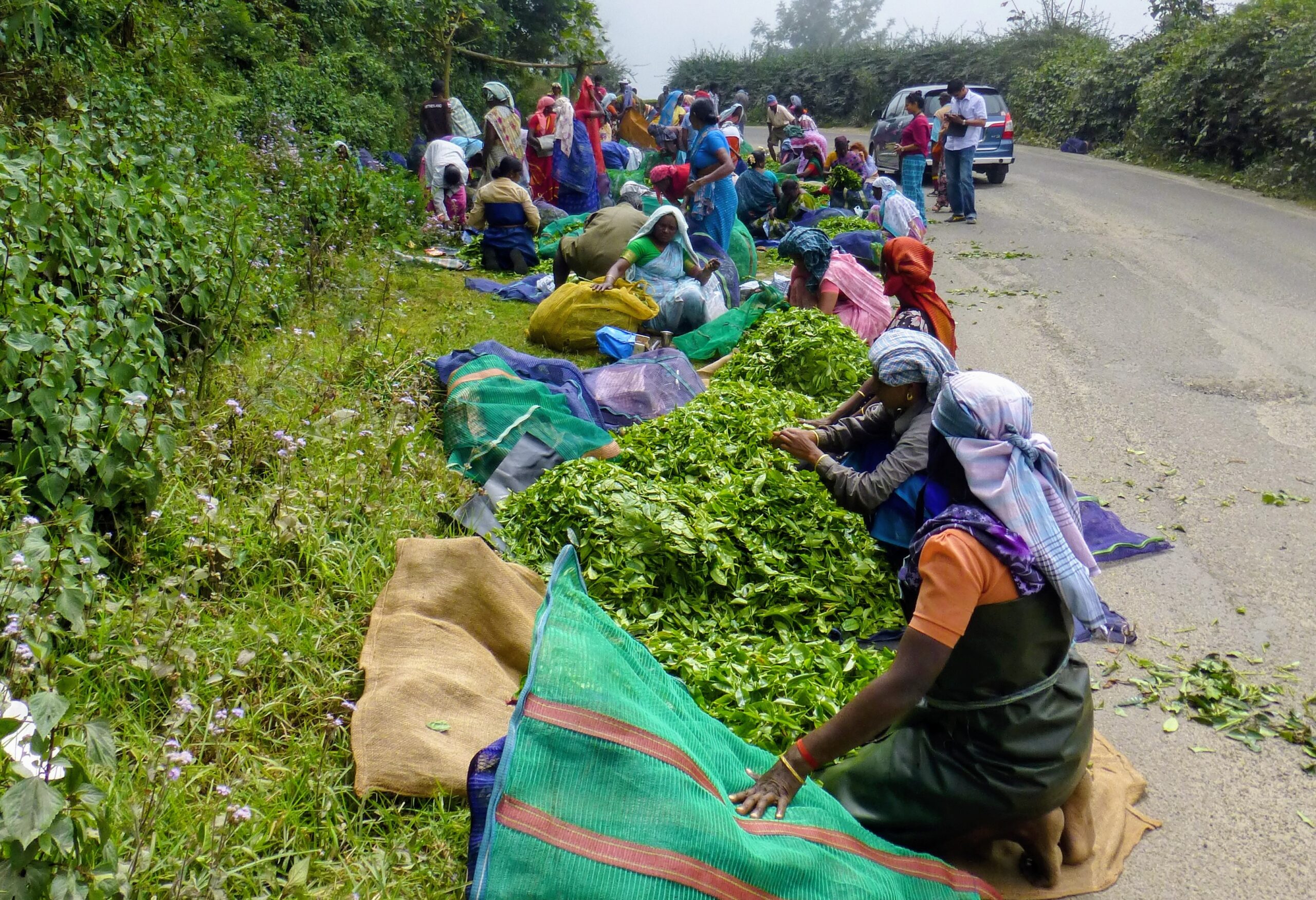
They had a well-earned break that afternoon.
Want to spend a day among the tea plantations of Munnar yourself, with a guided walk and factory visit? Book a tour in advance: spots fill up fast in high season. There are more opportunities to see these great tea plantations.
Practical information for tea plantation in Munnar
Getting there
Munnar is around 130 kilometres from Kochi (Ernakulam). By bus the journey takes about five hours. The road is winding and steep, so bring something for motion sickness if needed. A private car with driver is more comfortable and gives you the freedom to stop along the way. The nearest airport is Cochin International Airport.
Kolukkumalai is 32 kilometres from Munnar and only accessible by jeep. Jeeps can be hired in Munnar; allow one and a half to two hours for the drive up.
When to go
The best time to visit Munnar is from September through May. The weather is pleasant and dry, with temperatures between 15°C and 25°C. The monsoon season runs from June to August and can make roads muddy and impassable, especially towards Kolukkumalai. The months of November to February are the most atmospheric for Kolukkumalai itself: the mist gives the plantations an almost otherworldly quality.
Every twelve years the Neelakurinji blooms, an endemic plant that turns the hills around Munnar purple. The next bloom is expected in 2030. If you have the chance: go.
How long to stay
Allow at least two full days. One day for the Munnar area itself: tea plantations, viewpoints, and optionally the Kannan Devan Tea Museum in town. A second day for the drive to Kolukkumalai. If you enjoy walking, add an extra day. There are good routes through the tea fields and up to viewpoints like Top Station.
Where to stay
The town of Munnar itself is a typical Indian town: full of life and noise. Staying outside the centre, among the tea fields or the forests, is a better option. One good choice is K Mansion Hotel, about 14 kilometres from the plantations but right in the green landscape surrounding Munnar, with a garden where you can unwind after a long day.
I always bring my own reusable water bottle #ad on every trip. My mission is to eliminate single-use plastic, and refilling instead of throwing away is one of the easiest ways to contribute as a traveller. Also a foldable bag #ad for small purchases helps avoid unnecessary plastic waste along the way.
Read more
- First Time India Travel Guide
- Sunrise at the Taj Mahal, Agra
- Dive into the Streetfood Culture of Mumbai
- Going too Local at a Cookingclass – Varanasi
- Complete Guide to Visiting Goa’s Spectacular Waterfall
This article contains affiliate links. If you book or purchase something through one of these links, we may receive a small commission at no extra cost to you.