
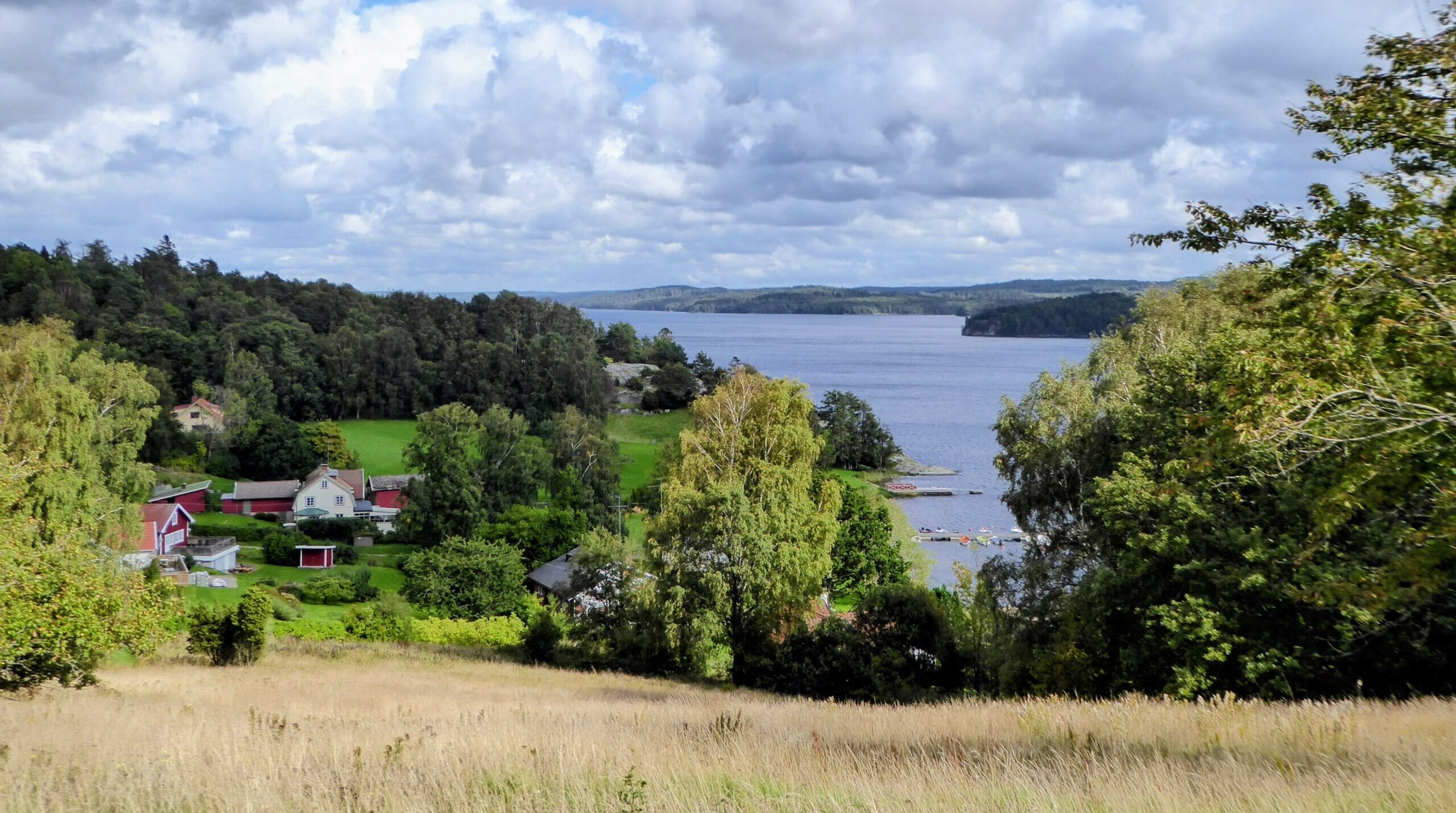
When I first heard about Sweden’s Allemansrätten, I knew immediately: I have to experience this for myself. Pitching a tent in the middle of nature, no campsite, no reservation — just setting up wherever you feel like it. In the Netherlands that is illegal. In Sweden it is a constitutional right.
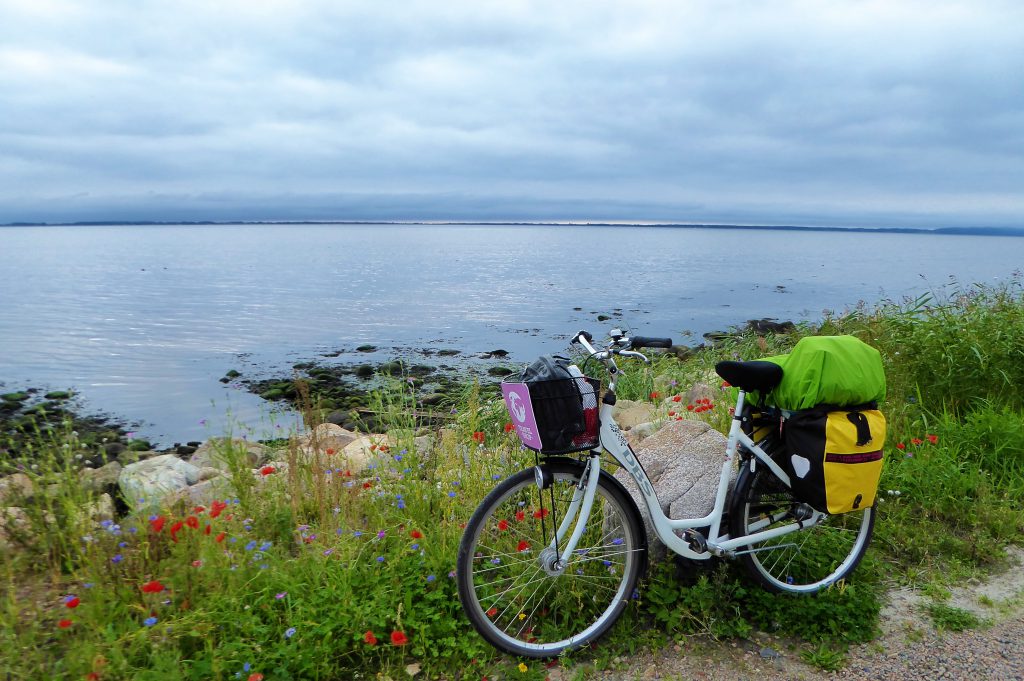
One summer I packed my bicycle and my tent and cycled the Kattegattleden. And yes, I camped along the way using the Allemansrätten. Here is everything you need to know before you go.
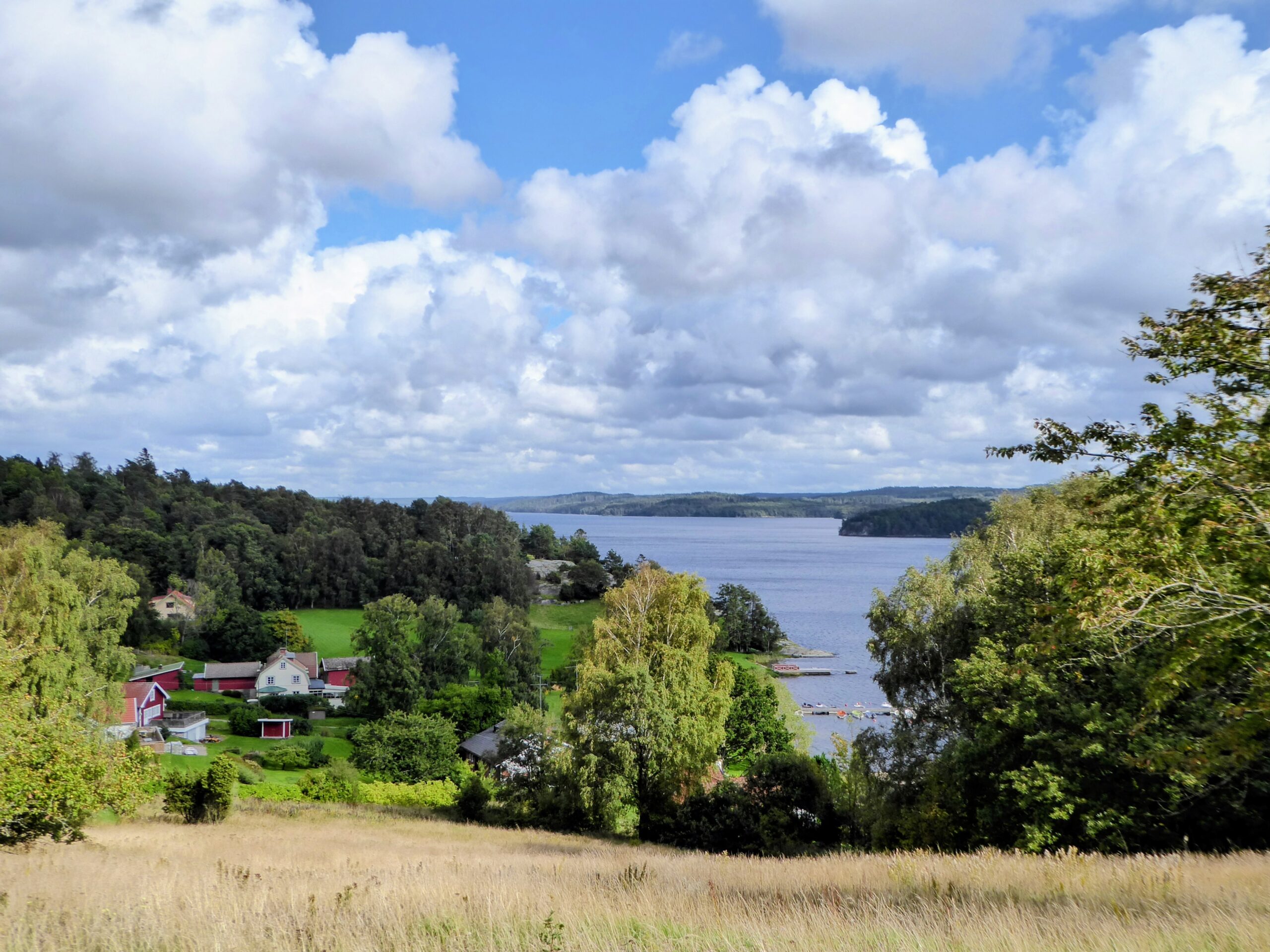
What is the Allemansrätten — Sweden’s right to roam?
The Allemansrätten, or Right of Public Access, is the right of every person to move freely through nature and to spend the night there. It is not a single formal law but an ancient customary principle that was written into the Swedish constitution in 1994. It applies not just to Swedish citizens but to every visitor to the country.
The core idea: nature belongs to everyone. You may walk, cycle, swim and camp wherever you like, as long as you do not cause damage to nature, people or animals.
That sounds like total freedom — and to a large extent it is. But there are rules, and they exist for good reason.
The rules for wild camping under the Allemansrätten
1. Maximum 24 to 48 hours in one spot
You may pitch your tent for one, sometimes two nights in the same location. Staying longer is not acceptable — nature needs the chance to recover. A tent left in one place for too long will leave a bare patch where nothing grows.
2. Keep your distance from houses and buildings
Do not pitch your tent within 150 metres of a house, farm or other building. Do not camp on agricultural land or in gardens without the owner’s permission.
3. Ask permission on private land
No fence, but the land clearly belongs to someone? Ask first. In my experience, Swedes almost never say no. The owner of restaurant Bjäre Fisk & Skaldjur in the harbour of Magnarp Strand pointed me proudly to a spot behind his restaurant — and reminded me with a grin that this was his right to offer. That kind of hospitality is genuinely Swedish.
4. Leave no trace
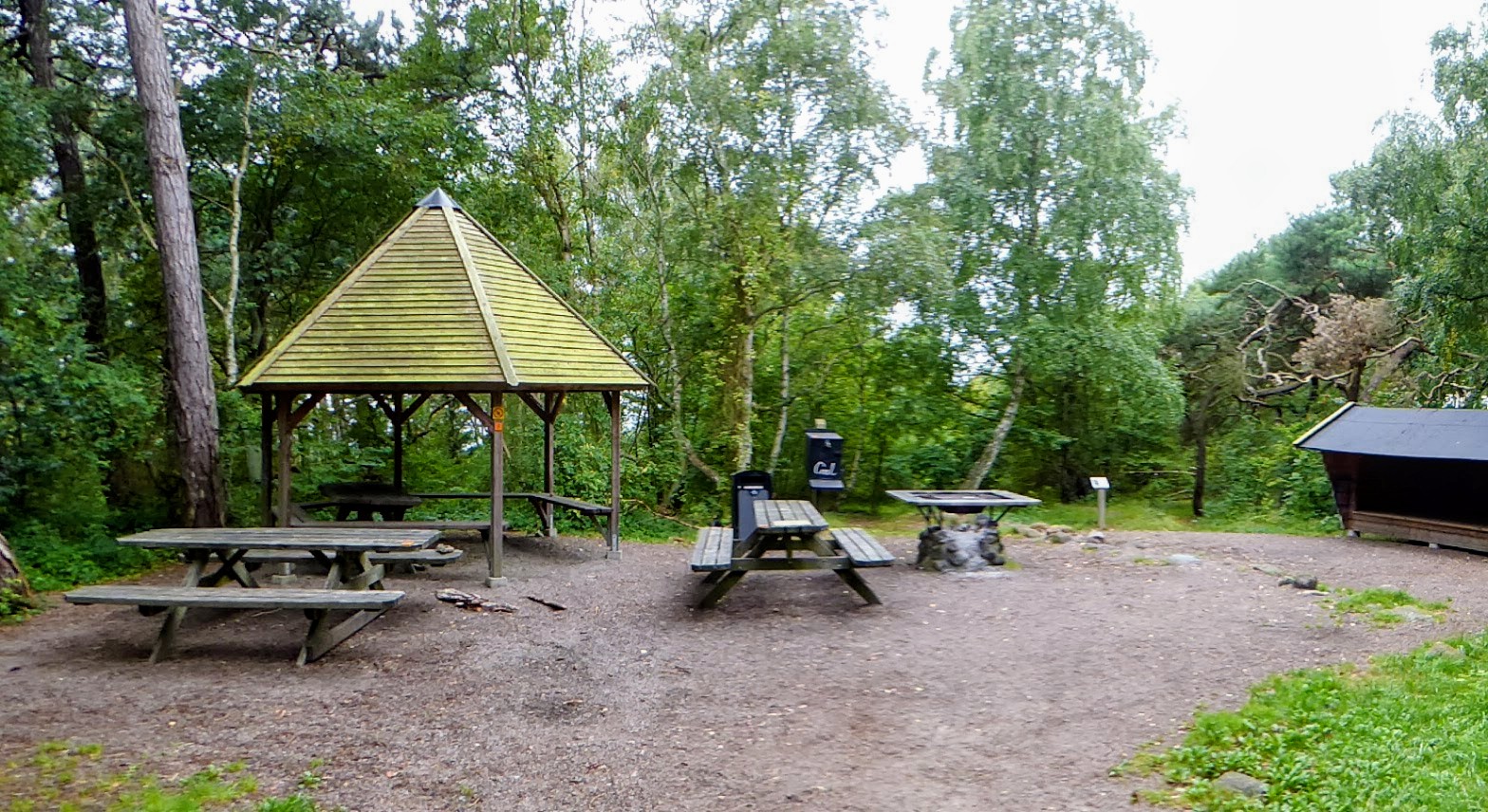
Take all your waste with you. There are no bins in the wilderness. That also means: use biodegradable soap when washing yourself or your dishes, so you do not pollute the water.
5. Campfires: yes, but with care
Making a campfire is allowed — and it is one of the things that makes camping in Sweden so special. Use only fallen wood and dead branches you find on the ground. Do not cut down living trees or break off branches. During dry conditions or when an official fire ban is in place, fires are prohibited. Check before you go.
6. National parks and nature reserves: extra rules apply
In protected areas, additional restrictions are in place. Sometimes camping is only allowed at designated spots; sometimes it is not permitted at all. This is always indicated on signs, often in English.
7. Dogs are welcome, but mind the season
Your dog is allowed and may roam off-leash — but between 1 March and 20 August, dogs must be kept on a lead at all times, as animals are raising their young during this period. Outside that window, off-leash is fine as long as your dog is under control.
Wild camping on the Kattegattleden: my experience
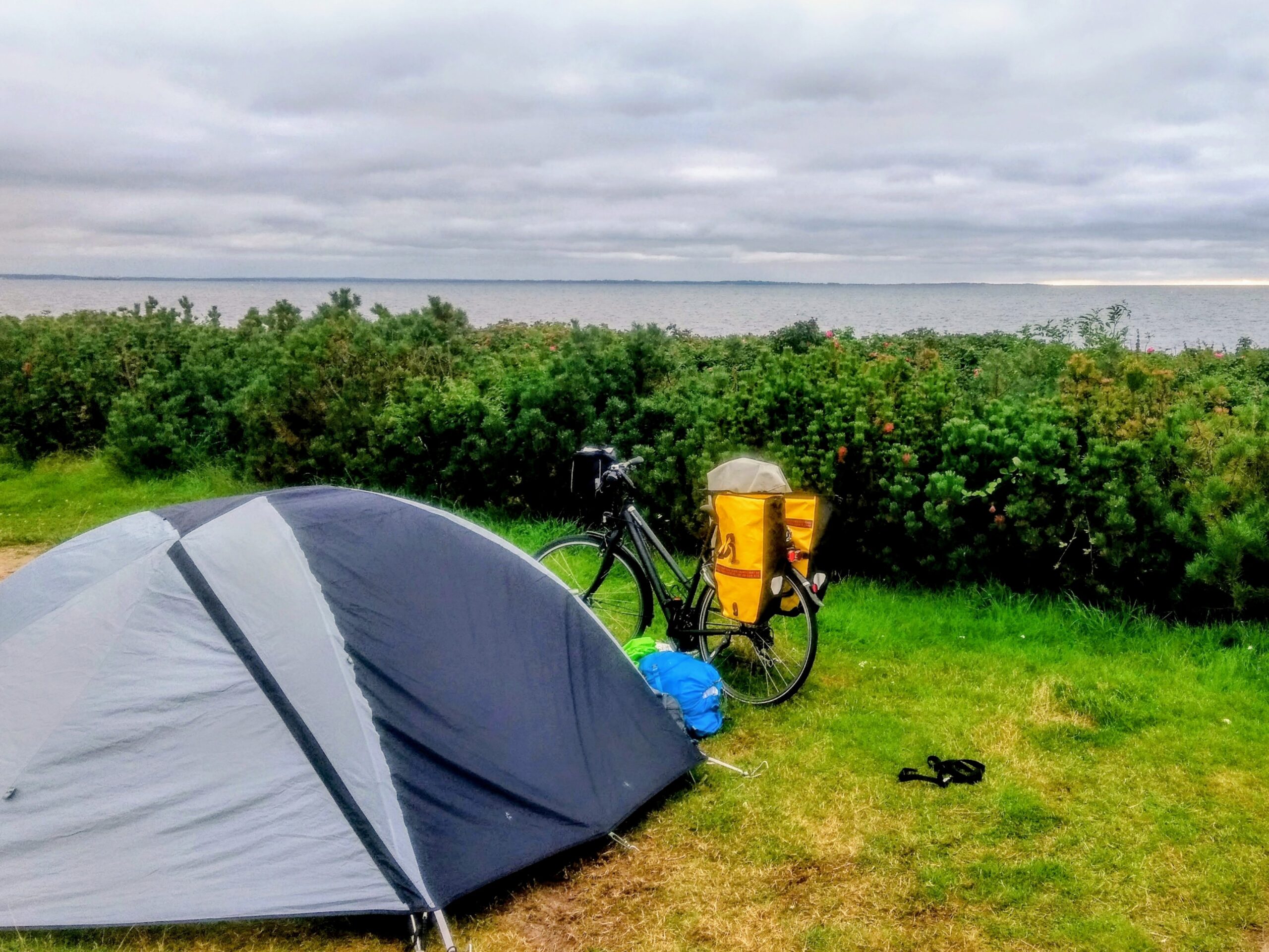
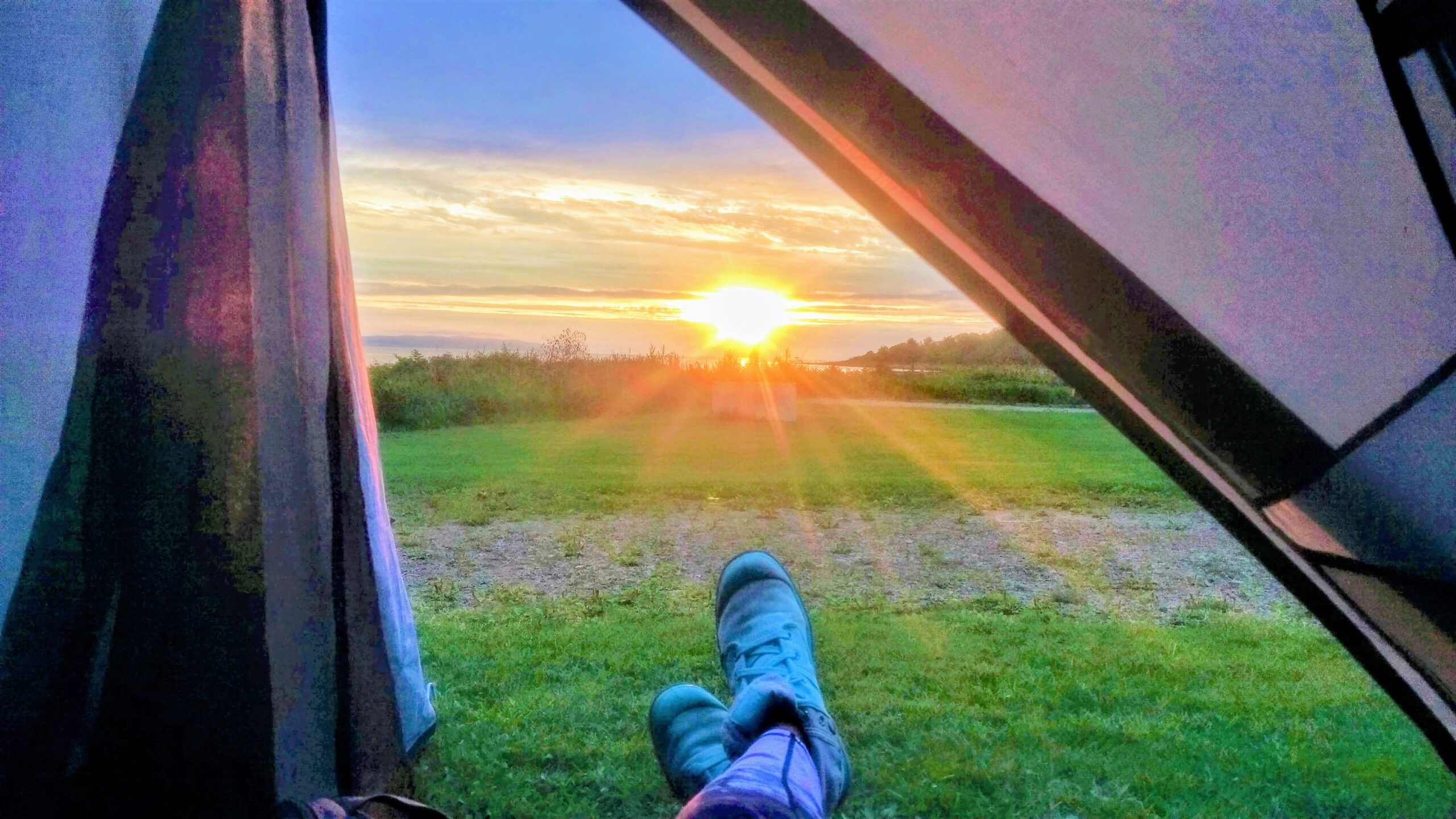
I cycled the Kattegattleden with a tent strapped to my bike and a plan to spend at least one night away from an official campsite. My first night was still on a campsite in Örestrand — just to practise putting up my tent. I had it standing within fifteen minutes and received compliments from my Dutch camping neighbours.
The following day I cycled past Ängelholm and started looking for a wild camping spot. The Kattegattleden map showed a few possible locations, but some no longer existed or were hard to find.
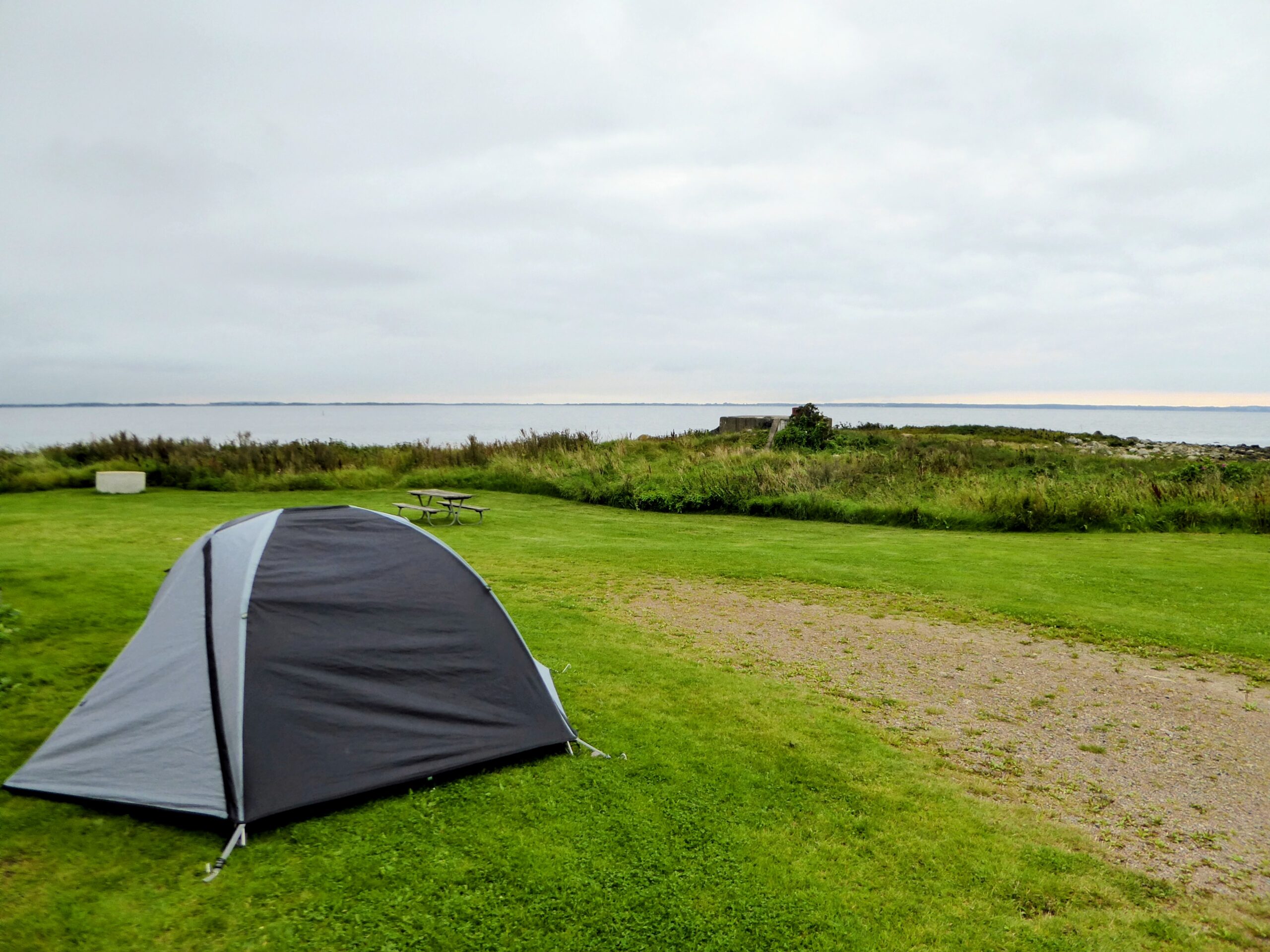
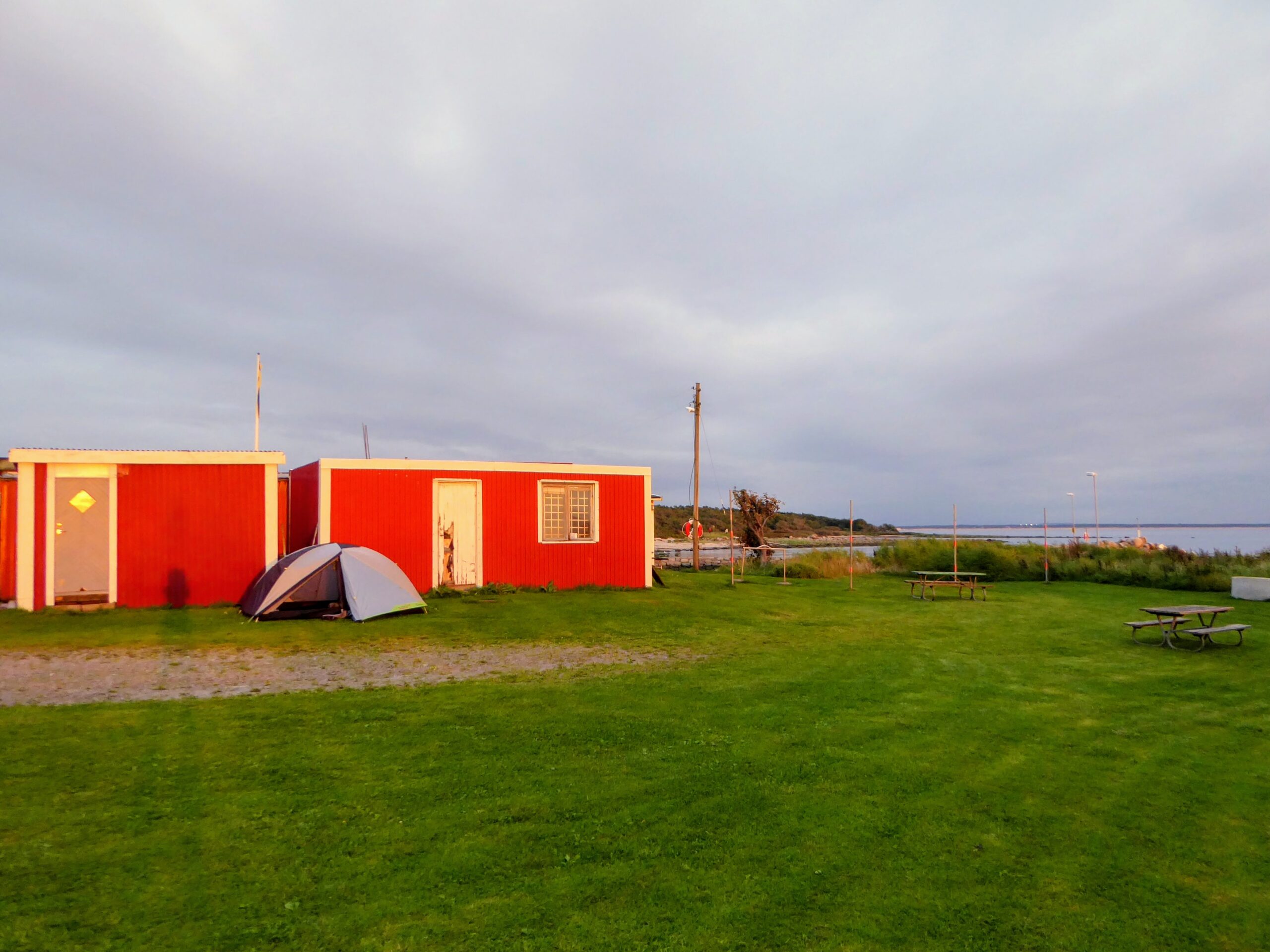
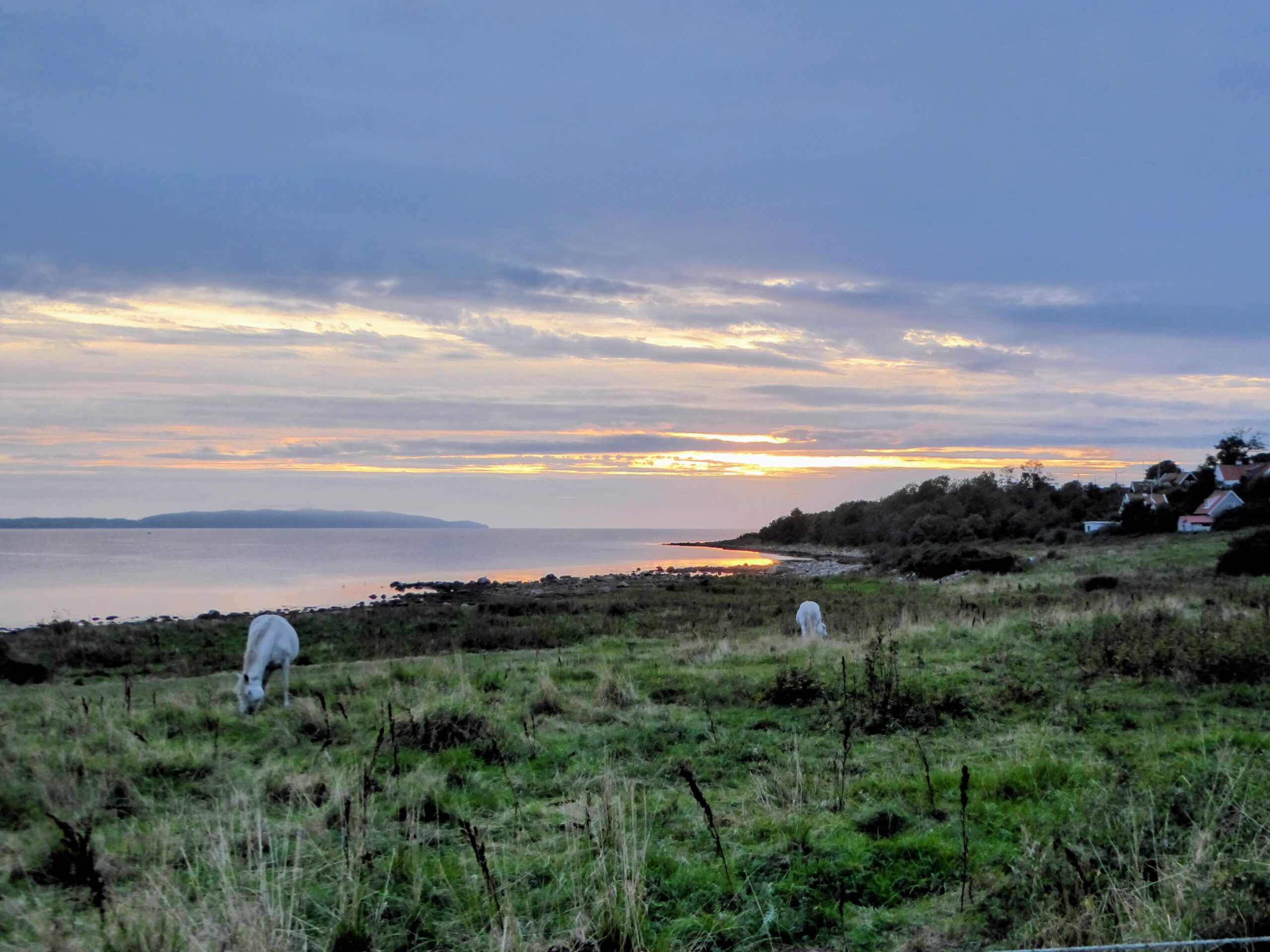
At the harbour of Magnarp Strand, I asked the owner of the local fish restaurant. He immediately pointed me to a spot behind his restaurant with a view over the sea. There was a public toilet in the harbour, I could safely store my bicycle in a shed, and the evening ended with horses grazing in the bay and a sunset I will not forget quickly.
That is wild camping under the Allemansrätten in practice: generous, welcoming and extraordinary.
Useful apps for finding wild camping spots
Driving around hoping a good spot appears rarely works. Plan ahead with these apps:
Park4Night is the most widely used app, with up-to-date information on free camping spots and nearby facilities. iOverlander is excellent for more remote locations. Sheltermap shows open shelters across Sweden — often with a fireplace, table and sometimes even a small toilet hut. These are ideal stopovers, even for just one night.
What else can you do under the Allemansrätten?
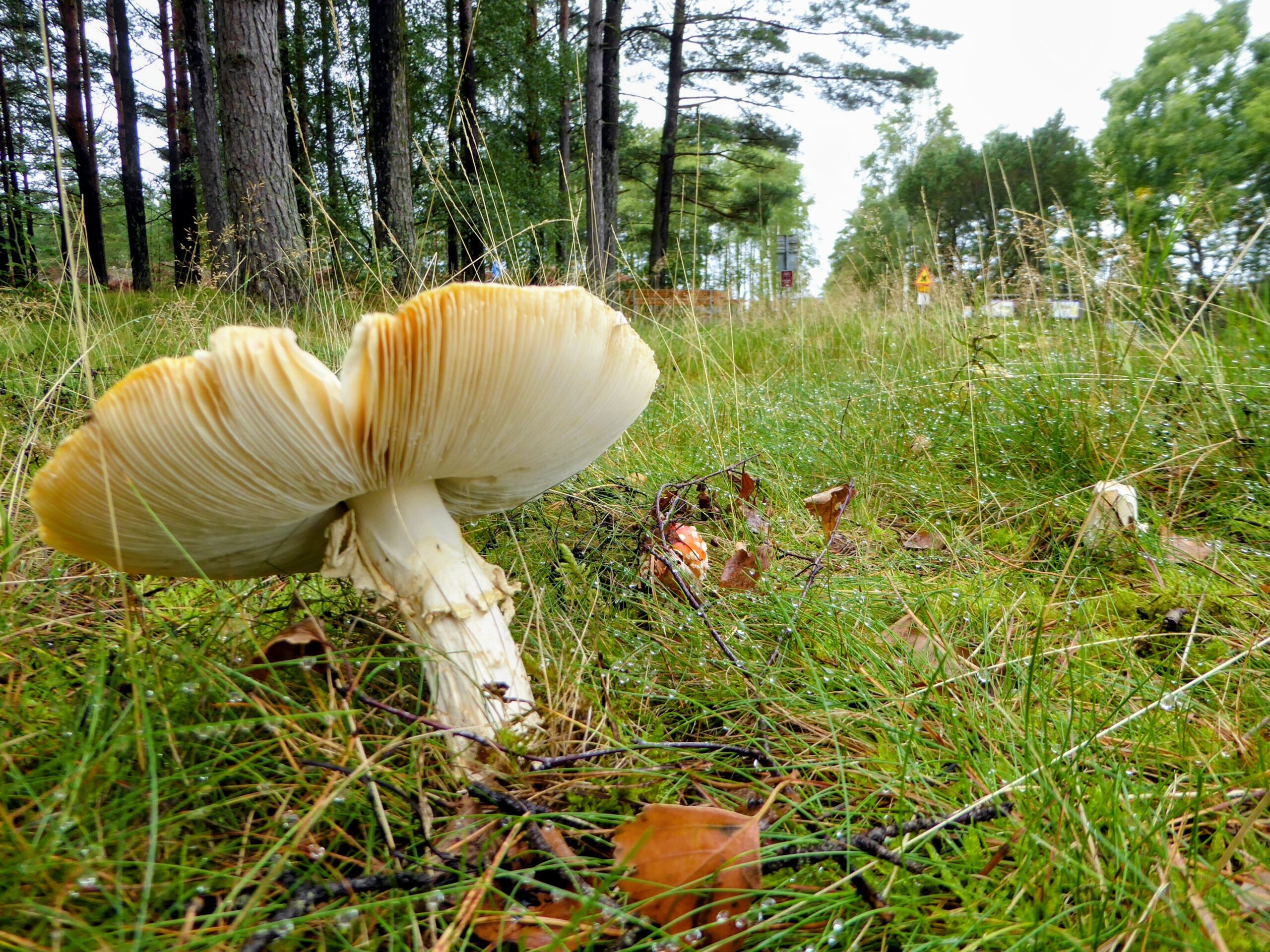
The right goes well beyond camping. You may walk, cycle and swim freely in nature, including on private land, as long as you keep a reasonable distance from buildings. You may pick wild berries, mushrooms and flowers, but only for personal use. In Swedish forests you regularly see people heading home with baskets full of mushrooms. That is simply part of the culture.
What gear do you need for wild camping in Sweden?
If you are heading out for the first time, good basic kit is essential — especially if you are also cycling or hiking and want to keep your load light.
Tent: choose a lightweight tent that you can pitch quickly. A three-season tent works well: light enough to carry, robust enough for unpredictable Swedish weather. The Forclaz range from Decathlon is popular and affordable.
A tent like this one #ad is what I have since a souple of years. I love that I have a place outside to keep my shoes dry.
Sleeping bag: bring a sleeping bag rated to at least 5°C. Nights in September can get cold quickly. A compact three-season sleeping bag is ideal.
Sleeping mat: a self-inflating sleeping mat insulates against cold ground and is far more comfortable than a basic foam pad.
Water bottle with filter: in the Swedish wilderness you can refill from streams and lakes. A reusable bottle with an integrated filter #ad such as the LifeStraw Go — makes that safe and sustainable. On every trip I bring my own reusable water bottle. My goal is to eliminate single-use plastic, and refilling instead of buying is one of the easiest ways to contribute as a traveller. A foldable bag for small purchases also cuts down on unnecessary plastic waste along the way.
Trowel: if there is no toilet nearby, you dig a hole. A compact trowel such as the Sea to Summit Pocket Trowel #ad weighs almost nothing. Use biodegradable toilet paper and bury everything.
Biodegradable soap: always use soap #ad that breaks down naturally when washing yourself or your dishes near water.
When to go
The best time for wild camping in Sweden under the Allemansrätten is June through to early September. Summer days are long, the weather is pleasant and nature is at its most alive. If you go in September, be prepared for cooler nights and more rain — I speak from personal experience.
Mosquitoes can also be a factor in summer, particularly near lakes and in forests. Pack a good repellent.
Prefer a campsite for the first night?
If you want to ease in gently or need a shower and electricity, there are plenty of campsites along the Kattegattleden and throughout Sweden. Online you can find small-scale campsites and cabins
What else can I mention about the Allemansratten?
On every trip I bring my own reusable water bottle #ad. My goal is to eliminate single-use plastic, and refilling instead of buying is one of the easiest ways to contribute as a traveller. A foldable bag #ad for small purchases also cuts down on unnecessary plastic waste along the way.
Check for more explanation about this interesting law if you want to go camping too in Sweden on this site: Naturvårdsverket.
Want to read some more adventures in Sweden?
- Safe Cycling in Sweden#Kattegattleden
- Explore Goteborg by GO Card
- Cycling the Kattegattleden along the West Coast of Sweden
- Pilgrim path St Olavsleden – Hiking in Norway
This article contains affiliate links. If you book or purchase something through one of these links, we may receive a small commission at no extra cost to you.