
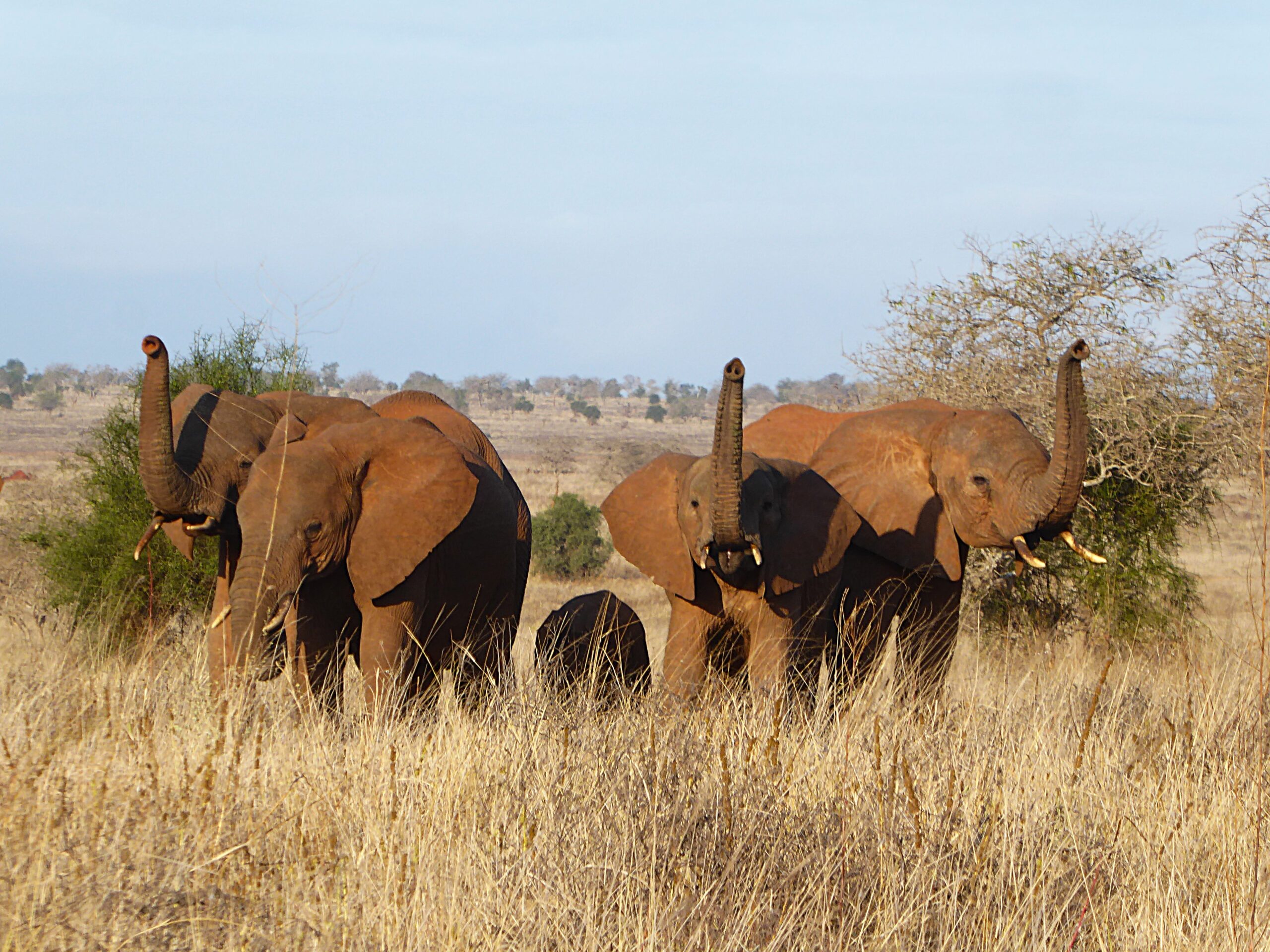
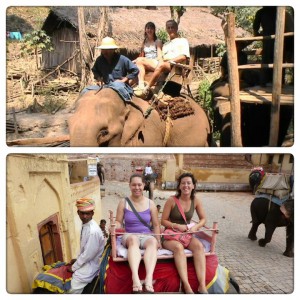
It was 2005. I was standing in Jaipur, India, and without a second thought, I climbed onto the back of an elephant. My tour operator had arranged it, it was on the itinerary, and I just went along. Fascinated by everything around me, without stopping for a moment to think about what I was actually doing.
Years later, I was back in Jaipur. That time, I stayed on the ground.
Wildlife tourism is something I think about consciously now whenever I travel. What is responsible? What am I contributing to, even when I can’t see it?
What I didn’t know about elephant riding
Elephants are wild animals. They don’t carry tourists on their backs because they enjoy it. They do it because their will was broken at a young age.
That process has a name: the Phajaan. It literally means “to crush.” Young elephants are taken from their mothers, locked in a small space, sometimes left without food or water for days, and beaten with bullhooks — sharp iron hooks. The goal is to drive out every trace of wildness, so the animal obeys humans. What remains is an animal that no longer resists. That behaves. That looks calm in photographs.
But the trauma stays. For the rest of its life.
This is not a conspiracy theory or an exaggeration. World Animal Protection, WWF, IFAW and numerous animal welfare organisations agree: every elephant carrying tourists or performing tricks has been through this. There are no exceptions.
The Asian elephant is on the red list
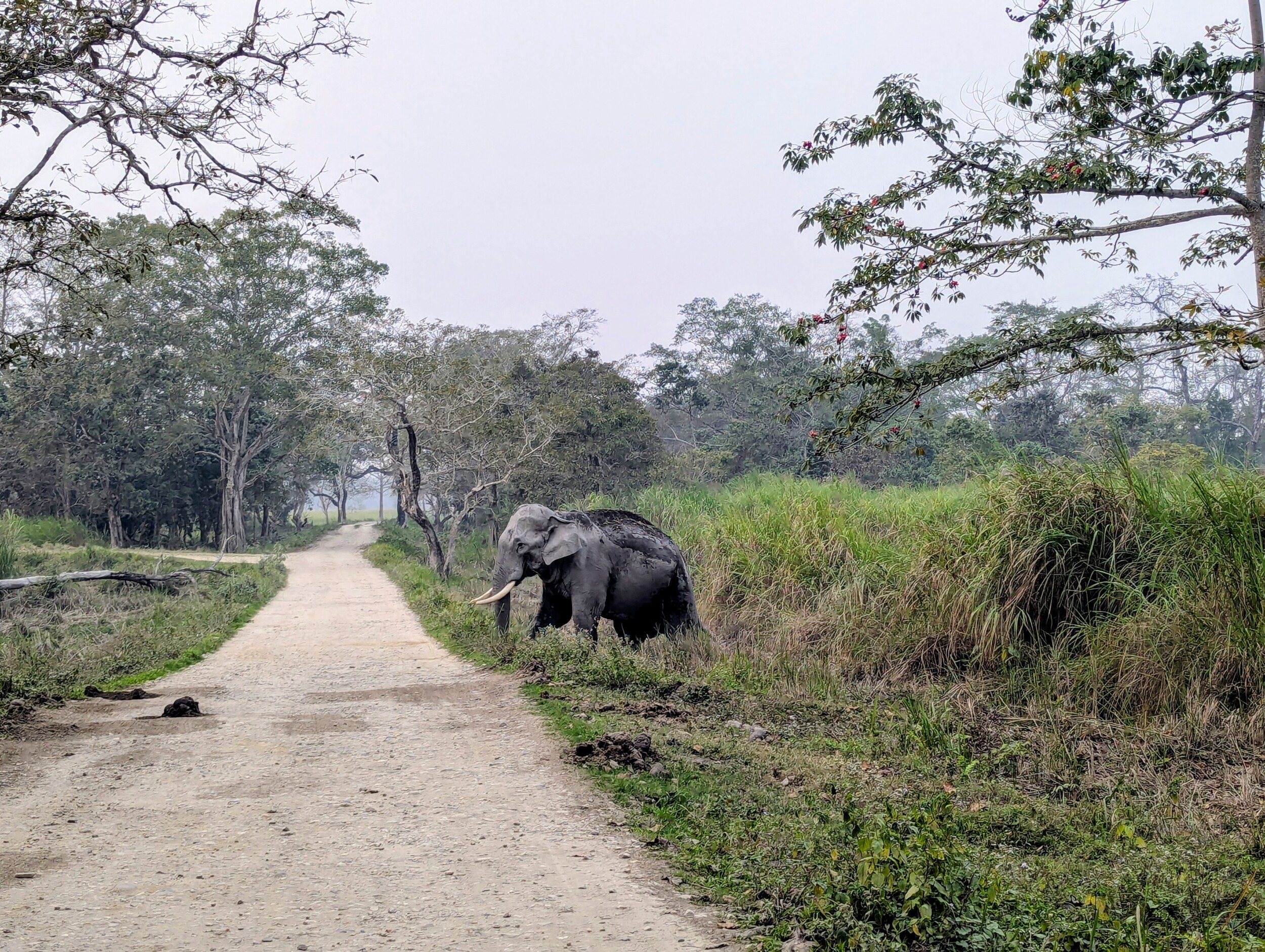
Something else I didn’t know for years: the Asian elephant is officially endangered. At the start of the twentieth century, there were an estimated 100,000 of these animals. Today, fewer than 50,000 remain, scattered across shrinking patches of habitat in South and Southeast Asia. The population has halved in three generations and now occupies only around 15 percent of its original range.
Tourism is not the only cause. Poaching, habitat loss and human-wildlife conflict all play a role. But it is the one sector where you and I have direct influence.
The new problem: the “sanctuary”
As more tourists have come to understand that elephant riding is wrong, something else has emerged: elephant washing programmes and so-called sanctuaries. The logic is clever. If you can no longer sell it as a fun activity, sell it as a good cause.
But the same truth applies: an elephant that allows itself to be washed by strangers, touched, or driven into a muddy river has undergone the same training as the elephant at a tourist camp. Wild elephants do not allow this. The submission always came first, even if you can no longer see the bullhook.
World Animal Protection has a clear rule of thumb: only visit venues where you can look, but not touch. No riding, no washing, no feeding, no cuddling. That sounds less exciting. But it is the only way to know you are genuinely supporting ethical animal tourism.
Wildlife tourism done right: what are the alternatives?
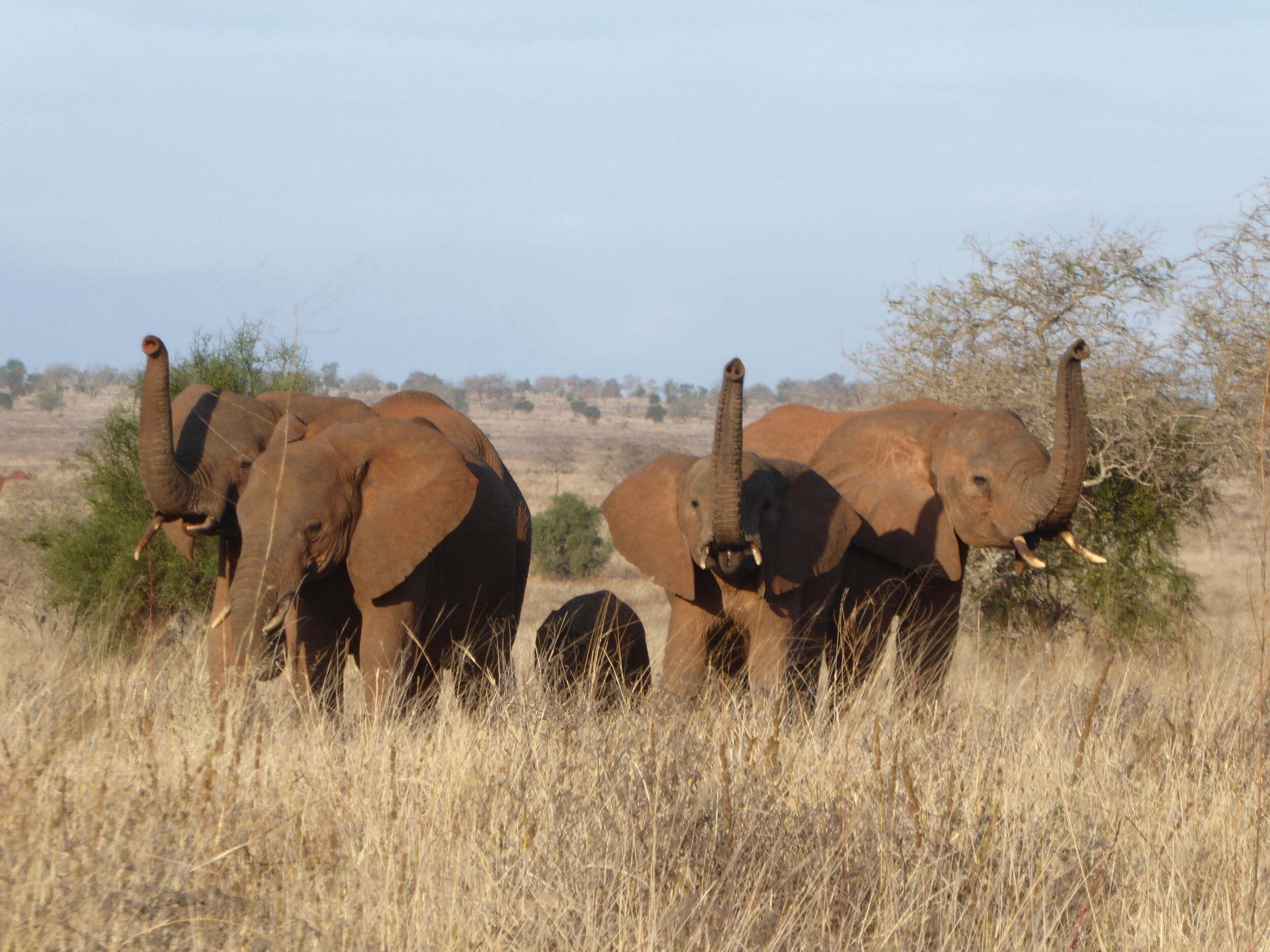
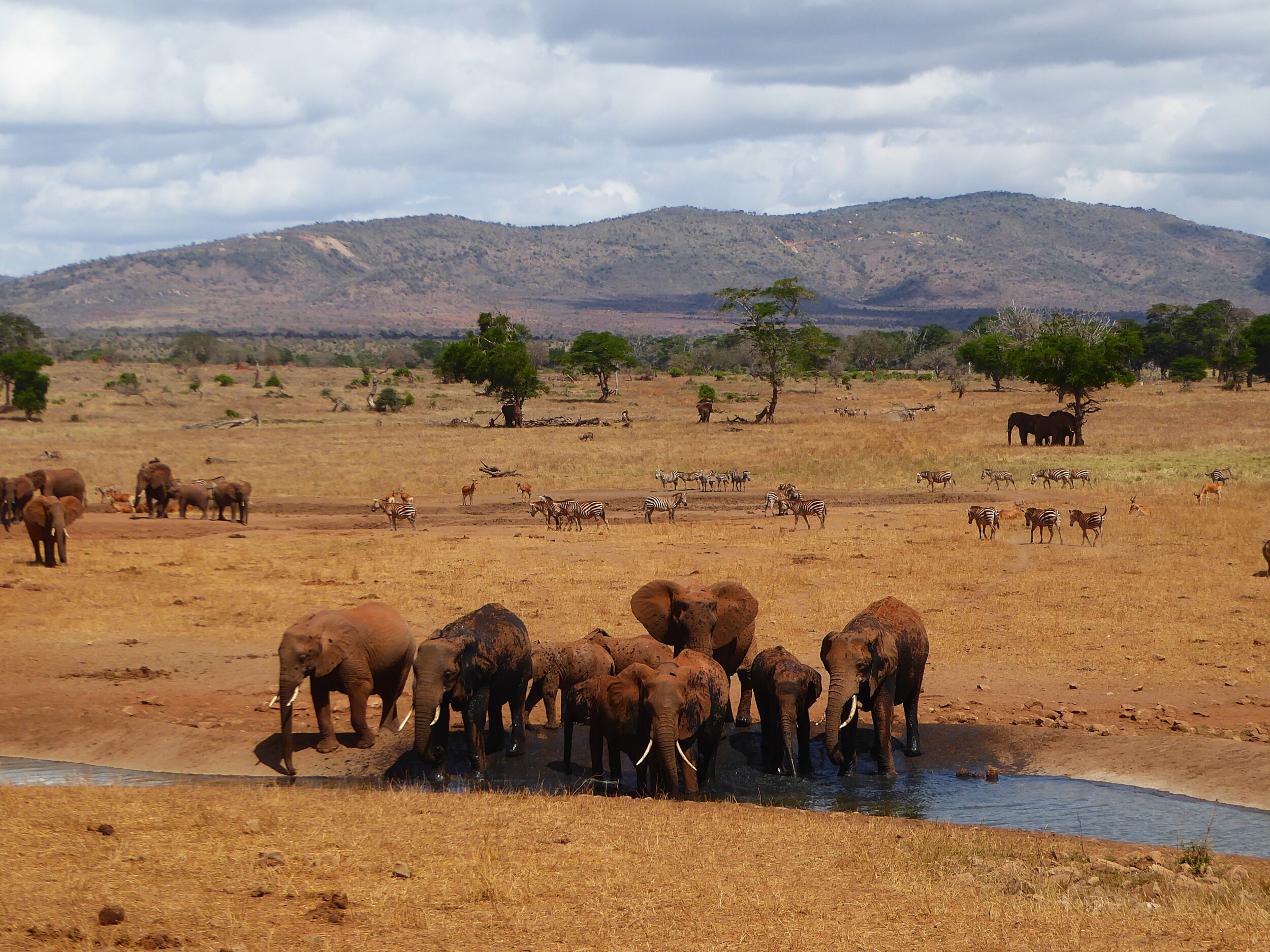
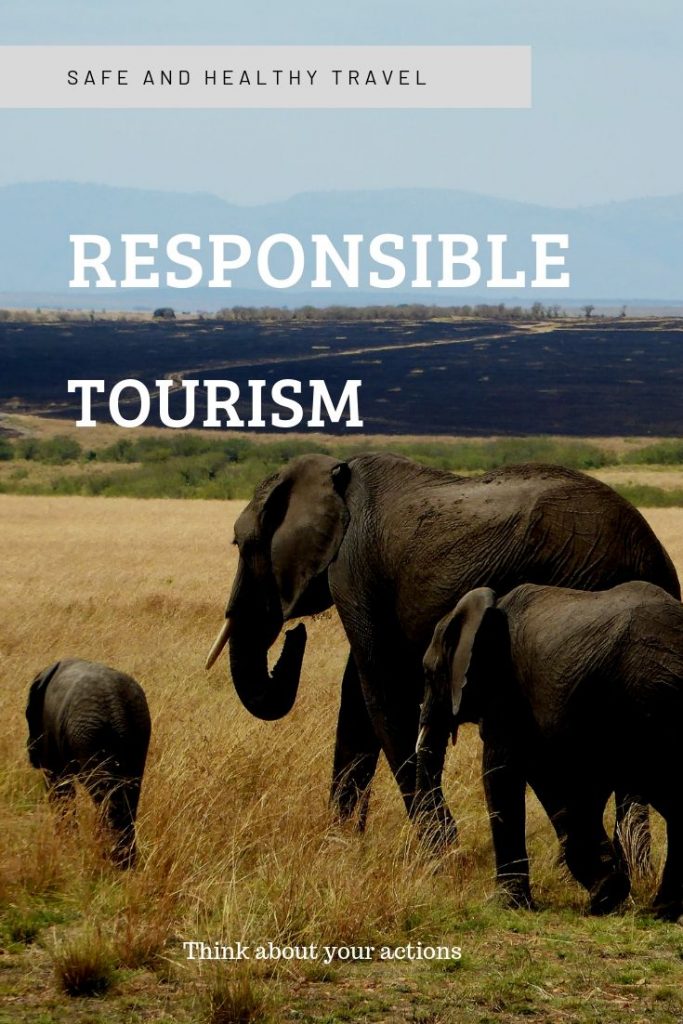
The most beautiful wildlife encounter I have ever had was in the Maasai Mara in Kenya. A herd moving at its own pace across the landscape, the matriarch leading, the young ones beside their mothers. No interaction. Just watching. I can still feel that moment.
If you want to see elephants, there are responsible ways to do it.
Spotting them in the wild on a safari with a certified ranger is the best option. In countries like Kenya, Tanzania, Sri Lanka and Thailand, there are national parks where you can observe wild elephants from a vehicle, at a respectful distance.
If you do choose to visit a sanctuary, check whether it is a genuine rescue centre. Use the World Animal Protection guidelines as your reference. Are visitors allowed to touch the animals? Then it is not a responsible venue, however beautiful the website looks.
And the tigers, and the horses, and everything else
The elephant is the most well-known example of animal exploitation in wildlife tourism, but the problem is far wider.
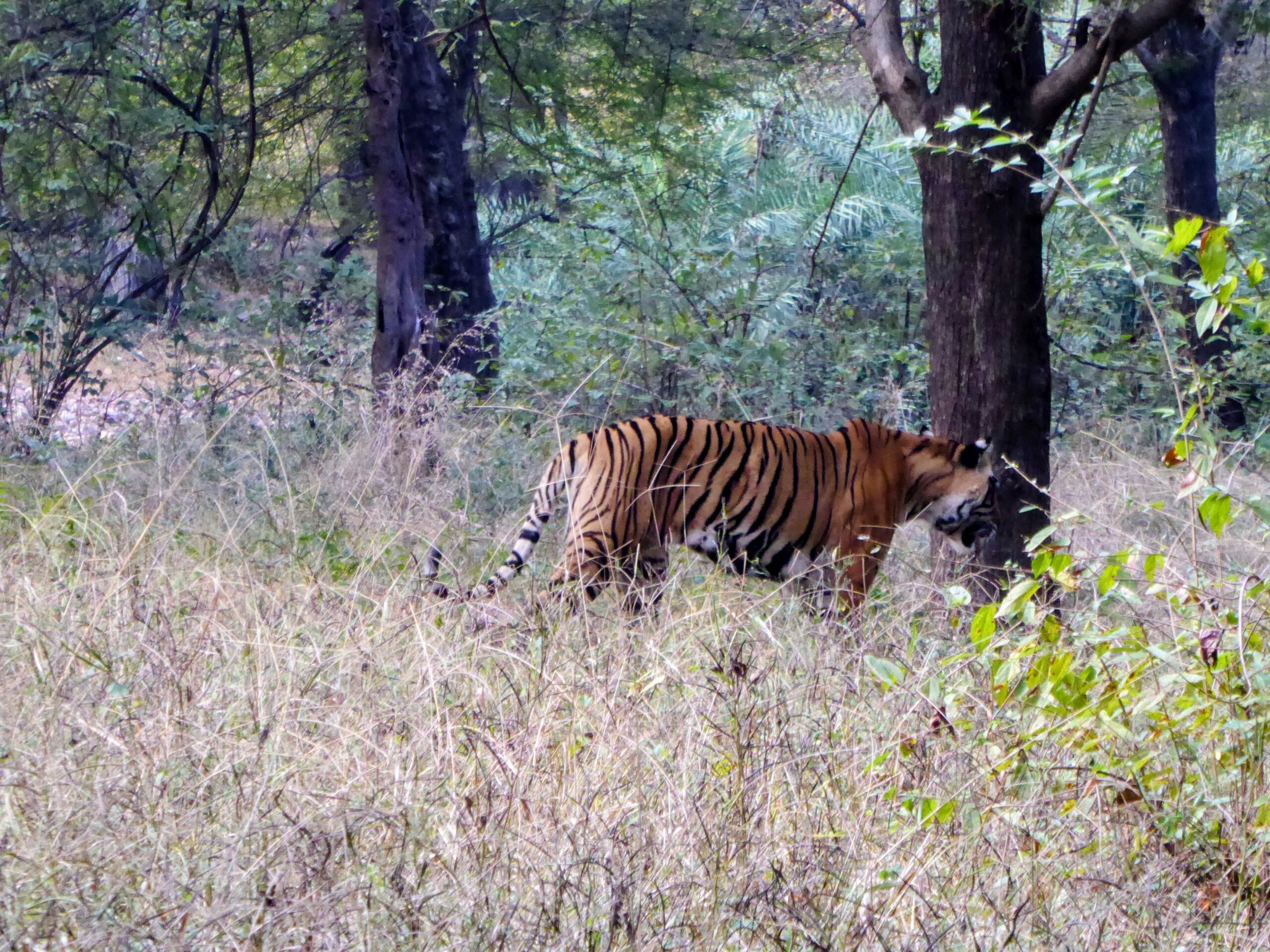
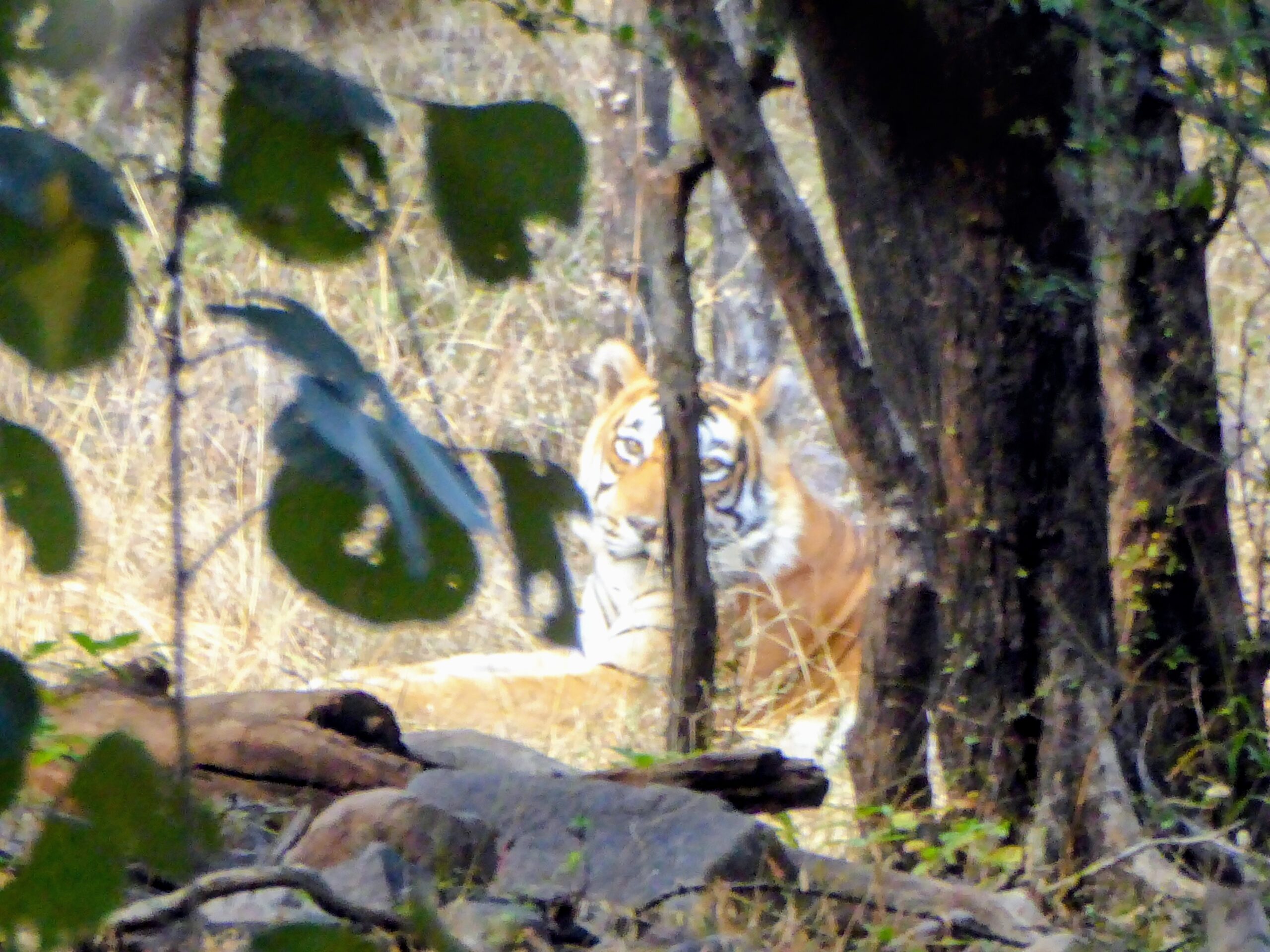
Tigers you can pose with for photos are sedated or trained through methods no one would approve of if they saw them. Horses pulling tourists through cities in forty-degree heat. Dolphins in tanks smaller than a standard swimming pool. Sharks fed for the benefit of divers.
The mechanism is always the same. There is demand, so there is supply. And as long as we pay, it continues.
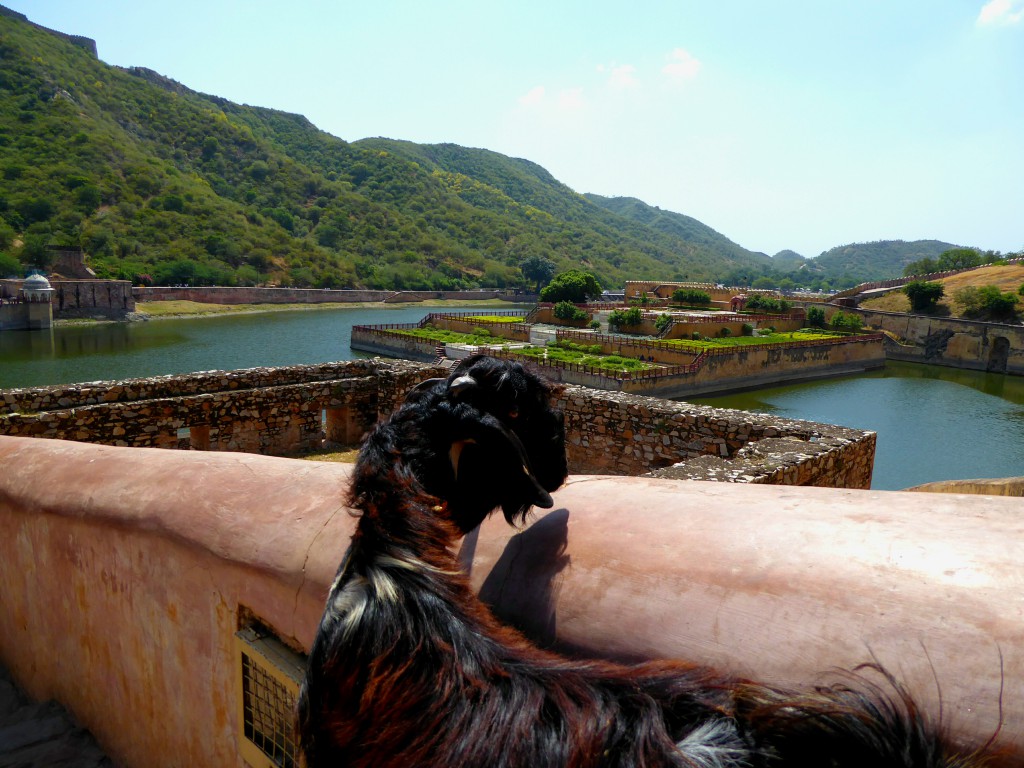
The photo at Amber Fort
On my second visit to Jaipur, I stood at the foot of Amber Fort. The elephants were still walking the same path upward. I did not join them. What I got instead was something better than an elephant ride: the climb on my own legs, and a view I had earned myself.
That photo is better than anything I could have taken from the back of an elephant. And I don’t have to hide how it came to be.
Responsible travel does not stop with animals. I always bring my own reusable water bottle #ad. My mission is to eliminate single-use plastic — refilling instead of throwing away is one of the easiest ways to contribute as a traveler.
Want to travel in a way where these choices come naturally? I organise small group tours with a focus on animals, people and environment. In Kenya, you see elephants the way I saw them in the Maasai Mara: free, at their own pace, in their own world. In India, I take you through colourful Rajasthan or through the little-known northeast: Nagaland, Assam and Arunachal Pradesh, far from the tourist trail.
Also read:
- How to Recognize and Change Thinking Patterns
- 6 Tips for living mindfully – Meaningful Travel
- You often suffer most by the suffering you fear… What about you?
This article contains affiliate links. If you book or purchase something through one of these links, we may receive a small commission at no extra cost to you.